


Pros and Cons of Staking Crypto in 2026
Staking cryptocurrency has gained immense popularity for investors who want to earn passive income by locking up their assets in staking platforms. While staking offers numerous benefits, it’s essential to understand both the advantages and disadvantages of staking crypto to make informed investment decisions. Staking rewards remain an attractive incentive, but like any investment, there are risks involved. This article will walk you through the pros and cons of staking crypto, focusing on staking Solana using Walletverse.
What Is Staking – And How Does This Work?
Staking is locking up your cryptocurrency in a Proof of Stake (PoS) network to help validate transactions and secure the blockchain. In return for staking your assets, you receive staking rewards based on the amount you’ve staked and the length of time your assets are locked. The more you stake, the higher your potential rewards.
Here’s how staking works in crypto:
- Choose a staking platform. Select a platform like Walletverse to stake your assets.
- Lock your crypto. Once you’ve chosen your platform, you lock up your assets for a specified period. During this time, your cryptocurrency is used to validate transactions on the blockchain.
- Earn staking rewards. You receive regular staking rewards for participating in the network, typically in the form of additional crypto.
- Reinvest or withdraw. You can either reinvest your rewards to compound your earnings or withdraw them when the lock-up period ends.
Advantages of Staking Crypto
Staking cryptocurrency offers several benefits, making it an attractive option for many investors. Here are the key advantages of staking crypto:
- Passive income. Staking allows you to earn passive income without actively trading your crypto. Once your assets are locked, you earn yield from staking crypto simply by holding them.
- Staking rewards. You receive predictable staking rewards based on the amount you’ve staked. This provides a reliable way to grow your crypto holdings over time.
- Network security. By staking your assets, you’re contributing to the security and stability of the blockchain network. This helps to decentralize the system, making it more resilient to attacks.
- Lower energy consumption. Unlike mining, staking is much more energy-efficient, as it doesn’t require powerful hardware or large amounts of electricity to validate transactions.
Staking crypto for passive income remains a low-maintenance way to grow your investments, especially for long-term holders.
Disadvantages of Staking Crypto
Despite the benefits, there are also disadvantages of staking crypto that should be considered:
- Lock-up periods. When you stake your crypto, it’s often locked up for a specific time. During this staking lock-up period, you can’t access or trade your assets, which could be a downside in volatile markets.
- Staking risks. There are inherent risks in staking. For example, if the value of the cryptocurrency decreases significantly during the lock-up period, the overall value of your staked assets could drop, even though you’re earning staking rewards.
- Volatility. The crypto market is highly volatile, and the value of your staked assets may fluctuate drastically, potentially offsetting the rewards you earn.
- Platform risks. If your staking platform is not secure or properly managed, you risk losing your staked assets.
Understanding these risks is crucial for determining whether staking is the right choice for your investment strategy.
Best Crypto Wallet for Profitable Solana Staking in 2026
If you’re looking for the best crypto wallet to stake Solana (SOL) in 2026, Walletverse is an excellent choice. Walletverse offers a profitable staking solution with the following advantages:
1. Walletverse
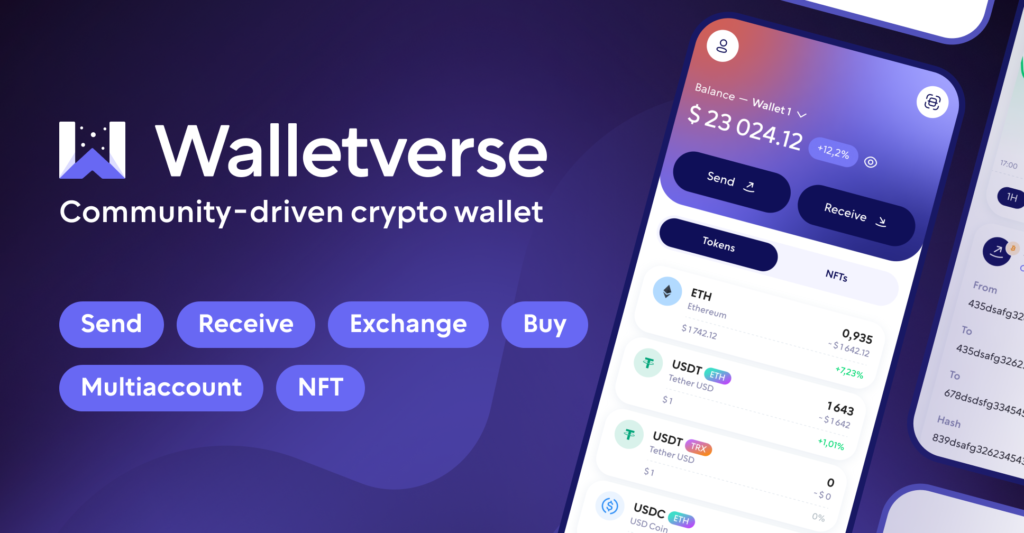
- High staking rewards. Walletverse provides competitive staking rewards for staking Solana, allowing you to maximize your returns.
- User-friendly interface. Whether you’re a beginner or an advanced user, Walletverse’s intuitive design makes staking easy to manage.
- Secure staking. With biometric authentication and self-custody, Walletverse ensures that your assets are safe while earning rewards.
- Support for multiple cryptocurrencies. In addition to Solana staking, Walletverse supports staking for over 600 different cryptocurrencies, giving you a wide range of options.
By staking Solana on Walletverse, you can take advantage of high rewards with minimal effort, making it one of the best platforms for staking crypto in 2026.


2. Phantom Wallet

Phantom is the most popular wallet in the Solana ecosystem. It offers seamless staking integration, a beautiful user interface, and supports NFTs. Recently expanded to multi-chain (Ethereum and Bitcoin).
Pros:
Excellent UI/UX
Built-in staking features
Strong NFT support
Multi-chain support
Cons:
Primarily focused on Solana ecosystem
3. Trust Wallet
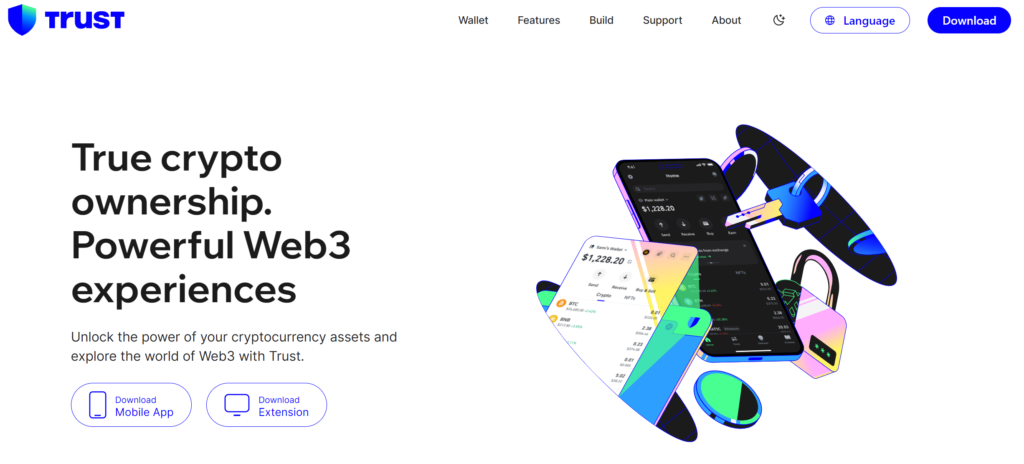
Trust Wallet is a popular mobile wallet owned by Binance. It supports staking for Solana and 25+ other cryptocurrencies with competitive APY rates.
Pros:
Supports multiple blockchains
Built-in dApp browser
Non-custodial and secure
Cons:
Limited validator choice
No desktop version
4. Ledger Live
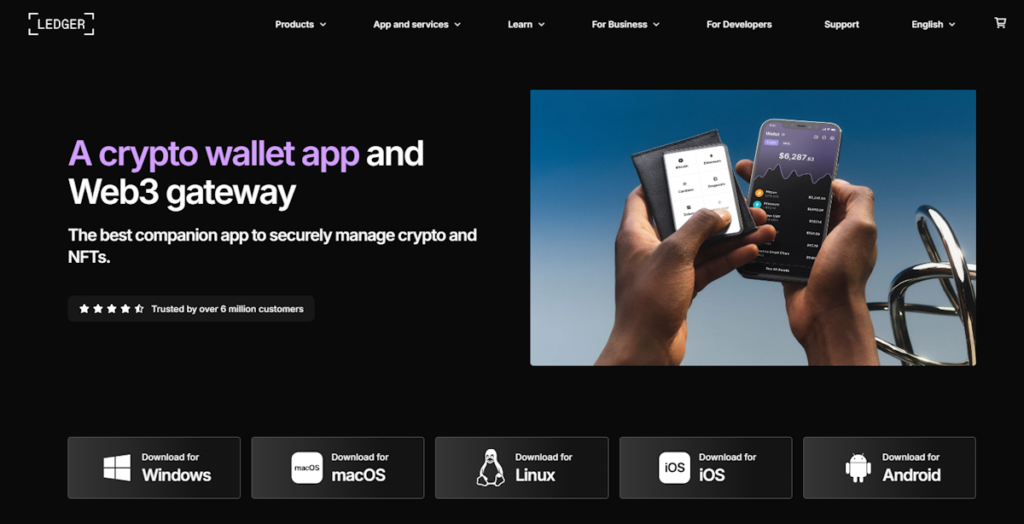
Ledger Live paired with Ledger hardware wallets offers the highest level of security for staking Solana. Supports cold staking where your assets remain offline.
Pros:
Maximum security (hardware wallet)
Supports 15+ proof-of-stake coins
Partners with institutional staking providers
Cons:
Requires purchasing physical device
Less convenient for frequent transactions
5. Exodus Wallet

Exodus is a multi-platform wallet known for its beautiful design and beginner-friendly interface. It offers integrated staking through Everstake.
Pros:
Available on desktop and mobile
Beautiful, intuitive design
Built-in exchange features
Cons:
Closed-source code
Cannot choose validators on mobile
6. Solflare Wallet

Solflare is a native Solana wallet with advanced staking analytics. It allows users to choose validators manually and supports liquid staking through Jito.
Pros:
Detailed validator statistics
Supports native and liquid staking
Ledger hardware wallet compatible
Cons:
Solana-only wallet
Steeper learning curve
7. Atomic Wallet

Atomic Wallet is a cross-platform wallet supporting 300+ cryptocurrencies. It offers built-in staking with competitive rewards and an easy-to-use interface.
Pros:
Supports multiple assets
Built-in staking without third-party tools
Available for desktop and mobile
Cons:
Closed-source
Limited dApp support
8. Jito
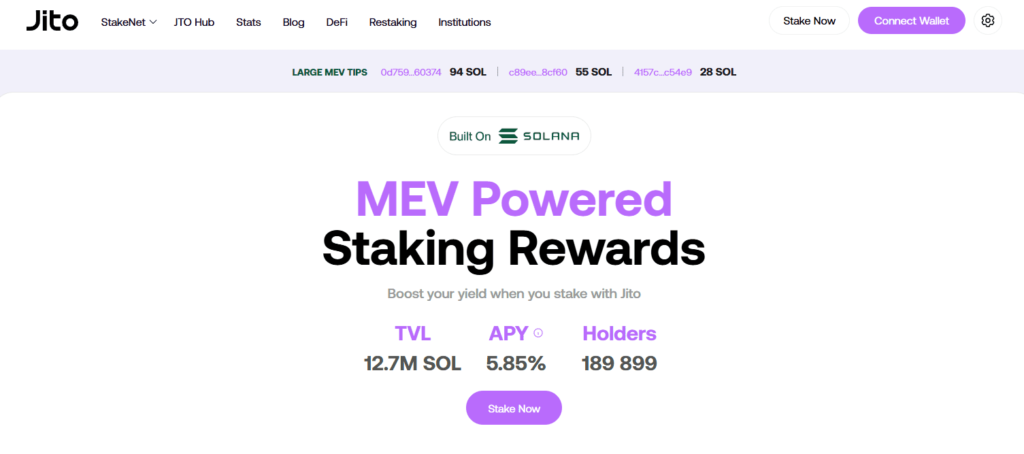
Jito is a liquid staking protocol on Solana offering MEV-boosted yields. Users receive jitoSOL tokens that can be used in DeFi while earning staking rewards.
Pros:
Liquid staking (use assets while staked)
Higher yields through MEV
Strong DeFi integration
Cons:
Requires another wallet as interface
Single protocol focus
9. Marinade Finance

Marinade is the leading decentralized liquid staking protocol on Solana. It distributes stakes across 400+ validators for optimal decentralization.
Pros:
Highly decentralized
Liquid staking with mSOL tokens
Native DeFi integration
Cons:
Requires external wallet interface
More complex than native staking
10. Tangem Wallet
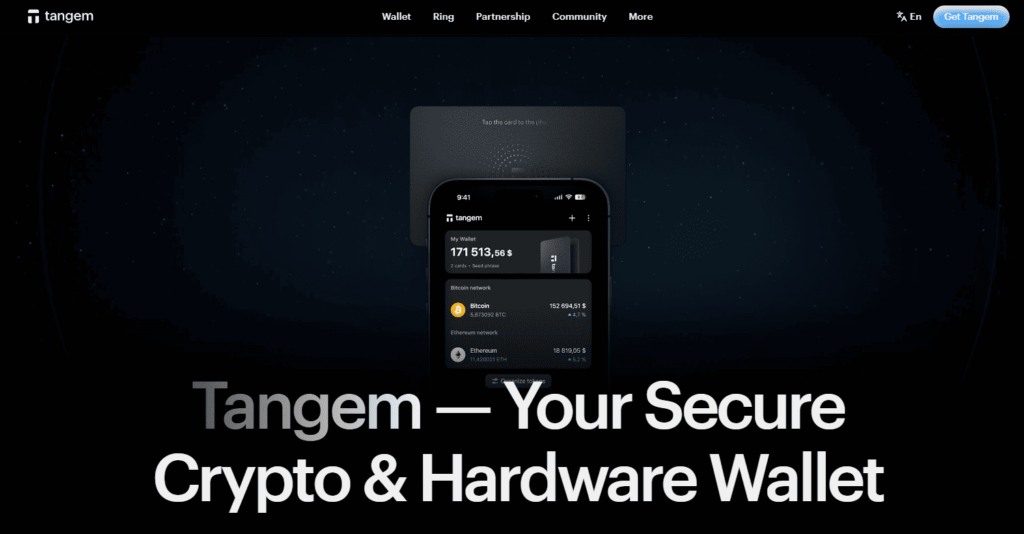
Tangem is a hardware card wallet with NFC technology. It offers cold storage security with the convenience of a mobile app. Simply tap the card to your phone to stake.
Pros:
Military-grade security (EAL6+ certified)
Portable and durable
Easy to use with NFC tap
Cons:
Not ideal for frequent trading
Limited DeFi functionality
FAQ
Most frequent questions and answers
Yes, staking crypto is still worth it in 2026 for those looking to earn passive income. However, it’s essential to consider the risks, such as staking lock-up periods and market volatility, before committing your assets.
While staking rewards can be lucrative, they come with risks, such as the potential for your staked assets to decrease in value during the lock-up period. Additionally, some staking platforms may pose security risks if not properly managed.
The answer depends on your investment strategy. Staking allows you to earn yield from staking crypto while also benefiting from long term positive changes to the value of the asset, making it a better option if you’re looking for passive income. However, holding may be a better choice if you need flexibility and want to access your assets at any time.


