


How to Buy MultiversX (EGLD) in 2026
- Updated: 2026-03-10
MultiversX (EGLD) can be purchased through self-custody wallets, dedicated MultiversX applications, centralized exchanges, and integrated fiat payment providers. Depending on the platform and country, users may be able to buy EGLD with USD, EUR, a credit or debit card, a bank transfer, Apple Pay, Google Pay, USDT, or another supported cryptocurrency.
When direct fiat-to-EGLD purchasing is unavailable, a common alternative is to buy USDT first and exchange it through an EGLD/USDT trading pair. After the purchase, users can keep EGLD on an exchange or transfer it to a compatible self-custody wallet.
This article was prepared by ilink, a FinTech and Web3 software developer with 14 years of experience and completed projects worldwide.
Quick Answer: How to Buy MultiversX
To buy MultiversX in 2026, choose a wallet or exchange supporting native EGLD, create and secure an account, and select an available payment method. Buy EGLD directly with fiat currency where supported or purchase USDT first and exchange it through an EGLD/USDT market.
The process usually involves six steps:
- Choose a platform that supports EGLD.
- Create and protect an account or wallet.
- Complete identity verification if required.
- Add USD, EUR, USDT, or another supported currency.
- Buy EGLD directly or exchange USDT for EGLD.
- Keep EGLD on the platform or transfer it to a personal wallet.
Key Takeaways
- EGLD is the native cryptocurrency of the MultiversX blockchain.
- It is used for network fees, staking, validator rewards, transfers, and activity across the MultiversX ecosystem.
- Direct buying methods may include cards, bank transfers, and integrated payment providers.
- If direct fiat purchasing is unavailable, users can buy USDT and trade it for EGLD.
- Native MultiversX addresses use the erd1 prefix.
- Users should select the native MultiversX network when withdrawing EGLD.
- Payment methods, fees, and regional availability can change.
What Is MultiversX?
MultiversX is a Layer 1 blockchain designed for payments, smart contracts, decentralized applications, and digital assets. The network uses a sharded architecture and Secure Proof of Stake consensus to distribute transaction processing across multiple parts of the network.
The project was previously known as Elrond. Its native cryptocurrency is EGLD, also called eGold.
What Is EGLD Used For?
EGLD is the primary asset of the MultiversX ecosystem. It is used to pay transaction fees, transfer value, participate in staking, secure the network, and reward validators.
Users may use EGLD to:
- Pay MultiversX network fees;
- Send value to another MultiversX address;
- Interact with supported applications;
- Delegate tokens to a staking provider;
- Participate in the wider MultiversX ecosystem;
- Buy or exchange supported MultiversX assets.
Buying EGLD is different from staking or using it in a decentralized application. Purchasing gives the user ownership of the asset, while staking and Web3 activity involve additional network, smart contract, liquidity, and lock-up risks.
Where Can You Buy MultiversX?
EGLD can be purchased through several types of services.
Wallets with Integrated Purchases
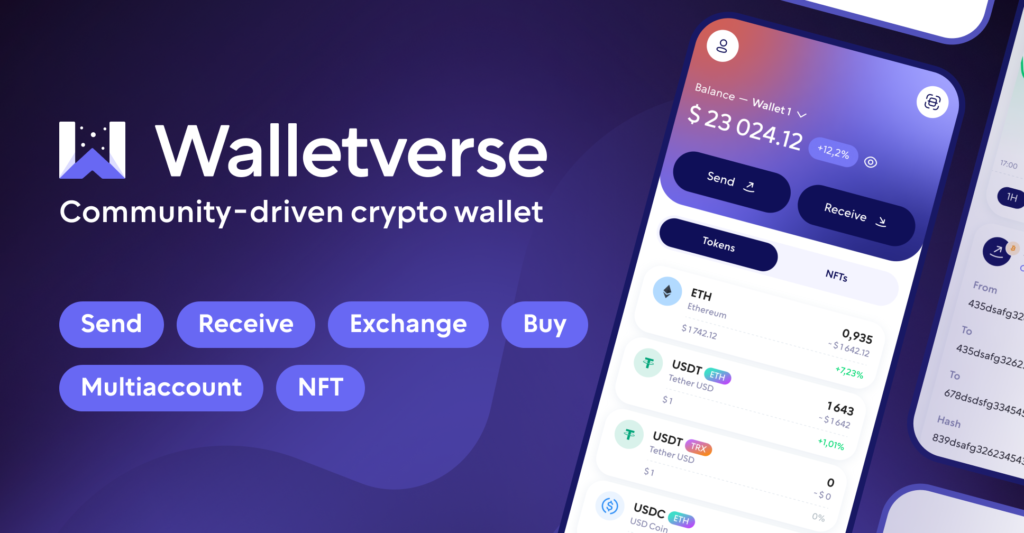
Self-custody wallets may allow users to buy EGLD through third-party fiat providers and receive it directly in a wallet they control.
Walletverse provides a dedicated EGLD wallet and describes purchase routes using cards, payment applications, or bank accounts. It is a mobile self-custody wallet supporting more than 700 cryptocurrencies, integrated exchanges, passcode security, biometric authentication, and multi-wallet management.
The official xPortal app also allows users to select Buy, choose a payment provider, and purchase EGLD using an available payment method. The provider may require identity verification before delivering EGLD to the user’s wallet.


Centralized Exchanges
Centralized exchanges allow users to create an account, deposit fiat currency or cryptocurrency, and buy EGLD through a direct purchase interface or trading pair.
The official MultiversX help center lists exchanges such as Binance, Coinbase, and Crypto.com as examples of services where users can search for EGLD and choose an available payment method. Availability depends on the country, account eligibility, and current exchange support.
Official MultiversX Providers
MultiversX also maintains a dedicated buying portal where users can compare available payment providers. The portal supports purchases by card or bank transfer, although provider fees, processing times, currencies, and regional access differ.
How to Buy MultiversX in 6 Steps
Step 1: Choose a Platform
Select a wallet, fiat provider, or exchange that currently supports native EGLD and operates in your country.
Compare:
- Direct EGLD purchase availability;
- Supported fiat currencies;
- Cards and mobile payment services;
- Bank transfer or SEPA availability;
- EGLD/USDT trading support;
- Identity verification requirements;
- Purchase, trading, and withdrawal fees;
- Native MultiversX withdrawals;
- Custodial or self-custodial storage.
Do not rely only on a search result or an old article. Confirm the current asset and payment availability directly inside the platform before depositing funds.
Step 2: Create and Secure an Account or Wallet
For a centralized exchange, register with an email address or phone number and use a unique password. Activate two-factor authentication, login notifications, withdrawal protection, and an anti-phishing code when available.
For a self-custody wallet, create a new wallet and complete its recovery process. Never share a recovery phrase, private key, password, or verification code with another person.
Wallets provide access to blockchain assets, but the assets themselves remain recorded onchain. Anyone who gains control of valid wallet credentials may be able to transfer the associated funds.
Step 3: Complete Verification if Required
Centralized exchanges and fiat payment providers commonly require identity verification before allowing card payments, bank deposits, or fiat withdrawals.
Verification can include:
- Full legal name;
- Country of residence;
- Government-issued identification;
- A photograph or liveness check;
- Proof of address;
- Payment method confirmation;
- Information about the source of funds.
Requirements vary by provider and jurisdiction. Completing verification does not guarantee that every payment method or cryptocurrency will be available.
Step 4: Add Funds
EGLD may be purchased using:
- USD or EUR;
- Credit or debit cards;
- Bank transfers;
- SEPA transfers where supported;
- Apple Pay or Google Pay through selected providers;
- USDT;
- Another supported cryptocurrency.
Cards and mobile payment methods are usually convenient but may carry higher processing costs. Bank transfers can offer lower fees but may take longer, while crypto deposits are useful for users who already own USDT.
Step 5: Buy EGLD
Search for MultiversX or the ticker EGLD.
When direct purchasing is available:
- Select EGLD.
- Enter the fiat amount.
- Choose the payment method.
- Review the provider, rate, fees, and final EGLD amount.
- Confirm the purchase.
When direct purchasing is unavailable:
- Buy or deposit USDT.
- Open the spot trading section.
- Search for EGLD/USDT.
- Enter the amount.
- Choose a market or limit order.
- Review and confirm the trade.
A market order prioritizes immediate execution at the best available price. A limit order lets the buyer define the maximum price they are willing to pay, but it may remain partially filled or unfilled.
Step 6: Store or Withdraw EGLD
After the purchase, EGLD can remain on the exchange for active trading or be transferred to a compatible personal wallet.
Possible storage options include:
- Walletverse;
- xPortal;
- MultiversX Web Wallet;
- Ledger;
- Another wallet with verified native EGLD support.
The official MultiversX Web Wallet supports receiving, sending, storing, swapping, staking, and connecting to MultiversX applications. Users can access it through a keystore file, xPortal, Ledger, or other supported credentials.
How to Buy EGLD with Walletverse
Walletverse provides a mobile self-custody environment for buying, receiving, sending, and managing EGLD alongside other supported cryptocurrencies. Its official EGLD page describes buying through cards, payment applications, and bank accounts.
A typical process is:
- Download Walletverse from an official application store.
- Create a new wallet.
- Enable passcode and biometric protection.
- Complete the wallet recovery process.
- Search for MultiversX or EGLD.
- Open the Buy section.
- Select an available fiat currency.
- Choose a card, payment application, bank transfer, or another displayed method.
- Enter the purchase amount.
- Review the provider’s rate, fees, limits, and final EGLD amount.
- Confirm the transaction.
- Check that EGLD has arrived in the wallet.
If direct fiat-to-EGLD purchasing is unavailable, users may need to buy USDT or another supported asset first and then use an available EGLD exchange route.
Payment methods and transaction quotes are supplied by integrated providers. Availability may depend on the user’s country, currency, payment method, transaction amount, and verification status.
How to Buy EGLD with USD, EUR, or a Bank Card
Users may be able to buy EGLD with USD or EUR through a wallet, exchange, or fiat provider.
The general process is:
- Open the platform’s purchase section.
- Search for EGLD.
- Select USD, EUR, or another supported currency.
- Choose a credit card, debit card, bank transfer, Apple Pay, Google Pay, or another available option.
- Enter the amount.
- Review the quote.
- Confirm the purchase.
Official MultiversX resources state that EGLD can be purchased through wallets and providers using debit or credit cards, bank transfers, and selected mobile payment options. The exact methods depend on the provider and region.
When direct purchasing is unavailable, use the fiat balance to buy USDT and exchange it through EGLD/USDT.
How to Buy EGLD with USDT
Buying EGLD with USDT is a widely used alternative to a direct fiat purchase.
The process usually includes:
- Buy or deposit USDT.
- Confirm that the selected USDT deposit network matches the platform’s instructions.
- Open the spot trading section.
- Search for EGLD/USDT.
- Choose a market or limit order.
- Enter the amount of USDT.
- Review and submit the trade.
USDT exists on several blockchain networks. Sending it through an unsupported network may result in delayed recovery or permanent loss.
After the trade, users can leave EGLD on the exchange or withdraw it through the native MultiversX network.
What Fees Apply When Buying EGLD?
The total cost of buying MultiversX may include:
Payment Provider Fee
A third-party provider may charge for card, mobile payment, or bank transfer processing.
Trading Fee
An exchange may apply a maker or taker commission when USDT is exchanged for EGLD.
Spread
The provider’s quoted purchase price can differ from the current market price.
Currency Conversion Fee
A bank or card issuer may convert the payment into another currency and charge an additional fee.
Withdrawal Fee
A centralized platform may charge a fixed amount when EGLD is transferred to an external wallet.
Network Fee
Every MultiversX transaction includes a network fee paid in EGLD.
The official MultiversX buying portal shows that fees and processing times can differ substantially between card and bank-transfer providers. Users should therefore compare the final amount of EGLD received rather than only the advertised trading commission.
How to Transfer EGLD Safely
To withdraw EGLD from an exchange or another custodial service:
- Open the receiving wallet.
- Select MultiversX or EGLD.
- Copy the receiving address.
- Open the withdrawal section of the sending platform.
- Select EGLD.
- Choose the native MultiversX network.
- Paste and verify the full address.
- Review the withdrawal fee.
- Send a small test amount.
- Confirm receipt before transferring the remaining balance.
Native MultiversX addresses use Bech32 formatting and typically begin with erd1.
Do not select Ethereum, BNB Smart Chain, or another network simply because it offers a lower fee. The sending platform and receiving wallet must support the same EGLD network and asset representation.
Keep a small amount of EGLD in the wallet to pay for future transactions.
Where Should You Store EGLD?
The best EGLD wallet depends on how frequently the asset will be used.
Walletverse
Walletverse is suitable for users who want mobile self-custody, integrated buying, exchanges, biometric authentication, and management of EGLD alongside more than 700 other supported assets.
xPortal
xPortal is the official non-custodial MultiversX mobile wallet and payments application. It supports holding, sending, swapping, buying, and staking EGLD and other MultiversX assets.
MultiversX Web Wallet
The MultiversX Web Wallet supports receiving, sending, storing, swapping, staking, and interacting with MultiversX applications. Users are responsible for securely protecting their keystore, password, secret phrase, Ledger device, or other access method.
Ledger
Ledger supports the MultiversX application for sending and receiving EGLD and MultiversX tokens. Users can connect a Ledger device to the MultiversX Web Wallet and review the destination, amount, and fee on the hardware device before signing.
Hardware storage can reduce online exposure of private keys, although users must still verify every address and transaction before approving it.
Can You Stake EGLD After Buying It?
EGLD holders can delegate tokens to a staking provider to help secure the MultiversX network and receive protocol rewards. Staking is available through supported interfaces such as xPortal, the MultiversX Web Wallet, and selected hardware-wallet integrations.
Staking involves additional considerations:
- Validator or staking-provider performance;
- Provider service fees;
- Changing reward rates;
- EGLD price volatility;
- Smart contract and operational risks;
- An unbonding period before withdrawn EGLD becomes available.
Official MultiversX guidance states that unstaked EGLD passes through an approximately 10-day unbonding period during which it does not earn rewards.
Staking rewards are not guaranteed and should not be treated as risk-free income.
Conclusion
Users can buy MultiversX in 2026 through self-custody wallets, official MultiversX payment providers, and centralized exchanges. Direct purchases with USD, EUR, bank cards, mobile payment applications, and bank transfers may be available, while USDT provides a common alternative route.
Walletverse offers a mobile self-custody option for buying, receiving, sending, exchanging, and managing EGLD alongside other supported assets. Users seeking native MultiversX functionality can also consider xPortal or the MultiversX Web Wallet, while Ledger provides hardware-based protection.
Before confirming a purchase or withdrawal, verify:
- The asset is EGLD;
- The selected network is MultiversX;
- The receiving address is correct;
- All provider and withdrawal fees;
- The final amount received;
- Whether a small test transaction is appropriate.
EGLD remains a high-risk crypto asset. Users should conduct independent research, protect their wallet credentials, and avoid investing money they cannot afford to lose.
FAQ
Most frequent questions and answers
Elrond was rebranded as MultiversX, while EGLD remained the network’s native cryptocurrency. EGLD may interest investors who believe in the long-term adoption of MultiversX, but it remains a volatile asset affected by ecosystem activity, competition, regulation, liquidity, and broader market conditions.
EGLD has long-term utility for transaction fees, staking, network security, transfers, and applications within the MultiversX ecosystem. However, technical development and staking demand do not guarantee price growth, so buyers should independently assess the project’s adoption, risks, and suitability for their investment strategy.
EGLD, also called eGold, is the native utility cryptocurrency of the MultiversX blockchain, previously known as Elrond. It is used to pay network fees, transfer value, participate in staking, reward validators, and interact with applications and assets across the MultiversX ecosystem.


