


Buy Orion (ORN) with USD, EUR and Other Fiat Currencies
Orion (ORN) is one of the older altcoins still circulating in the crypto market, and it continues to attract interest from users looking for smaller-cap tokens with exchange, liquidity, and aggregator narratives.
If you want to buy ORN with USD, EUR, GBP, CAD, AUD, INR, JPY, KZT, or other fiat currencies, the easiest route is usually a wallet with a built-in fiat on-ramp and support for token swaps. In many regions, the most practical method is to buy a liquid asset such as ETH or USDT with fiat first and then swap it into ORN. That is especially useful for smaller-cap tokens whose direct fiat purchase options can be inconsistent across providers.
This article was prepared by ilink, a FinTech and Web3 software developer with 13 years of experience and completed projects worldwide.
What Is Orion (ORN)?
Orion is the token associated with Orion Protocol, a project that originally positioned itself as a way to aggregate liquidity from centralized and decentralized exchanges into a single platform. In simple terms, Orion’s goal was to make trading more connected by letting users reach multiple liquidity sources through one ecosystem rather than switching manually between venues. That original market position is the reason ORN is still recognized by many traders, even though it is now a much smaller asset than during its peak market cycle.
From a market-data perspective, ORN now sits firmly in the micro-cap category. CoinGecko lists Orion with a circulating supply of about 34 million ORN and a market cap around $1.17 million, while Coinbase’s converter page shows a circulating supply of 34.43 million ORN and a market cap around $1.26 million to $1.50 million, depending on the page view and update time.
ORN has also fallen far from its earlier highs. MetaMask’s live price page lists Orion’s all-time high at $29.25, while the current price is around $0.03, which shows how sharply sentiment and liquidity have changed since the token’s strongest cycle. That does not make ORN irrelevant, but it does make it a clearly speculative asset with higher risk than large-cap tokens.
For buyers, the practical takeaway is simple: ORN is a small-cap crypto token that may appeal to users looking for higher-upside speculative assets, but it should be treated as volatile and relatively illiquid compared with major coins.
Where Can I Buy Orion (ORN) with Cash? 10 Best Crypto Wallets
1. Walletverse
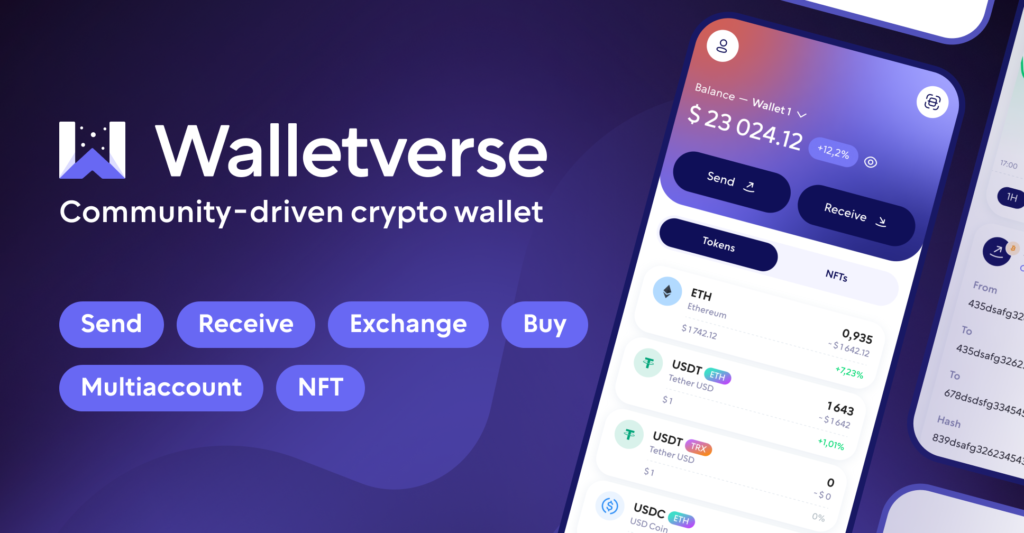
Walletverse is a mobile-first, non-custodial wallet designed for users who want to buy, store, send, and swap crypto in one place. Based on the product information you provided, it supports 700+ cryptocurrencies, multiple accounts, dApps, and fiat purchases through Apple Pay, Google Pay, bank cards, and multiple fiat currencies including USD and EUR. It is built for both beginners and more experienced users, with passcode and biometric protection, plus a self-custody model where the user remains in control of assets.
For ORN buyers, Walletverse is a strong fit because it combines fiat access with in-app asset management and token swaps. If direct ORN purchase is unavailable in a specific region, the practical route is to buy ETH or USDT and then swap into ORN inside the wallet flow.
Pros
- Mobile-first and easy to use;
- Non-custodial with passcode and biometric security;
- Supports many fiat payment methods and currencies;
- Good for buying, swapping, and holding altcoins in one app.
Cons
- Mobile-only format may not suit desktop-first users;
- Direct fiat support for specific smaller tokens can vary by provider.



2. MetaMask

MetaMask remains one of the best-known wallets for Ethereum and token-based assets. Its official buy pages show support for cards, Apple Pay, Google Pay, PayPal, Venmo, wire transfer, and bank transfer in supported markets. That makes it a practical option for buying a base asset and swapping into ORN.
Pros
- Strong Web3 and token support;
- Broad payment-method coverage in supported regions;
- Good for users comfortable with swaps and on-chain tools.
Cons
- Less beginner-friendly than some simpler mobile wallets;
- Fees and routing can vary by provider and network conditions.
3. Trust Wallet

Trust Wallet is a self-custody wallet known for broad asset coverage, token swaps, dApp access, and fiat on-ramp options via third-party partners. It suits users who want a mobile wallet with room to grow into broader Web3 usage beyond basic storage.
Pros
- Broad token coverage;
- Easy mobile experience;
- Good balance of wallet, swap, and Web3 functionality.
Cons
- Fiat options depend on region and partner availability;
- Interfaces can feel crowded for first-time users.
4. TokenPocket
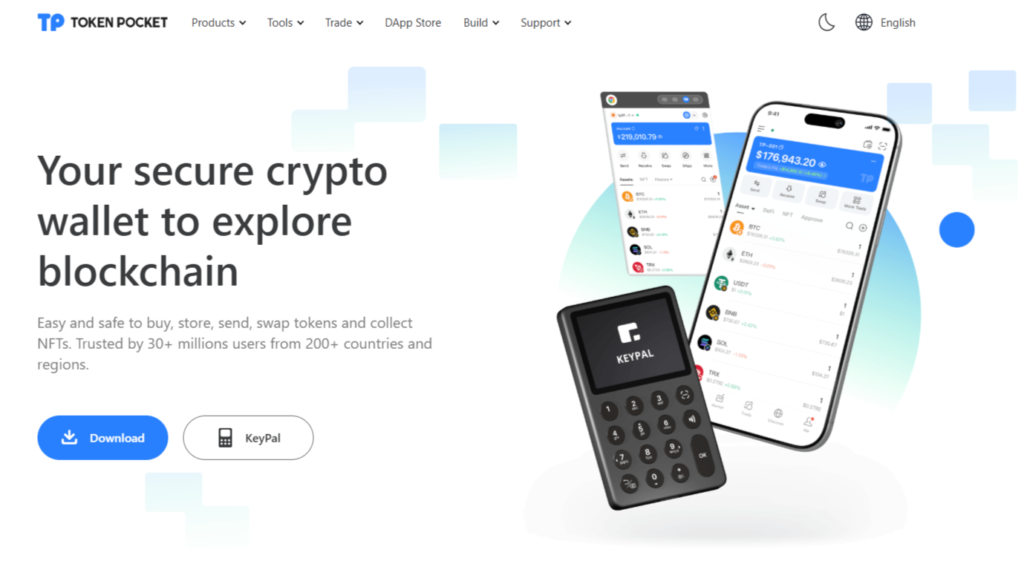
TokenPocket is better suited for users already comfortable with wallets, swaps, and on-chain tools. It supports Ethereum-style assets and broader Web3 functionality.
Pros
- Good for active Web3 users;
- Built-in token management and swaps;
- Useful for users beyond simple buy-and-hold.
Cons
- Less intuitive for complete beginners;
- Better suited to users who know wallet basics already.
5. Zengo

Zengo uses an MPC-based security model instead of a standard seed phrase, which some users find easier and safer. It is a good option for mobile-first buyers who want an easier recovery experience.
Pros
- Simple recovery model;
- Beginner-friendly security approach;
- Good for mobile users.
Cons
- Less customizable than traditional seed-phrase wallets;
- Advanced users may prefer more manual control.
6. Coinbase Wallet

Coinbase Wallet works well for users who already know the Coinbase ecosystem and want a simpler path from exchange-style buying into self-custody. Coinbase also maintains active ORN pricing and converter pages, which makes market tracking easier for less experienced buyers.
Pros
- Familiar for Coinbase users;
- Good beginner-to-intermediate experience;
- Easy bridge from centralized platform usage to self-custody.
Cons
- Less flexible than some DeFi-native wallets;
- Direct in-wallet fiat features vary by region and linked services.
7. Exodus

Exodus is a polished wallet across desktop and mobile, known for clean design and integrated buy-and-swap functionality. It is a solid option for users who want a more portfolio-style experience rather than a highly technical wallet.
Pros
- Clean interface;
- Good multi-device experience;
- Useful for storing and swapping a wide range of assets.
Cons
- Less configurable for advanced DeFi users;
- Fiat partner pricing can vary.
8. Guarda

Guarda supports web, desktop, mobile, and extension access, with broad token coverage and easy buying and exchange flows. It is useful for buyers who want flexibility across devices.
Pros
- Multi-platform;
- Broad asset coverage;
- Easy buy and exchange workflow.
Cons
- Interface is less streamlined than some mobile-first competitors;
- Token-specific purchase availability depends on providers.
9. Atomic Wallet

Atomic Wallet is a non-custodial wallet with broad asset coverage and fiat purchase support through partners. It is often used by mainstream users who want a simple route from card purchase to wallet storage.
Pros
- Beginner-friendly purchase flow;
- Broad asset support;
- Non-custodial design.
Cons
- Fewer advanced Web3 tools;
- Fiat features rely on external partners.
10. SafePal

SafePal is attractive for users who care more about security and may eventually want a hardware-wallet path. It supports Ethereum-compatible assets and a mix of software and hardware usage.
Pros
- Strong security positioning;
- Hardware upgrade path;
- Good for long-term holders who want more control.
Cons
- More setup than beginner-first wallets;
- Less intuitive for casual users.
Buy ORN with Apple Pay
The easiest Apple Pay path is usually not a direct fiat purchase of ORN itself. In most cases, the practical route is:
- Open a wallet that supports Apple Pay;
- Buy ETH, USDT, or another supported liquid asset;
- Swap that asset into ORN.
MetaMask explicitly lists Apple Pay among its supported purchase methods in supported regions, and Walletverse also supports buying crypto with Apple Pay based on your product information. That makes mobile wallets especially convenient for users who want to go from fiat to altcoin exposure without extra transfer steps.
For Walletverse users, Apple Pay is a practical way to fund the wallet with a supported base asset and then swap into ORN if direct ORN purchase is not available from the local fiat provider.
Buy ORN with Google Pay
Google Pay follows the same logic. Instead of assuming that every wallet provider sells ORN directly for fiat, it is usually safer to use Google Pay to buy a supported base asset first and then swap it into ORN.
MetaMask’s buy-crypto pages include Google Pay support in supported markets, and Walletverse also supports Google Pay as part of its fiat purchase flow based on your wallet details.
This route is often one of the simplest for smaller-cap tokens because it keeps the entire process inside one wallet environment.
How to Buy The Orion (ORN) with Fiat
1. Choose a Wallet
Pick a wallet that supports token swaps and fiat on-ramp options, such as Walletverse, MetaMask, Trust Wallet, Coinbase Wallet, or another option from the list above.
2. Create and Secure the Wallet
Set up the wallet, back up the recovery method if needed, and enable security tools such as biometrics or passcode. Walletverse, for example, is built around self-custody with passcode and biometric protection.
3. Buy a Supported Base Asset with Fiat
Use USD, EUR, GBP, CAD, AUD, INR, JPY, KZT, or another available fiat currency to buy ETH, USDT, or another supported liquid asset using card, Apple Pay, Google Pay, or bank transfer.
4. Swap into ORN
Once the asset reaches your wallet, swap it into ORN. This is usually the easiest route for small-cap tokens that may not be listed as a direct fiat-buy option everywhere.
5. Hold or Transfer ORN
After the swap, you can keep ORN in your wallet, send it to another address, or move it to another self-custody setup if preferred.
A useful note: your total buying cost usually includes not just the token price, but also fiat-provider fees, spread, and possible network fees.
Conclusion
Orion (ORN) is a much smaller crypto asset today than it was during its peak cycle, but it still attracts attention from users looking for speculative altcoins connected to exchange and liquidity narratives. With a circulating supply near 34.4 million ORN and a market cap near $1 million to $1.5 million on April 13, 2026, it clearly sits in the high-risk small-cap segment of the market.
For most users, the easiest way to buy ORN with USD, EUR, and other fiat currencies is through a wallet with a built-in on-ramp and token swap flow. Walletverse is especially practical here if you want a mobile, self-custodial option with simple funding, swaps, and day-to-day asset management.
FAQ
Most frequent questions and answers
ORN is best viewed as a small-cap speculative token. It has an established name and history in crypto, but current market data shows that it is far below earlier highs and trades with a relatively small market cap. That can appeal to high-risk buyers, but it also means much higher volatility than large-cap assets.
The easiest route is to use a wallet with a fiat on-ramp, buy a base asset such as ETH or USDT with USD, and then swap it into ORN. In Walletverse, that can be done inside a self-custody mobile wallet that supports fiat purchases, swaps, and secure token storage.
You can use wallets such as Walletverse, MetaMask, Trust Wallet, Coinbase Wallet, Exodus, Guarda, SafePal, TokenPocket, Atomic Wallet, or Zengo. Walletverse is especially convenient if you want a mobile-first and beginner-friendly self-custody option.
You can buy ORN through wallets and platforms that support token swaps and small-cap assets, for example Walletverse. In practice, many users buy a supported liquid asset first and then swap into ORN, especially when direct fiat-buy support is limited.
Yes. Walletverse is a self-custodial wallet built for buying, storing, sending, and swapping multiple crypto assets, so it can be used to fund with fiat, swap into ORN, and hold the token afterward.


