


Buy LeverFi (LEVER) with USD, EUR and Other Fiat Currencies
LeverFi (LEVER) is a crypto asset originally connected with the LeverFi DeFi ecosystem, which focused on on-chain leveraged trading, yield-bearing collateral, and capital efficiency for advanced crypto users.
This article was prepared by ilink, a FinTech and Web3 software developer with 14 years of experience and completed projects worldwide.
What is LeverFi (LEVER)?
LeverFi was created as a decentralized leveraged trading protocol that allowed users to deposit collateral, trade with leverage, and potentially earn yield on deposited assets. Instead of keeping collateral idle, the protocol was designed to route eligible assets into yield strategies while traders used those assets as collateral for leveraged positions.
Binance Academy described the idea clearly: LeverFi allowed traders to “earn yields and leverage trades at the same time.” This made LeverFi different from simple spot trading platforms because it combined collateral management, trading, borrowing, yield strategies, and risk control in one DeFi environment.
LeverFi became known after the rebranding and token migration of RAMP DeFi. In 2022, Binance supported the RAMP token swap and rebranding plan, where users received 35 LEVER for every 1 RAMP. Binance also stated that the maximum token supply of LEVER would be 35 billion under that original redenomination plan.
The LEVER token was used as part of the LeverFi ecosystem and was connected with governance. In simple terms, governance tokens usually give holders a role in protocol-related decisions, voting, ecosystem changes, or future development direction, depending on the project’s rules.
Later, LeverFi moved through another major transition. Public market sources now state that LeverFi has rebranded to Sedunia and migrated from LEVER to SED at a 25:1 swap ratio. CoinMarketCap notes that “LeverFi (LEVER) has rebranded to Sedunia (SED),” while official migration notices stated that users needed to complete migration before the final deadline.
This means users should be careful with outdated LEVER contract addresses, old exchange pages, and inactive trading pairs. In crypto, rebrands and token migrations can create confusion because old tickers may still appear in search engines, market trackers, and wallet interfaces.
The wider crypto market also explains why fiat access remains important. Statista expects the number of cryptocurrency users worldwide to reach more than 993 million in 2026. Chainalysis also reported that India, the United States, Pakistan, Vietnam, and Brazil led its 2025 Global Crypto Adoption Index. These trends show that more users are entering crypto through fiat payment methods, mobile wallets, exchanges, stablecoins, and local on-ramp providers.
For LeverFi and its migrated ecosystem, users should check several things before buying:
- Whether the platform lists LEVER, LEVER [OLD], or SED.
- Whether the token contract is current and officially supported.
- Whether deposits and withdrawals are active.
- Whether liquidity exists for the selected trading pair.
- Whether the wallet supports the correct network.
- Whether the token has already been delisted or migrated on that platform.
LeverFi can be relevant for users researching DeFi history, leveraged trading infrastructure, token migrations, and governance-based crypto ecosystems. However, due to the migration to Sedunia, users should avoid rushing into any transaction without checking current official project information and exchange support.
Where Can I Buy LeverFi (LEVER) Cash - 10 Best Crypto Wallets
1. Walletverse
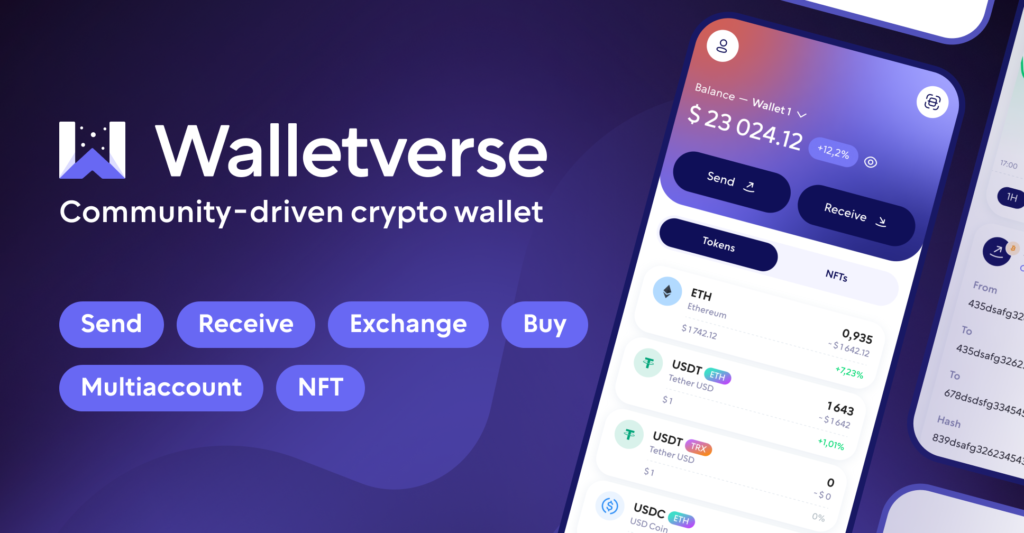
Walletverse is a mobile self-custody crypto wallet for users who want to buy, store, send, exchange, and manage crypto in one app. It supports 700+ cryptocurrencies and is available on Google Play and the App Store.
The wallet is designed for both beginners and advanced users. It combines a clean mobile interface with Web3 access, DeFi tools, dApps, multi-account support, fiat purchase options, swaps, AML tools, and strong everyday security features. Users can buy crypto with Apple Pay, Google Pay, credit or debit cards, and fiat currencies such as USD, EUR, GBP, JPY, KZT, INR, CAD, AUD, and others.
Walletverse is non-custodial, which means users control their own assets. Private keys stay with the user, while passcode and biometric authentication help protect wallet access. The wallet also includes a proprietary GasFree USDT transaction system on TRON, allowing users to send USDT without holding TRX for gas fees.
For users searching for LEVER, Walletverse can be useful as a mobile entry point into crypto. If direct LEVER or SED support is not available through a provider, users can buy a more liquid asset first and then use a supported swap route after checking the correct token contract.
Pros:
- Supports 700+ cryptocurrencies and many fiat purchase options;
- Allows users to buy crypto with Apple Pay, Google Pay, cards, and multiple fiat currencies;
- Non-custodial model gives users control over their assets;
- Passcode and biometric authentication improve wallet protection;
- Supports dApps, multi-account management, swaps, and staking for Solana, ETH, and TRX;
- GasFree USDT transfers on TRON reduce friction for users who do not hold TRX.
Cons:
- Direct LEVER or SED availability may depend on provider and liquidity support;
- Mobile-only format may not suit users who prefer desktop wallets;
- Fiat purchase fees vary by country, currency, and payment provider.



2. MetaMask

MetaMask is one of the most widely used wallets for Ethereum and EVM-compatible networks. Since the original LEVER token was connected with Ethereum, MetaMask may be useful for users who need to manage ERC-20 tokens or add custom assets manually.
MetaMask also supports crypto purchases through third-party providers. Users can select their region, currency, token, network, and payment method, including cards, bank transfers, Apple Pay, Google Pay, PayPal, and local methods where available.
For LEVER-related activity, MetaMask users must be especially careful with token contracts. If a token has migrated, adding the old contract may show an outdated asset that is no longer actively supported.
Pros:
- Strong support for Ethereum and ERC-20 tokens;
- Works with many DeFi platforms, DEXs, and Web3 apps;
- Supports fiat on-ramp options in many regions;
- Available as a browser extension and mobile app.
Cons:
- Direct LEVER or SED buying may not be available in every region;
- Users must understand gas fees, networks, and contract addresses;
- Wrong token contract selection can lead to confusion or loss of funds.
3. Trust Wallet

Trust Wallet is a multi-chain self-custody wallet that supports digital assets, NFTs, dApps, and Web3 activity. It is popular among users who want a mobile wallet with broad network coverage and simple access to crypto tools.
Trust Wallet supports fiat crypto purchases through partners and has added Apple Pay and Google Pay options in supported regions. This makes it convenient for users who want to buy crypto quickly from a mobile device.
For LEVER, users should check whether the app supports the old token, the migrated SED token, or neither. If direct purchase is unavailable, users may buy another crypto asset first and then swap through a verified route.
Pros:
- Beginner-friendly mobile wallet;
- Supports many blockchains, tokens, NFTs, and dApps;
- Offers Apple Pay, Google Pay, and card-based buying through partners;
- Self-custody model gives users control of private keys.
Cons:
- Direct LEVER or SED support may depend on current token listings;
- Provider fees and limits vary by region;
- Users need to verify the correct token contract before receiving assets.
4. Bybit Wallet

Bybit Wallet is a Web3 wallet connected with the Bybit ecosystem. It supports decentralized applications, swaps, multi-chain assets, and integration with exchange services.
For users looking for LEVER, Bybit may be relevant if the token or its migrated version is supported in their region. However, because exchange listings can change after rebrands, users should check current availability before depositing or trading.
Bybit Wallet can also be useful for users who want to buy a major asset with fiat first and then move through a supported swap route.
Pros:
- Connected with a large crypto trading ecosystem;
- Supports Web3 access and multi-chain activity;
- Useful for users who already use Bybit;
- Can help users combine exchange and wallet activity.
Cons:
- LEVER or SED support may differ by region;
- Some services require KYC;
- Users should check whether deposits and withdrawals are active before sending funds.
5. SafePal

SafePal offers software and hardware wallet options for users who want to manage digital assets with stronger storage flexibility. It supports many blockchains, tokens, NFTs, swaps, dApps, and fiat purchase providers.
SafePal can be useful for users who want to hold assets in a mobile wallet while also having the option to use hardware-based security. For migrated or legacy tokens like LEVER, users should carefully check whether the wallet supports the correct contract and whether the token is active.
Pros:
- Offers both software wallet and hardware wallet options;
- Supports many networks, tokens, NFTs, and dApps;
- Includes swap and fiat purchase access through partners;
- Suitable for users who want stronger long-term storage options.
Cons:
- Direct LEVER or SED buying may not be available;
- Hardware wallet setup adds extra steps;
- Users must verify token contracts manually for custom assets.
6. Binance Web3 Wallet

Binance Web3 Wallet is built into the Binance ecosystem and is designed for users who want exchange access, Web3 activity, swaps, and decentralized tools from one app environment.
Historically, Binance supported the original RAMP to LEVER migration, which made it an important platform in the early LEVER story. However, exchange availability changes over time, especially after token migrations, delistings, or rebrands. Users should check current Binance support before trying to buy or deposit LEVER.
If direct LEVER or SED buying is unavailable, users may still use Binance to buy a major asset with fiat and then transfer it to another wallet or swap route where the correct token is supported.
Pros:
- Connected with a major global exchange ecosystem;
- Useful for users who already buy crypto through Binance;
- Supports Web3 access, swaps, and dApps;
- Offers fiat purchase methods in many supported regions.
Cons:
- LEVER availability may change after migrations or delistings;
- Some features require identity verification;
- Regional restrictions can limit available payment methods and assets.
7. Ledger Live

Ledger Live is used with Ledger hardware wallets and is suitable for users who prioritize self-custody and offline private key protection. It supports many crypto assets and can be connected to third-party services for buying, swapping, and managing tokens.
For LEVER or SED, Ledger users should check whether the asset is supported directly or whether it must be managed through an Ethereum or BNB Smart Chain-compatible wallet connection. This may require more technical care than a simple mobile wallet.
Ledger Live is usually better for users who already understand self-custody and want stronger long-term storage rather than fast beginner onboarding.
Pros:
- Hardware wallet protection keeps private keys offline;
- Useful for long-term storage;
- Supports many assets and third-party integrations;
- Can connect with compatible Web3 wallets for broader access.
Cons:
- Setup is more complex than a mobile wallet;
- Direct fiat purchase routes depend on integrated providers;
- Managing migrated tokens may require manual network and contract checks.
8. Bitget Wallet

Bitget Wallet is a non-custodial Web3 wallet that supports multi-chain assets, dApps, token swaps, market tools, and payment features. It is built for users who want access to crypto markets and decentralized applications from a mobile wallet.
Bitget Wallet also supports crypto payment products, and its card can be linked to Apple Pay, Google Pay, PayPal, and other payment providers in selected regions. This makes it relevant for users who want to connect crypto holdings with real-world payment flows.
For LEVER, users should confirm current support inside the wallet and check whether the asset has migrated to SED before making a transaction.
Pros:
- Supports many blockchains, tokens, and Web3 tools;
- Includes swap, market, dApp, and payment features;
- Offers payment integrations in selected regions;
- Useful for active users who want mobile Web3 access.
Cons:
- LEVER support may depend on token migration status and liquidity;
- Fiat and card features vary by country;
- Advanced features may feel complex for beginners.
9. OKX Wallet

OKX Wallet is a Web3 wallet connected with the broader OKX app ecosystem. It supports multi-chain assets, swaps, dApps, NFTs, and integration with centralized and decentralized trading tools.
OKX supports crypto purchases with fiat in many markets and has guides for Apple Pay and Google Pay purchases in supported regions. This makes it useful for users who want both exchange-style access and Web3 wallet functionality.
For LeverFi-related assets, users should check whether OKX supports LEVER, SED, or a swap route involving another asset such as USDT.
Pros:
- Combines exchange access and Web3 wallet functionality;
- Supports many digital assets and fiat currencies;
- Offers Apple Pay and Google Pay in selected regions;
- Useful for users who want CEX and DEX activity in one app.
Cons:
- LEVER or SED availability depends on current listings;
- Some features require account verification;
- Availability may differ between countries.
10. Coinbase Wallet

Coinbase Wallet is a self-custody wallet that supports Ethereum assets, Web3 apps, NFTs, and decentralized activity. It is separate from the main Coinbase exchange app, which is custodial.
Coinbase Wallet can be useful for users who want to manage ERC-20 assets independently. However, users should not assume that Coinbase Wallet automatically means Coinbase exchange supports the same asset for direct fiat purchase.
For LEVER-related tokens, users should verify the current token contract and check whether the asset has migrated before importing it into the wallet.
Pros:
- Self-custody wallet with Ethereum and Web3 support;
- User-friendly interface for beginners;
- Works with dApps and NFTs;
- Good option for users familiar with the Coinbase ecosystem.
Cons:
- Direct LEVER or SED buying may not be available;
- Exchange availability and wallet support are different things;
- Users must avoid importing outdated contracts without verification.
Buy LeverFi (LEVER) Apple Pay
Buying LeverFi with Apple Pay may be possible only if a wallet, exchange, or fiat provider supports the correct token in your country. Because LeverFi has migrated to Sedunia, users should first check whether they are buying LEVER, LEVER [OLD], or SED.
In many cases, the Apple Pay route looks like this:
- Open a wallet or exchange app that supports Apple Pay.
- Go to Buy Crypto.
- Select your fiat currency, such as USD, EUR, GBP, CAD, or AUD.
- Search for LEVER or SED.
- Check whether the token is current and supported.
- Select Apple Pay as the payment method.
- Review the exchange rate, provider fee, network fee, and final amount.
- Confirm the purchase with Face ID, Touch ID, or device passcode.
- Store the asset in a secure wallet after purchase.
If LEVER or SED is not available for direct Apple Pay purchase, a common alternative is to buy USDT, ETH, BNB, or another liquid asset first. After that, users can swap through a supported route if the correct token is available.
Walletverse supports crypto purchases with Apple Pay in supported regions, along with card and fiat payment options. This makes it useful for users who want a mobile-first wallet for buying crypto, storing assets, and accessing swaps from one app.
Buy LeverFi (LEVER) with Google Pay
Google Pay can make crypto purchases faster because users can pay with a saved card instead of entering card details manually. However, direct LEVER buying through Google Pay depends on the app, country, provider, and token support.
A typical Google Pay purchase flow includes:
- Open a crypto wallet or exchange app that supports Google Pay.
- Select Buy Crypto.
- Choose your fiat currency.
- Search for LEVER or SED.
- Confirm that the token is current and supported.
- Select Google Pay as the payment method.
- Review fees, limits, spread, and network details.
- Confirm the transaction.
- Store the asset safely in a self-custody wallet or supported exchange account.
If LEVER is no longer available because of the migration, users should check whether SED is the correct asset instead. If neither is available for direct fiat purchase, users can buy another supported crypto asset first and then swap through a verified route.
Walletverse supports Google Pay for crypto purchases in supported regions. Users can buy crypto with fiat, store assets in a non-custodial wallet, use biometric protection, and manage multiple crypto accounts from a mobile app.
How to Buy The LeverFi (LEVER) with Fiat?
The safest way to buy LeverFi with fiat starts with checking the token’s current status. Since LeverFi has been rebranded to Sedunia, users should verify whether they need LEVER, LEVER [OLD], or SED before making any payment.
Here is a practical step-by-step process:
1. Check the current token status.
Search official project channels, market trackers, and exchange notices to confirm whether LEVER is still active on your chosen platform or whether the correct asset is now SED.
2. Choose a wallet or exchange.
Select a crypto app that supports fiat purchases and the correct asset route. Walletverse, MetaMask, Trust Wallet, OKX Wallet, Bitget Wallet, SafePal, Binance Web3 Wallet, Bybit Wallet, Coinbase Wallet, and Ledger Live are examples users may review.
3. Create or access your wallet.
If you use a self-custody wallet, create a wallet and safely back up your seed phrase. Never share it with anyone. If you use a centralized exchange, complete registration and verification if required.
4. Select your fiat currency.
Choose USD, EUR, GBP, CAD, AUD, INR, JPY, KZT, or another supported local currency.
5. Search for the asset.
Look for LEVER, LEVER [OLD], or SED. If the app shows more than one option, check the token contract and migration status before selecting it.
6. Choose a payment method.
Depending on the app and region, you may see credit card, debit card, bank transfer, Apple Pay, Google Pay, or local payment providers.
7. Review the total cost.
Check the provider fee, network fee, spread, exchange rate, and final token amount. The cheapest option is often a bank transfer or low-fee fiat provider, but this depends on location and platform.
8. Confirm the purchase.
Complete the payment only after verifying the correct token and network.
9. Swap if needed.
If direct LEVER or SED purchase is not available, buy USDT, ETH, BNB, or another liquid asset first. Then use a supported swap route, checking liquidity, slippage, network fees, and contract address.
10. Store the asset securely.
For long-term storage, use a secure wallet. Walletverse is one option for users who want mobile self-custody, fiat buying, Apple Pay, Google Pay, swaps, dApps, biometric access, and multi-currency asset management.
Conclusion
LeverFi (LEVER) was originally connected with a DeFi ecosystem focused on leveraged trading, yield-bearing collateral, and governance. It has since gone through a major rebrand and migration to Sedunia, which means users should be very careful when searching for ways to buy LEVER with USD, EUR, GBP, CAD, AUD, INR, JPY, KZT, and other fiat currencies.
The most important step is verification. Before buying, users should check whether the platform supports LEVER, LEVER [OLD], or SED, confirm the correct contract, review liquidity, and compare payment fees.
Walletverse can be a practical option for users who want a mobile self-custody crypto wallet with fiat purchase methods, Apple Pay, Google Pay, card payments, swaps, dApps, multi-account support, biometric protection, and 700+ supported cryptocurrencies.
Data current as of June 11, 2026.
FAQ
Most frequent questions and answers
LEVER may be interesting for users researching DeFi, leveraged trading, governance tokens, and crypto project migrations. However, LeverFi has rebranded to Sedunia, so users should check the current token status before buying. Like any crypto asset, it carries risk and should be researched carefully.
You can buy LEVER with USD only if your chosen platform still supports the correct asset. If direct buying is unavailable, users may buy USDT, ETH, or BNB with USD first and then swap through a supported route. Walletverse can help users buy crypto with fiat and manage assets in a self-custody mobile wallet.
You can use a wallet that supports the correct network and token contract. MetaMask, Trust Wallet, SafePal, Ledger Live, and Coinbase Wallet may support custom assets, while Walletverse can be useful for users who want mobile self-custody, fiat buying, swaps, and multi-currency asset management. Always check whether you need LEVER, LEVER [OLD], or SED.
LEVER was previously available on selected centralized and decentralized exchanges, but its availability has changed because of the migration to Sedunia. Some platforms may show old LEVER pages, while others may support SED instead. Before buying, check current listings, deposit status, withdrawal status, and the correct token contract.
The cheapest way is usually to compare payment methods before confirming. Bank transfers often cost less than instant card purchases, while swaps can include network fees and slippage. In Walletverse and other wallets, users should compare provider fees, exchange rates, and network costs before choosing the final route.
LEVER or its migrated version may be available through selected platforms that support EUR payments. If direct EUR purchase is unavailable, users can buy USDT, ETH, or BNB with EUR first and then swap through a supported route. Always confirm whether the correct asset is LEVER or SED.
Some crypto apps and exchanges support card purchases, but direct LEVER availability depends on the provider and token status. If LEVER is not listed, users may buy another supported asset with a card and then swap it if a verified route exists.
Creating a self-custody wallet usually does not require KYC, but fiat purchases through cards, Apple Pay, Google Pay, bank transfers, and regulated providers often require identity checks. KYC rules depend on region, provider, payment method, and transaction size.
Yes, Walletverse is designed for both beginners and advanced users. It offers a mobile-first interface, self-custody, passcode and biometric protection, fiat buying, swaps, dApps, staking options, and support for 700+ cryptocurrencies.
Before buying LEVER, check whether the token has migrated, whether the platform supports LEVER or SED, whether deposits and withdrawals are active, and whether the contract address is correct. You should also review fees, liquidity, network support, and wallet security before confirming a transaction.


