Bitcoin SV (BSV) Cryptocurrency Wallet Walletverse
Manage Bitcoin SV (BSV) in Walletverse — a non-custodial crypto wallet app designed for secure and simple crypto management.
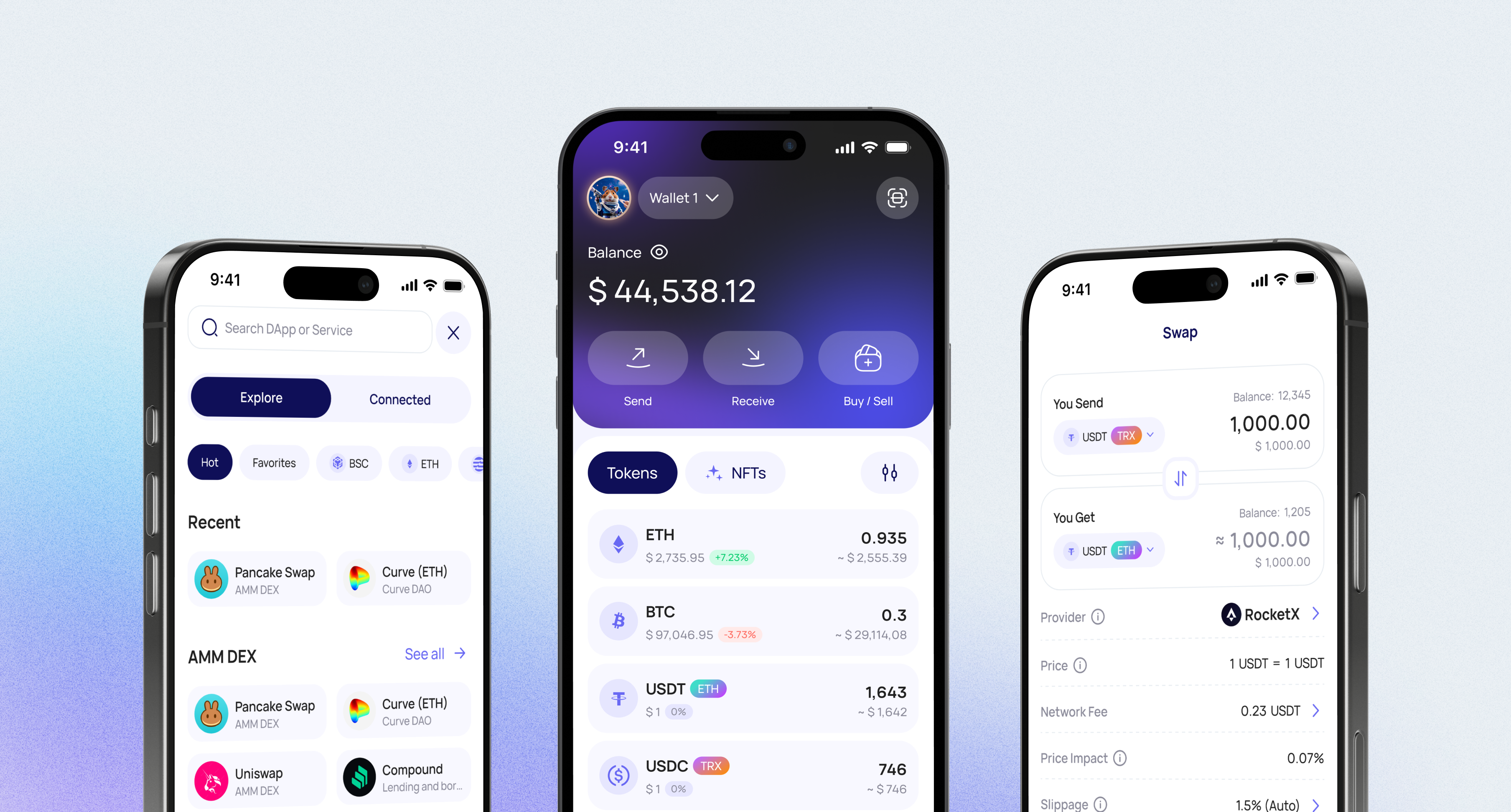
With Walletverse, you can store, send, receive, and swap BSV directly from your mobile device while keeping control of your assets. If you’re looking for a BSV wallet that combines self-custody, mobile convenience, and multi-asset support, Walletverse is a practical choice for everyday crypto use.
Walletverse supports 700+ cryptocurrencies and tokens, making it easy to manage BSV alongside the rest of your portfolio in one app.
Featured in:
What is Bitcoin SV (BSV), and How Does It Work?
Bitcoin SV (BSV) is a blockchain and cryptocurrency that emerged from a hard fork of Bitcoin Cash in 2018, with the stated goal of restoring and scaling the original Bitcoin protocol. This description is widely used in industry summaries and ecosystem documentation.
BSV ecosystem and association materials position the network around scalability, stability, and low fees, and describe it as a blockchain intended to support high transaction volumes and broader data/enterprise use cases.
Why users hold BSV
Storing and transferring value,
Trading,
Interacting with BSV-based applications,
And broader ecosystem participation (depending wallet and app support).
Buy, Sell, and Trade BSV
With Walletverse, you can manage Bitcoin SV (BSV) directly from your mobile device.
What you can do in the app
Store BSV securely in a non-custodial wallet;
Send and receive BSV;
Swap BSV with other supported cryptocurrencies (depending route availability);
Manage your crypto portfolio in one app;
Move into stablecoins as part of your trading or risk-management strategy.
Stake and Earn
Earn rewards by staking popular coins like ETH, SOL, TRX, and more, with annual percentage yields (APY) ranging from 5% to 20%.
APY
Seamless Security
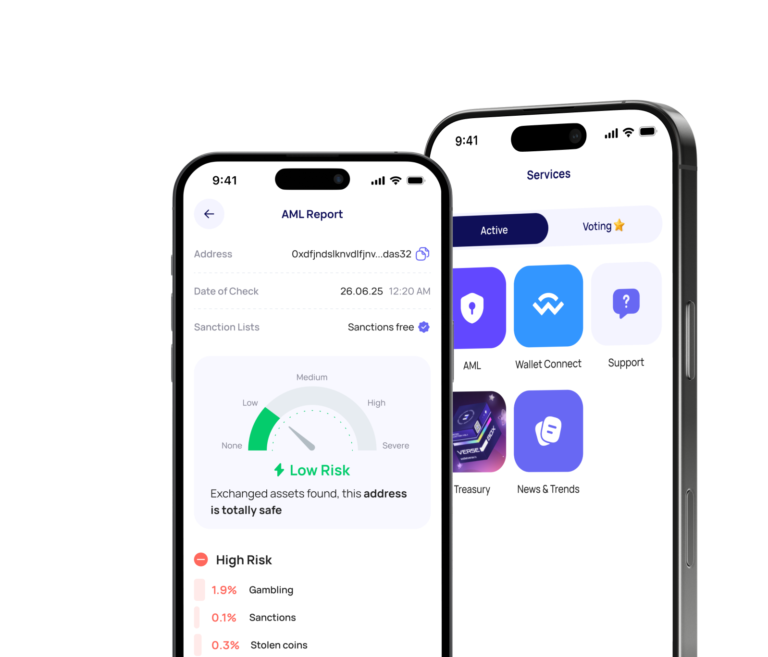
Security is a core part of using any crypto wallet – especially for self-custody.
Walletverse is designed to help protect your assets with features such as:
Passcode protection;
Biometric authentication;
Self-custodial access (you control your wallet);
Backup and restore options for easier recovery across supported setups.
How to Choose the Best Bitcoin SV (BSV) Wallet
If you are comparing BSV wallets, these are the most important factors.
1. Non-custodial vs custodial wallet
If you want direct control of your funds, choose a non-custodial BSV wallet.
2. Security features
Look for:
PIN/passcode;
Biometrics;
Secure recovery setup;
Xlear transaction confirmation flow.
3. Mobile usability
A good BSV mobile wallet should make sending, receiving, and managing BSV easy.
4. Multi-asset support
If you hold multiple cryptocurrencies, a multi-asset wallet reduces friction and simplifies portfolio management.
5. Features beyond storage
Useful features may include:
Swaps;
Portfolio management;
dApp connectivity (where supported);
Fiat purchase options (where available).
FAQ
You can buy Bitcoin SV (BSV) in Walletverse using supported payment methods (such as bank cards, Apple Pay/Google Pay, and other available payment options, depending your region and supported providers).
You can create and use a Bitcoin SV wallet in the Walletverse mobile app.
Walletverse is a non-custodial crypto wallet that supports BSV and many other digital assets, so you can manage your portfolio in one place.
To secure your BSV in Walletverse or any self-custodial wallet:
Back up your recovery phrase offline;
Enable PIN and biometric protection;
Use a secure device lock;
Double-check wallet addresses before sending;
Download wallet apps only from official stores;
Start with a small test transaction when sending to a new address.
A BSV wallet is a crypto wallet used to store, send, receive, and manage Bitcoin SV.
The application supports more than 300 different cryptocurrency wallets, including ApeCoin wallets, Fantom wallets, etc.
Yes. Walletverse is a self-custodial (non-custodial) crypto wallet, which means you control your wallet access and assets.
Yes. Walletverse is designed for storing and managing crypto assets, including supported actions such as transfers and swaps.