


Buy Altlayer (ALT) with USD, EUR and Other Fiat Currencies
The blockchain scalability landscape continues to evolve, and Altlayer (ALT) has positioned itself as a critical infrastructure project in the rollup ecosystem. As a protocol designed to enhance the security and interoperability of rollups through restaking mechanisms, Altlayer offers unique value to developers and users alike. This guide provides a clear, secure path to purchasing ALT tokens using familiar fiat currencies like the US Dollar (USD) or Euro (EUR) through modern, self-custody wallets.
This material has been prepared in collaboration with ilink, a FinTech and Web3 software developer with 13 years of experience and a portfolio of successful projects delivered worldwide.
What is Altlayer (ALT)?
Altlayer is an open and decentralized protocol designed specifically for rollups, scalable solutions that help blockchain networks process transactions more efficiently. The project introduces an innovative concept called Restaked Rollup, which takes existing rollup stacks (such as OP Stack, Arbitrum Orbit, Polygon CDK, and ZK Stack) and improves their security, decentralization, interoperability, and rapid finalization through a restaking mechanism.
Founded by a team with deep blockchain expertise, Altlayer brings together industry veterans. Co-founder Yaoqi Jia previously served as CTO of Zilliqa and Director of Parity Asia, and holds a PhD from the National University of Singapore. Amrit Kumar, COO, was a research fellow at NUS and co-founder of Zilliqa. This technical expertise has attracted significant institutional support.
Where Can I Buy Altlayer (ALT) With Cash: 10 Best Crypto Wallets
Purchasing ALT with fiat currency requires a reliable wallet that supports both the token and convenient payment methods. Here are the top 10 wallets to consider, starting with the most comprehensive solution.
1. Walletverse
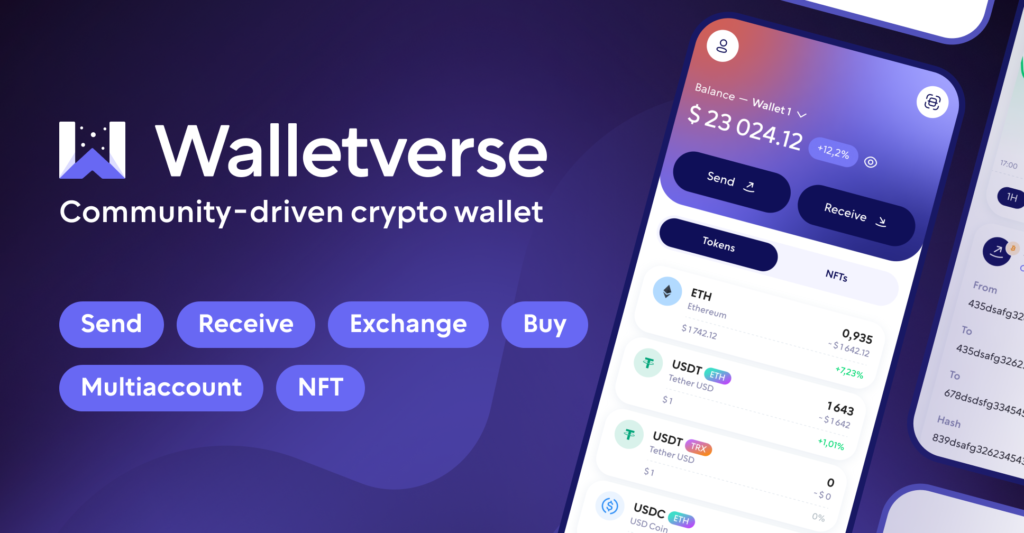
Walletverse is a mobile-first crypto wallet engineered to make digital asset management accessible and secure for users at every experience level. It combines an elegantly simple interface with the ironclad security of non-custodial ownership, your private keys remain exclusively yours, inaccessible even to the Walletverse team.
The wallet’s extensive multi-currency support spans over 700+ cryptocurrencies, with multi-account functionality for organized portfolio management. Security infrastructure includes pass-code protection and biometric authentication (fingerprint or face recognition). A proprietary innovation is the GasFree USDT Transaction System, which revolutionizes TRON network transfers by allowing users to pay transaction fees directly in USDT, eliminating the requirement to hold TRX, a significant barrier for newcomers.
Beyond storage, Walletverse offers staking capabilities for major assets including Solana (SOL), Ethereum (ETH), and TRON (TRX). Fiat on-ramps are seamlessly integrated, supporting Apple Pay, Google Pay, and credit/debit cards across multiple currencies: GBP, JPY, USD, KZT, EUR, INR, CAD, AUD and more. The community-driven platform maintains rigorous standards with AML and CFT compliance. User satisfaction is reflected in exceptional ratings: Google Play rating of 4.8 and App Store rating of 5.0.
- Pros: GasFree USDT transfers, 700+ assets, biometric security, diverse fiat options, top-tier user ratings.
- Cons: Currently mobile-only (no desktop version).



2. MetaMask

The industry-standard Ethereum wallet with deep dApp integration across the DeFi ecosystem. Users can connect to various on-ramp services to purchase ALT tokens directly or swap from other assets.
- Pros: Extensive dApp compatibility, complete private key control, large developer community.
- Cons: Primarily browser-focused; mobile interface can be less intuitive for beginners.
3. Trust Wallet

Binance-acquired wallet supporting millions of digital assets across multiple blockchains. The built-in “Buy” feature enables fiat purchases through Apple Pay or credit cards via third-party partners.
- Pros: Broad multi-chain support, integrated with Binance ecosystem.
- Cons: Customer support response times vary; feature-rich interface may overwhelm newcomers.
4. Coinbase Wallet

Self-custody wallet from the Coinbase exchange that separates asset storage from the trading platform. Users maintain full control of private keys while benefiting from Coinbase’s robust security infrastructure.
- Pros: Institutional-grade security, seamless transfers to/from Coinbase exchange.
- Cons: Some features require exchange account; less customizable than competitors.
5. OKX Wallet

Multi-chain wallet integrated with the OKX exchange ecosystem, supporting over 60 blockchains with built-in cross-chain swap functionality and fiat on-ramps.
- Pros: Strong exchange integration, cross-chain capabilities, DeFi and NFT support.
- Cons: Some features require OKX account; interface complexity may deter beginners.
6. Exodus

Renowned for its visually stunning interface and user-friendly experience across desktop and mobile platforms. Includes built-in exchange features and supports Trezor hardware wallet integration for enhanced security.
- Pros: Beautiful design, intuitive for beginners, hardware wallet support.
- Cons: Closed-source code; fewer advanced DeFi features than competitors.
7. Ledger Live
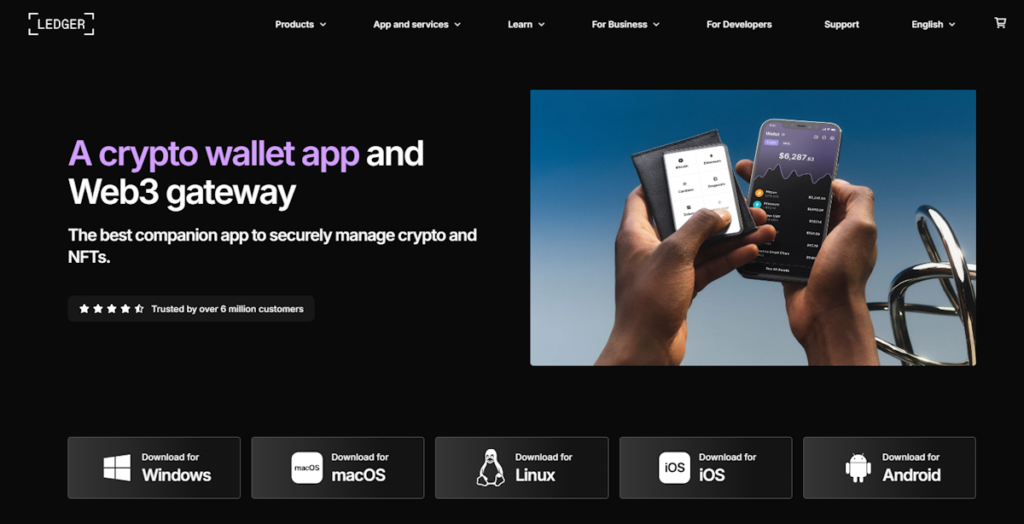
The companion app for Ledger hardware wallets, enabling secure fiat purchases directly to cold storage through partners like PayPal and Coinify. ALT tokens can be stored securely offline.
- Pros: Industry-standard security with hardware isolation, supports multiple blockchains.
- Cons: Requires purchasing physical device; limited DeFi functionality.
8. Trezor
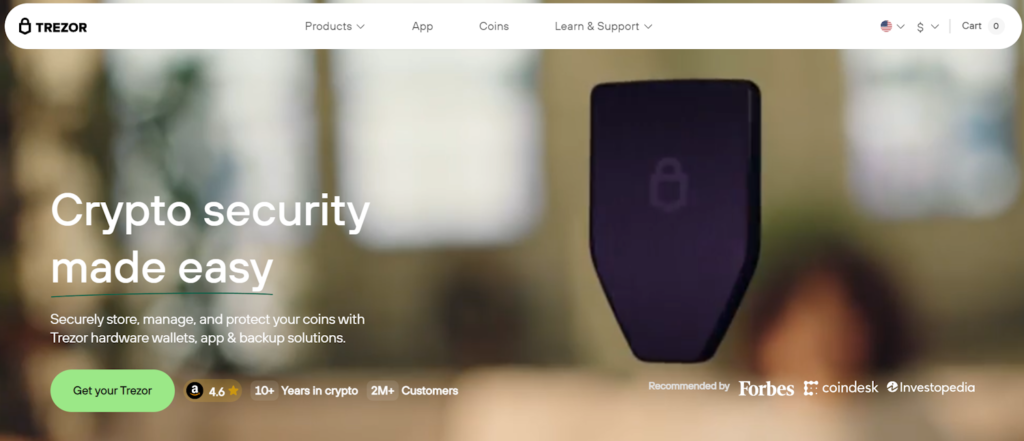
The interface for Trezor hardware wallets, allowing fiat purchases through integrated partners like Invity.io with the security of cold storage. Supports Ethereum-based tokens including ALT.
- Pros: High security with open-source firmware, strong Bitcoin focus.
- Cons: More limited ecosystem compared to software-only wallets; requires hardware purchase.
9. Bitget Wallet

Multi-chain wallet with robust swap functionality and support for over 100 mainnets. Offers built-in fiat purchase options and strong integration with the Bitget exchange ecosystem.
- Pros: Excellent token swap features, supports niche networks, cross-chain bridging.
- Cons: Interface can feel cluttered due to extensive features; customer support varies by region.
10. SafePal

Backed by Binance, SafePal offers both software and hardware wallet solutions. The mobile app supports fiat purchases through multiple gateways and integrates with SafePal hardware for cold storage.
- Pros: Hardware wallet option available, strong security features, competitive pricing.
- Cons: Interface less polished than market leaders; limited advanced DeFi features.
Buy ALT with Apple Pay
For iOS users, Apple Pay offers the most streamlined path to ALT acquisition. Within the Walletverse app, navigate to the “Buy” section, search for ALT, and select Apple Pay as your payment method. The transaction authenticates with Face ID or Touch ID, and your ALT tokens arrive in your self-custody wallet within minutes, keeping your card details private while offering instant settlement.
Buy ALT with Google Pay
Android users can leverage Google Pay for seamless ALT purchases through Walletverse. Open the app, navigate to the buy section, select ALT and your preferred fiat currency, then choose Google Pay at checkout. Authentication happens through your device’s biometric security, and the purchased tokens are deposited directly to your wallet. Google Pay transactions eliminate manual card entry while providing an extra layer of security.
How to Buy Altlayer (ALT) with fiat?
Buying Altlayer with regular money is simple through Walletverse. Just follow these steps.
- Download Walletverse from Google Play Store or Apple App Store.
- Create a new wallet and securely store your recovery phrase offline. Enable passcode and biometric login.
- Tap “Buy Crypto” on the main screen.
- Search for “ALT” and select Altlayer.
- Choose your currency like USD or EUR and enter the amount you want to spend.
- Pick Apple Pay, Google Pay, or your credit card as the payment method.
- Review the details including fees and the exchange rate.
- Confirm with your fingerprint or face scan. Your ALT appears in your wallet instantly.
Altlayer represents a significant advancement in blockchain scalability infrastructure, offering restaked rollup solutions that enhance security and interoperability for Layer 2 networks. With backing from top-tier venture capital firms including Polychain Capital and Jump Crypto, and a founding team with deep industry experience, the project is positioned for long-term relevance in the evolving Web3 ecosystem. Using wallets like Walletverse, purchasing ALT with familiar fiat currencies has never been more accessible. Through everyday payment tools like Apple Pay and Google Pay, you can convert USD, EUR, or other currencies into ALT tokens and store them securely in your own custody.
FAQ
Most frequent questions and answers
Altlayer offers strong fundamentals with its innovative restaked rollup technology and backing from top-tier investors, but like all cryptocurrencies, it carries market volatility risks.
You can buy ALT with USD directly in the Walletverse app by selecting USD as your currency and using Apple Pay, Google Pay, or a credit card for payment.
Walletverse is an excellent choice as it allows you to buy, store, and manage ALT tokens in a secure, user-friendly mobile environment with built-in fiat support.
ALT tokens can be purchased through major exchanges or directly within self-custody wallets like Walletverse that offer integrated fiat purchase options.
The most cost-effective method is using a wallet like Walletverse with features like GasFree USDT transfers, which save on future network fees when moving your tokens.


