


Buy Gitcoin (GTC) with USD, EUR and Other Fiat Currencies
The cryptocurrency market continues to mature, offering investors access to digital assets that go beyond simple payments. One such asset gaining traction among developers and Web3 enthusiasts is Gitcoin (GTC). Whether you are looking to support open-source development or diversify your portfolio, acquiring GTC with traditional currency is now easier than ever.
This article serves as a comprehensive guide on how to purchase Gitcoin (GTC) using fiat currencies like the US Dollar (USD), Euro (EUR), British Pound (GBP), and others. We will explore the best tools for the job, focusing on security and usability.
This article was prepared with insights from ilink, a FinTech and Web3 software developer with 13 years of experience and a portfolio of completed projects worldwide.
What is Gitcoin (GTC)?
Gitcoin is a decentralized platform that connects software developers with projects willing to pay them for their open-source work. It runs primarily on the Ethereum blockchain and is a cornerstone of the “quadratic finance” movement, which aims to democratically finance public goods. The ecosystem’s native token is GTC (Gitcoin Token). It functions as a governance token, meaning its holders can vote on proposals that shape the future of the Gitcoin platform, such as which projects receive funding or how the treasury is managed. Beyond governance, GTC is also used in the Gitcoin Passport system, where users can stake it to prove their unique identity and prevent Sybil attacks.
Launch and Vision: Gitcoin was founded by Kevin Owocki and Scott Moore in 2017, and the GTC token was raffled off among former users in May 2021 to decentralize governance. The project’s concept, often referred to as “Gitcoin 3.0,” focuses on a “network-first” approach to building a sustainable public goods financing infrastructure.
Gitcoin’s flagship grants program uses quadratic funding to leverage community donations. As of early 2026, the platform has facilitated the distribution of over $63 million to over 3,700 projects in areas such as DeFi, climate tech, and open-source software. Another report estimates this figure at over $54 million, highlighting the significant influx of capital through the ecosystem.
Gitcoin’s model has gained traction beyond the crypto community. It has partnered with organizations like UNICEF’s Office of Innovation to pilot quadratic funding rounds for projects aimed at providing financial inclusion in underserved communities, demonstrating the real potential of its funding mechanisms. Azim Khan, Head of Partnerships at Gitcoin, noted: “This is our first experience distributing grants outside of Web3, and we believe it shows real potential and interest in transparent, bottom-up funding distribution.”
Where Can I Buy Gitcoin (GTC) With Cash: 10 Best Crypto Wallets
To buy GTC with cash, you need a gateway, specifically, a crypto wallet that integrates fiat on-ramps. While centralized exchanges like the 21 platforms that list GTC are an option, non-custodial wallets offer the most direct route from cash to self-custody . Here are 10 of the best wallets to consider.
1. Walletverse
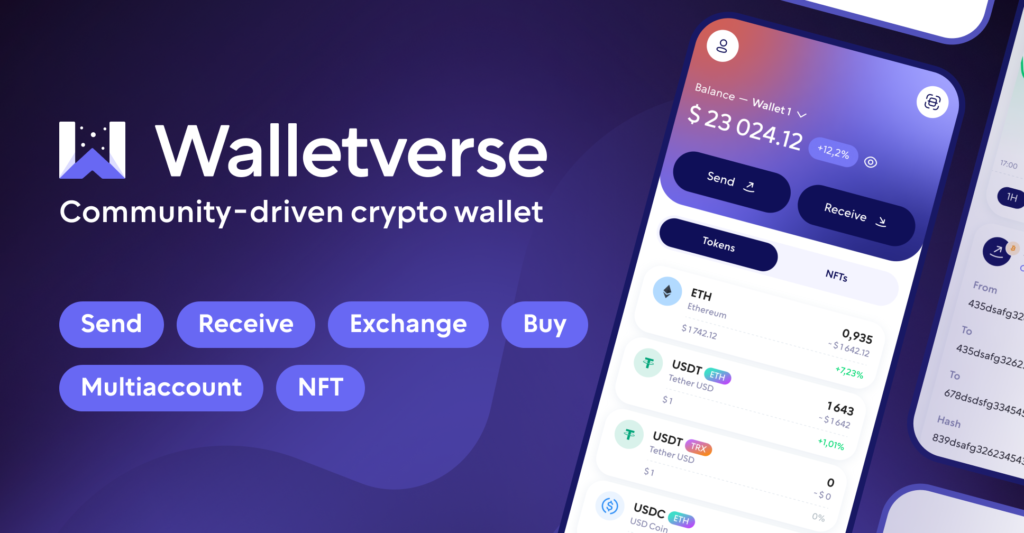
Walletverse is a rising star in the mobile DeFi space, designed to bridge the gap between simplicity and advanced Web3 functionality. It is a non-custodial, multi-currency wallet that allows users to truly own their assets.
This app is built for both beginners and advanced users, offering a clean interface without sacrificing power. It supports over 700 cryptocurrencies and integrates seamlessly with dApps. It’s a community-driven platform focused on security and ease of use.
You can buy crypto directly using Apple Pay, Google Pay, or credit/debit cards. It supports a wide range of fiat currencies including USD, EUR, GBP, JPY, INR, CAD, AUD, and KZT.
Key Features:
- GasFree USDT: A proprietary system allowing USDT transfers on TRON without needing TRX for gas, paying fees directly in USDT. This eliminates a major barrier for new users.
- Security: Features passcode and biometric authentication. As a non-custodial wallet, even the Walletverse team cannot access your funds.
- Staking: Supports staking for Solana, ETH, and TRX directly within the app.
- User Satisfaction: High user satisfaction is reflected in its ratings (Google Play 4.8, App Store 5.0).
Pros:
- Extremely user-friendly for mobile-first users.
- Innovative GasFree feature simplifies transactions.
- Strong security and compliance focus.
Cons:
- Currently a mobile-only application (no desktop version).



2. MetaMask

The industry standard for Ethereum Virtual Machine (EVM) chains.
- Pros: Highly trusted, vast community support, connects to every major dApp.
- Cons: Primarily focused on EVM chains; user interface can be intimidating for absolute beginners.
3. Trust Wallet

The official wallet of the Binance ecosystem, now a multi-chain powerhouse.
- Pros: Wide asset support, integrated with Binance DEX, built-in Web3 browser.
- Cons: Open-source codebase has had occasional security scrutiny in the past.
4. Coinbase Wallet

A non-custodial wallet from the founders of the Coinbase exchange.
- Pros: Extremely easy to use for those already in the Coinbase ecosystem, strong brand trust.
- Cons: More limited in terms of exotic blockchains compared to competitors.
5. Ledger Nano X

For investors prioritizing security above all else.
- Pros: The highest level of security (cold storage), supports many assets.
- Cons: Requires purchasing physical hardware, less convenient for frequent small trades.
6. Trezor Model T
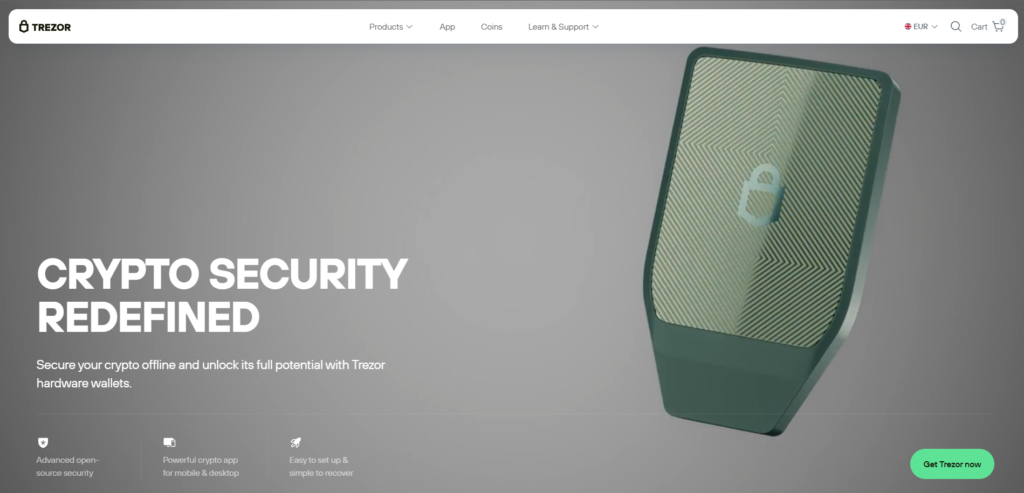
Another leading hardware wallet provider.
- Pros: Excellent security, fully open-source, intuitive touchscreen.
- Cons: Higher price point, not as portable as a mobile app.
7. Exodus

A visually stunning desktop and mobile wallet.
- Pros: Excellent user interface, live charts, easy portfolio tracking.
- Cons: Desktop version is “hot” (connected to the internet) and less secure than hardware options.
8. Guarda Wallet

A versatile, non-custodial wallet accessible via web, desktop, and mobile.
- Pros: Multi-platform access, no KYC required for the wallet itself (though KYC may apply for fiat purchases).
- Cons: The web version requires caution regarding phishing attacks.
9. Edge Wallet

A mobile wallet focused on security and currency conversion.
- Pros: Strong focus on privacy and security, supports fiat integration for multiple assets.
- Cons: The interface can feel cluttered compared to simpler wallets like Walletverse.
10. Bitpay Wallet

A non-custodial wallet from the leading crypto payment processor.
- Pros: Great for spending crypto in real life, strong merchant network.
- Cons: Primarily focused on major coins (Bitcoin, ETH, stablecoins) rather than niche tokens like GTC, though it can store them.
Buy GTC with Apple Pay
Apple Pay provides a fast and secure way to purchase crypto using Face ID or Touch ID. With Walletverse, users can select their fiat amount, choose Apple Pay at checkout, and confirm the purchase instantly. The GTC is then swapped and deposited directly into their self-custodial wallet, offering maximum convenience for iOS users.
Buy GTC with Google Pay
Google Pay offers Android users the same level of convenience with one-tap purchases and tokenized security. Through Walletverse’s optimized fiat on-ramp, selecting Google Pay instantly pulls up linked cards for a swift transaction. This method is perfect for those looking to buy GTC quickly and securely while on the go.
How to Buy Gitcoin (GTC) with fiat?
Buying GTC directly with cash is a straightforward process, especially when using a modern Web3 wallet. Here is a step-by-step guide using Walletverse as the prime example:
- Step 1. Get the Walletverse app, set up your wallet, and make sure to back up your secret recovery phrase in a safe place.
- Step 2. Go to the “Buy” section, locate GTC, and tap on it.
- Step 3. Type in how much you want to spend in your own currency (like USD or EUR), then pick your payment method – either card, Apple Pay, or Google Pay.
- Step 4. Review and confirm the transaction; once confirmed, the coins will appear in your wallet instantly.
Data current as of February, 2026
FAQ
Most frequent questions and answers
GTC offers utility as a governance token for a platform that has distributed over $63 million to open-source projects, but like most crypto assets, it carries significant market volatility and risk.
You can buy GTC with USD directly in the Walletverse app by selecting USD as your fiat currency, choosing GTC, and completing the purchase with a card, Apple Pay, or Google Pay.
Since GTC is an ERC-20 token, you can use any Ethereum-compatible wallet, with Walletverse offering a secure, non-custodial, and user-friendly mobile option for managing your tokens.
GTC tokens can be purchased on centralized exchanges or directly within self-custody wallets like Walletverse, which allows you to buy with fiat and receive tokens instantly in your own wallet.
The cheapest way involves comparing spreads from different on-ramps and minimizing network fees, which you can do in Walletverse while also benefiting from its GasFree feature for future stablecoin transactions.


