


Buy GraphLinq Chain (GLQ) with USD, EUR and Other Fiat Currencies
GraphLinq Chain (GLQ) is a blockchain project focused on automation, data flows, and no-code tools for Web3 applications. It is designed to help users and developers connect smart contracts, APIs, and decentralized services through visual workflows, reducing the need for complex programming. As demand for automation and interoperability grows across decentralized ecosystems, GLQ positions itself as an infrastructure-focused utility token.
From a market perspective, GraphLinq Chain’s capitalization reflects its status as a micro-cap infrastructure asset. Market capitalization is calculated by multiplying the current token price by the circulating supply. As of late 2025, GLQ’s market cap is estimated to range between approximately 1.7 million and 2.2 million USD, with around 340 million GLQ in circulation out of a maximum supply of 500 million tokens. Based on this valuation, GraphLinq Chain is typically ranked around #3000 or lower among cryptocurrencies, according to data from CoinGecko and Binance.
This article was prepared by ilink, a FinTech and Web3 software development company with over 13 years of experience and completed projects worldwide.
What is GraphLinq Chain (GLQ)
GraphLinq Chain is a blockchain-based automation network designed to simplify how decentralized applications interact with data, smart contracts, and external services. The project originated from the idea of making blockchain automation accessible to non-developers through visual workflows and no-code logic builders.
The GLQ token is the native utility asset of the GraphLinq ecosystem. It is used to pay for automation executions, network fees, and access to premium features within the platform. By abstracting technical complexity, GraphLinq Chain enables users to automate tasks such as token transfers, data monitoring, API calls, and cross-application logic without deep programming knowledge.
From a market perspective, GraphLinq Chain operates within the growing automation and infrastructure segment of Web3. The project has positioned itself alongside trends such as decentralized automation, smart contract orchestration, and low-code blockchain tooling. GLQ typically maintains an active presence across exchanges and wallets that support emerging Layer 1 and utility-focused blockchain assets, making it accessible to both retail users and developers experimenting with automation-driven use cases.
Where Can I Buy GraphLinq Chain (GLQ) with Cash – 10 Best Crypto Wallets
1. Walletverse
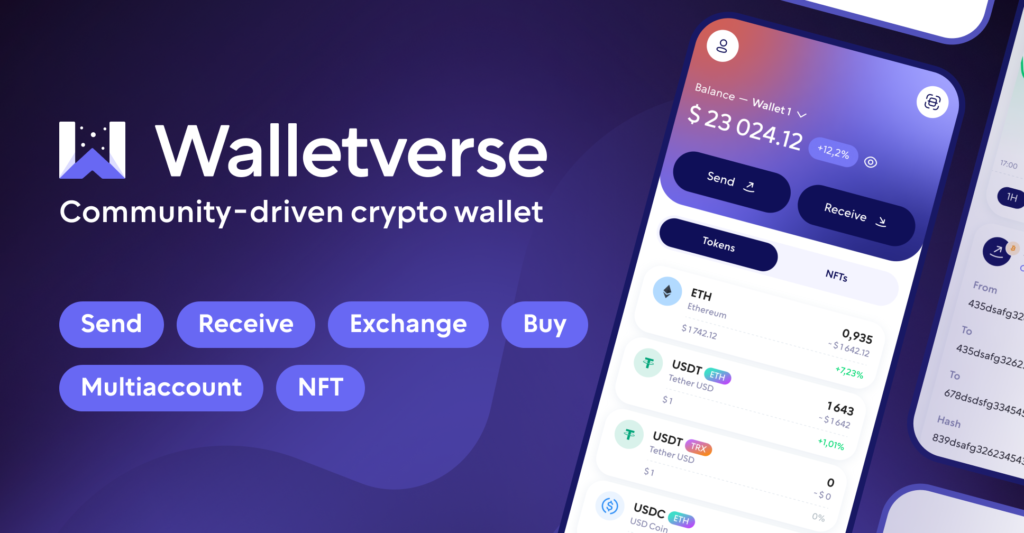
Walletverse is a mobile self-custody crypto wallet built for buying, storing, and managing digital assets with fiat currencies. It supports more than 700 cryptocurrencies and integrates multiple payment methods for fast onboarding.
Pros
- Supports 700+ cryptocurrencies
- Apple Pay, Google Pay, and credit or debit card purchases
- Full self-custody with private key control
- Passcode and biometric authentication
- GasFree USDT transactions on TRON
- High ratings on Google Play and App Store
Cons
- Mobile-only application


2. Trust Wallet
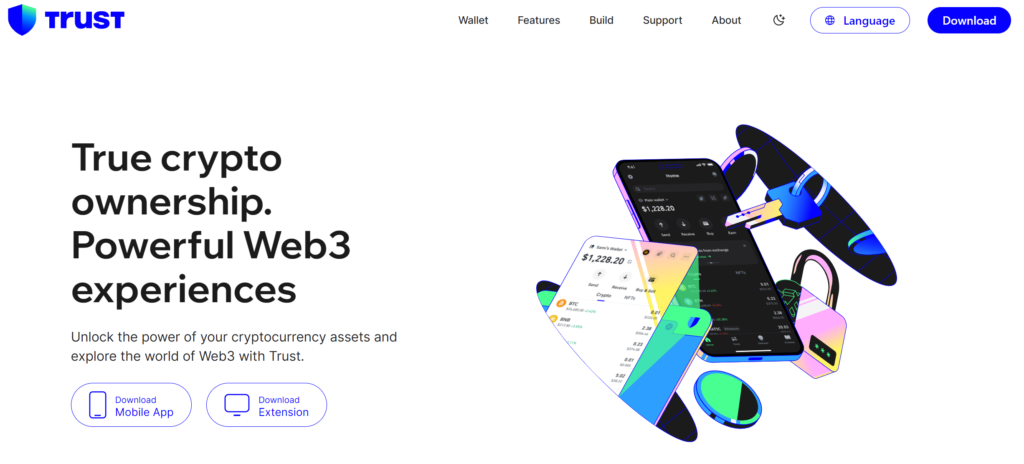
Trust Wallet is a decentralized mobile wallet supporting a wide range of blockchains and tokens. It allows fiat purchases through integrated third-party providers.
Pros
- Broad asset and network support
- Built-in Web3 and dApp browser
- Non-custodial storage
Cons
- Fiat fees depend on payment provider
- Limited portfolio analytics
3. Coinbase Wallet
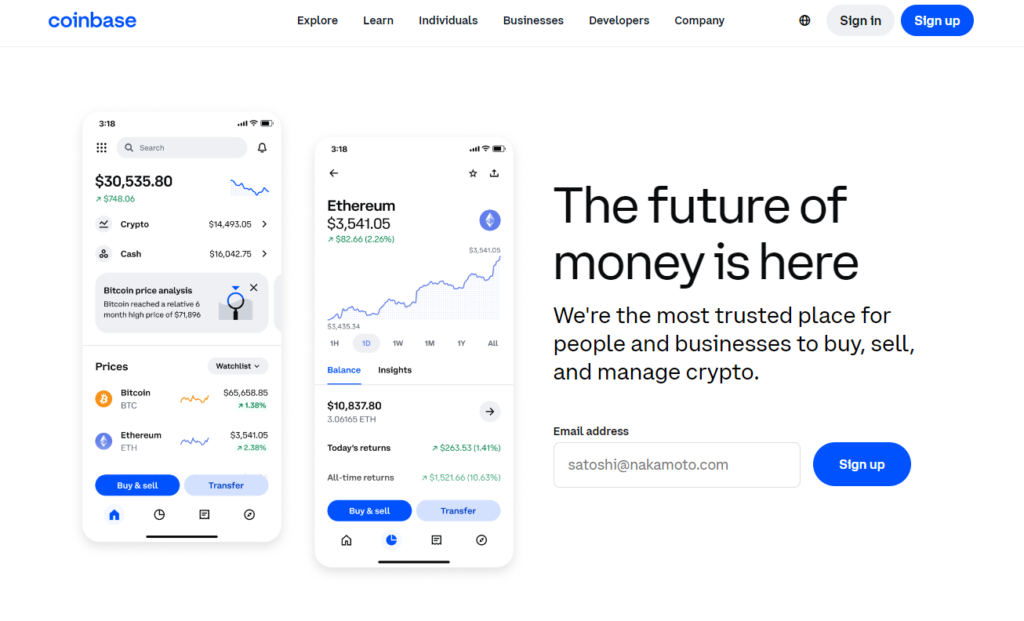
Coinbase Wallet is a self-custody wallet that allows users to buy crypto with fiat while keeping full control over their private keys.
Pros
- Simple onboarding
- Secure infrastructure
- NFT and dApp support
Cons
- Limited advanced customization
- Some features linked to Coinbase ecosystem
4. Atomic Wallet
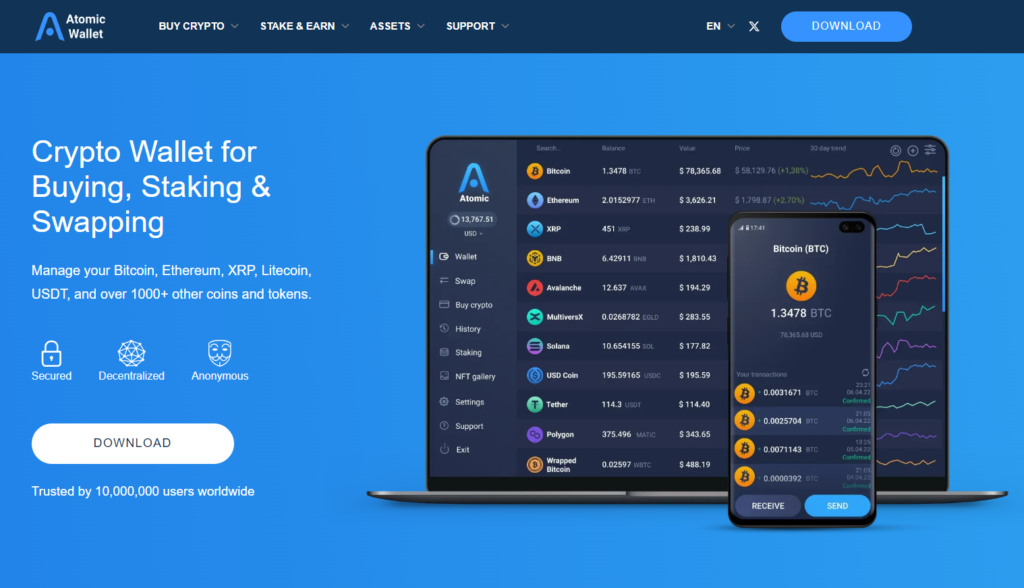
Atomic Wallet provides multi-currency support and in-app fiat purchases across desktop and mobile platforms.
Pros
- Cross-platform availability
- Built-in exchange features
- Private key ownership
Cons
- No native dApp browser
- Support response times vary
5. Guarda Wallet
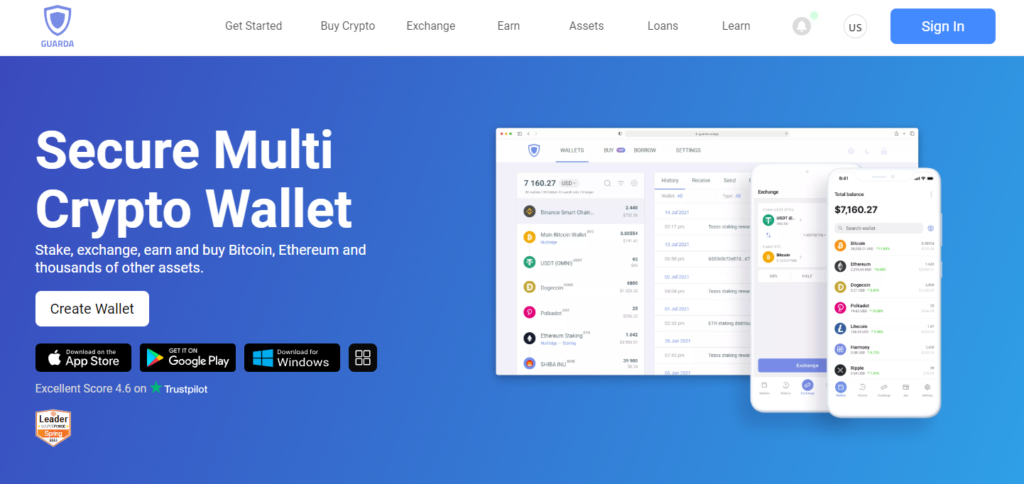
Guarda offers web, desktop, and mobile wallet solutions with fiat purchase options and multi-asset management.
Pros
- Flexible platform access
- Strong security framework
- Multi-chain support
Cons
- Some features have higher fees
- Interface may feel complex
6. Edge Wallet

Edge Wallet emphasizes ease of use and client-side encryption, making it suitable for new crypto users.
Pros
- Simple setup process
- Strong encryption model
- Fiat purchase support
Cons
- Smaller asset selection
- Limited advanced tools
7. MetaMask
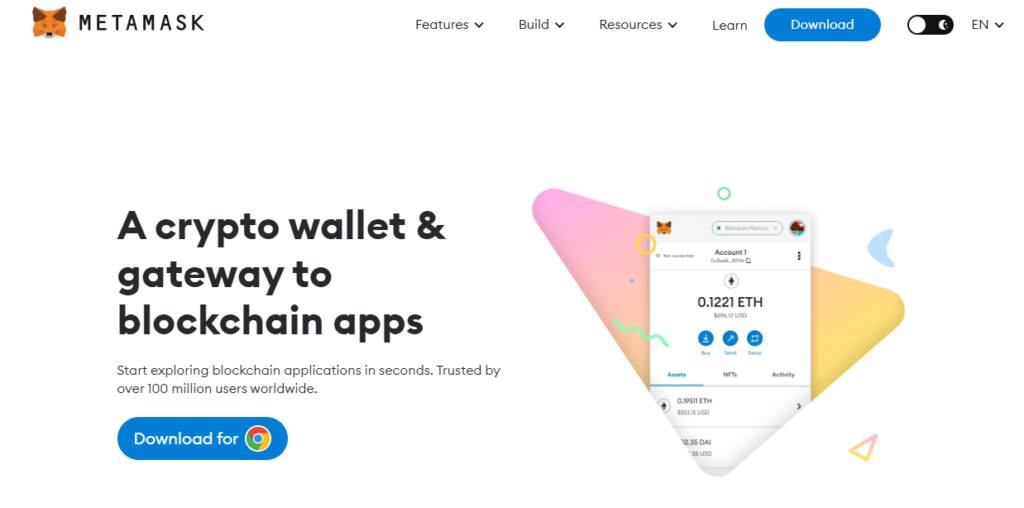
MetaMask is a widely used Web3 wallet for Ethereum-compatible networks. It supports fiat on-ramps and decentralized application access.
Pros
- Strong Web3 and DeFi compatibility
- Browser extension and mobile app
- Large ecosystem adoption
Cons
- Less intuitive for beginners
- Network fees may be high
8. Math Wallet

Math Wallet supports multiple blockchains and Web3 applications, offering fiat purchases and DeFi access.
Pros
- Multi-chain compatibility
- Web3 integrations
- Mobile and browser support
Cons
- Interface can feel crowded
- Learning curve for beginners
9. Exodus
Exodus is a beginner-friendly wallet designed for simplicity and ease of use. It supports fiat purchases and multi-device access.
Pros
- Intuitive interface
- Desktop and mobile versions
- Built-in exchange
Cons
- Higher swap fees
- Partially closed-source software
10. Coinomi
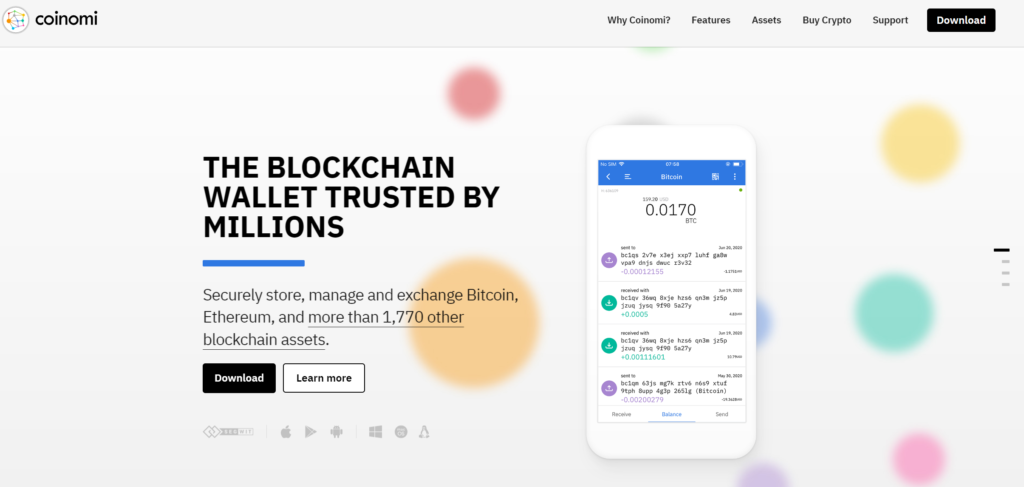
Coinomi is a long-standing wallet known for privacy-focused architecture and wide blockchain compatibility.
Pros
- Strong privacy protection
- Stable performance
- Broad asset support
Cons
- No built-in staking
- Limited DeFi integrations
Buy GLQ with Apple Pay
Buying GLQ with Apple Pay allows users to purchase crypto quickly using their mobile devices. After connecting Apple Pay to a supported wallet, transactions can be completed within minutes without relying on traditional bank transfers.
Buy GLQ with Google Pay
Google Pay offers Android users a fast and convenient way to buy crypto using linked cards or balances. Once connected to a compatible wallet, purchasing GLQ becomes a smooth and straightforward process.
How to Buy GraphLinq Chain (GLQ) with Fiat
- Choose a crypto wallet that supports fiat purchases;
- Create and secure your wallet account;
- Select a fiat currency such as USD or EUR;
- Complete identity verification if required;
- Buy GLQ and store it securely in your wallet.
GraphLinq Chain provides an automation-focused approach to blockchain usage, enabling users to build and execute decentralized workflows with minimal technical effort. As Web3 automation continues to grow, GLQ represents a utility-driven asset within this niche. Fiat-enabled crypto wallets make it easier to access GLQ and manage it securely from a single interface.
Data current as of December 2025.
FAQ
Most frequent questions and answers
GLQ is a utility token focused on blockchain automation and no-code workflows. Its value depends on ecosystem adoption and demand for decentralized automation tools.
You can buy GLQ with USD using crypto wallets that support fiat payments via cards, Apple Pay, or Google Pay, like Walletverse.
Walletverse is a suitable option, offering self-custody, fiat purchases, and support for hundreds of cryptocurrencies in a single mobile app.
GraphLinq Chain tokens can be purchased through supported wallets, like Walletverse and platforms that provide access to compatible blockchain networks.
The cheapest option usually depends on payment provider fees. Using wallets with direct fiat on-ramps can help reduce additional exchange and transfer costs, like Walletverse.


