


Buy Rocket Pool (RPL) with USD, EUR and Other Fiat Currencies
Rocket Pool has become an important part of the Ethereum staking ecosystem, offering a decentralized alternative to traditional staking services. As interest in liquid staking and non-custodial solutions continues to grow, many users are looking for clear and reliable ways to buy Rocket Pool (RPL) using fiat currencies such as USD, EUR, GBP, and others.
This article was prepared by ilink, a FinTech and Web3 software development company with over 13 years of experience and completed projects across global markets, including blockchain platforms, wallets, and DeFi solutions.
Below, we explain what Rocket Pool is, why RPL matters in the Ethereum ecosystem, and how you can buy RPL with cash, Apple Pay, Google Pay, and other fiat methods using modern crypto wallets.
What is Rocket Pool (RPL)?
Rocket Pool is a decentralized Ethereum liquid staking protocol designed to make ETH staking accessible without relying on centralized custodians. Instead of requiring users to run full validator infrastructure or lock large amounts of ETH, Rocket Pool allows participants to stake smaller amounts while maintaining decentralization.
The Rocket Pool ecosystem is built around two key components: ETH staking and node operators. Users who stake ETH receive a liquid staking token (rETH) that represents their staked ETH plus accumulated rewards. This token can be used across DeFi applications, providing flexibility that traditional staking models lack.
RPL is the native utility and governance token of the Rocket Pool protocol. It is used primarily by node operators as collateral, helping secure the network and align incentives. RPL also plays a role in protocol governance, allowing token holders to participate in decisions affecting Rocket Pool’s future development.
According to Ethereum network data aggregated by industry analytics platforms such as CoinMarketCap and Glassnode, Ethereum staking has grown into a multi-billion-dollar sector, with millions of ETH locked in validator contracts. Decentralized staking solutions like Rocket Pool are increasingly viewed as a way to reduce centralization risks associated with large custodial staking providers.
Ethereum’s core developers have repeatedly emphasized the importance of decentralization in staking. In a public statement, the Ethereum Foundation highlighted that diversified validator participation is critical for long-term network security, a principle closely aligned with Rocket Pool’s design philosophy.
Where Can I Buy Rocket Pool (RPL) with Cash – 10 Best Crypto Wallets
Buying RPL with fiat currency usually starts with a crypto wallet that supports on-ramp services. These wallets integrate card payments, bank transfers, or mobile payment systems and allow users to store and manage RPL securely after purchase.
Below are ten widely used crypto wallets that support fiat-to-crypto purchases and RPL storage, each with its own strengths and limitations.
1. Walletverse
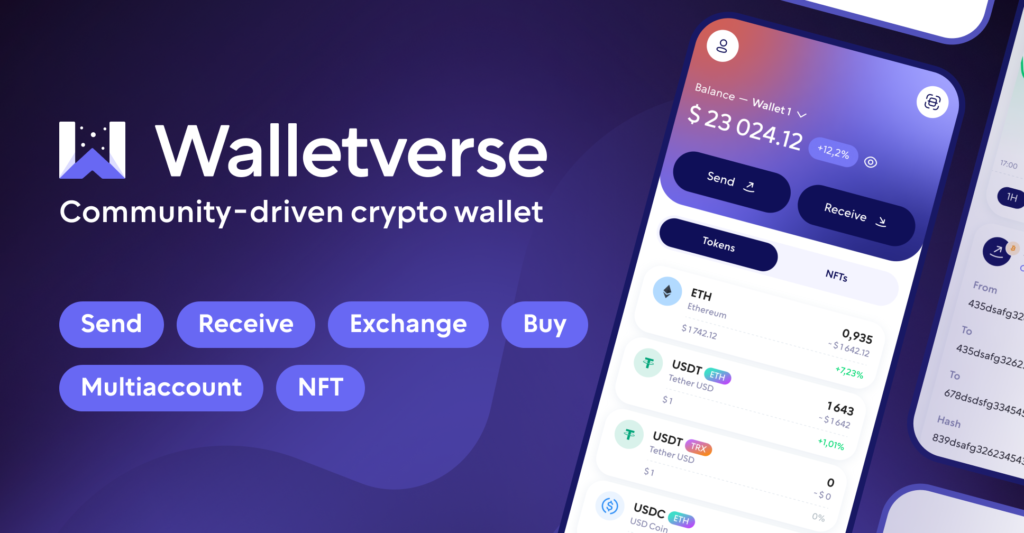
Walletverse is a mobile self-custody crypto wallet designed for both beginners and experienced users. It supports more than 700 cryptocurrencies and provides direct fiat purchase options using Apple Pay, Google Pay, and credit or debit cards in multiple currencies, including USD, EUR, GBP, JPY, and others.
Walletverse emphasizes security through passcode and biometric protection while ensuring that users remain the sole owners of their private keys.
Pros:
- Supports 700+ cryptocurrencies
- Apple Pay, Google Pay, and card purchases
- Strong focus on self-custody and privacy
- High app ratings on iOS and Android
Cons:
- Mobile-only application
User reviews of the app:



2. Trust Wallet
Trust Wallet is a popular non-custodial mobile wallet backed by Binance. It supports a wide range of ERC-20 tokens, including RPL, and integrates fiat on-ramps through third-party providers.
Pros:
- Large token support
- Simple user interface
- Non-custodial storage
Cons:
- Fiat fees depend on external providers
- Limited desktop functionality
3. Coinbase Wallet
Coinbase Wallet is a self-custody wallet separate from the Coinbase exchange. It supports RPL storage and fiat purchases via linked services.
Pros:
- Strong brand trust
- Easy onboarding
Cons:
- Fewer advanced DeFi features
- Purchase options vary by country
4. Atomic Wallet
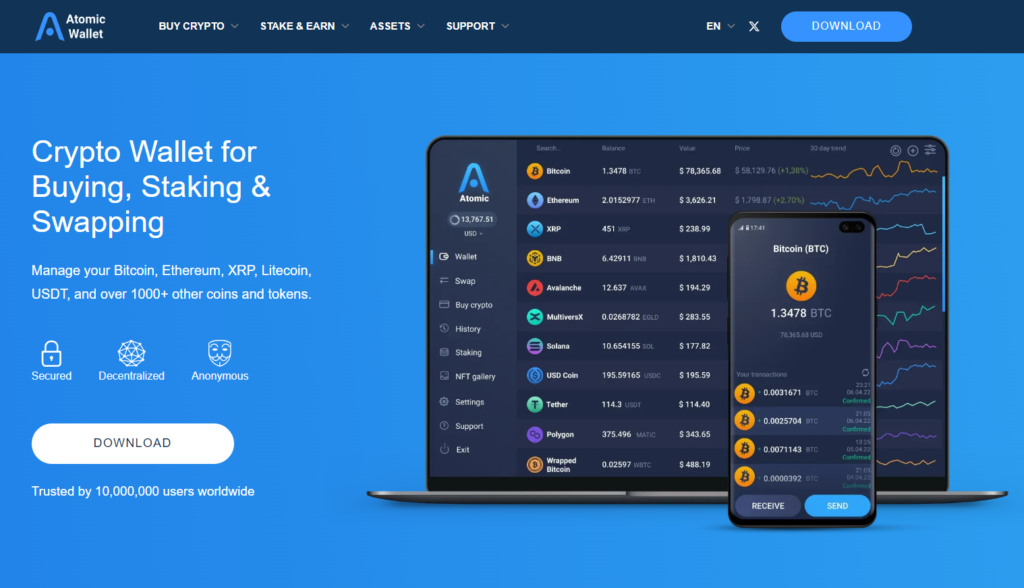
Atomic Wallet offers multi-currency support and integrated fiat purchases. It supports Ethereum tokens like RPL and provides desktop and mobile versions.
Pros:
- Cross-platform availability
- Built-in exchange
Cons:
- Closed-source components
- Limited transparency around fees
5. Guarda Wallet
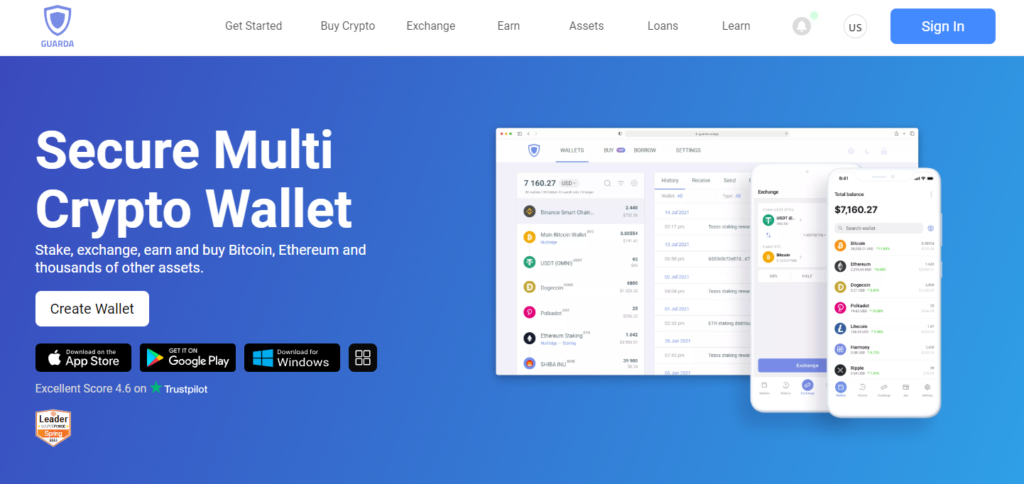
Guarda Wallet supports ERC-20 tokens and fiat purchases via third-party providers. It is available on mobile, desktop, and web.
Pros:
- Multiple platform support
- User-controlled private keys
Cons:
- Fiat purchase fees can be high
- Interface may feel complex
6. Rainbow Wallet

Rainbow Wallet is an Ethereum-focused mobile wallet with strong NFT and DeFi integration. RPL is supported as an ERC-20 token.
Pros:
- Ethereum-native experience
- Modern design
Cons:
- Limited fiat payment options
- Mobile-only
7. MetaMask
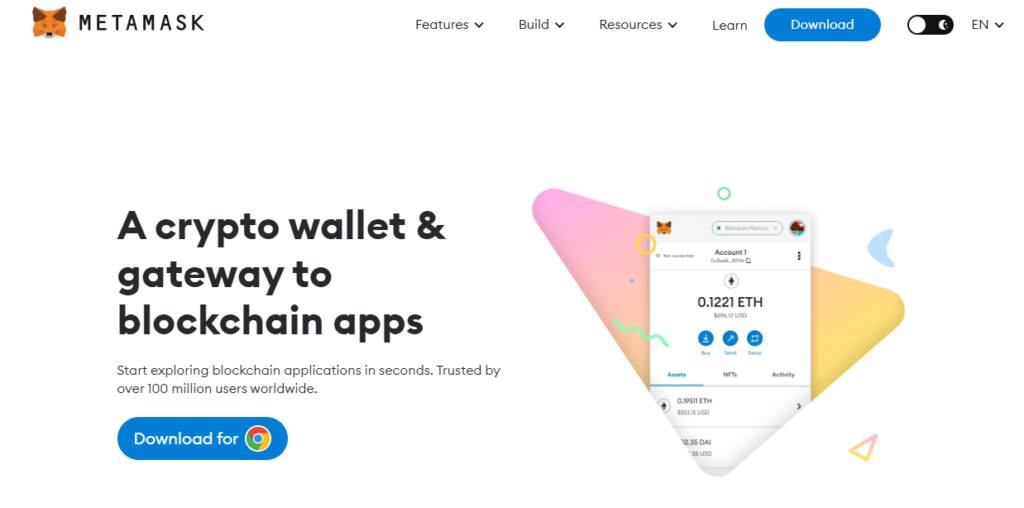
MetaMask is one of the most widely used Ethereum wallets, available as a browser extension and mobile app. It supports RPL and allows fiat purchases through integrated payment partners.
Pros:
- Deep integration with Ethereum and DeFi
- Broad ecosystem support
Cons:
- Not beginner-friendly for first-time users
- Gas fee management can be complex
8. SafePal
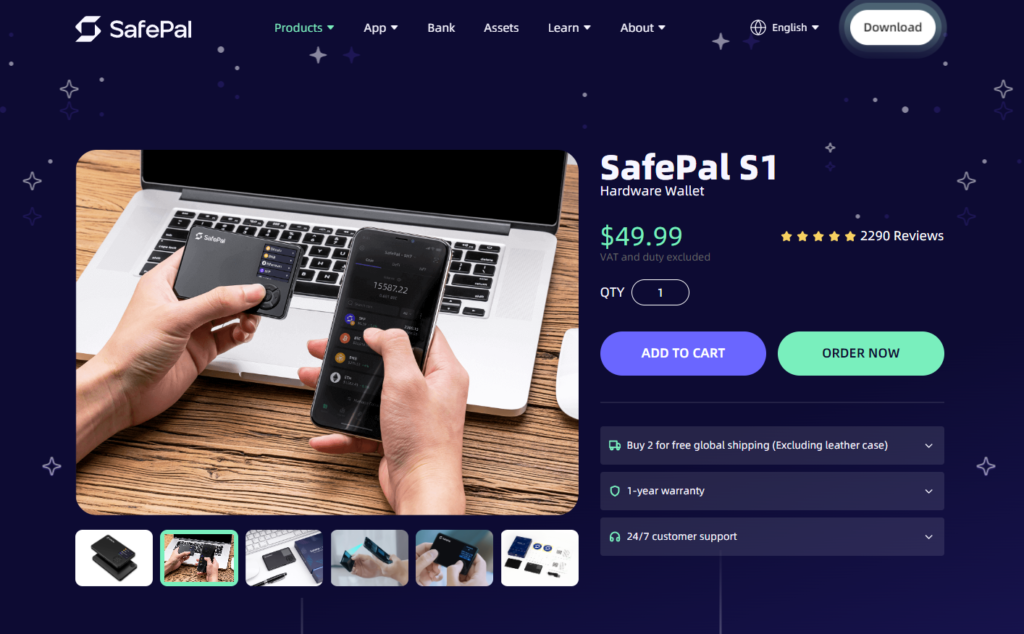
SafePal combines software wallets with optional hardware integration. It supports RPL and fiat purchases through partner services.
Pros:
- Hardware wallet compatibility
- Multi-chain support
Cons:
- Interface may feel crowded
- Fiat options vary by region
9. Exodus
Exodus is known for its clean design and ease of use. It supports Ethereum tokens and offers fiat on-ramps in selected regions.
Pros:
- Intuitive interface
- Desktop and mobile support
Cons:
- Limited customization for advanced users
- Not fully open-source
10. Coinomi
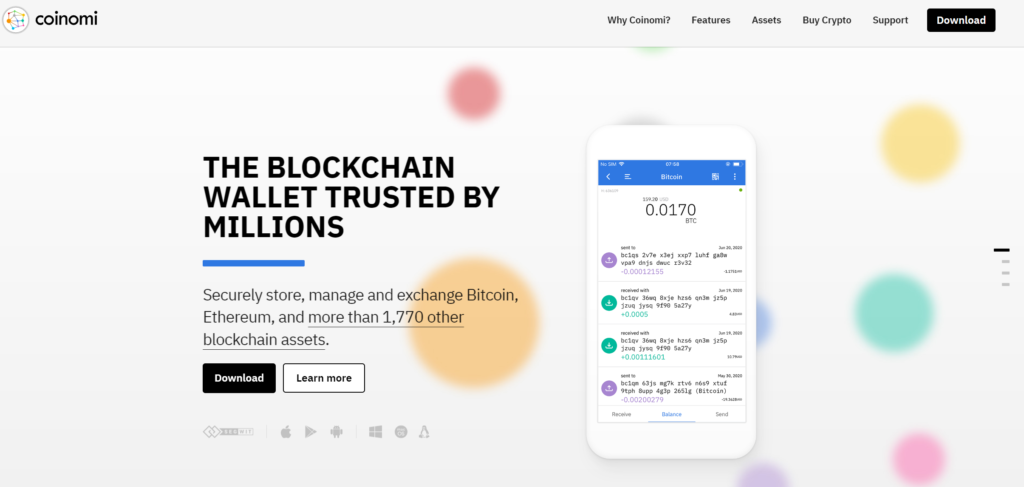
Coinomi is a long-standing multi-asset wallet supporting Ethereum tokens and basic fiat integrations.
Pros:
- Strong privacy focus
- Broad asset support
Cons:
- Less frequent feature updates
- Basic DeFi functionality
Buy RPL with Apple Pay
Apple Pay allows users to purchase cryptocurrency quickly without manually entering card details. When buying RPL with Apple Pay, the wallet or on-ramp provider converts fiat funds into crypto and deposits RPL directly into your wallet.
Apple Pay purchases are popular due to their speed and built-in security features, including biometric authentication and encrypted transactions.
Buy RPL with Google Pay
Google Pay offers a similar experience for Android users. Wallets that support Google Pay enable fast RPL purchases using linked cards or bank accounts.
This method is often chosen for its convenience and seamless integration with mobile devices, making it suitable for users who want to buy RPL without navigating complex exchange interfaces.
How to Buy Rocket Pool (RPL) with Fiat?
Buying RPL with fiat typically follows a simple process:
- Install a crypto wallet that supports fiat purchases and RPL;
- Complete basic verification if required by the payment provider;
- Select your preferred fiat currency and payment method;
- Enter the purchase amount and confirm the transaction;
- Store RPL securely in your wallet or use it within DeFi platforms.
This approach avoids the need to transfer funds between multiple platforms and reduces friction for new users entering the Ethereum staking ecosystem.
Rocket Pool (RPL) represents a decentralized approach to Ethereum staking, addressing concerns around centralization while offering flexibility through liquid staking. As Ethereum adoption grows, demand for protocols like Rocket Pool continues to rise, making access to RPL increasingly important for both investors and node operators.
Using modern crypto wallets, users can buy RPL directly with USD, EUR, and other fiat currencies through Apple Pay, Google Pay, or card payments, while maintaining control over their assets.
Data current as of January 23, 2026.
FAQ
Most frequent questions and answers
RPL is widely viewed as a utility token tied to Ethereum’s decentralized staking infrastructure. Its value is closely linked to the adoption of Rocket Pool and broader Ethereum staking trends.
RPL can be purchased using USD through crypto wallets that support fiat on-ramps, allowing payment via cards, Apple Pay, or Google Pay, like Walletverse.
Many Ethereum-compatible wallets support RPL. Walletverse is an example of a self-custody mobile wallet that allows users to buy, store, and manage RPL securely.
RPL is available through wallets, like Walletverse, and platforms that integrate fiat-to-crypto services, as well as decentralized exchanges on Ethereum.
Costs depend on fees charged by payment providers and network conditions. Comparing wallet on-ramp fees and Ethereum gas costs can help minimize expenses. For example, you can use the Walletverse app.


