


Buy Symbiosis (SIS) with USD, EUR and Other Fiat Currencies
Symbiosis (SIS) is connected to one of the key directions in Web3: cross-chain asset exchange. As more users move between Ethereum, BNB Chain, Arbitrum, zkSync Era, Linea, Scroll, and other ecosystems, projects that simplify multi-chain swaps are becoming more relevant for DeFi users.
This article was prepared by ilink, a FinTech and Web3 software developer with 14 years of experience and completed projects worldwide. It explains what Symbiosis is, how SIS works, and how users can buy SIS with USD, EUR, Apple Pay, Google Pay, cards, and other fiat payment methods.
The demand for convenient crypto access continues to grow. Triple-A estimated that around 562 million people owned digital currencies in 2024, equal to about 6.8% of the global population, while Juniper Research reported that digital wallet users may grow from 4.4 billion in 2025 to more than 6 billion by 2030.
This shift matters because crypto is no longer used only by advanced traders. Many users now expect a simple mobile wallet experience where they can buy crypto with fiat, store tokens, swap assets, and access DeFi services from one app.
What is Symbiosis (SIS)?
Symbiosis is a decentralized cross-chain liquidity protocol created to make token swaps between different blockchain networks easier. Its core idea is simple: users should be able to exchange assets across chains without manually using several bridges, exchanges, or separate steps.
According to Symbiosis documentation, the protocol provides cross-chain swaps, interchain communication, cross-chain zaps, farming, an explorer, and veSIS staking. The docs describe cross-chain swaps as a service where “any token to any token” exchange is possible across supported blockchain networks.
SIS is the native token of the Symbiosis ecosystem. It is used for protocol security, staking, incentives, and governance, while users who stake SIS can receive veSIS, which gives voting rights in the Symbiosis DAO.
Symbiosis was created around the broader problem of fragmented blockchain liquidity. In DeFi, assets are often spread across many networks, and users may need to bridge funds before they can trade or provide liquidity. Symbiosis addresses this by aggregating decentralized exchange liquidity across EVM and non-EVM networks.
The project’s own website presents several usage statistics for the protocol. As of the accessed data, Symbiosis listed about $1.08 billion in processed amount, more than 832,000 transactions, and 50 supported networks.
SIS was originally deployed on Ethereum and can be bridged to several other networks. The official documentation lists Ethereum and BNB Chain as L1 networks, and Arbitrum One, zkSync Era, Linea, and Scroll as supported L2 networks for SIS.
The token is also available through centralized and decentralized trading routes. CoinGecko lists MEXC, Bybit, and Gate among popular centralized exchange options for SIS, while Symbiosis documentation mentions Uniswap, PancakeSwap, OpenOcean, 1inch, SushiSwap, SyncSwap, and the Symbiosis WebApp as places where SIS can be exchanged on supported networks.
A useful quote for understanding the protocol comes from Symbiosis itself: “Swap any to any tokens in one click.” This reflects the project’s focus on reducing the complexity of cross-chain swaps for regular users.
Where Can I Buy Symbiosis (SIS) with Cash? 10 Best Crypto Wallets
1. Walletverse
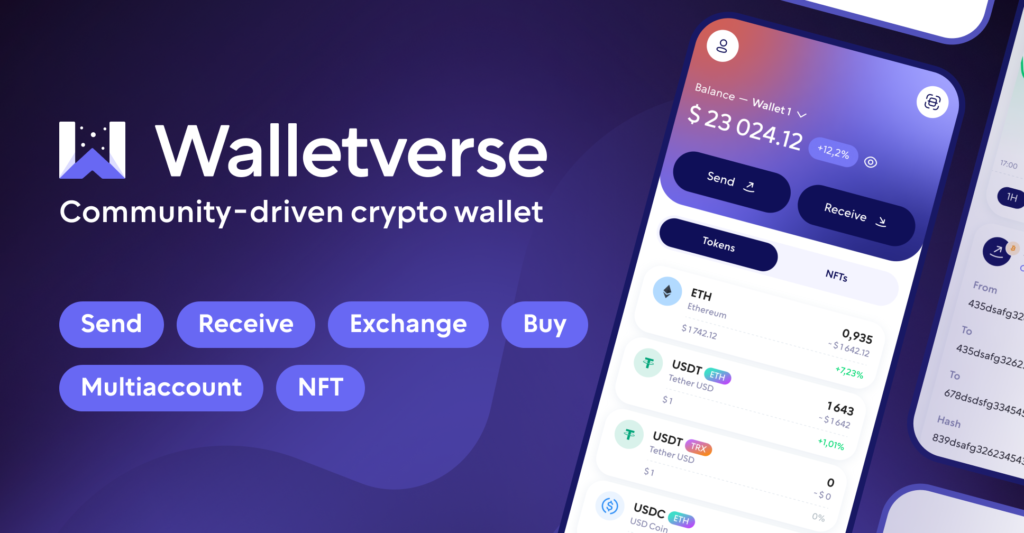
Walletverse is a mobile crypto wallet designed for users who want to buy, store, send, exchange, and manage digital assets in one app. It supports 700+ cryptocurrencies, Web3 access, dApps, multi-account management, Apple Pay, Google Pay, credit and debit cards, and fiat currencies such as USD, EUR, GBP, JPY, KZT, INR, CAD, AUD, and others.
For SIS users, Walletverse can be convenient because it combines beginner-friendly navigation with non-custodial control. Users can buy crypto with fiat, protect access with passcode and biometric authentication, and manage assets without giving the wallet provider access to private funds.
Pros:
- Supports 700+ cryptocurrencies;
- Allows crypto purchases with Apple Pay, Google Pay, cards, and multiple fiat currencies;
- Offers passcode and biometric protection;
- Provides a non-custodial wallet model;
- Includes Web3, DeFi, dApps, staking, and multi-account features.
Cons:
- Available as a mobile crypto app only;
- Direct SIS availability may depend on integrated providers and liquidity routes.



2. MetaMask

MetaMask is one of the most widely used wallets for Ethereum and EVM-compatible networks. It is especially popular among users who interact with DeFi protocols, bridges, decentralized exchanges, and browser-based Web3 applications.
SIS users may find MetaMask useful because SIS is available on Ethereum and several EVM-based networks. However, MetaMask is more technical than some mobile-first wallets, so beginners may need time to understand networks, gas fees, and custom token settings.
Pros:
- Strong compatibility with Ethereum and EVM networks;
- Widely accepted by dApps and DeFi platforms;
- Available as a browser extension and mobile app;
- Supports custom token imports.
Cons:
- Can be confusing for beginners;
- Users must manage network settings and gas fees carefully.
3. Trust Wallet

Trust Wallet is a popular non-custodial wallet used for storing tokens, connecting to dApps, and managing assets across many networks. It is suitable for users who want mobile access to Web3 and prefer to control their private keys.
For buying SIS, users may need to purchase a more liquid asset first, then use a swap route that supports SIS. Trust Wallet is especially useful for users who already work with BNB Chain, Ethereum, and other EVM-compatible networks.
Pros:
- Supports many blockchains and tokens;
- Provides non-custodial asset control;
- Works with dApps and DeFi services;
- Suitable for mobile Web3 users.
Cons:
- SIS may require manual token import or swap routing;
- Fiat purchase availability depends on third-party providers.
4. Crypto.com DeFi Wallet

Crypto.com DeFi Wallet is a self-custody wallet that gives users access to DeFi, swaps, and multi-chain asset management. It is separate from the main Crypto.com exchange app, although users may use both products depending on their needs.
For SIS, users may need to check supported networks and swap availability before purchasing. The wallet can be useful for people who want self-custody and DeFi access while still using fiat ramps through connected crypto services.
Pros:
- Self-custody wallet structure;
- Supports DeFi access and token management;
- Useful for users familiar with Crypto.com;
- Available as a mobile wallet.
Cons:
- SIS may not be available as a direct fiat purchase;
- Users may need to move assets between apps or networks.
5. Bitget Wallet

Bitget Wallet is a multi-chain wallet focused on swaps, dApps, and Web3 asset management. It is often used by traders who want access to many tokens and decentralized market opportunities.
For SIS buyers, Bitget Wallet may be useful when the token is available through supported swap paths. As with other wallets, the most common route may be fiat to a major crypto asset, then a swap into SIS.
Pros:
- Multi-chain wallet with swap functionality;
- Good for active Web3 users;
- Supports many tokens and dApps;
- Useful for users who prefer mobile-first trading tools.
Cons:
- Token availability can vary by network and liquidity;
- Some features may feel advanced for new users.
6. Binance Web3 Wallet

Binance Web3 Wallet is designed for users who want to move between centralized exchange services and self-custody Web3 access. It can be practical for people who already use Binance and want easier access to decentralized applications.
For SIS, users may be able to buy a supported asset with fiat in the broader Binance ecosystem, then move to Web3 routes if needed. This approach may be convenient for users who want fiat access, liquidity, and wallet functionality in a connected environment.
Pros:
- Useful for Binance ecosystem users;
- Supports access to Web3 and DeFi tools;
- Can simplify movement between exchange and wallet services;
- Suitable for users who buy crypto with fiat first.
Cons:
- Availability depends on region and account access;
- Users still need to understand self-custody and Web3 risk.
7. Exodus

Exodus is a beginner-friendly wallet known for its clean interface and desktop plus mobile availability. It is often chosen by users who want simple portfolio tracking and easy asset management.
For SIS, Exodus may be more suitable as a general crypto wallet rather than the most direct SIS buying route. Users may need to buy another asset first and use an external exchange or swap route if SIS is unavailable inside the wallet.
Pros:
- Simple and visually clear interface;
- Available on desktop and mobile;
- Good for beginners managing multiple assets;
- Includes built-in exchange-style functionality for supported assets.
Cons:
- SIS may not be directly supported in all regions or routes;
- Advanced DeFi users may prefer more Web3-focused wallets.
8. Guarda

Guarda is a multi-currency wallet available on mobile, desktop, and web. It is suitable for users who prefer broad asset support and flexible access across devices.
For SIS, Guarda may be used for storing compatible assets and managing swaps depending on provider support. Users should verify network compatibility and token details before sending or receiving SIS.
Pros:
- Available across mobile, desktop, and web;
- Supports many digital assets;
- Offers non-custodial wallet control;
- Good for users who prefer multi-platform access.
Cons:
- Some purchase and swap services depend on partners;
- Direct SIS support should be checked before use.
9. OKX Wallet

OKX Wallet is a Web3 wallet connected to a broad ecosystem of exchange, DeFi, NFT, and multi-chain tools. It is often used by people who want wallet access and exchange-style features in one environment.
For SIS buyers, OKX Wallet can be useful because it supports many networks and swap routes. Users should still check whether SIS is available directly or whether they need to buy USDT, ETH, or another asset before swapping.
Pros:
- Strong multi-chain support;
- Combines wallet, DeFi, and exchange ecosystem access;
- Useful for active traders and Web3 users;
- Supports dApp interaction.
Cons:
- The interface may feel complex for beginners;
- SIS availability depends on supported routes and liquidity.
10. Coinbase Wallet

Coinbase Wallet is a self-custody wallet separate from the Coinbase exchange. It is designed for users who want to access Web3 while keeping control of their own crypto assets.
For SIS, Coinbase Wallet may be useful for storing compatible tokens and connecting to decentralized swap platforms. Direct purchase options can vary, so users may still need to buy another asset with fiat and swap it through a supported SIS market.
Pros:
- Self-custody wallet with a familiar interface;
- Good for users already familiar with Coinbase products;
- Supports dApps and many digital assets;
- Available on mobile and browser.
Cons:
- Direct SIS buying may not always be available;
- Some swaps may require external liquidity routes.
Buy SIS with Apple Pay
Buying SIS with Apple Pay usually means using a wallet or fiat on-ramp that supports Apple Pay for crypto purchases. Since SIS may not always be offered as a direct fiat purchase, the practical route is to buy a widely supported asset first, such as USDT, USDC, ETH, or BNB, and then swap it for SIS.
Walletverse supports buying crypto with Apple Pay, which makes the first step easier for mobile users. After purchasing crypto with fiat, users can manage assets inside the wallet and use available swap or transfer routes depending on SIS support and liquidity.
Apple Pay is especially useful for users who want a fast checkout experience. It reduces manual card entry and helps make the fiat-to-crypto process more familiar for people who are new to Web3.
Buy SIS with Google Pay
Buying SIS with Google Pay follows a similar process. Users choose a wallet or crypto service that supports Google Pay, buy a supported asset with fiat, and then exchange that asset for SIS through a compatible route.
Walletverse supports Google Pay purchases, making it convenient for Android users who want to buy crypto from a mobile wallet. This can be useful for users who prefer a simple app-based purchase flow instead of registering on multiple platforms.
Google Pay can also help make crypto purchases more accessible in markets where mobile payments are already common. However, users should always check fees, exchange rates, provider limits, and network costs before confirming the transaction.
How to Buy Symbiosis (SIS) with Fiat?
The exact process depends on the wallet, region, payment provider, and available SIS liquidity. In most cases, users follow a fiat-to-crypto-to-SIS route.
- Choose a crypto wallet that supports fiat purchases. Select a wallet that allows users to buy crypto with USD, EUR, cards, Apple Pay, Google Pay, or other local payment methods. Walletverse is one example because it supports mobile crypto purchases with cards, Apple Pay, Google Pay, and multiple fiat currencies.
- Create or import your wallet. Set up a new wallet or import an existing one if you already have a recovery phrase. Use biometric authentication, a passcode, and secure backup practices to protect access.
- Buy a supported crypto asset with fiat. If SIS is not available for direct fiat purchase, buy a liquid asset such as USDT, USDC, ETH, or BNB. These assets are commonly used as intermediate tokens for swaps and trading.
- Check the SIS network before swapping. SIS exists across several networks, including Ethereum, BNB Chain, Arbitrum One, zkSync Era, Linea, and Scroll. The official Symbiosis documentation recommends using trusted contract details when adding SIS manually to a wallet.
- Swap your crypto for SIS. Use a supported exchange, decentralized exchange, or cross-chain route to swap your asset for SIS. Symbiosis documentation lists several SIS exchange routes across Ethereum, BNB Chain, Arbitrum One, and zkSync Era.
- Store SIS in a secure wallet. After buying SIS, keep it in a wallet where you control access and understand the network used. Always send a small test transaction first if you are moving SIS between platforms or chains.
- Track fees and confirm transaction details. Check provider fees, blockchain network fees, slippage, and the receiving address before confirming. Cross-chain transactions can involve more steps than simple same-chain transfers, so accuracy is important.
Why Wallet Choice Matters When Buying SIS
SIS is linked to a cross-chain ecosystem, so wallet compatibility matters more than it does for some single-chain tokens. A good wallet should help users buy crypto with fiat, store assets securely, switch between networks, and connect to Web3 services when needed.
For beginners, the best option is usually a wallet with simple mobile onboarding and clear security features. For advanced users, support for dApps, custom tokens, multiple networks, and DeFi routes may be more important.
Security should remain a priority. Chainalysis reported that stablecoins processed very large on-chain volumes in 2025, including USDT activity of roughly $703 billion per month between June 2024 and June 2025, which shows how much value now moves through crypto infrastructure.
That scale creates opportunity, but it also increases the need for careful wallet management. Users should verify contract addresses, avoid suspicious links, and use wallets that provide strong authentication and transparent transaction confirmation.
Conclusion
Symbiosis (SIS) is a crypto asset connected to cross-chain liquidity, DeFi swaps, staking, and DAO governance. Its role is closely tied to the growth of multi-chain Web3, where users need easier ways to move and exchange assets across different blockchain networks.
For buying SIS with USD, EUR, Apple Pay, Google Pay, or other fiat methods, the most practical route is often to buy a major crypto asset first and then swap it for SIS. Walletverse can be a convenient option for mobile users because it supports fiat purchases, 700+ cryptocurrencies, non-custodial storage, biometric protection, and Web3 features.
Data current as of May 5, 2026.
FAQ
Most frequent questions and answers
SIS may be interesting for users who believe in cross-chain DeFi, liquidity aggregation, and DAO-based protocol governance. However, it is still a crypto asset with market risk, so users should study the project, token utility, liquidity, supported networks, and personal risk tolerance before buying.
To buy SIS with USD, choose a wallet or exchange that supports fiat purchases, buy a major crypto asset such as USDT, USDC, ETH, or BNB, and then swap it for SIS through a supported route. In Walletverse, users can buy crypto with USD using payment methods such as cards, Apple Pay, or Google Pay, then manage assets from a mobile wallet.
You can use a wallet that supports the network where your SIS tokens are held, such as Ethereum, BNB Chain, Arbitrum, zkSync Era, Linea, or Scroll. Walletverse is one option for users who want a mobile, non-custodial crypto wallet with fiat purchases, 700+ supported assets, Web3 access, and biometric security.
SIS can be traded on centralized exchanges and through decentralized exchange routes, depending on the network and available liquidity. CoinGecko lists MEXC, Bybit, and Gate among popular exchange options for SIS, while Symbiosis documentation also mentions DEX routes such as Uniswap, PancakeSwap, SushiSwap, SyncSwap, and Symbiosis WebApp.
The cheapest way depends on fiat provider fees, exchange rates, network fees, and swap slippage. In many cases, users compare the cost of buying USDT, USDC, ETH, or BNB first, then swapping to SIS on the network with the best available liquidity.
Yes, users can usually start with EUR by choosing a wallet or exchange that supports euro payments, then buying a major crypto asset and swapping it for SIS. Walletverse supports EUR among other fiat currencies, making it suitable for users who prefer a mobile wallet purchase flow.
Symbiosis includes bridge-like functionality, but it is broader than a simple bridge. The protocol focuses on cross-chain swaps, liquidity routing, zaps, staking, and DAO participation, which makes it part of a wider DeFi interoperability ecosystem.


