


How to Buy iExec Token (RLC) in 2026
As blockchain technology continues to grow beyond finance, projects like iExec are helping push decentralization into cloud computing and AI. The iExec Token (RLC) plays a central role in this vision by enabling secure, decentralized access to computing resources. Whether you’re an investor exploring promising utility tokens or a developer interested in Web3 infrastructure, buying RLC in 2026 has never been more accessible. Let’s explore how it works and how you can get started.
What is iExec Token (RLC)?
iExec (RLC) is the native token of the iExec decentralized cloud computing network. Launched in 2016, the project was built on Ethereum and aims to make computing power, data, and applications available on-demand through a decentralized marketplace.
RLC stands for “Run on Lots of Computers”, reflecting its mission to distribute computing power across a global network instead of relying on centralized providers like AWS or Google Cloud. The token serves as the medium of exchange within this ecosystem, allowing users to rent or provide resources in a secure and transparent way.
Over the years, iExec has built partnerships in sectors like AI, big data, and enterprise computing. Though not a household name, the token has earned a reputation among tech-savvy users for its real-world applications in decentralized infrastructure.
How Does iExec Token (RLC) Work?
iExec provides a decentralized marketplace where users can rent computing resources. Instead of relying on centralized cloud services, developers and enterprises can use iExec to tap into distributed resources for tasks such as machine learning, big data processing, or secure data storage.
RLC tokens are used to pay for these services. For example:
- A developer can use RLC to run complex algorithms on remote servers.
- A user can earn RLC by renting out unused computing power.
- Enterprises can access datasets or trusted execution environments using RLC.
The system is powered by off-chain computing combined with on-chain governance and payment processing. This makes iExec an efficient solution for workloads that require privacy, scalability, and transparency.
Top 10 Best Crypto Wallets to Buy iExec Token (RLC) in 2026
1. Walletverse
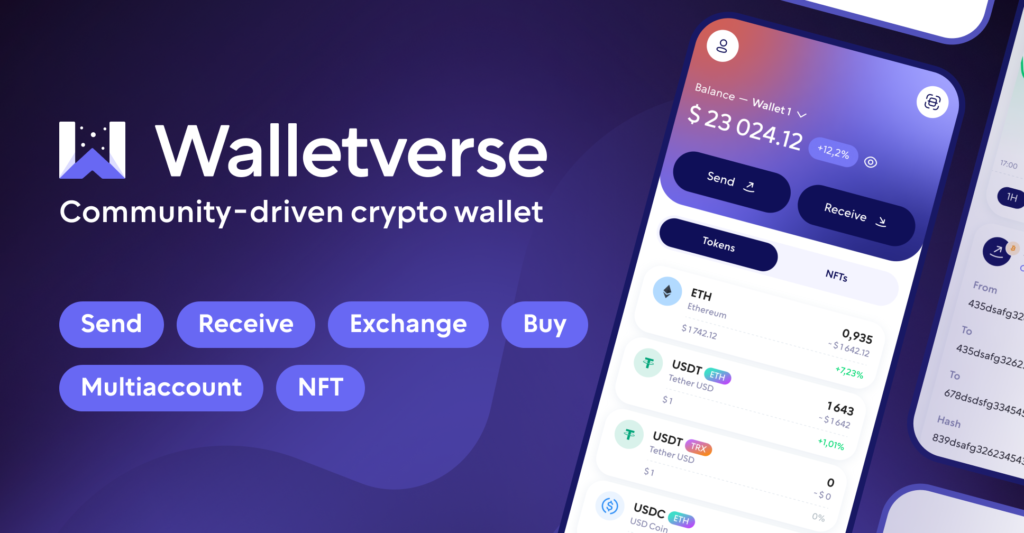
Walletverse is a mobile-first, multi-currency wallet that supports over 600 cryptocurrencies, including RLC. It combines sleek design with advanced security features such as biometric authentication, passcode protection, and full self-custody.
The wallet allows users to buy RLC directly with fiat via Apple Pay, Google Pay, or credit/debit cards in currencies like USD, EUR, KZT, INR, and more. It also includes dApp access, staking (for supported assets), and a seamless user experience for both beginners and advanced traders.
Pros:
- Easy RLC purchase with fiat options
- Highly secure mobile environment
- Intuitive for new users
- Multi-account support
- Community-driven development
Cons:
- No desktop version currently
- Advanced features may require learning curve


2. MetaMask
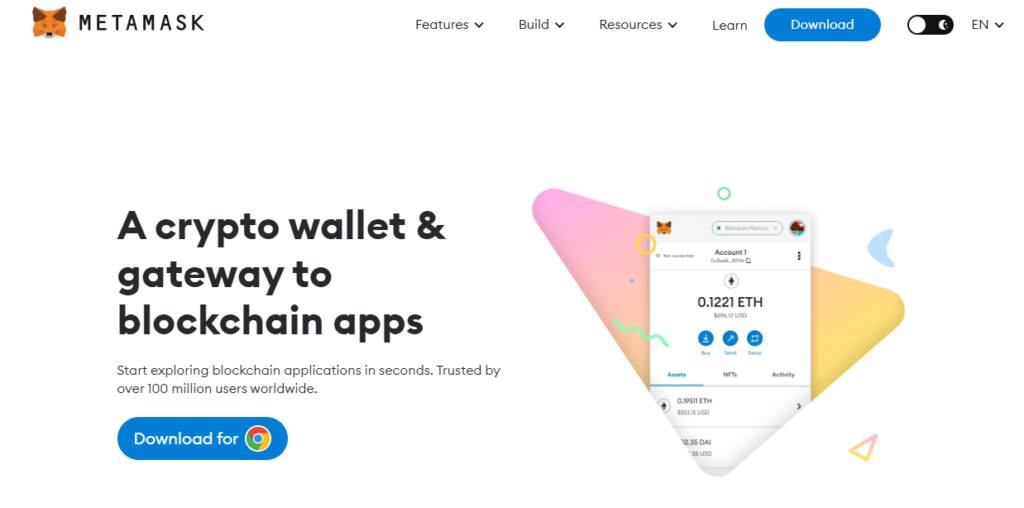
MetaMask is widely used for Ethereum-based assets and supports RLC as an ERC-20 token. It is available on browsers and mobile, offering flexible DeFi integration.
Pros:
- Strong Web3 and dApp support
- Private key control
- Works with hardware wallets
Cons:
- Can be complex for new users
- Doesn’t offer built-in fiat on-ramp
3. Coinbase Wallet
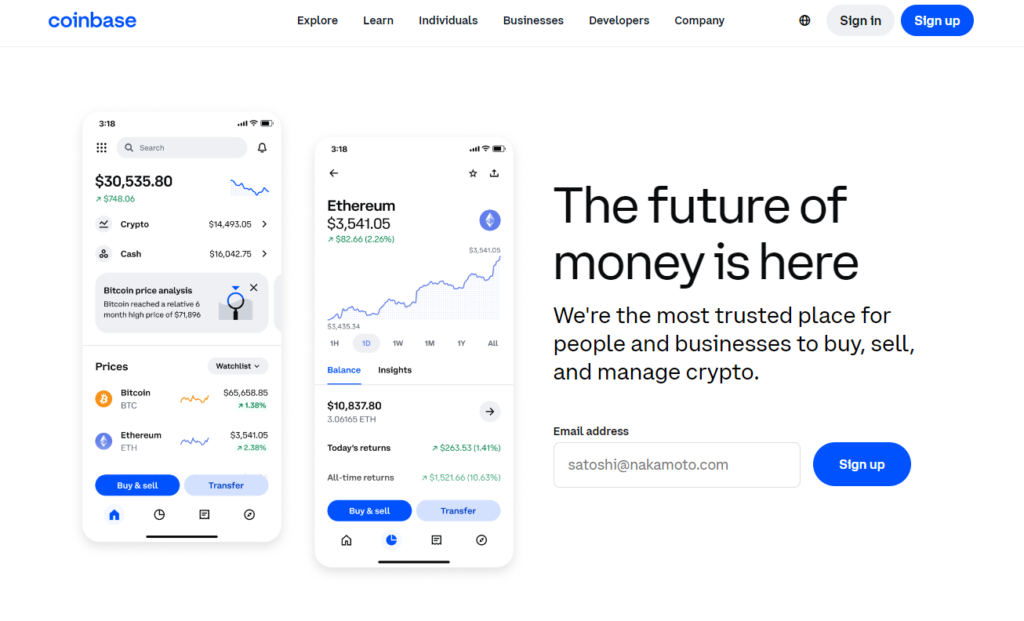
Coinbase Wallet is a non-custodial mobile wallet (separate from the exchange) that supports RLC. It allows secure key storage and interaction with dApps.
Pros:
- Recognized brand
- Safe, easy storage
- Web3 and NFT-friendly
Cons:
- Some features depend on Coinbase ecosystem
- Limited cross-chain support
4. Trust Wallet
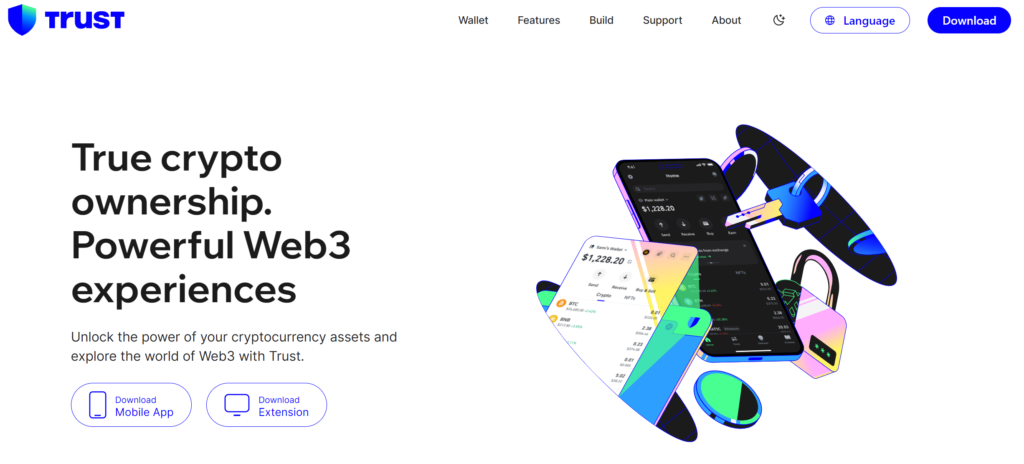
Trust Wallet is a mobile wallet with support for a wide range of tokens including RLC. It features a dApp browser and swap function within the app.
Pros:
- Supports thousands of assets
- User-friendly interface
- Quick token management
Cons:
- Owned by Binance
- No desktop version
5. Ledger Nano
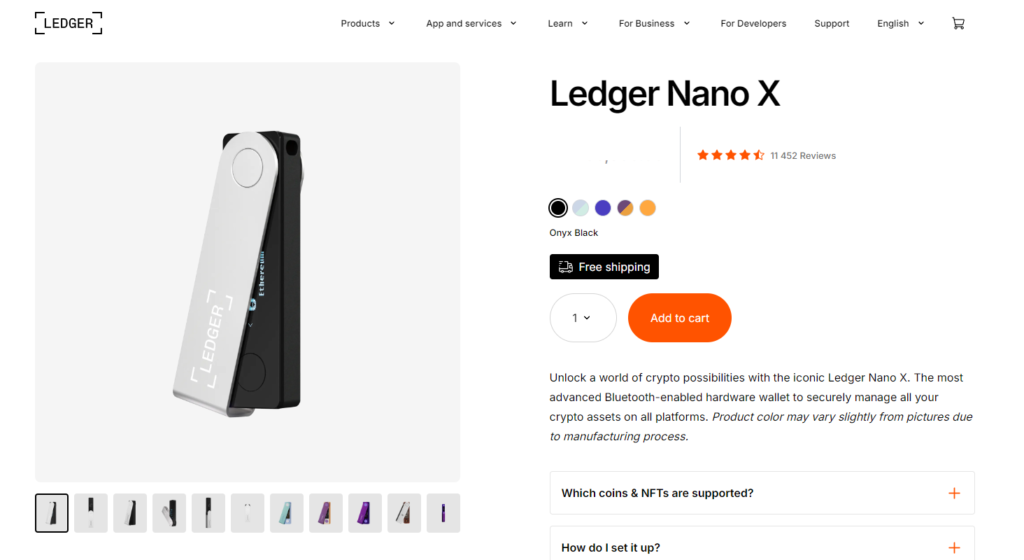
Ledger devices, such as Nano S and X, offer cold storage for RLC through third-party apps like MetaMask. Ideal for users who prioritize safety.
Pros:
- Offline storage
- Bluetooth support on Nano X
Cons:
- Initial setup complexity
- Expensive for casual users
6. Guarda Wallet
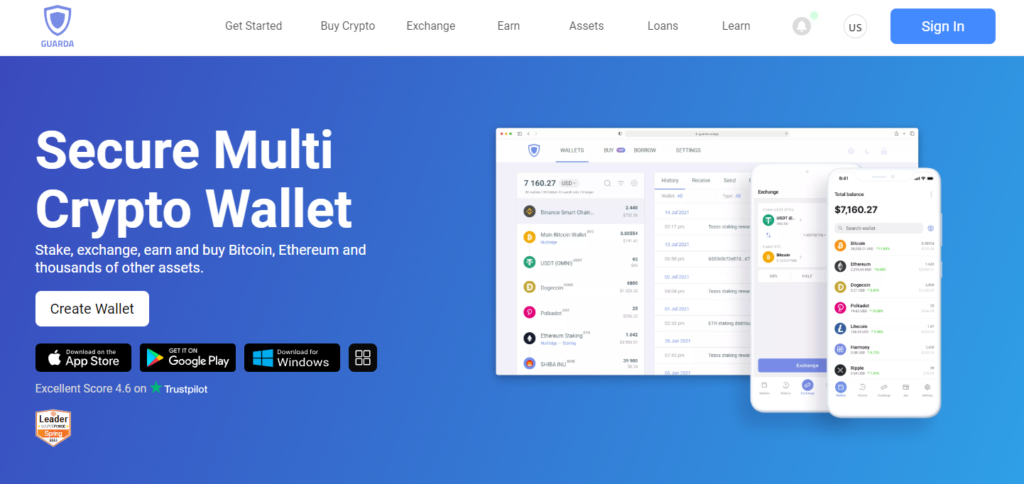
Guarda supports RLC and offers access across web, desktop, and mobile platforms. It also supports integration with Ledger for hardware-level security.
Pros:
- Cross-platform use
- Built-in exchange and staking
- Supports multiple chains
Cons:
- UI may seem overwhelming for beginners
- Some features require KYC
7. Coinomi
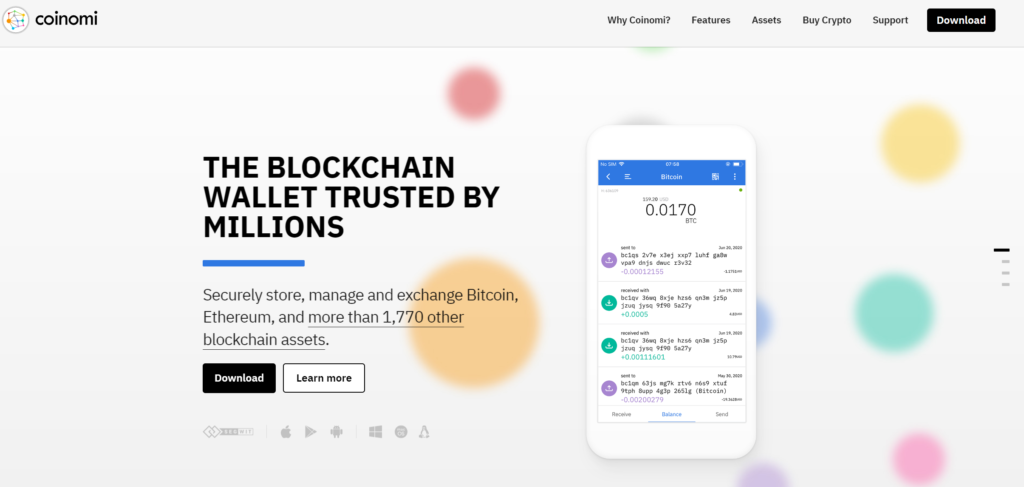
Coinomi is one of the oldest wallets available, supporting a wide range of cryptocurrencies including RLC. It offers mobile and desktop versions and multilingual support.
Pros:
- Fast and lightweight
- Good track record
- Supports many blockchains
Cons:
- Interface feels outdated
- Limited DeFi integrations
8. Trezor Wallet
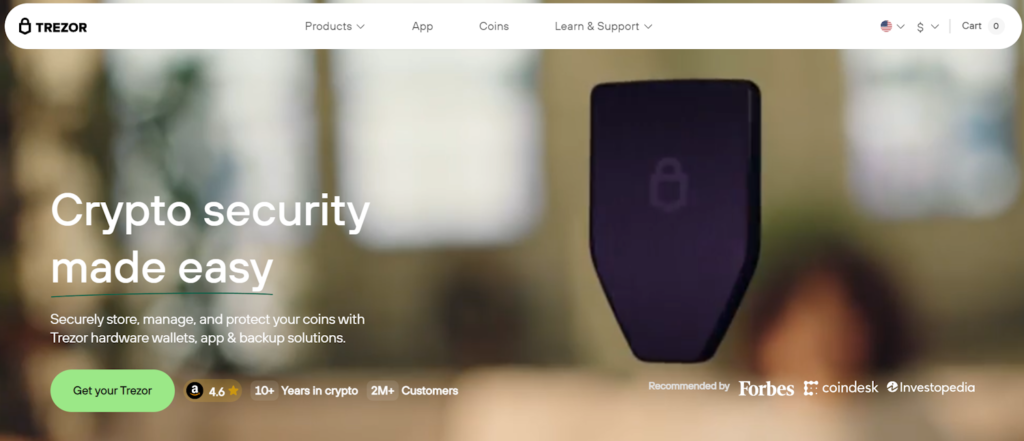
Trezor is a hardware wallet that stores your assets offline. You can access RLC tokens by connecting Trezor to MetaMask.
Pros:
- Top-level security
- Secure private key handling
Cons:
- REP access requires software bridge
- Not ideal for active traders
9. Atomic Wallet
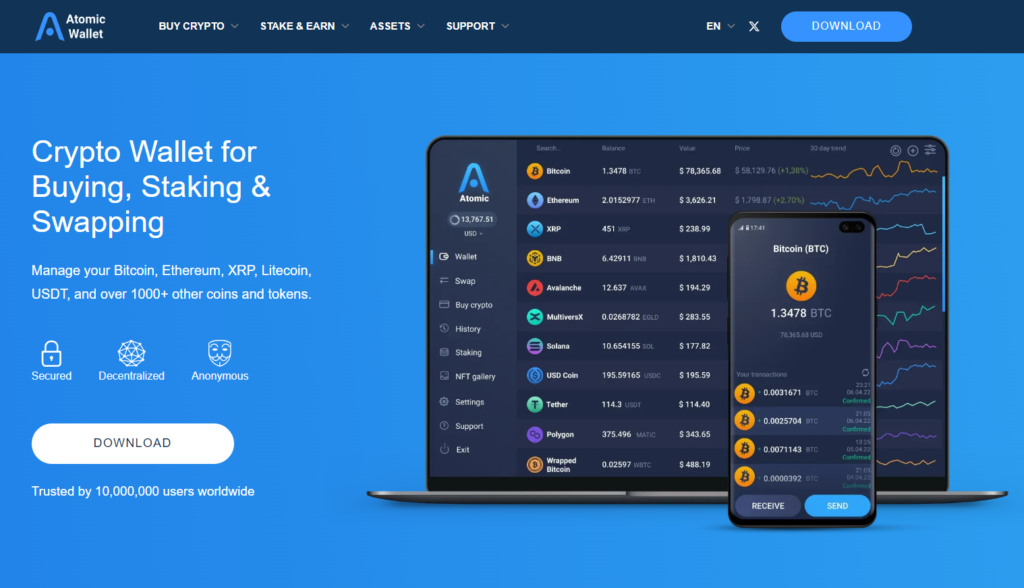
Atomic Wallet supports hundreds of coins including RLC. It offers private key control and in-app token purchase on both desktop and mobile.
Pros:
- Intuitive layout
- All-in-one wallet, swap, and purchase platform
- Regular updates
Cons:
- Fiat purchases may have high fees
- Not fully open-source
10. Exodus
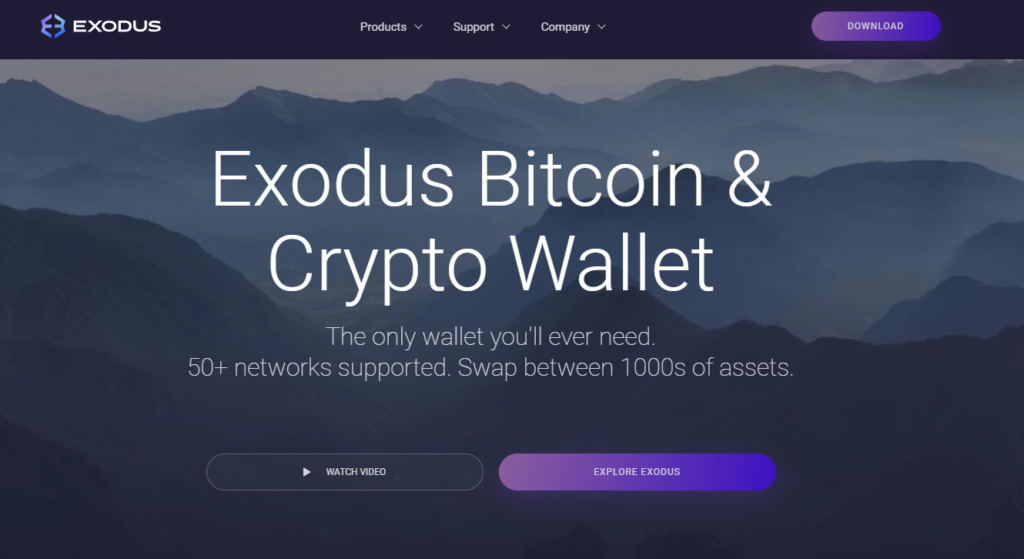
Exodus is known for its attractive interface and wide token support. It includes a built-in exchange and portfolio tools and supports RLC via Ethereum.
Pros:
- Stylish design
- Cross-platform (desktop and mobile)
- Built-in swap function
Cons:
- Closed-source
- No two-factor authentication
Where Can I Store iExec Token (RLC)?
RLC is an ERC-20 token and can be stored in any wallet that supports Ethereum-based assets. Hot wallets like Walletverse, Trust Wallet, or MetaMask offer fast access and integrations with DeFi apps. For long-term holding, cold storage with Ledger or Trezor provides enhanced protection.
Walletverse is a strong option for everyday use. Its mobile-first design, fiat on-ramp, and strong security features make it a practical and safe choice for storing and managing your RLC tokens.
iExec is quietly playing a powerful role in building decentralized computing infrastructure, and the RLC token is at the center of this movement. Whether you’re contributing resources to the network or simply investing in the ecosystem, managing RLC in 2026 is easier and safer than ever. With wallets like Walletverse, you can buy, store, and send RLC with confidence, all from your smartphone.
FAQ
Most frequent questions and answers
RLC has a unique role in decentralized cloud computing. As demand grows for distributed infrastructure, RLC may gain more traction. However, like any crypto, it should be approached with a long-term view and risk management.
You can buy RLC directly through Walletverse. The app supports Apple Pay, Google Pay, and major cards in multiple currencies, making it easy to purchase and store RLC securely
RLC is used to access and pay for decentralized computing resources within the iExec network. It facilitates transactions between resource providers and users in a transparent and secure way.


