How to Buy REN (REN) in 2026

In the evolving world of crypto, finding the right way to buy and store digital assets is essential. REN (REN) is one of the more technical yet powerful projects in the blockchain space, offering solutions for cross-chain liquidity. If you’re looking to buy REN in 2025, this guide will walk you through everything you need to know, from understanding the coin to choosing the best crypto wallets to store it securely.

What is REN (REN)?

REN is a cryptocurrency that powers the Ren protocol, an open protocol designed to enable private and interoperable transactions between different blockchain networks. Originally launched as Republic Protocol in 2017, the project rebranded to REN and has gained attention for its focus on cross-chain functionality.

The main goal of REN is to bring liquidity to decentralized finance (DeFi) by allowing assets to move freely across blockchains like Ethereum, Bitcoin, and others. It gained popularity as a backbone for various DeFi projects and is widely supported across major platforms. Its native token, REN, is used to power transactions and incentivize nodes in the network, making it a key player in the growing multi-chain ecosystem.

How Does REN (REN) Work?

REN enables cross-chain transactions through its core technology, RenVM, a decentralized virtual machine that acts as a trustless custodian. This allows users to lock assets like Bitcoin on one chain and mint an equivalent on another, such as Ethereum, without going through a centralized service.

RenVM operates using a network of darknodes, which are responsible for processing and validating these cross-chain transactions while maintaining privacy and security. Users pay transaction fees in REN to utilize the network. The system is built with privacy and decentralization in mind, making REN a useful asset for developers and DeFi users alike.

Top 10 Best Crypto Wallets to Buy REN (REN) in 2025 — Comparison

1. Walletverse

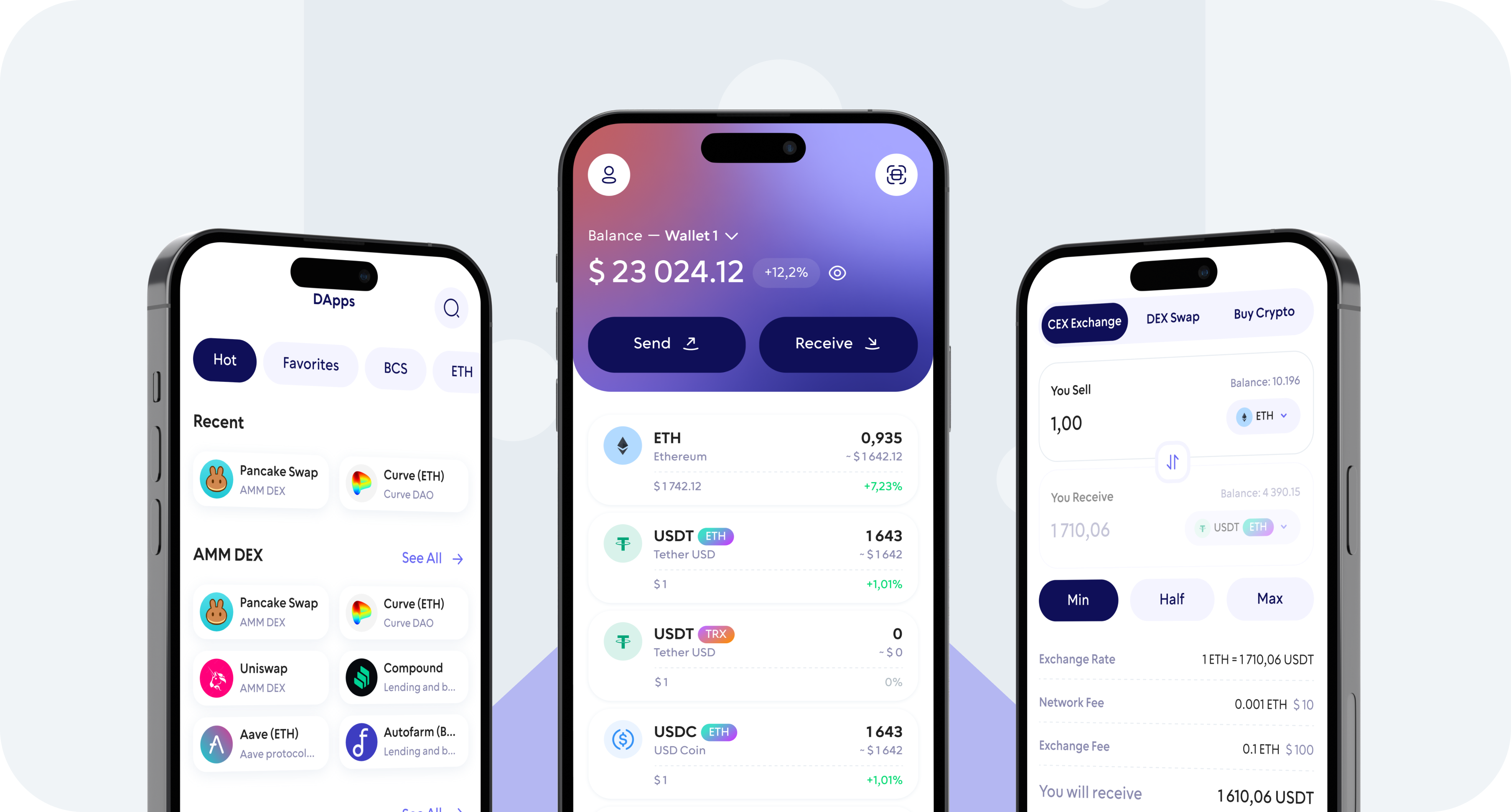
Walletverse - best crypto wallet

Walletverse is a mobile-first crypto wallet built for both beginners and experienced users. It supports over 600 cryptocurrencies, including REN. With a clean interface, biometric login, and self-custody architecture, it offers a secure way to buy and manage your crypto.

You can purchase REN directly through Apple Pay, Google Pay, or a credit/debit card. The app supports multiple fiat currencies like USD, EUR, KZT, INR, and more. Walletverse also includes access to dApps, multi-account support, and features like staking and DeFi integration.

Pros:

  • Fast and intuitive app;
  • Secure biometric authentication;
  • Buy REN with traditional payment methods;
  • Self-custody with no third-party access;
  • Active community and continuous updates.


Cons:

Mobile only.

2. MetaMask

Metamask website screenshot

MetaMask is one of the most widely used Ethereum wallets and supports REN as an ERC-20 token. It can be used both on mobile and desktop via browser extension.

Pros:

  • Well-established ecosystem;
  • Browser and mobile access;
  • Supports DeFi apps.

Cons:

  • Not beginner-friendly;
  • Focused mostly on Ethereum-based assets.

3. Coinbase Wallet

Coinbase website screenshot

Different from the Coinbase exchange, Coinbase Wallet is a separate self-custody mobile wallet that allows users to store REN and interact with Web3 apps.

Pros:

  • Easy to connect with Coinbase;
  • NFT and dApp support;
  • Reputable brand.

Cons:

  • Not as flexible outside the Coinbase ecosystem;
  • Some features require a Coinbase account.

4. Trust Wallet

Trust Wallet website screenshot

Trust Wallet is a popular mobile wallet owned by Binance. It supports a wide range of assets and includes a built-in browser for dApps. Users can buy crypto, including REN, directly in the app.

Pros:

  • Large token support;
  • dApp browser included;
  • Easy token swaps.

Cons:

  • Lacks some advanced security features;
  • Tied to Binance ecosystem.

5. Ledger Nano

Ledger nano x website screenshot

Ledger hardware wallets, like the Nano X, also allow storage of REN through integration with MetaMask. They offer excellent protection for long-term holders.

Pros:

  • Hardware-grade security;
  • Mobile support via Bluetooth (Nano X).

Cons:

  • Expensive for casual users;
  • Requires setup with third-party apps.

6. Guarda Wallet

Guarda wallet website screenshot

Guarda is a non-custodial wallet that offers Web, Desktop, and Mobile access. It supports REN and integrates with Ledger for hardware storage.

Pros:

  • Multiple platform support;
  • Integration with hardware wallets;
  • Easy token swaps.

Cons:

  • Some services require KYC;
  • UI can be complex for new users.

7. Coinomi

Coinomi website screenshort

Coinomi supports hundreds of cryptocurrencies including REN and is available on mobile and desktop. It offers in-app crypto purchases and strong multilingual support.

Pros:

  • Multi-platform;
  • Built-in exchange;
  • Long history in the market.

Cons:

  • Outdated UI;
  • Limited community growth in recent years.

8. Trezor Wallet

Trezor website screenshot

Trezor is a hardware wallet. While it doesn’t support REN natively, it can be used through third-party interfaces like MetaMask for storing REN securely.

Pros:

  • Industry-standard hardware security;
  • Cold storage protection.

Cons:

  • Requires external interface to access REN;
  • Less convenient for frequent transactions.

9. Atomic Wallet

Atomic wallet website screenshort

Atomic Wallet offers desktop and mobile versions with support for REN. It includes built-in staking and lets users buy crypto using a bank card.

Pros:

  • Cross-platform (desktop and mobile);
  • User-friendly interface;
  • Integrated exchange.

Cons:

  • Limited dApp integration;
  • Not fully open-source.

10. Exodus

Exodus website screenshot

Exodus is known for its clean design and desktop-first approach, but also offers a mobile app. REN is supported as part of its ERC-20 token list.

Pros:

  • Sleek UI;
  • Built-in exchange;
  • Portfolio tracking.

Cons:

  • Closed source;
  • No two-factor authentication.

Where Can I Store REN (REN)?

REN can be stored in both hot wallets (like Walletverse, Trust Wallet, or MetaMask) and cold wallets (like Ledger or Trezor via third-party apps). The best choice depends on your needs. For frequent trading or DeFi interaction, a secure mobile wallet like Walletverse offers speed and usability. For long-term holding, pairing with a hardware wallet ensures maximum security.

Look for a wallet that gives you full control over your keys and offers backup features in case your device is lost. Self-custody wallets like Walletverse make it easy to manage your funds safely without depending on centralized platforms.


REN plays a vital role in the cross-chain future of DeFi, and 2025 is shaping up to be a great time to get involved. Whether you’re an experienced trader or just starting out, using a secure and intuitive wallet is essential for managing your REN tokens. Mobile-first options like Walletverse combine security with ease of use, making them ideal for buying, storing, and using REN on the go.

FAQ

Most frequent questions and answers

REN has proven its value as a cross-chain enabler, and its use case remains relevant in the growing DeFi sector. However, like all cryptocurrencies, it carries risks and should be considered part of a diversified portfolio.

You can buy REN using Walletverse, a self-custody mobile crypto wallet that supports over 600 cryptocurrencies. It allows purchases through Apple Pay, Google Pay, and bank cards in multiple currencies.

REN is used to pay transaction fees within the RenVM ecosystem. It powers cross-chain transfers and incentivizes the darknodes that validate and execute transactions across different blockchains.