


How to Buy Reserve Rights (RSR) in 2026
As stablecoin ecosystems mature and expand across emerging markets, projects like Reserve Rights (RSR) are drawing more attention for their dual-token economic model and focus on financial stability. If you’re exploring cryptocurrency options with strong use cases in inflation protection and decentralized governance, RSR is a project worth looking into. Here’s how to buy Reserve Rights (RSR) in 2026 and where to store it safely.
What is Reserve Rights (RSR)?
Reserve Rights (RSR) is the governance and utility token behind the Reserve Protocol, a project built to create stable, inflation-resistant currencies that can serve as alternatives to volatile national currencies. The protocol uses a two-token model: RSV, a stablecoin backed by a basket of assets, and RSR, which is used to stabilize RSV and govern the protocol.
Launched in 2019, RSR initially gained traction as a tool for supporting economic stability in regions suffering from hyperinflation. The project quickly caught the attention of users across Latin America and Africa, where access to stable financial instruments is often limited. Over time, RSR has grown into a token with real-world applications and a dedicated user base, particularly in the context of decentralized stable assets.
How Does Reserve Rights (RSR) Work?
RSR functions as a governance and insurance mechanism within the Reserve Protocol. Here’s how it fits into the system:
- RSV, the protocol’s stablecoin, is backed by a basket of tokenized assets held in smart contracts. It is designed to maintain a stable value over time.
- RSR holders play a key role by staking their tokens to govern changes to the Reserve Protocol and, in some cases, to recapitalize the system if the collateral behind RSV loses value.
If a collateral token in the backing basket devalues or becomes untrustworthy, the protocol can use RSR to auction new tokens and restore reserve balance. This creates an incentive for RSR holders to act in the best interest of the protocol, aligning governance with financial integrity.
In short, RSR is designed not just for speculative trading, but for ensuring the long-term viability of decentralized stable assets.
Top 10 Best Crypto Wallets to Buy Reserve Rights (RSR) in 2026
1. Walletverse
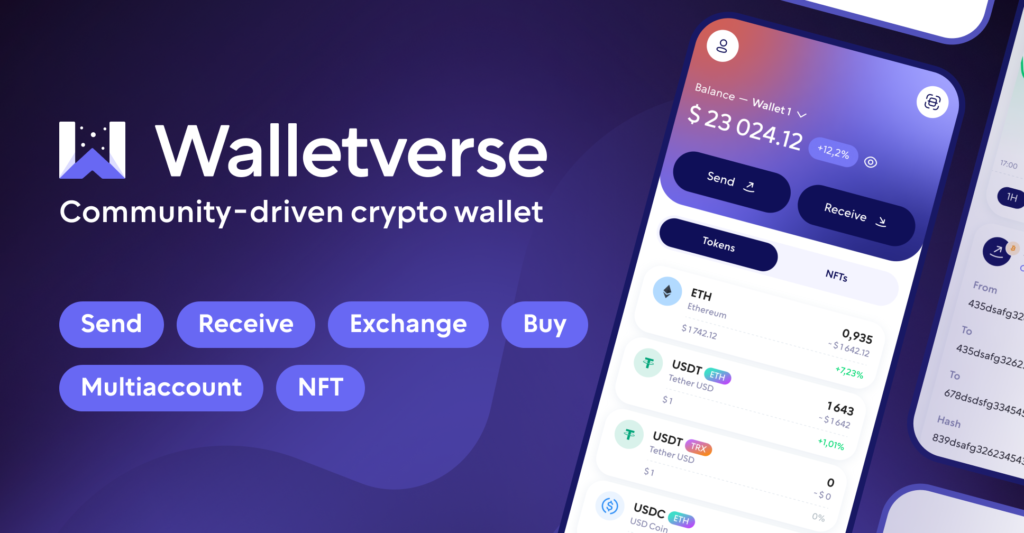
Walletverse is a secure and flexible mobile wallet designed for both casual users and experienced crypto investors. It supports over 600 cryptocurrencies, including RSR, and enables direct token purchases through Apple Pay, Google Pay, and major credit/debit cards in multiple currencies like USD, KZT, EUR, INR, CAD, and AUD.
With strong biometric authentication, passcode security, and full user control (no third-party access to private keys), Walletverse delivers a premium self-custody experience. It also supports dApps, staking features, and multi-account setups, all packed into a lightweight mobile interface.
Pros:
- Buy RSR instantly using fiat
- Secure and user-friendly mobile app
- Supports dApps and multi-chain assets
- Self-custody with advanced privacy tools
- Regular updates and responsive community
Cons:
- Mobile-only interface (no desktop client)
- Some advanced DeFi features may require learning curve


2. MetaMask

MetaMask allows users to store and manage ERC-20 tokens like RSR. It’s available as a browser extension and a mobile app, making it ideal for users active in DeFi.
Pros:
- Supports custom networks and tokens
- Great for dApp users and developers
- Connects easily to cold storage solutions
Cons:
- No built-in fiat purchase options
- Less intuitive for beginners
3. Coinbase Wallet

Coinbase Wallet is a self-custody solution distinct from the Coinbase exchange. It supports RSR and provides access to Web3 features including NFTs and DeFi apps.
Pros:
- Strong brand and user-friendly interface
- Secure and beginner-oriented
- Easy backup via seed phrase
Cons:
- Better suited for users already in the Coinbase ecosystem
- Not all assets are directly swappable
4. Trust Wallet
Trust Wallet is a well-known mobile wallet that supports Ethereum-based tokens like RSR. It also features staking, token swaps, and a built-in Web3 browser for interacting with decentralized apps.
Pros:
- Extensive token compatibility
- Easy integration with dApps
- No account registration required
Cons:
- No desktop version
- Owned by Binance, which may raise concerns for users seeking independence
5. Ledger Nano

Ledger devices such as Nano S and Nano X support RSR through MetaMask integration. This combo is popular among users seeking secure cold storage.
Pros:
- Bluetooth support (Nano X)
- Full protection of private keys
- Widely trusted in the industry
Cons:
- Higher learning curve for setup
- Cost may deter casual users
6. Guarda Wallet
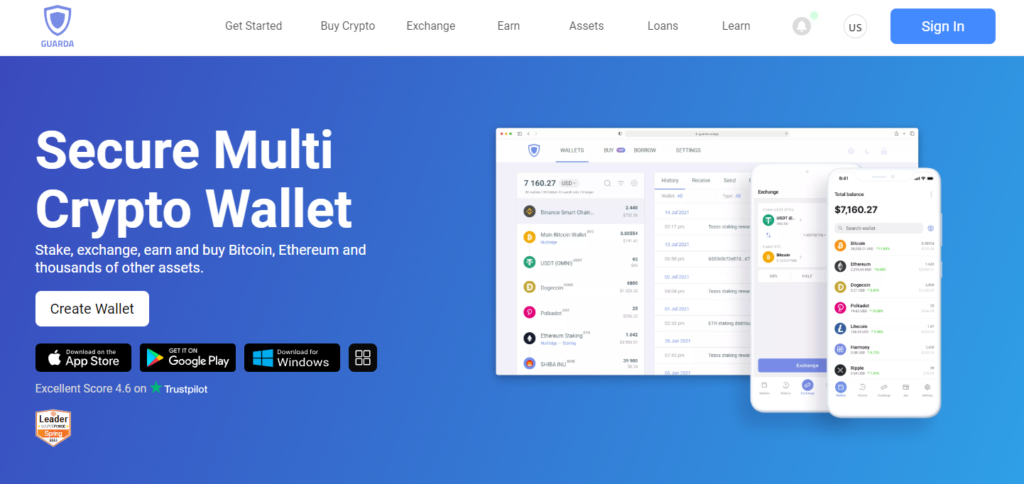
Guarda supports web, mobile, and desktop access, with full ERC-20 token compatibility. RSR can be stored, swapped, or managed alongside other assets.
Pros:
- Multi-platform experience
- Hardware wallet integration
- Private key control
Cons:
- Advanced features may require KYC
- Complex for first-time users
7. Coinomi
Coinomi has been around since 2014 and offers wide token support, including RSR. It’s available on desktop and mobile, and known for its speed and reliability.
Pros:
- Fast and lightweight
- Multilingual interface
- Longstanding reputation in the space
Cons:
- Interface feels outdated
- Not ideal for dApp or DeFi use
8. Trezor Wallet
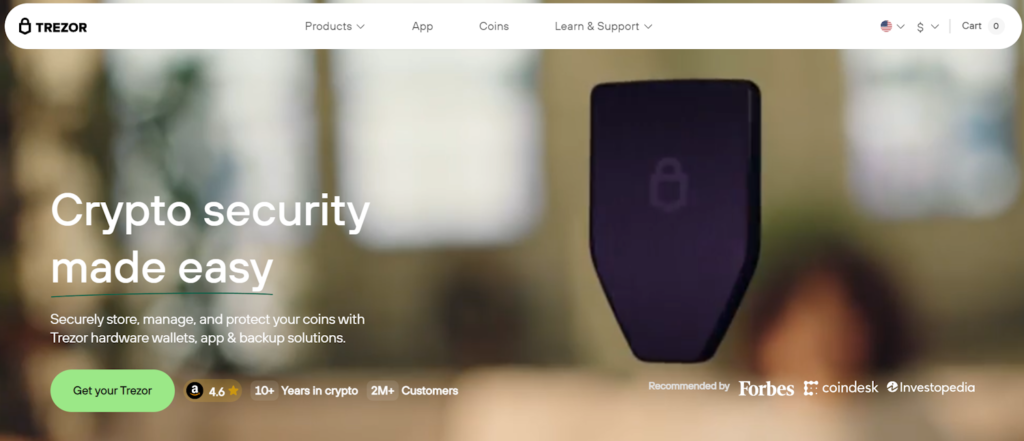
Trezor hardware wallets offer offline storage of RSR when connected through MetaMask or other interface wallets.
Pros:
- Maximum security
- Open-source and transparent
- Long-term storage option
Cons:
- Requires external setup for RSR access
- Not ideal for active trading
9. Atomic Wallet
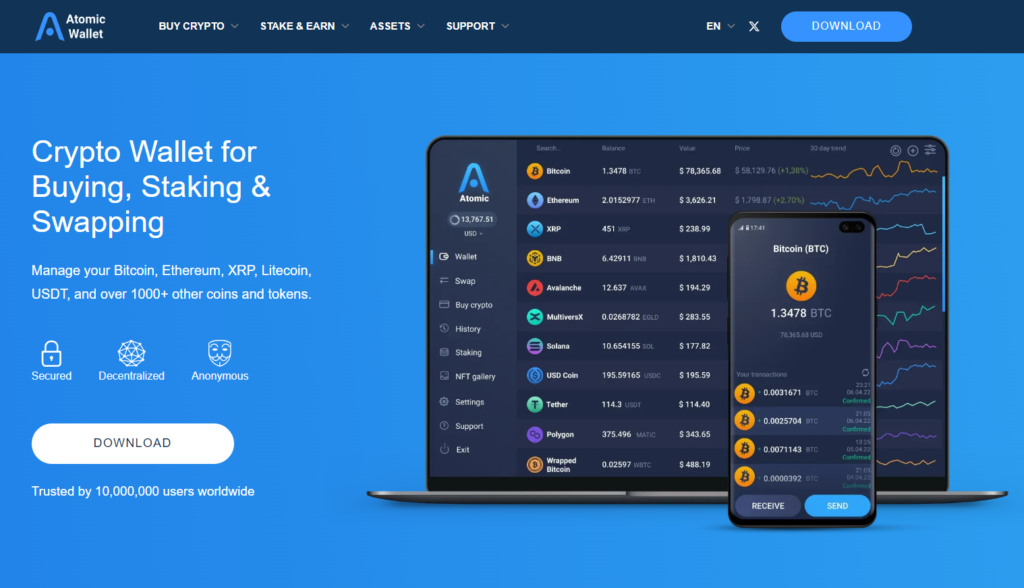
Atomic Wallet is a decentralized wallet with built-in purchase, swap, and staking features. It supports a wide range of tokens including RSR.
Pros:
- Private keys stay with the user
- Easy-to-use UI
- Desktop and mobile compatibility
Cons:
- In-app fiat purchases may carry fees
- Not fully open-source
10. Exodus

Exodus is a multi-asset wallet offering both mobile and desktop platforms. It supports RSR as an ERC-20 token and includes built-in portfolio tracking and token swaps.
Pros:
- Clean and intuitive design
- Multi-platform availability
- Good educational support for users
Cons:
- Closed source
- No two-factor authentication
Where Can I Store Reserve Rights (RSR)?
Since RSR is an Ethereum-based token, it can be stored in any wallet compatible with ERC-20 assets. Mobile wallets like Walletverse or Trust Wallet offer ease of use and fast access to your tokens, while hardware wallets such as Ledger or Trezor provide additional security for long-term storage.
Walletverse is especially practical for everyday users, offering in-app token purchases, strong encryption, and a mobile-first experience that combines usability with full self-custody.
Reserve Rights (RSR) is not just another utility token, it plays a foundational role in building stable, decentralized financial systems for real-world adoption. As more users look for alternatives to traditional banking and centralized currencies, RSR stands out for its practical use case and global mission.
With tools like Walletverse, buying and storing RSR in 2026 has become straightforward. Whether you’re just starting or expanding your portfolio, Walletverse provides a secure and simple solution to manage your crypto with confidence.
FAQ
Most frequent questions and answers
RSR has strong fundamentals tied to real-world utility, especially in regions facing economic instability. Its potential lies in long-term adoption and governance within decentralized stablecoin ecosystems.
You can buy RSR directly through Walletverse using Apple Pay, Google Pay, or credit/debit cards in various fiat currencies. It’s a secure and fast way to get started with full self-custody.
RSR is used for stabilizing the RSV stablecoin, participating in governance decisions, and maintaining the integrity of the Reserve Protocol’s decentralized economic model.


