


How to Buy SSV Token (SSV) in 2026
Decentralized staking is becoming increasingly important as Ethereum continues its transition to full Proof of Stake. Among the protocols driving this change is SSV Network, and at the heart of it lies the SSV token. As staking infrastructure grows in demand, SSV Token plays a key role in enabling secure and decentralized validator management. If you’re considering adding SSV to your portfolio in 2026, this guide will help you understand what it is, how it works, and where to buy and store it safely.
What is SSV Token (SSV)?
SSV Token is the native utility and governance token of the SSV Network, a decentralized staking infrastructure designed for Ethereum validators. SSV stands for “Secret Shared Validator,” a concept that splits a validator’s private key into multiple parts (key shares) and distributes them across several nodes.
The SSV Network was initiated by Blox, a blockchain infrastructure provider, and later developed into a DAO-governed ecosystem. It gained attention after being integrated into Ethereum’s staking landscape and is supported by the Ethereum Foundation’s grants program. SSV enables validators to decentralize key management, increasing resilience and fault tolerance.
Its popularity has grown in tandem with Ethereum’s staking adoption, making it a notable asset for anyone interested in validator services or infrastructure-level DeFi investments.
How Does SSV Token (SSV) Work?
The primary use case for SSV Token lies in operating the SSV Network. Here’s how it functions:
- Operator Incentives. Node operators receive SSV tokens as payment for running validator services.
- Governance. Token holders can vote on proposals that affect protocol upgrades, fee structures, and operational guidelines.
- Staking Infrastructure. SSV tokens are used to stake on operators to ensure they are selected and trusted by the network.
The core innovation of SSV is distributing validator operations across multiple independent nodes. This setup helps prevent single points of failure, making staking more secure and decentralized. Validators pay fees in SSV to operators, aligning economic incentives with protocol reliability.
Top 10 Best Crypto Wallets to Buy SSV Token (SSV) in 2026
1. Walletverse
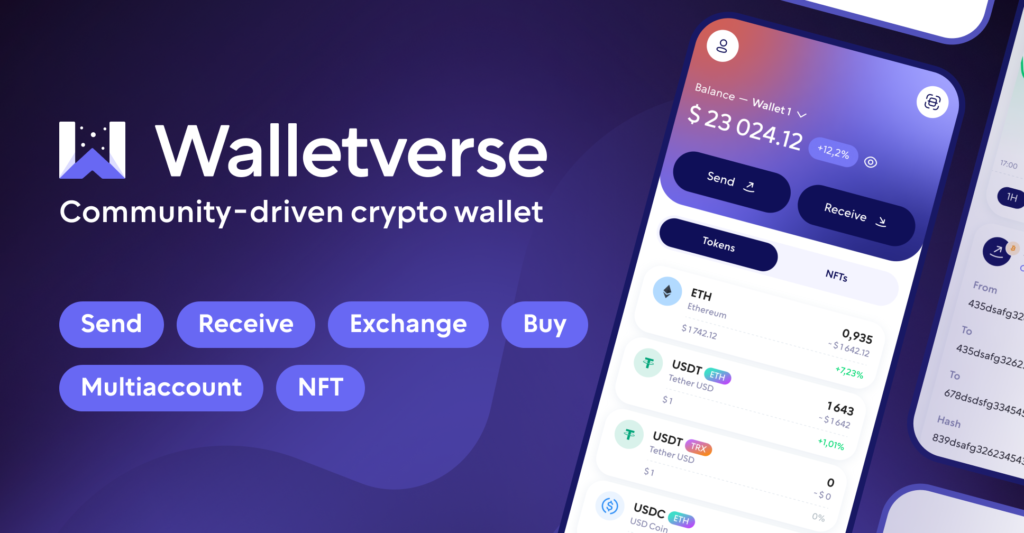
Walletverse is a mobile-first self-custody wallet that supports SSV and over 600 cryptocurrencies. Designed for both beginners and advanced users, it allows quick purchases via Apple Pay, Google Pay, and various fiat currencies.
Its decentralized nature means only you control your funds. The app integrates Web3 and DeFi features, and includes strong security protocols such as biometric authentication and passcode protection. You can manage multiple accounts, access dApps, and even stake assets like Solana.
Pros
- Buy SSV directly with fiat
- Mobile-native and easy to use
- Strong security and privacy
- dApp and DeFi support
- Self-custody wallet
Cons
- No desktop version


2. MetaMask

MetaMask is a trusted Ethereum wallet available on browser and mobile. It supports SSV as an ERC-20 token and integrates with most dApps.
Pros
- Popular and widely adopted
- Easy to use with DeFi protocols
- Compatible with hardware wallets
Cons
- No fiat purchase options built-in
- Can be complex for beginners
3. Coinbase Wallet

Not to be confused with the exchange, Coinbase Wallet is a self-custody app that supports ERC-20 tokens like SSV.
Pros
- Easy to use
- Backed by a major brand
- Good mobile dApp integration
Cons
- Limited DeFi interaction compared to MetaMask
- Geared toward Coinbase ecosystem
4. Trust Wallet
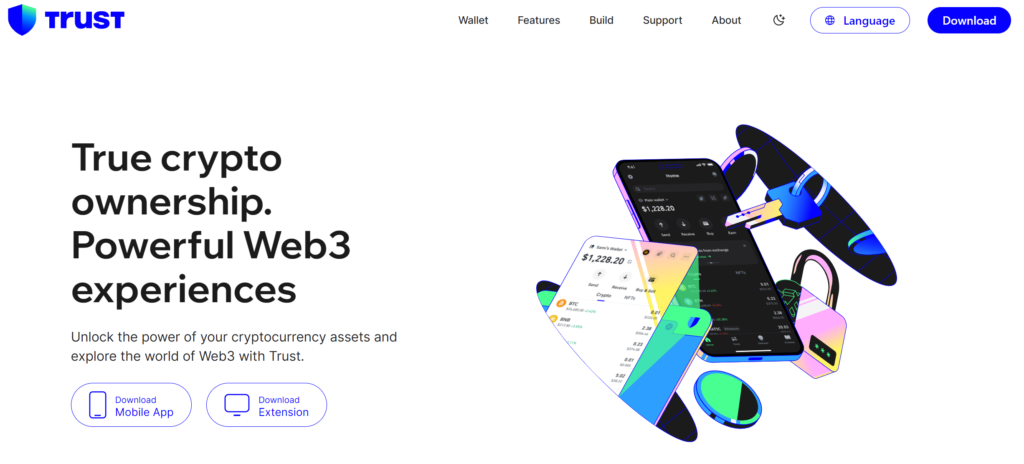
Trust Wallet supports SSV tokens and offers a simple mobile interface with integrated token swaps.
Pros
- Simple mobile interface
- Large token support
- Built-in browser for Web3 apps
Cons
- No desktop client
- Limited staking options for SSV
5. Ledger Nano

Ledger hardware wallets allow cold storage of SSV. Integration with MetaMask enables interaction with DeFi protocols.
Pros
- Maximum security
- Offline key storage
- dApp access through MetaMask
Cons
- Requires third-party setup
- Slower for active trading
6. Guarda Wallet
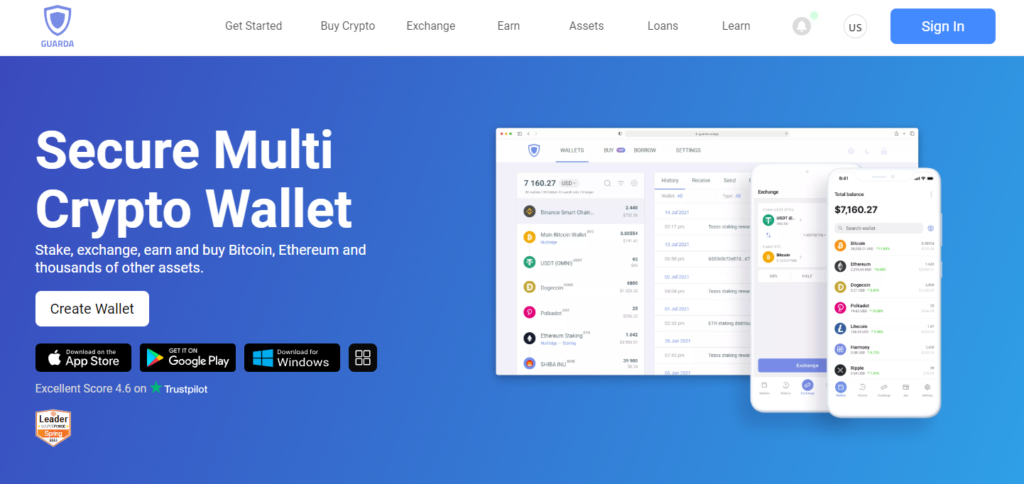
Guarda supports SSV and offers both desktop and mobile apps. It’s suitable for those who want flexibility in managing assets across platforms.
Pros
- Multi-platform
- DeFi and staking support
- Hardware wallet integration
Cons
- Interface may be overwhelming
- KYC required for some features
7. Coinomi
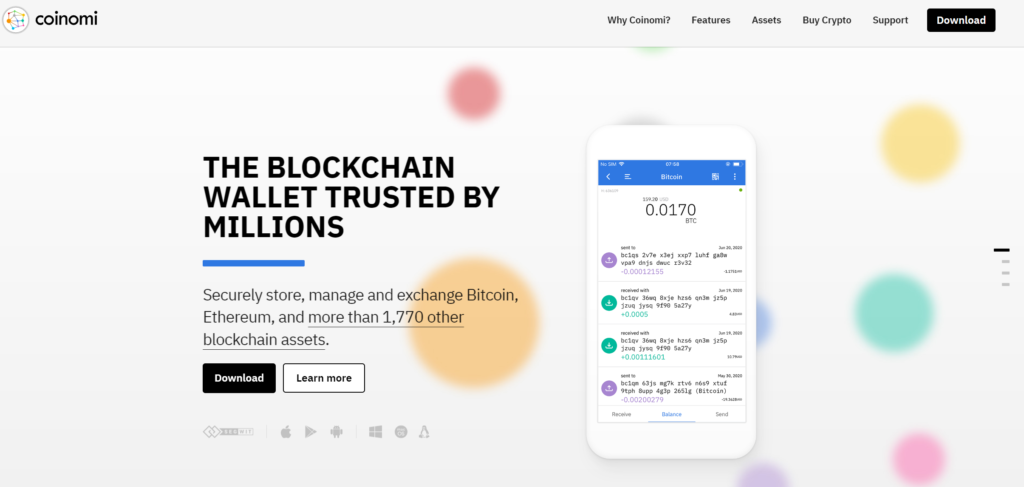
Coinomi is known for speed and multilingual support. It supports ERC-20 tokens like SSV but lacks direct DeFi integrations.
Pros
- Lightweight and fast
- Good for mobile users
- Easy to set up
Cons
- Limited Web3 access
- Outdated design in some areas
8. Trezor Wallet
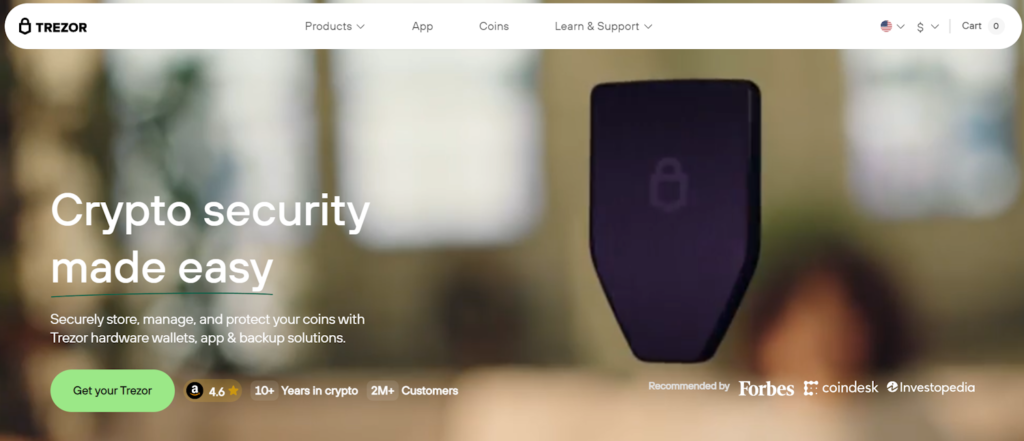
Trezor is another hardware wallet option that supports SSV through MetaMask.
Pros
- Cold storage for high-value assets
- Proven security record
- Ideal for long-term holders
Cons
- Setup takes time
- Not suited for daily use
9. Atomic Wallet
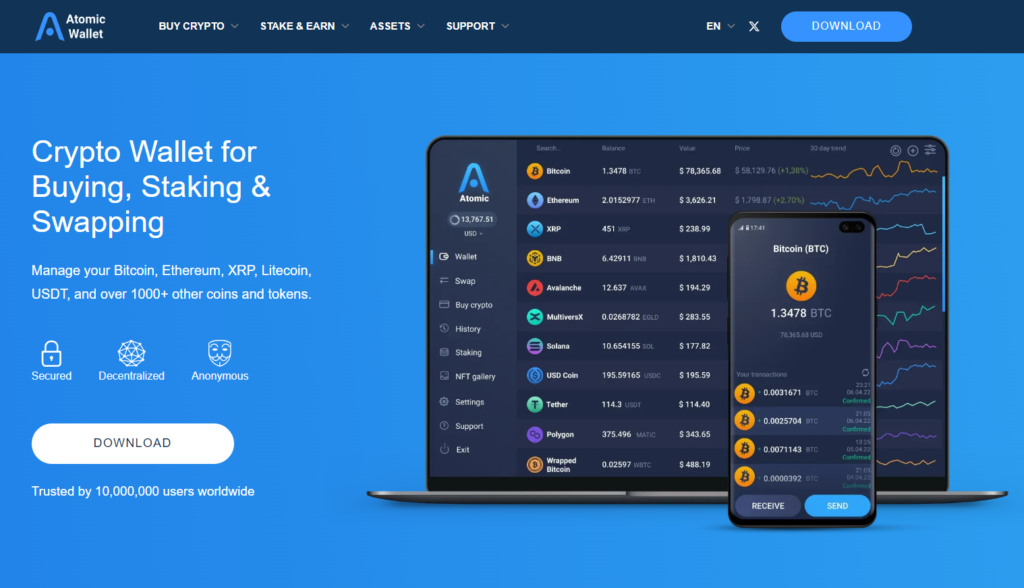
Atomic Wallet supports a wide range of assets including SSV, and offers fiat purchase functionality.
Pros
- Cross-platform support
- Built-in purchase options
- Non-custodial
Cons
- Higher fiat purchase fees
- Lacks advanced Web3 features
10. Exodus

Exodus offers both mobile and desktop wallets with a focus on simplicity and ease of use. SSV can be stored as an ERC-20 token.
Pros
- User-friendly interface
- Desktop and mobile support
- Built-in exchange
Cons
- Closed-source software
- May not support advanced DeFi interactions
Where Can I Store SSV Token (SSV)?
SSV is an ERC-20 token, which means it can be stored in any Ethereum-compatible wallet. The best choice depends on your use case: Walletverse offers quick buying and mobile convenience, while Ledger or Trezor is ideal for long-term storage.
For active users, Walletverse provides an all-in-one mobile solution with purchase, storage, and DeFi access rolled into one secure platform.
SSV Token is a foundational piece in Ethereum’s decentralized staking future. Whether you’re an infrastructure-focused investor or just exploring high-potential tokens, SSV is worth considering. Choosing the right wallet ensures you can manage your assets securely and effectively.
Walletverse stands out in 2026 as a go-to mobile wallet for buying and storing SSV thanks to its smooth UX, fiat compatibility, and privacy-first design.
FAQ
Most frequent questions and answers
If you believe in Ethereum’s long-term success and the growth of decentralized staking, SSV represents one of the core infrastructure plays in that space. As always, evaluate the risks before investing.
Walletverse allows users to purchase SSV directly with Apple Pay, Google Pay, or debit/credit cards in various currencies. It combines fiat access with strong wallet security.
SSV is used to pay node operators, vote in network governance, and support decentralized validator operations. It underpins the economic and technical structure of the SSV Network.


