How to Buy STPT (STPT) in 2025
The crypto space in 2025 continues to evolve with innovative projects that go beyond simple transactions. One such project is STPT (Standard Tokenization Protocol), designed to streamline asset tokenization and expand blockchain accessibility. If you’re considering buying STPT this year, this guide walks you through what it is, how it works, and how to manage it securely using the best wallets available.
What is a STPT (STPT)?
STPT is the native utility token of the Standard Tokenization Protocol, a decentralized platform that enables the tokenization and compliance management of digital assets. The protocol aims to simplify how assets are issued, managed, and transferred on the blockchain, making tokenized investing more accessible to global users.
Launched in 2019, STPT originally gained traction through the Blockzone ecosystem. Over time, it attracted attention for supporting a wide range of tokenization use cases, including fractional ownership of assets, digital securities, and compliant fundraising. The STPT token itself is primarily used to interact with the protocol, access platform features, and vote on community governance proposals.
STPT’s relevance continues to grow as asset tokenization gains momentum across traditional finance, DeFi, and real estate.
How Does STPT (STPT) Work?
The STP network allows projects to issue digital assets that comply with legal and regulatory standards in any given jurisdiction. STPT acts as a utility and governance token within the system.
Key elements of how STPT works:
- Used as gas or transaction fees within the protocol;
- Powers governance by allowing holders to vote on changes and proposals;
- Enables participation in tokenized investment offerings on supported platforms;
- Compatible with Ethereum and other major chains for broad interoperability;
- Acts as a payment medium for token issuance and compliance services.
This makes STPT essential for operating within the STP framework and also useful in broader Web3 ecosystems where compliance and transparency are priorities.
Top 10 Best Crypto Wallets to Buy STPT (STPT) in 2025 – Comparison
1. Walletverse
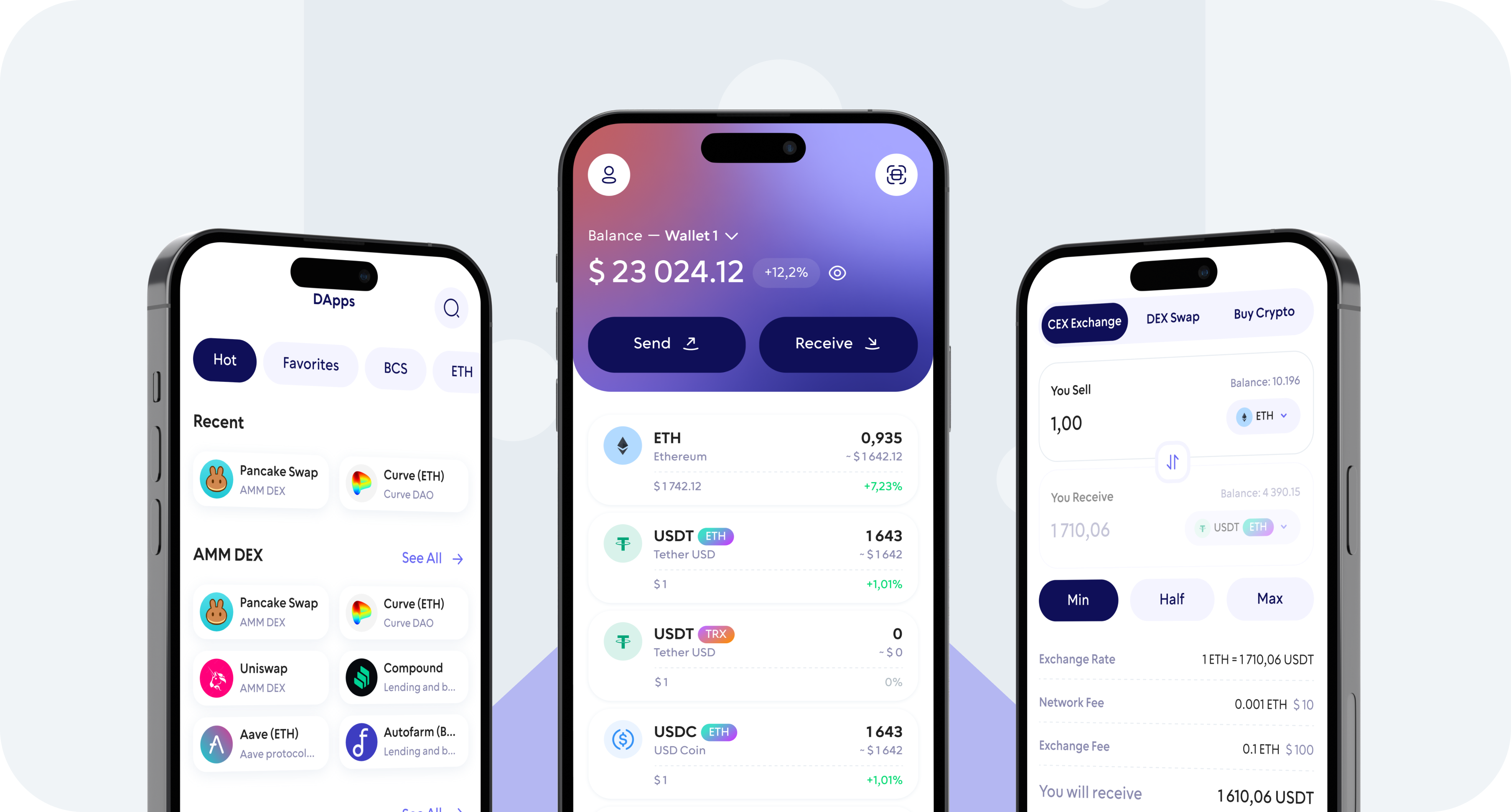
Walletverse – An advanced mobile wallet offering powerful tools for buying, storing, and managing over 600 cryptocurrencies, including STPT.
Pros:
- Buy crypto with Apple Pay, Google Pay, or cards (USD, EUR, INR, KZT, etc.)
- User-friendly interface for beginners and advanced users
- Biometric and passcode protection for enhanced security
- Built-in dApp support and multi-account functionality
- Decentralized and self-custodial
Cons:
- No desktop version yet
2. MetaMask
A go-to option for Web3 users and DeFi activity, available on both desktop and mobile.
Pros:
- Full Ethereum compatibility
- Supports STPT with easy import
- Connects to dApps and hardware wallets
Cons:
- Interface may be confusing for beginners
- Requires manual gas fee configuration
3. Coinbase Wallet
Self-custody wallet by Coinbase, separate from the exchange.
Pros:
- Supports STPT and ERC-20 tokens
- Easy access and onboarding
- Good mobile security features
Cons:
- Not as flexible for advanced users
- No staking for STPT
4. Trust Wallet
Popular mobile wallet known for wide token support and simple usability.
Pros:
- Supports STPT and other ERC-20 tokens
- Integrated dApp browser
- Strong reputation among mobile users
Cons:
- Lacks desktop platform
- Limited staking options
5. Ledger Nano
Highly secure hardware wallet, ideal for long-term STPT storage.
Pros:
- Best-in-class hardware security
- Works with MetaMask and other apps
- Bluetooth support for mobile connectivity
Cons:
- Requires purchase
- Less convenient for quick access
6. Guarda Wallet
A non-custodial wallet supporting thousands of crypto assets.
Pros:
- STPT support via Ethereum network
- Available on web, mobile, and desktop
- Simple and clean UI
Cons:
- No hardware wallet integration
- Fewer in-app tools
7. SafePal
Offers both mobile and hardware wallets with wide token support.
Pros:
- STPT supported
- Web3 and DeFi integrations
- Built-in swap and browser
Cons:
- Less widespread adoption
- Limited support for some advanced tools
8. Trezor Wallet
Hardware wallet offering advanced security for long-term investors.
Pros:
- Open-source firmware
- Secure offline storage for STPT
- Integrates with multiple apps
Cons:
- USB only, no wireless option
- Learning curve for new users
9. Atomic Wallet
A multi-platform wallet with broad asset support and private key control.
Pros:
- Compatible with STPT and other Ethereum-based tokens
- Easy-to-use interface
- Buy and hold assets directly
Cons:
- No Web3 or DeFi integrations
- Fewer features compared to specialized wallets
10. Exodus
Stylish and secure wallet available on both mobile and desktop.
Pros:
- Intuitive design
- STPT accessible through Ethereum network
- Built-in token swap features
Cons:
- No native staking for STPT
- Closed-source codebase
Where Can I Store STPT (STPT)?
Since STPT is an ERC-20 token, it can be stored in any wallet that supports Ethereum assets. Walletverse stands out as a mobile-first, secure, and intuitive choice. It offers full self-custody, passcode and biometric protection, and the ability to buy and send STPT instantly.
For long-term investors, combining Walletverse with a hardware wallet like Ledger or Trezor provides maximum security and flexibility.
STPT continues to play a crucial role in the growing tokenization market, powering projects that bring real-world assets onto the blockchain in a compliant and efficient way. Whether you’re holding STPT for governance, platform access, or long-term belief in tokenized finance, having a secure and accessible wallet is key.
Walletverse simplifies the process by offering an all-in-one mobile app for managing STPT alongside hundreds of other cryptocurrencies.
FAQ
Most frequent questions and answers
STPT supports a protocol that aims to standardize tokenization and compliance across global markets. As tokenized assets gain traction, the token’s role may become more valuable, but like all crypto assets, it involves risk.
You can purchase STPT directly through the Walletverse app using Apple Pay, Google Pay, or credit/debit cards. It’s fast, user-friendly, and requires no complicated setup.
STPT is used within the Standard Tokenization Protocol for transaction fees, governance, access to tokenized offerings, and other network-related functions.