


How to Buy ZAP (ZAP) in 2026
As blockchain technology matures, projects focusing on data reliability and oracle integration have become essential to the Web3 ecosystem. One of the earlier platforms in this domain was ZAP (ZAP), a protocol designed to connect real-world data with smart contracts. In 2026, while newer oracle networks have emerged, ZAP still retains interest due to its unique architecture and community.
What is ZAP (ZAP)?
ZAP is a decentralized oracle platform that was designed to bring off-chain data on-chain, enabling smart contracts to interact with real-world information. Launched in 2017, the project aimed to solve a fundamental problem in blockchain technology: how to securely feed external data into decentralized applications without relying on a single centralized source.
The ZAP token was created as an ERC-20 token on the Ethereum network. It serves as the medium of exchange for creating and interacting with data feeds on the platform. While the project faced increased competition from larger players in the oracle space, ZAP maintained a small but committed community and continues to be used for experimental decentralized data services.
How Does ZAP (ZAP) Work?
The core functionality of ZAP revolves around oracles, trusted data sources that feed external information into blockchain-based smart contracts. What makes ZAP unique is its approach to bonding curves, allowing data providers to set pricing models for access to their feeds.
Key components of how ZAP operates:
- Data feeds. Users can publish data feeds, such as financial prices or weather updates, that are then accessible by smart contracts.
- Bonding mechanism. Data consumers stake ZAP tokens to access specific data, helping define the value and reliability of the feed.
- Decentralized exchange of data. The marketplace connects data providers and consumers in a decentralized fashion, allowing dynamic pricing and competition.
ZAP acts as both a governance and utility token, used for staking, paying for access, and creating new data channels.
Top 10 Best Crypto Wallets to Buy ZAP (ZAP) in 2026
1. Walletverse
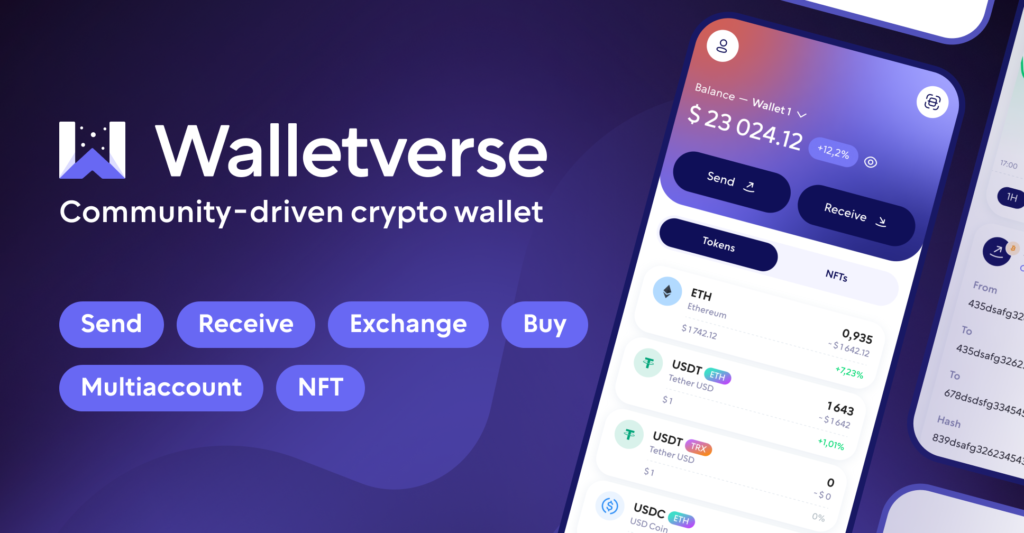
Walletverse is a mobile-first, self-custody crypto wallet built for everyday users and experienced traders alike. It supports over 600 cryptocurrencies, including ZAP.
- Buy ZAP with Apple Pay, Google Pay, or credit/debit cards (USD, EUR, KZT, INR, CAD, AUD, and others).
- Decentralized and user-controlled with advanced passcode and biometric protection.
- Seamless dApp access, DeFi support, and multi-account management.
- AML-compliant with robust security layers and staking support (e.g., Solana).
Pros:
- Fully self-custodial with no third-party access
- Smooth buying process for crypto assets
- Lightweight and fast mobile app
Cons:
- Mobile only (desktop not supported)


2. MetaMask

MetaMask remains one of the most popular Ethereum-compatible wallets. It supports ERC-20 tokens like ZAP and integrates with almost every major DeFi platform.
- Browser extension and mobile app
- Manual token import needed for lesser-known assets
- Suitable for interacting with smart contracts
Pros:
- Trusted DeFi standard
- Extensive ecosystem integration
Cons:
- Less intuitive for beginners
3. Coinbase Wallet

Coinbase Wallet allows users to store ERC-20 tokens like ZAP while controlling their private keys independently from the Coinbase exchange.
- Access to dApps and DeFi
- Integrated with Coinbase for easier transfers
- Clear and clean mobile experience
Pros:
- Easy to set up and secure
- Good reputation and ecosystem
Cons:
- Lacks deep DeFi functionality for advanced users
4. Trust Wallet
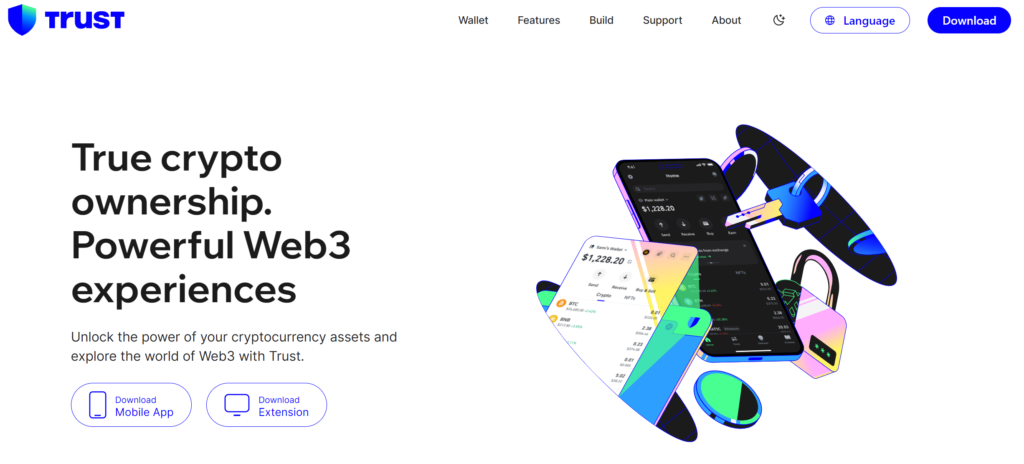
Trust Wallet offers easy mobile access to ERC-20 tokens including ZAP. It’s widely used by those who want a quick setup and no registration.
- Built-in token swap features
- NFT and DeFi-ready
- Simple user interface
Pros:
- Beginner-friendly
- Non-custodial with local key storage
Cons:
- No desktop version available
5. Coinomi
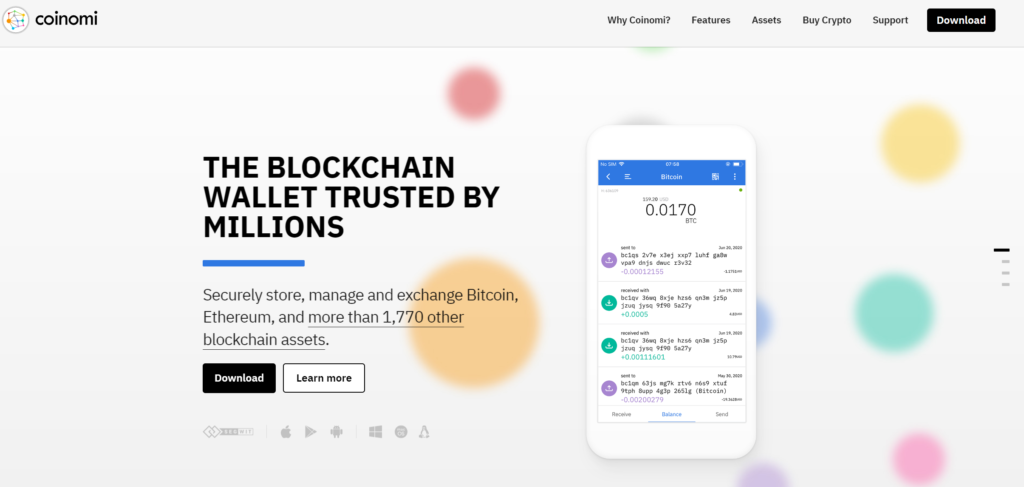
Coinomi is a mobile-first wallet known for speed, privacy, and wide token support, including ZAP.
- No KYC or data tracking
- Built-in multi-chain support
- Lightweight and efficient
Pros:
- Privacy-focused
- Fast app with exchange features
Cons:
- Limited DeFi compatibility
6. Guarda Wallet
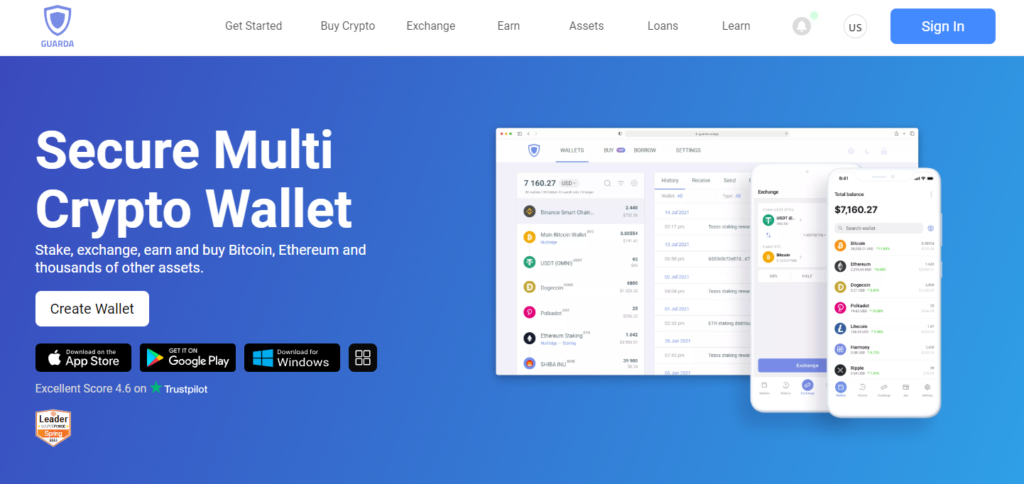
Guarda is a multi-platform non-custodial wallet that supports ZAP and many other ERC-20 tokens.
- Mobile, desktop, web, and browser extension versions
- Supports token swaps and hardware wallets
- Secure and beginner-friendly
Pros:
- Excellent platform compatibility
- Private key ownership
Cons:
- Some services incur additional fees
7. SafePal

SafePal offers secure storage for ZAP via its mobile wallet and optional hardware wallet.
- Backed by Binance
- Supports Ethereum and other chains
- Cold and hot wallet integration
Pros:
- Strong multi-layer security
- Access to dApps, NFTs, and DeFi tools
Cons:
- Setup complexity may deter new users
8. Trezor Wallet
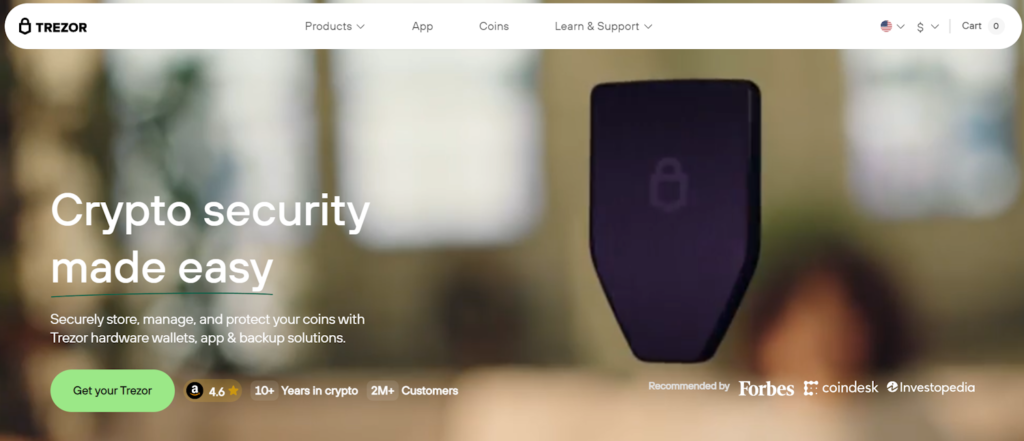
Trezor hardware wallets offer cold storage security and can be used with MetaMask to store and manage ZAP.
- Offline key protection
- Interaction with dApps through browser wallet
- Ideal for long-term holders
Pros:
- Ultimate asset protection
- Widely trusted hardware provider
Cons:
- Requires additional hardware and configuration
9. Atomic Wallet
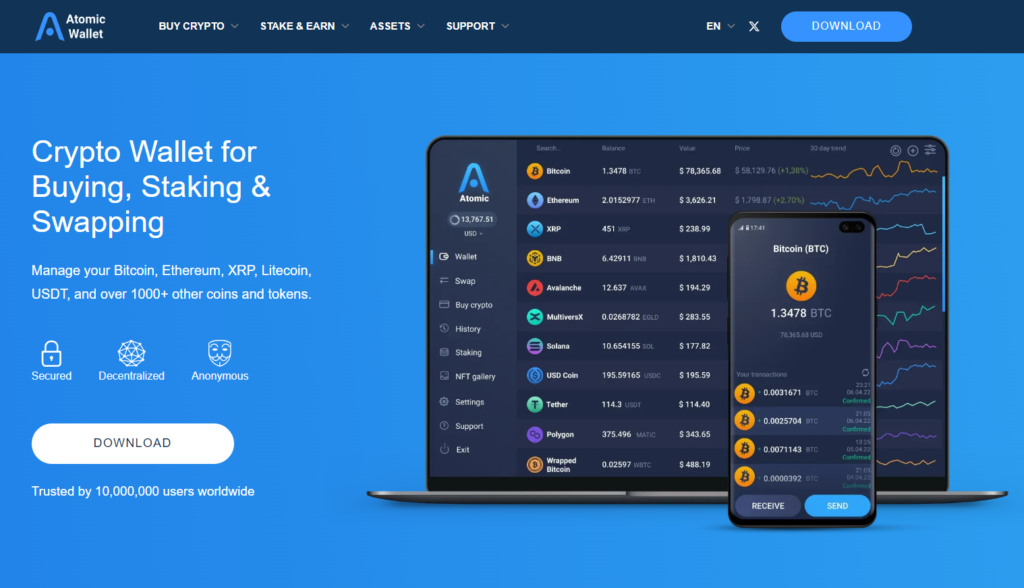
Atomic Wallet supports thousands of assets including ZAP. It’s known for ease of use, privacy, and built-in exchange features.
- Available on desktop and mobile
- Private and secure with local key storage
- Supports crypto purchasing via card
Pros:
- Easy to manage multiple assets
- All-in-one wallet experience
Cons:
- Not specialized for DeFi interaction
10. Exodus

Exodus offers a polished interface for storing ERC-20 tokens like ZAP, with built-in exchange features and portfolio tracking.
- Works on mobile and desktop
- Integrates with Trezor
- Beginner-friendly layout
Pros:
- Smooth user experience
- Good visual asset management
Cons:
- Not open-source
Where Can I Store ZAP (ZAP)?
As an ERC-20 token, ZAP can be stored in any Ethereum-compatible wallet. Walletverse is an excellent choice for mobile users looking for speed, convenience, and full control of their assets. For those requiring cold storage, Trezor paired with MetaMask offers top-tier security. Wallets like MetaMask, Trust Wallet, and SafePal also provide direct access to Web3 features and decentralized applications.
ZAP has carved out its place as an early player in the oracle space, offering a flexible and decentralized way to link real-world data to smart contracts. While newer technologies have emerged, ZAP remains an interesting project for those who believe in open data markets and experimental DeFi mechanics.
Walletverse gives users the tools to buy, store, and manage ZAP securely, all in one fast, easy-to-use mobile app. Whether you’re just starting out or diversifying your DeFi portfolio, it’s a practical solution for self-custody in 2026.
FAQ
Most frequent questions and answers
ZAP offers a unique value proposition with its bonding curve oracle model. While it has a smaller community than major players, it remains an experimental token with long-term potential for those interested in decentralized data markets.
You can purchase ZAP directly in the Walletverse app using Apple Pay, Google Pay, or your credit/debit card. The wallet supports over 600 cryptocurrencies and provides full self-custody of your digital assets.
ZAP is used to access oracle data feeds, stake for specific data services, and participate in the governance and economic incentives of the ZAP platform.


