


How to Buy Ethereum Name Service (ENS) in 2026
Navigating the blockchain world can sometimes feel complex, especially with long, unreadable wallet addresses. The Ethereum Name Service (ENS) is changing that by bringing human-readable names to Web3. With blockchain adoption surging in 2026, ENS continues to simplify crypto transactions and digital identities. This guide explains what ENS is, how it works, and how you can easily buy and store ENS tokens using secure wallets.
What is Ethereum Name Service (ENS)?
Ethereum Name Service (ENS) is a decentralized naming system built on the Ethereum blockchain. It replaces complex wallet addresses like 0x6d7g…8A1c with simple, human-readable names like yourname.eth, making it easier to send and receive crypto, access decentralized websites, and build Web3 identities.
ENS was launched in 2017 by the Ethereum Foundation before evolving into an independent, community-governed project. In 2021, the ENS DAO was formed, and the ENS token was introduced to allow decentralized governance over the network.
Today, ENS is widely used across DeFi apps, NFT marketplaces, wallets, and decentralized websites, helping users create easier and safer interactions in the blockchain ecosystem.
How does Ethereum Name Service (ENS) work?
ENS operates by mapping human-readable names to machine-readable identifiers such as Ethereum addresses, metadata, or content hashes. Here’s how it functions:
- Name registration. Users register .eth domains by paying a fee in ETH. The domains are NFTs and are owned through smart contracts.
- Name resolution. ENS uses smart contracts to associate names with various types of records, including wallet addresses, website content, or social profiles.
- Decentralized governance. ENS token holders participate in decision-making processes through the ENS DAO, voting on protocol upgrades, fee structures, and treasury management.
- Integration across Web3. ENS names are supported by wallets, DeFi platforms, NFT marketplaces, and even browsers, making Web3 easier and more accessible.
The ENS token is mainly used for governance, but its importance is tied to the growing demand for decentralized digital identity.
Top 10 Best Crypto Wallets to Buy Ethereum Name Service (ENS) in 2026
Storing ENS tokens securely is crucial. Here’s a detailed comparison of the best crypto wallets to manage ENS:
1. Walletverse
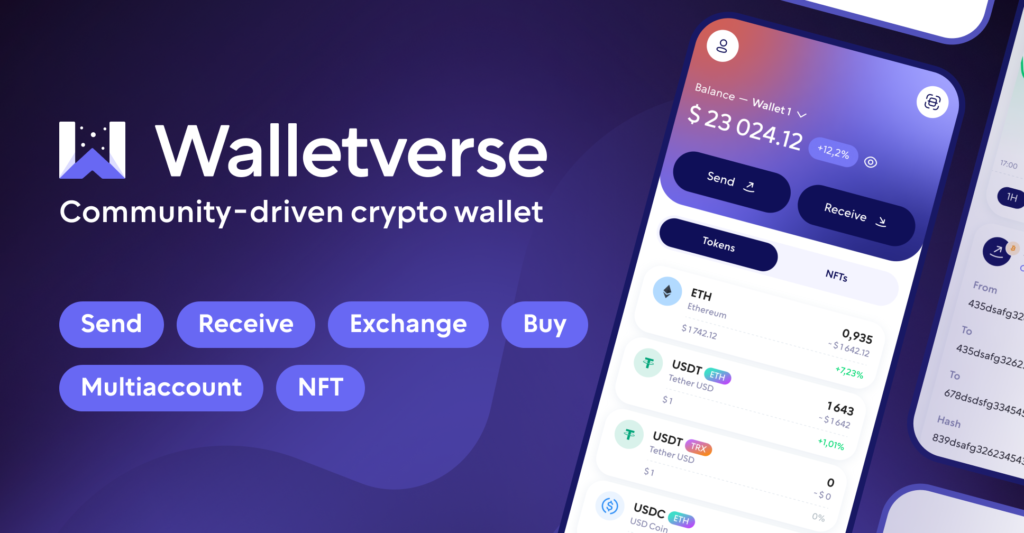
Walletverse is a leading mobile crypto wallet supporting over 600 cryptocurrencies, including Ethereum Name Service (ENS). It allows seamless fiat-to-crypto purchases through Apple Pay, Google Pay, and major debit/credit cards.
With a focus on user self-custody, Walletverse provides biometric authentication, passcode protection, staking options, multi-account management, and dApp integration, offering a full-featured environment for ENS holders.
Pros:
- Strong self-custody and biometric security
- Fast fiat-to-crypto buying
- Supports dApps and DeFi platforms
- Intuitive mobile-first design
Cons:
- Desktop version not available yet


2. MetaMask
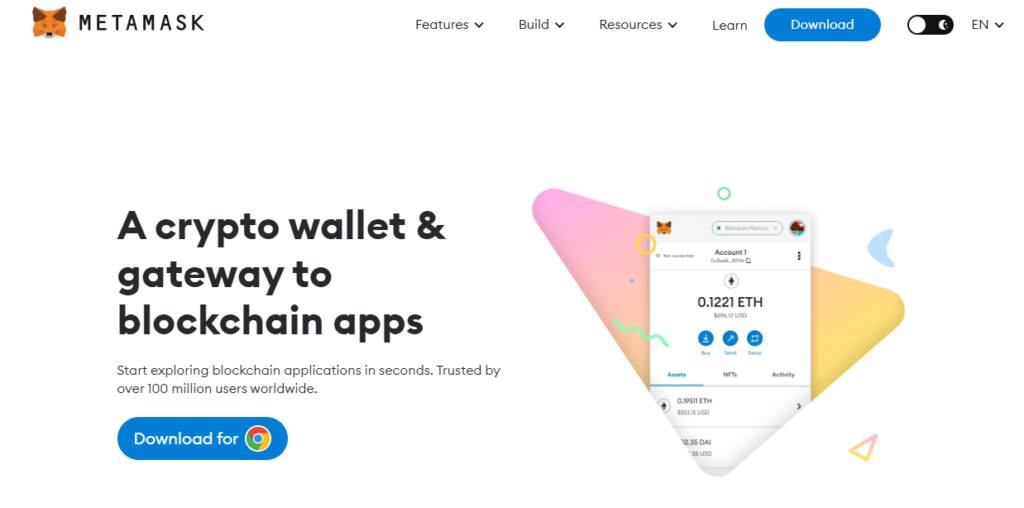
MetaMask offers a gateway to Ethereum and other networks, making it ideal for managing ENS tokens and interacting with Web3 dApps.
Pros:
- Web3 and DeFi integration
- Control over private keys
- Customizable networks
Cons:
- Slight learning curve for new users
3. Coinomi Wallet
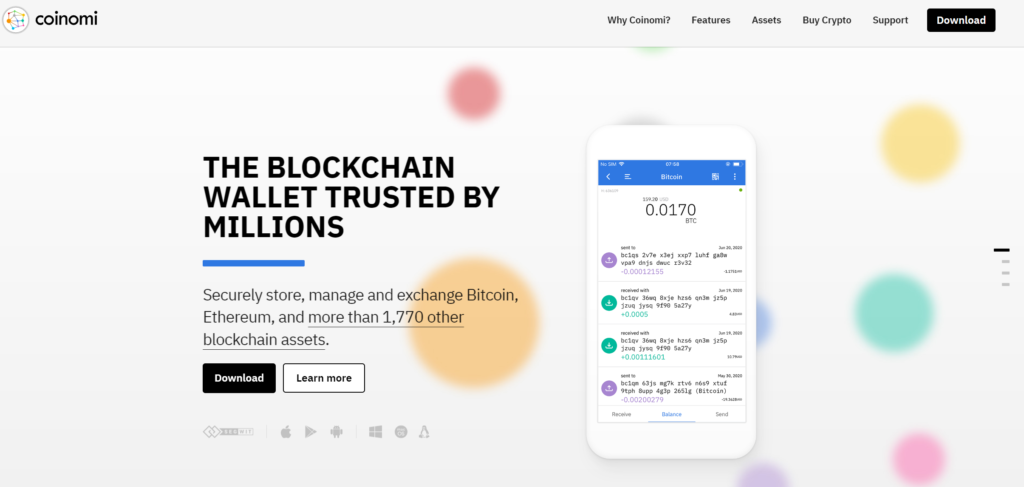
Coinomi is one of the oldest multi-chain wallets, offering strong security and privacy for managing tokens like ENS.
Pros:
- Fast transaction speeds
- No personal data collection
- Multi-platform support
Cons:
- Interface is less modern compared to newer wallets
4. Trust Wallet
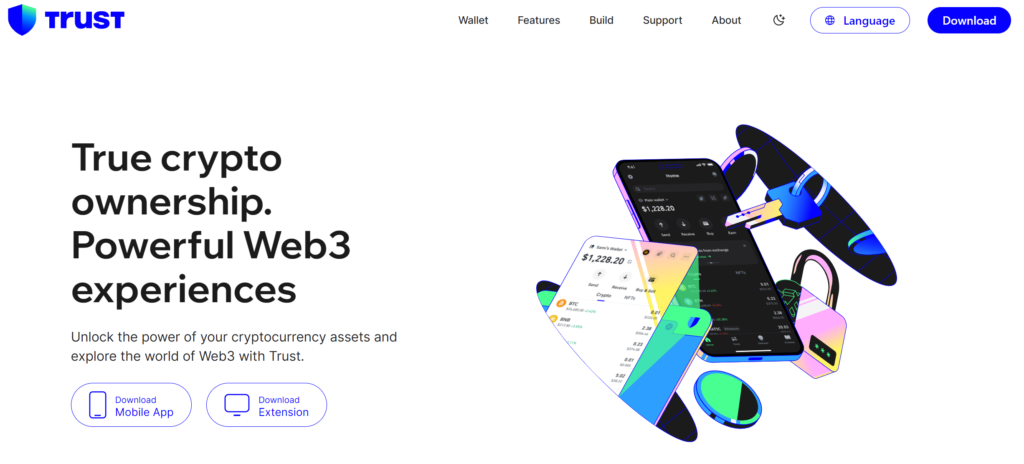
Trust Wallet is a popular non-custodial mobile wallet supporting ENS tokens and countless other ERC-20 assets, with an integrated dApp browser.
Pros:
- Full private key control
- Simple for beginners
- Supports NFTs and DeFi platforms
Cons:
- Limited to mobile usage
5. Ellipal Titan

Ellipal Titan is a fully air-gapped hardware wallet providing the highest level of offline security for ENS tokens.
Pros:
- Offline transaction signing
- Durable and tamper-proof
- Broad cryptocurrency support
Cons:
- Higher price point for hardware wallets
6. Argent Wallet

Argent simplifies crypto and DeFi interactions by eliminating seed phrases and offering social recovery for mobile users.
Pros:
- Seedless recovery system
- Access to Layer 2 DeFi apps
- Low transaction fees with Layer 2 scaling
Cons:
- Limited blockchain network support
7. SafePal
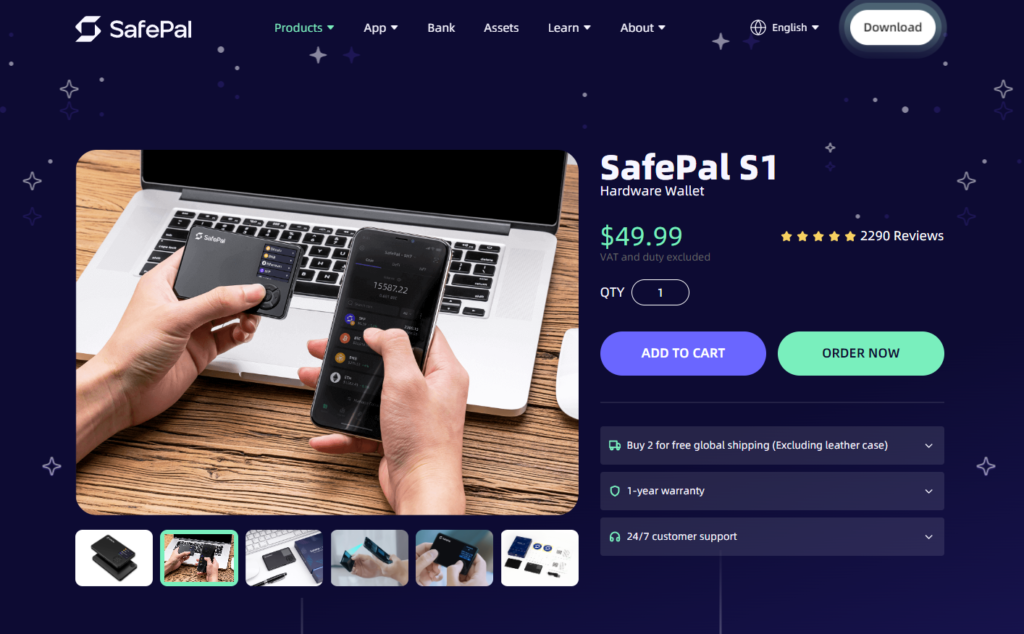
SafePal offers mobile wallet features alongside optional hardware wallet integration for enhanced security, ideal for managing ENS holdings.
Pros:
- Hardware security options
- Access to DeFi and NFT marketplaces
- Strong mobile app encryption
Cons:
- Hardware wallet requires separate setup
8. Guarda Wallet
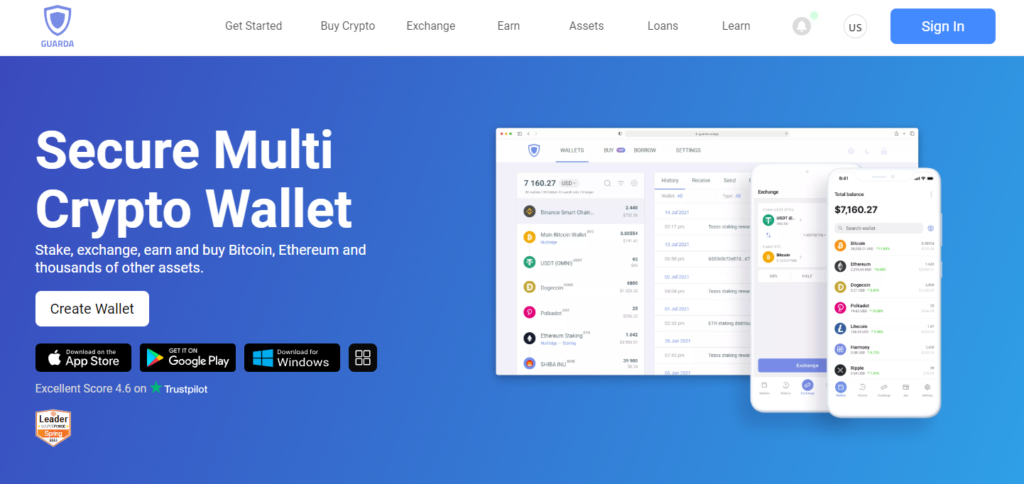
Guarda Wallet is a secure, non-custodial wallet supporting hundreds of tokens, including ENS, across mobile, desktop, and web versions.
Pros:
- User retains control of private keys
- Cross-platform compatibility
- Built-in staking and exchange
Cons:
- Fiat transactions might require KYC
9. Atomic Wallet
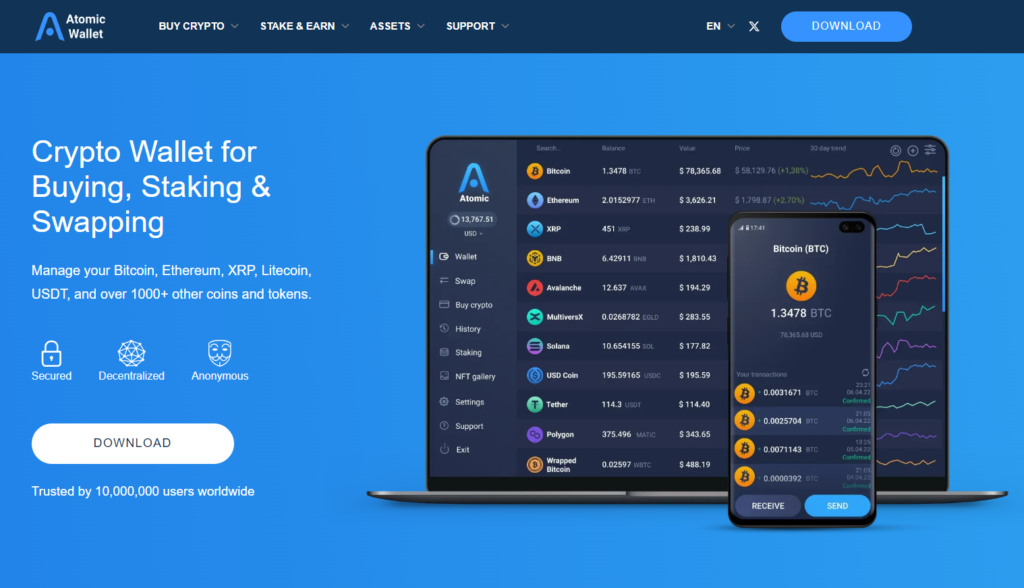
Atomic Wallet supports a broad range of cryptocurrencies, including ENS, focusing on privacy and user-friendliness.
Pros:
- No registration required
- Built-in swaps
- Multi-device support
Cons:
- No two-factor authentication built-in
10. Exodus
Exodus provides a user-friendly wallet supporting ENS and numerous other tokens across desktop and mobile platforms with built-in exchange features.
Pros:
- Sleek interface
- In-app token swaps
- Multi-platform accessibility
Cons:
- Not fully open-source
Where can I store Ethereum Name Service (ENS)?
Walletverse stands out as one of the best wallets for storing Ethereum Name Service (ENS) tokens. It offers a perfect balance of user-friendly design, full asset control, biometric authentication, and seamless crypto purchasing, ensuring your ENS holdings are safe and easily accessible.
Other excellent choices include Trust Wallet, MetaMask, and Atomic Wallet, each offering different strengths based on your security, mobility, or DeFi needs.
Ethereum Name Service (ENS) continues to be a vital building block for a more user-friendly Web3 experience, replacing complex blockchain addresses with readable, memorable names. As blockchain technology goes mainstream in 2026, ENS’s role in creating digital identities and seamless transactions is more important than ever.
With trusted wallets like Walletverse, securing, buying, and managing your ENS tokens is easier, safer, and more convenient than ever.
FAQ
Most frequent questions and answers
ENS supports the rapidly growing digital identity and Web3 ecosystem. While its long-term value depends on widespread adoption, ENS offers strong potential in the evolving internet economy. Always conduct personal research before investing.
You can easily buy Ethereum Name Service (ENS) through Walletverse. The app enables fast and secure crypto purchases using Apple Pay, Google Pay, and credit/debit cards in multiple currencies.
ENS tokens are primarily used for decentralized governance of the Ethereum Name Service protocol, allowing holders to vote on upgrades, fee structures, and ecosystem growth strategies.


