


How to Swap DIA to USDC
DIA is a token that powers a decentralized data protocol designed to bring transparent market information to blockchain applications. USDC, a regulated dollar-pegged stablecoin, is widely used across exchanges, DeFi platforms, and payment systems. Many users swap DIA to USDC when they want to move from a fluctuating asset into a more stable currency while keeping their funds easily transferable within the crypto ecosystem.
Best Way to Simply Exchange DIA to USDC
The most straightforward way to convert DIA into USDC is to use services that support instant token swaps. Centralized exchanges allow quick trading through ready-made DIA/USDC markets. Decentralized exchanges enable peer-to-peer token swaps using liquidity pools, letting users exchange assets without registration. Another convenient method is to use a mobile crypto wallet that offers integrated swap features. Wallets with built-in exchange tools allow DIA holders to convert directly to USDC without leaving the app, making the process fast and accessible even to beginners.
Convert DIA to USDC – Top 10 Best Crypto Wallet to Swap
1. Walletverse
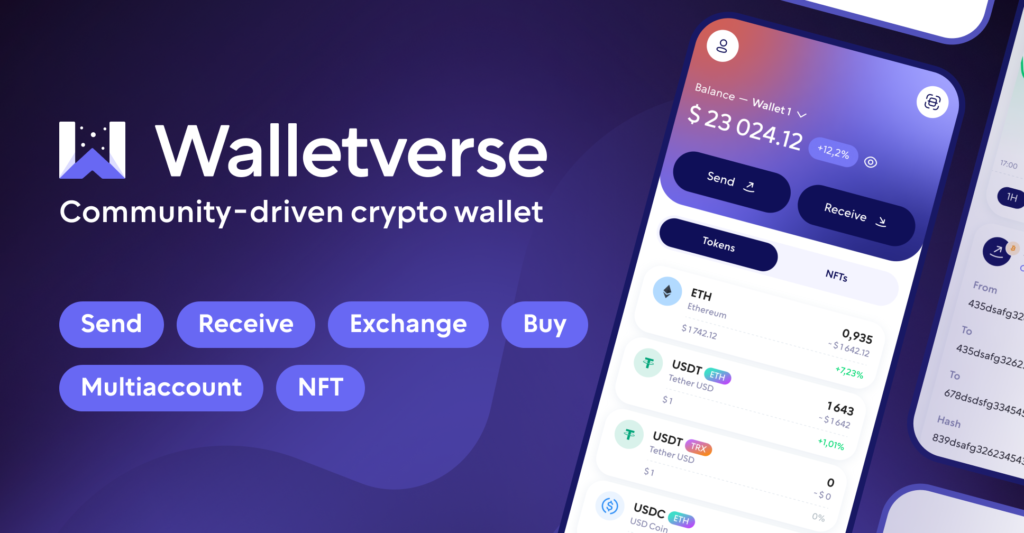
A mobile self-custody wallet designed for managing and exchanging more than 600 cryptocurrencies. It supports dApps, multi-account use, strong security, and quick fiat payment options through Apple Pay, Google Pay, and bank cards.
Pros:
- User-friendly swap process
- Private keys controlled by the user
- Fast app performance
- Large selection of supported assets
Cons:
- No desktop application


2. Trust Wallet
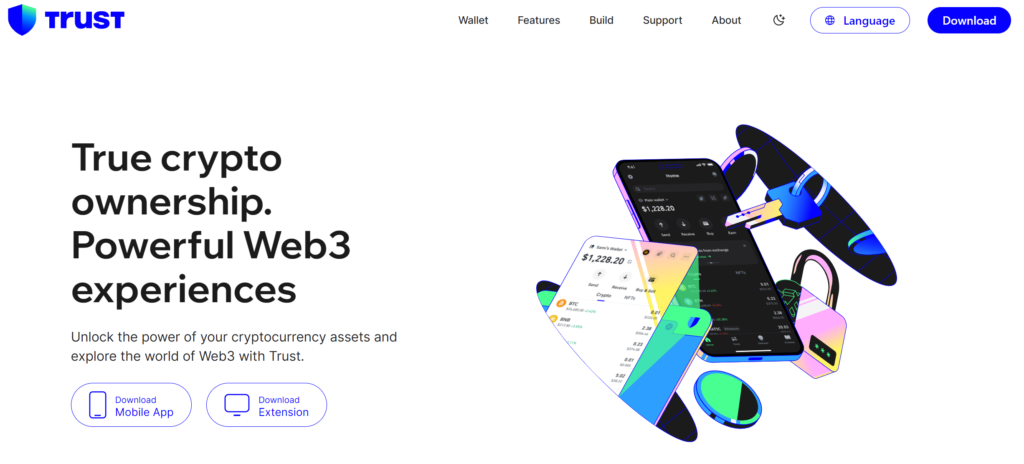
A well-known mobile wallet offering access to thousands of tokens across multiple blockchains. Its built-in exchanger allows instant swaps using decentralized liquidity sources.
Pros:
- Easy to use
- Extensive token coverage
- Integrated swap features
Cons:
- Mobile-only access
- Gas costs may vary with network congestion
3. Coinbase Wallet
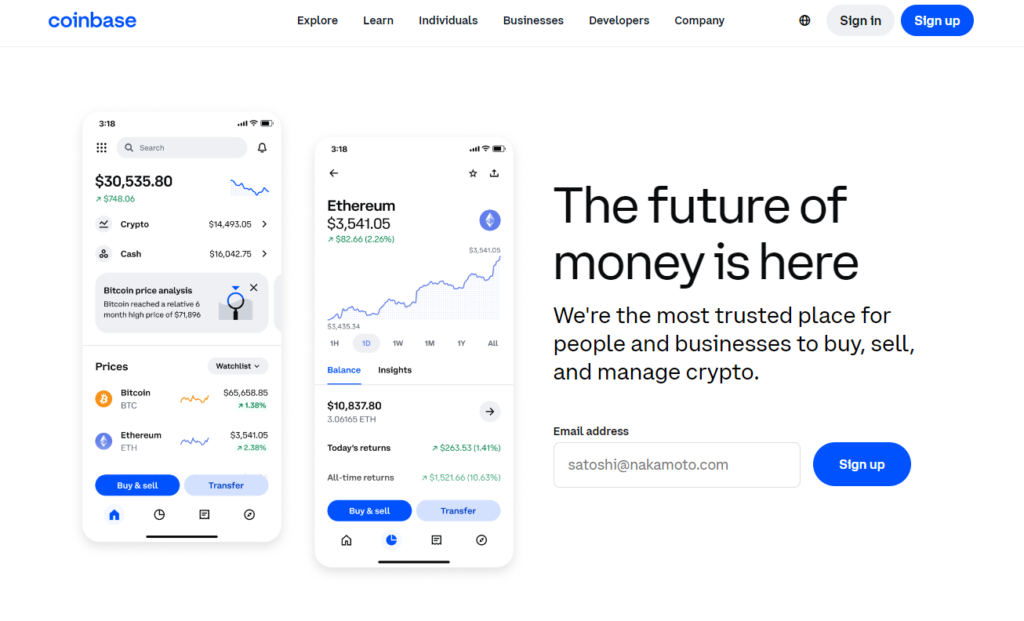
storage, and decentralized swap functionality.
Pros:
- Modern design
- Connects easily to dApps
- Strong reputation
Cons:
- Some functions limited in certain regions
- New users may need time to learn Web3 tools
4. Atomic Wallet
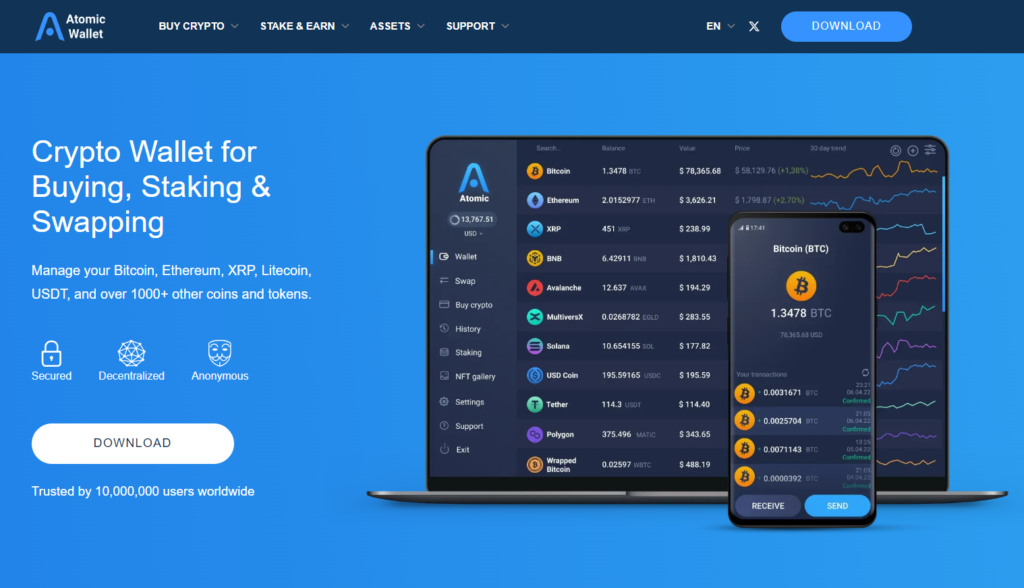
A non-custodial wallet offering swaps, staking tools, and secure asset management.
Pros:
- Private key ownership
- Wide range of cryptocurrencies
- Suitable for long-term use
Cons:
- Liquidity varies
- Some swap pairs restricted in certain regions
5. Guarda Wallet
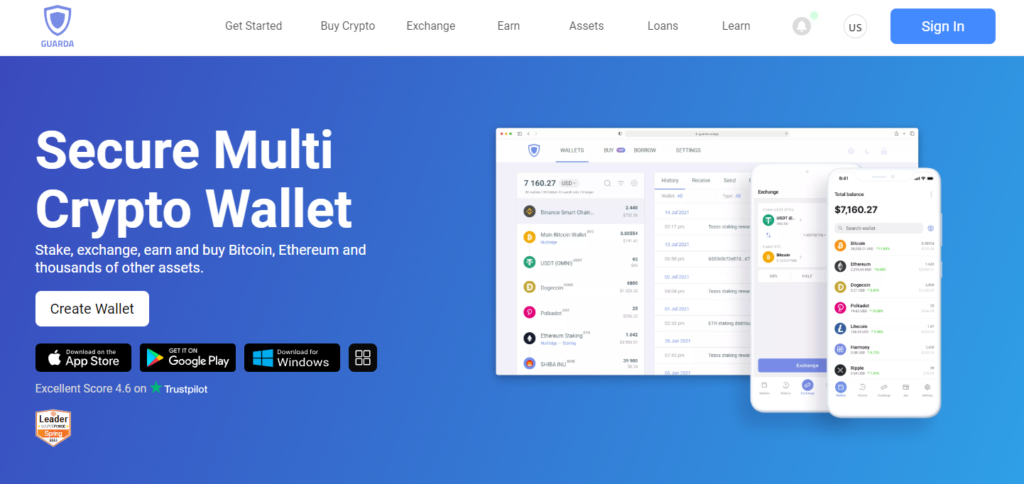
A Web3 wallet available on mobile, desktop, and web. It supports token management, cross-chain activity, and built-in exchange features.
Pros:
- Flexible platform choices
- Large token list
- Supports cross-chain operations
Cons:
- Interface may feel complex
- Swap fees depend on liquidity
6. Crypto.com DeFi Wallet

A decentralized wallet with multi-chain capabilities, allowing users to swap assets and interact with DeFi platforms.
Pros:
- Full control of private keys
- Clean and simple navigation
- Extensive token support
Cons:
- Feature availability differs by region
- Some swap routes may be limited
7. MetaMask
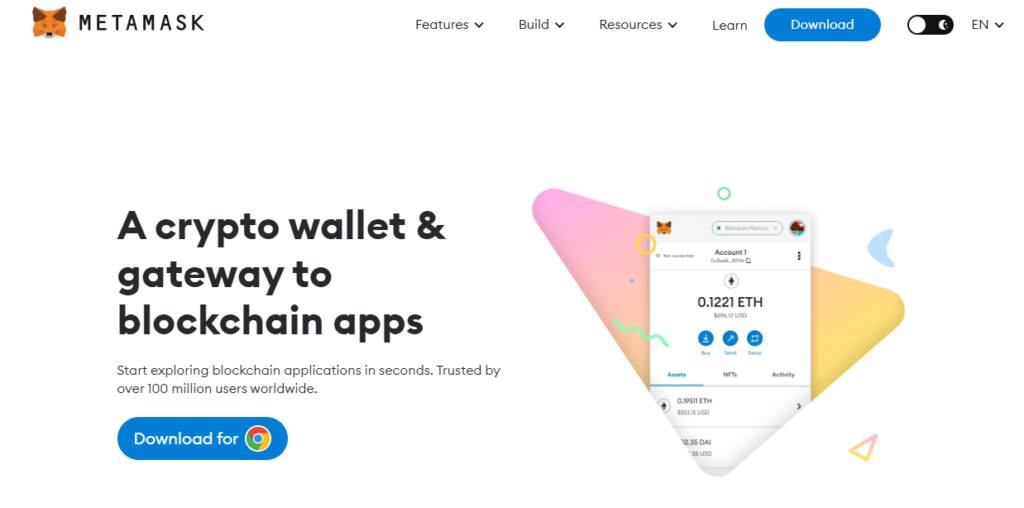
A Web3 wallet primarily focused on Ethereum and other EVM networks. Its swap system aggregates prices from multiple providers to secure available rates.
Pros:
- Works on browsers and mobile devices
- Large ecosystem support
- Secure private key management
Cons:
- Swap fees may be high on busy networks
- Mostly oriented toward EVM-based tokens
8. Binance Wallet
A decentralized wallet linked to Binance’s ecosystem, offering wide blockchain support, quick swaps, and powerful liquidity access.
Pros:
- Reliable infrastructure
- Fast and responsive
- Large token selection
Cons:
- Some features tied to Binance accounts
- Not fully decentralized
9. Exodus
A wallet known for its polished interface and strong cross-platform availability. It supports both desktop and mobile devices, offering in-app swaps.
Pros:
- Very intuitive
- Multi-platform support
- Good variety of tokens
Cons:
- Not open-source
- Swap fees may be higher at times
10. Coinomi
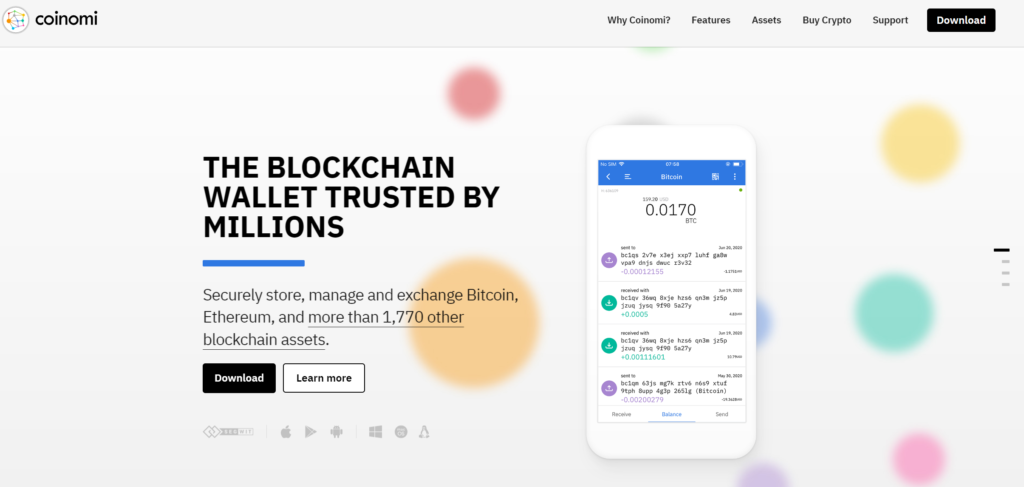
A long-standing wallet offering fast performance, multi-chain support, and strong privacy features.
Pros:
- Good stability
- Supports many networks
- Quick setup
Cons:
- Limited dApp integration
- Older design style
What is DIA?
DIA is the native token of a decentralized platform focused on delivering transparent and verifiable on-chain market data. The token is used for governance, staking, and rewarding participants who contribute or validate information within the network. DIA is designed to support DeFi ecosystems, lending protocols, and applications that require accurate and trustworthy data feeds.
What else can you swap DIA for?
DIA can be exchanged for a wide variety of digital assets across centralized and decentralized services. Popular options include ETH, BTC, BNB, USDT, SOL, and other widely used tokens. Many platforms also allow cross-chain swaps, helping users diversify their assets, access DeFi protocols, or move funds into coins with different use cases and risk profiles.
Why convert DIA to USDC?
USDC offers stability due to its consistent value linked to the US dollar. Swapping DIA to USDC allows users to protect their portfolio from market volatility, store value more securely, or prepare for future trades. Since USDC is one of the most accepted stablecoins across DeFi platforms, exchanges, and wallets, it provides excellent liquidity and flexibility for managing digital assets.
Swapping DIA to USDC is simple with the right tools. Whether using centralized exchanges, decentralized platforms, or multi-currency wallets, users can perform the swap quickly and securely. Walletverse provides a convenient environment for buying, storing, and exchanging DIA, USDC, and hundreds of other cryptocurrencies while maintaining full ownership over private keys.
FAQ
Most frequent questions and answers
DIA supports an open data ecosystem for blockchain applications. Its usefulness depends on the adoption of decentralized data services across the DeFi space.
With Walletverse, users can purchase USDC using Apple Pay, Google Pay, or bank cards. After buying, they can store, send, or swap USDC directly inside the wallet.
Walletverse is a strong choice thanks to its self-custodial design, fast swap tools, and support for more than 600 assets.


