


How to Swap ELF to SOL
ELF, the native token of the aelf blockchain, is used for governance, staking rewards and ecosystem operations. As more users explore high-performance blockchains such as Solana, many choose to swap ELF for SOL to access faster transactions, vibrant dApps and staking opportunities. Thanks to modern crypto tools, the swap process is quick and beginner-friendly. This guide explains the simplest methods to convert ELF to SOL, highlights the best wallets for instant token swaps and covers key details about ELF.
Best Way to Simply Exchange ELF to SOL
Converting ELF into SOL can be done through several convenient methods depending on your preferences for speed, simplicity or liquidity.
- Centralized exchanges
Major exchanges often support ELF pairs or indirect trading routes leading to SOL. Users deposit ELF, choose SOL and execute the trade. This method provides strong liquidity and consistent pricing. - Instant swap services
Instant swap tools allow users to enter the amount of ELF, select SOL and confirm the conversion without complex charts or order books. This is ideal for those who want a quick, automated exchange process. - Crypto wallets with built-in swapping
Many self-custody wallets now include integrated swap features. Users choose ELF, select SOL as the output asset and approve the conversion directly inside the wallet. This eliminates the need for transfers between platforms and is especially convenient for mobile users.
Convert ELF to SOL – Top 10 Best Crypto Wallets to Swap
1. Walletverse
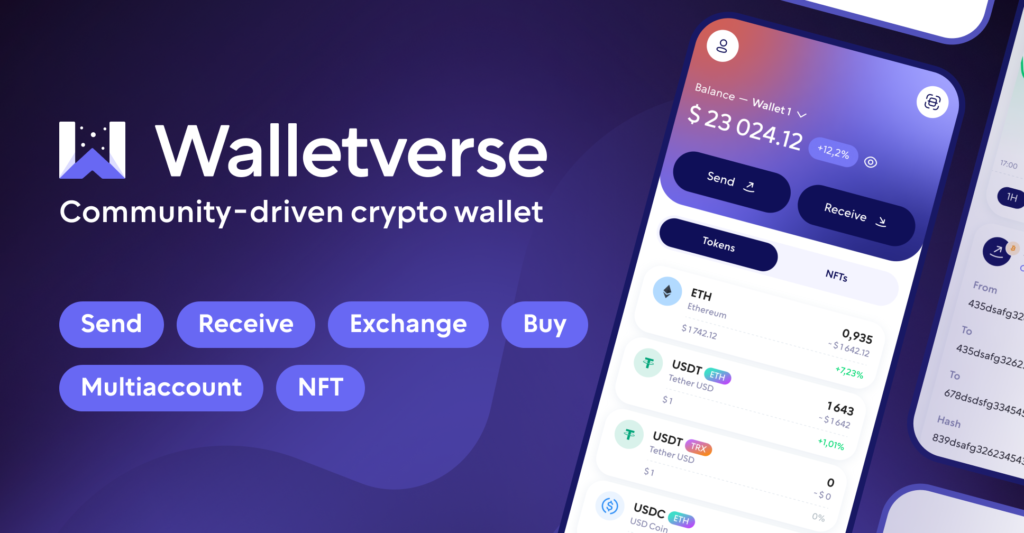
A self-custody mobile wallet offering support for more than 600 digital assets, including Solana-based tokens. Walletverse provides instant swaps, multi-account functionality and direct access to Web3 applications. Users can buy crypto using Apple Pay, Google Pay or bank cards in USD, EUR, KZT, INR, CAD, AUD and more. The wallet emphasizes decentralization and AML alignment while securing private keys with biometric authentication and passcodes. Designed for simplicity and speed, Walletverse suits both beginners and advanced users.
Pros
- Supports over 600 assets with built-in swaps
- Fast, intuitive interface
- Strong biometric and passcode protection
- Full Web3 and dApps connectivity
Cons
- Mobile-only


2. Trust Wallet
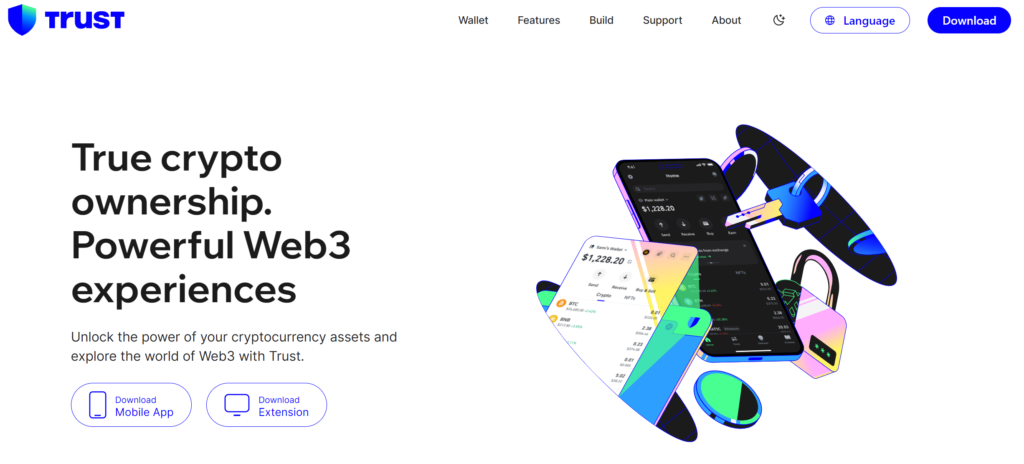
A widely recognized self-custody wallet that supports numerous blockchains and includes a built-in swap tool. It also features a Web3 browser for interacting with decentralized applications.
Pros
- Multi-chain support
- Easy to use
- Fast conversion options
Cons
- No desktop version
- Swap fees vary depending on provider
3. Coinbase Wallet
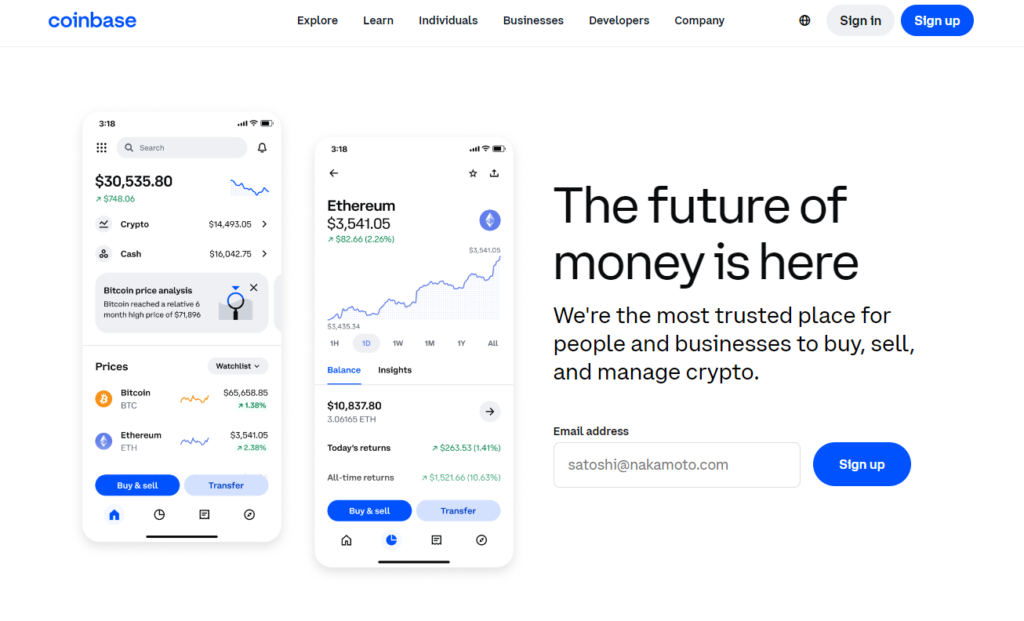
A self-custody wallet linked to the broader Coinbase ecosystem. Users retain ownership of private keys and can access decentralized swaps.
Pros
- Strong security framework
- Beginner-friendly setup
- Reliable Web3 integration
Cons
- Some swap routes depend on region
- Fiat features may require Coinbase exchange
4. Atomic Wallet
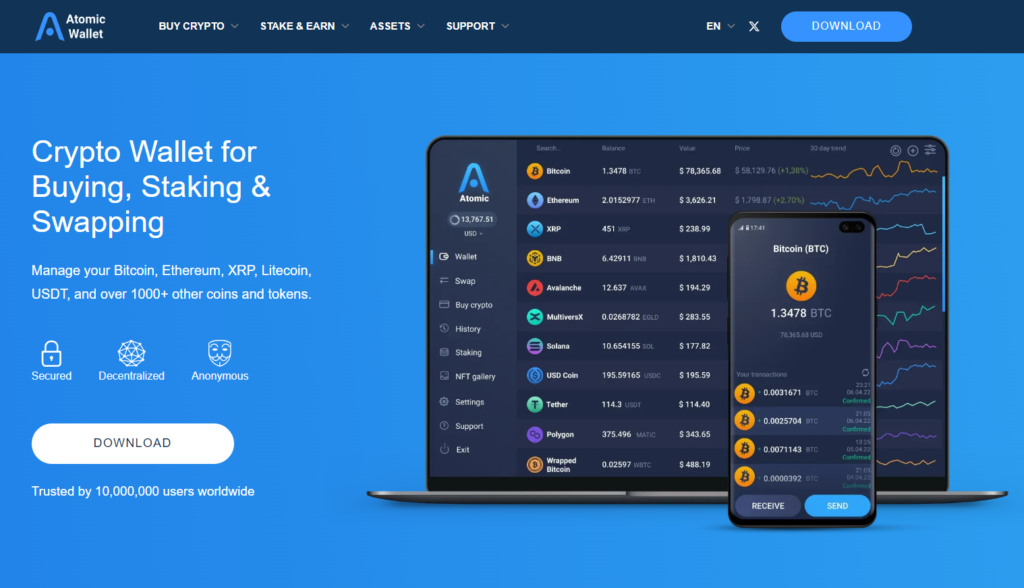
A privacy-oriented self-custody wallet offering built-in swaps and staking tools. It supports a large list of cryptocurrencies.
Pros
- Simple interface
- Strong privacy model
- Staking options available
Cons
- No native Web3 browser
- Swap fees vary between services
5. Guarda Wallet
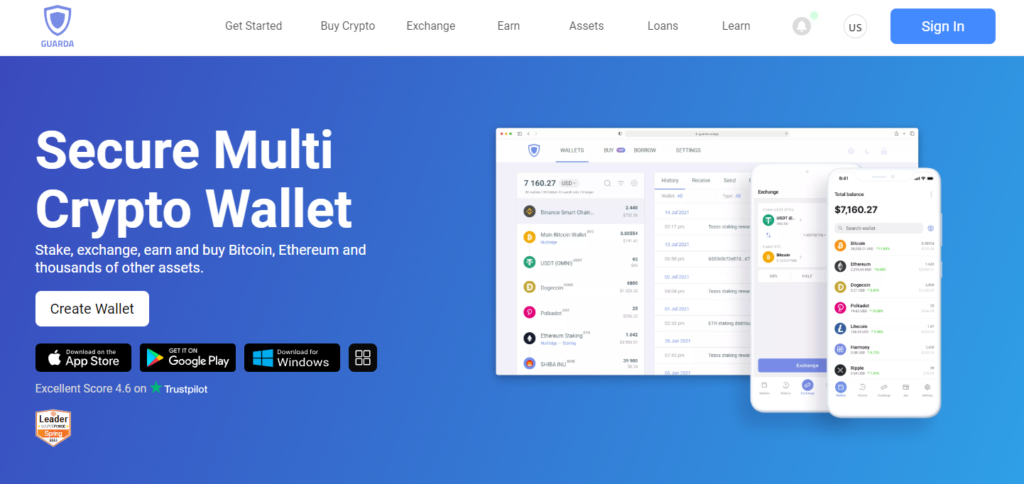
A versatile wallet providing access across desktop, web and mobile platforms. It supports numerous assets and offers swap features via built-in providers.
Pros
- Works on multiple platforms
- Broad token support
- Includes staking for select assets
Cons
- Some services carry additional fees
- Complex interface for beginners
6. Crypto.com DeFi Wallet

A decentralized multi-chain wallet suited for advanced DeFi participation. Swaps are executed using liquidity from the Crypto.com ecosystem.
Pros
- Supports multiple blockchains
- Integrates with the main Crypto.com app
- Ideal for DeFi-focused users
Cons
- Some tools require centralized app linking
- Higher learning curve
7. MetaMask
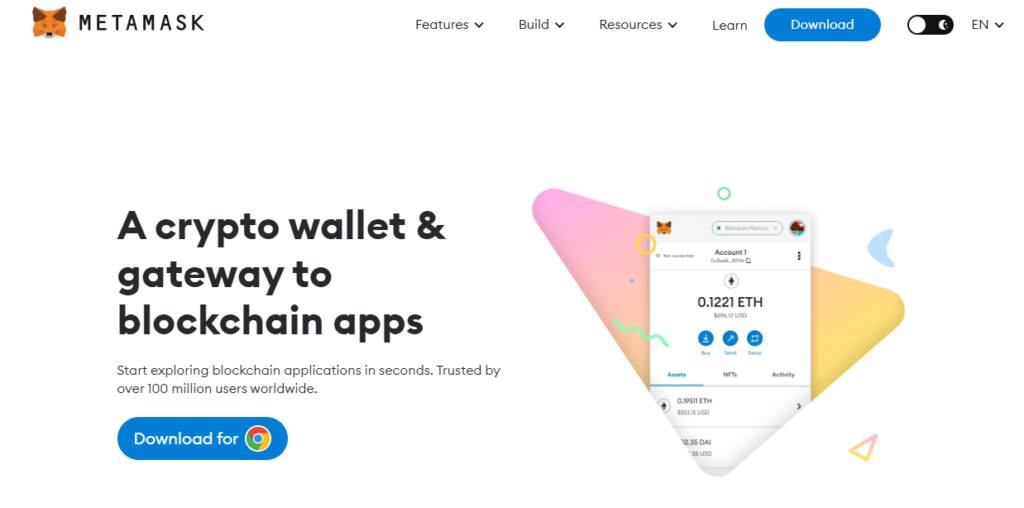
A widely used Web3 wallet for Ethereum and EVM-compatible networks. It supports swapping through liquidity aggregators and is essential for decentralized applications.
Pros
- Excellent Web3 and dApp support
- Large user community
- Supports multiple EVM networks
Cons
- Interface may seem complex to new users
- Primarily designed for Ethereum-based assets
8. Binance Wallet
A multi-chain wallet that integrates with Binance’s liquidity infrastructure. It supports fast swaps and a wide range of networks.
Pros
- Deep liquidity for popular assets
- Multi-network support
- Suitable for experienced traders
Cons
- Some features require Binance login
- Availability varies by region
9. Exodus
A polished multi-platform wallet that provides instant swaps along with real-time portfolio tracking. It offers both mobile and desktop versions.
Pros
- Attractive interface
- Cross-platform support
- Helpful customer service
Cons
- Limited Web3 tools
- Not all tokens can be swapped directly
10. Coinomi
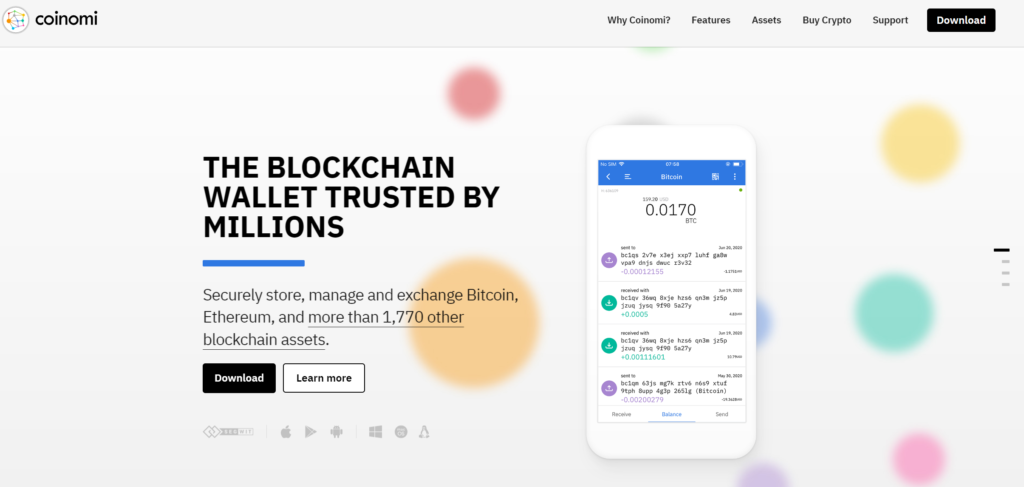
A long-standing multi-chain wallet with a strong privacy approach. It includes swap tools powered by external providers.
Pros
- Strong privacy protection
- Many supported networks
- Stable performance
Cons
- Outdated interface
- Limited Web3 integration
What is ELF?
ELF is the primary token of the aelf blockchain, a modular and scalable network designed to support high-performance decentralized applications. The platform uses a unique side-chain structure, allowing different system components to operate independently for greater throughput. ELF is used for governance, staking, transaction fees and ecosystem participation. Developers and users rely on ELF to power interactions across the aelf ecosystem.
What Else Can You Swap ELF For?
Depending on the platform, ELF can be swapped for various cryptocurrencies. Common options include:
- BTC
- ETH
- USDT
- BNB
- USDC
- SOL
- MATIC
- AVAX
Token availability varies depending on the wallet or exchange you use.
Why Convert ELF to SOL?
Users swap ELF for SOL for multiple reasons:
- Solana is known for ultra-fast transactions and low fees
- SOL powers one of the most active DeFi and NFT ecosystems
- Solana offers attractive staking opportunities
- Many dApps and tools require SOL for transaction fees
- SOL is widely supported across major wallets and exchanges
Swapping to SOL opens the door to a high-performance blockchain network with growing utility.
Swapping ELF to SOL is simple thanks to modern crypto wallets, instant-swap services and multi-chain trading platforms. Whether you’re diversifying your holdings, preparing to use Solana dApps or exploring new staking opportunities, converting ELF to SOL is quick and secure. With the right wallet, the swap process takes just a few taps.
FAQ
Most frequent questions and answers
ELF powers the aelf blockchain, supporting governance, staking and transaction operations. Its modular design allows for efficient execution and scalability.
You can buy SOL using Walletverse. The app supports purchases through Apple Pay, Google Pay and bank cards. Walletverse provides easy swaps, secure storage and full control over user private keys.
Walletverse is an excellent choice for converting ELF to SOL. With support for over 600 digital assets, built-in swap tools and strong biometric security, it provides a reliable and seamless swapping experience.


