


How to Swap FDUSD to ETH
Stablecoins like FDUSD are designed to provide stability in the crypto market by being pegged to the US dollar. They are excellent for reducing volatility, but they don’t offer the same long-term growth and utility as major cryptocurrencies like Ethereum (ETH). ETH powers the largest ecosystem of decentralized applications, DeFi protocols, and NFTs. Many investors prefer to swap FDUSD for ETH to take part in this ecosystem while seeking potential value growth. Today’s crypto wallets make this process easy, secure, and fast.
Best Way to Simply Exchange FDUSD to ETH
The simplest way to exchange FDUSD for ETH is through a crypto wallet with integrated swap features. This method is much more convenient than sending assets to centralized exchanges, where you may face lengthy registration, higher fees, or loss of custody.
Walletverse makes this swap effortless. You simply choose FDUSD, select ETH as the coin you want to receive, and confirm the transaction directly in the app. With built-in self-custody and advanced security features, you remain the sole owner of your funds while enjoying fast and smooth swaps.
Convert FDUSD to ETH - Top 10 Best Crypto Wallet to Swap
1. Walletverse
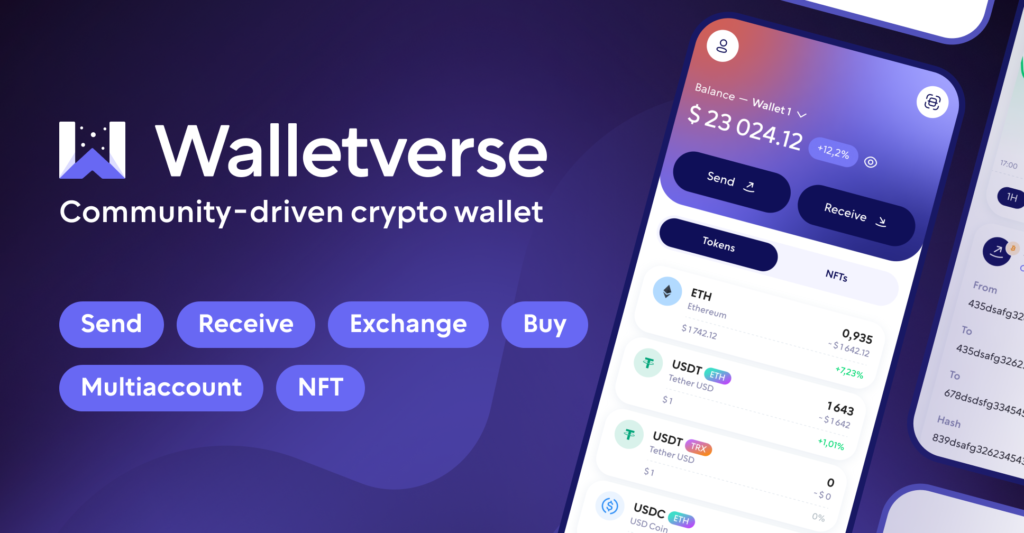
A mobile-first crypto wallet designed for both beginners and experienced users. It supports more than 600 cryptocurrencies, including FDUSD and ETH, and allows direct swaps within the app. Walletverse also provides fiat purchase options through Apple Pay, Google Pay, and bank cards, while ensuring your funds remain secure with passcode and biometric protection.
Pros:
- Supports 600+ cryptocurrencies
- User-friendly and fast app
- Self-custody with advanced security
- dApp access and staking features
Cons:
- Available only on mobile


2. Trust Wallet
A non-custodial wallet from the Binance ecosystem, popular for its simplicity and broad token support.
Pros:
- Supports thousands of assets
- Easy-to-use interface
- Built-in swaps and staking
Cons:
- Limited customer support
- Gas fees vary by blockchain activity
3. Exodus Wallet
A desktop and mobile wallet with an intuitive interface and built-in portfolio tracking.
Pros:
- Sleek design with real-time charts
- In-app swap function
- Active customer support
Cons:
- Closed-source wallet
- Swap fees higher than some rivals
4. Atomic Wallet
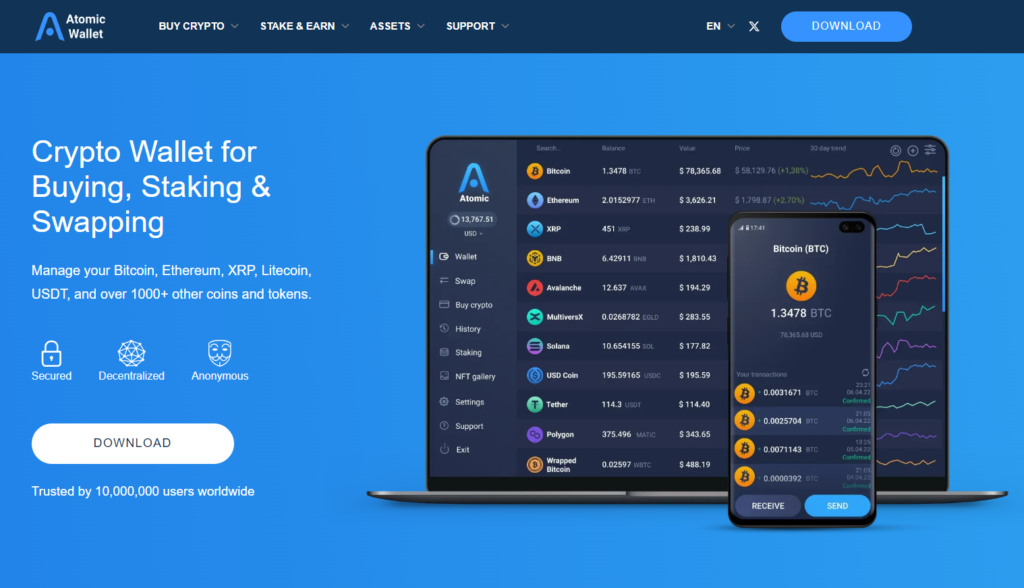
Cross-platform wallet with built-in exchange and staking.
Pros:
- Supports hundreds of tokens
- Works on desktop and mobile
- Offers staking options
Cons:
- Closed-source software
- Fees not always transparent
5. Trezor Suite

Software paired with Trezor hardware wallets to manage and exchange assets.
Pros:
- Strong reputation for security
- Easy-to-use software
- Multi-asset support
Cons:
- Requires hardware purchase
- Supports fewer assets than Ledger
6. MetaMask
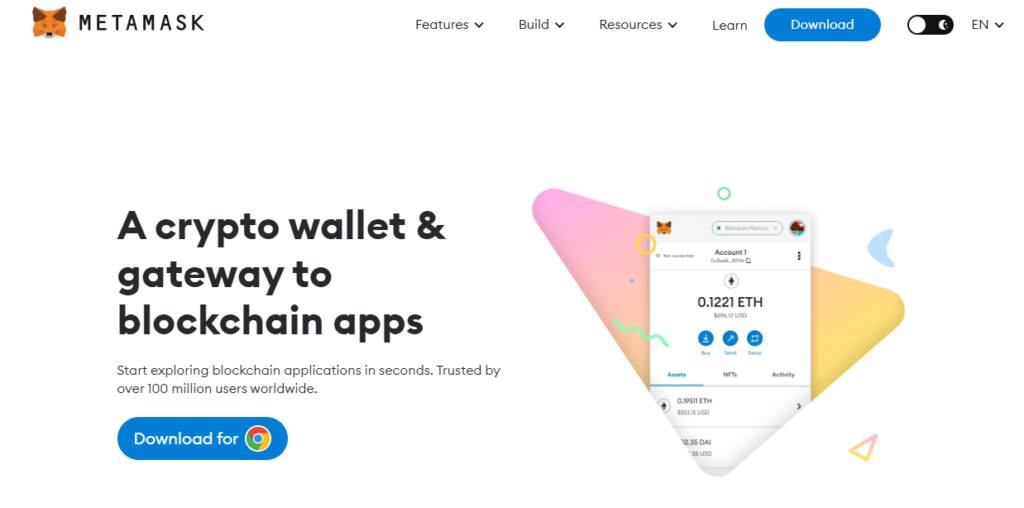
One of the most widely used Web3 wallets, initially built for Ethereum but now supporting multiple blockchains.
Pros:
- Excellent dApp and DeFi support
- Works on browsers and mobile devices
- Large, trusted user base
Cons:
- Setup may be complex for beginners
- Higher swap fees at peak times
7. Guarda Wallet
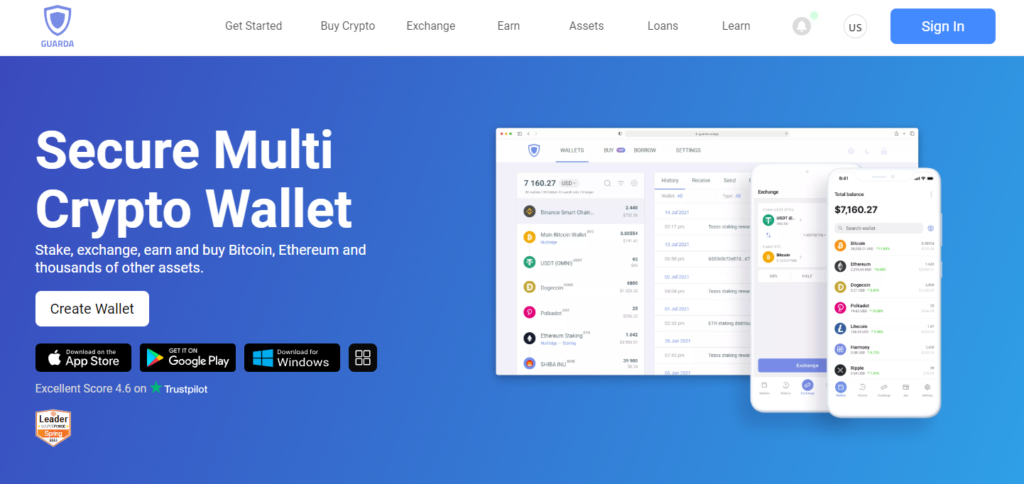
A cross-platform wallet offering wide token support, swaps, and fiat purchases.
Pros:
- Works on desktop, web, and mobile
- Non-custodial
- Supports fiat integration
Cons:
- Interface less streamlined
- Swap fees vary depending on provider
8. Crypto.com DeFi Wallet

A non-custodial wallet connected to the Crypto.com platform with added DeFi features.
Pros:
- Secure and flexible
- Access to DeFi yield opportunities
- Works with Crypto.com exchange
Cons:
- Complex interface for new users
- Some features tied to exchange accounts
9. Ledger Live (with Ledger Hardware Wallet)
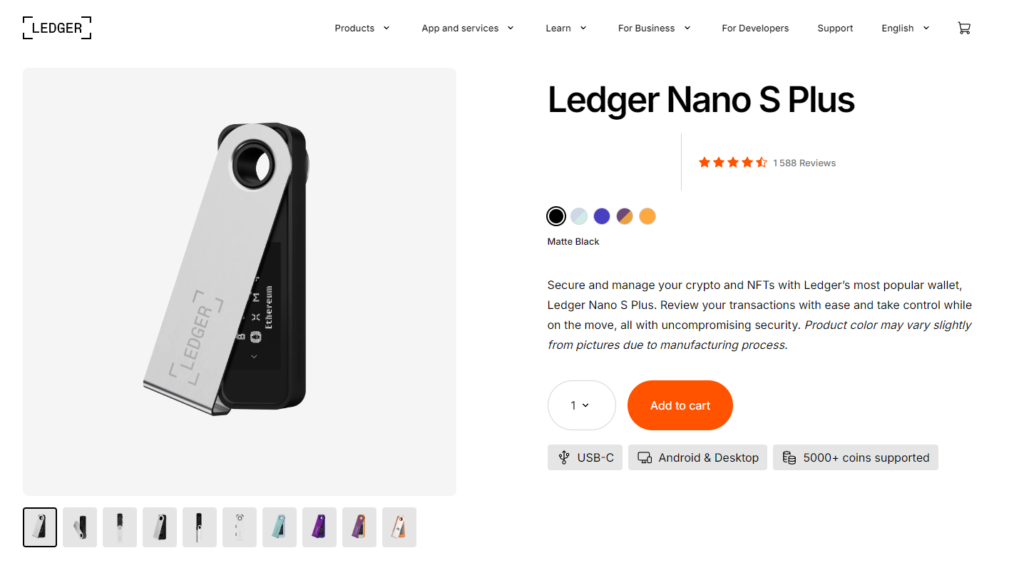
Ledger’s hardware wallets paired with Ledger Live software ensure maximum protection for swaps and storage.
Pros:
- Industry-leading hardware security
- Integrated swaps available
- Wide token support
Cons:
- Requires hardware device purchase
- Less convenient for quick exchanges
10. Coinbase Wallet
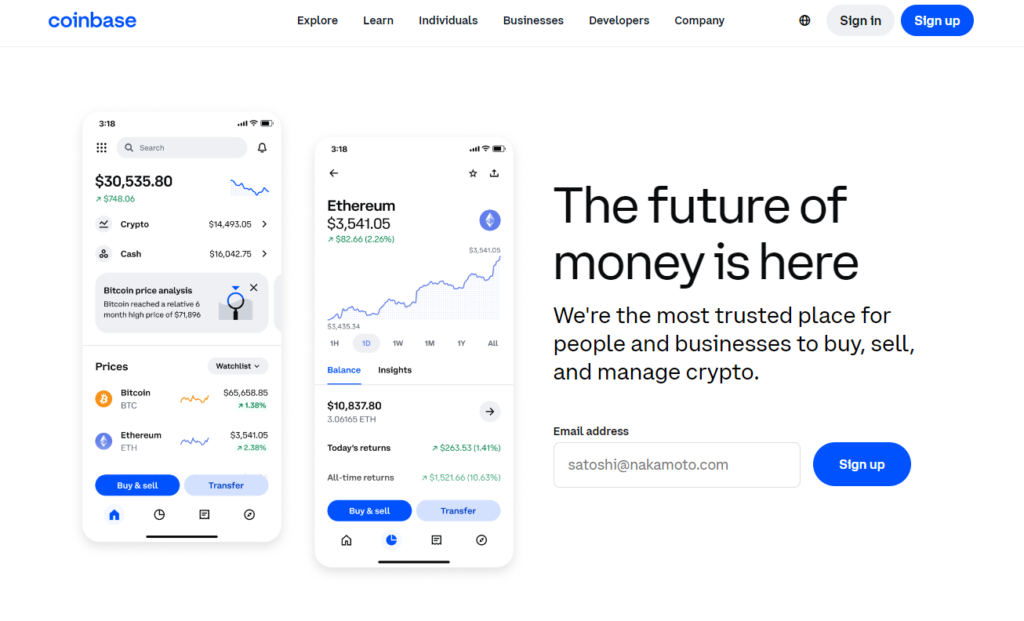
A decentralized wallet that gives users full control while offering smooth integration with the Coinbase ecosystem.
Pros:
- Simple and beginner-friendly
- NFT and DeFi support
- Easy connection to Coinbase services
Cons:
- Privacy concerns for advanced users
- Some features tied to Coinbase exchange
What is FDUSD?
FDUSD (First Digital USD) is a stablecoin pegged to the US dollar and issued by First Digital Labs. It is fully backed by reserves and designed to provide users with a reliable, transparent, and regulated digital asset for payments, trading, and value storage.
What is ETH?
Ethereum (ETH) is the second-largest cryptocurrency and the foundation of the decentralized application ecosystem. It powers smart contracts, NFTs, DeFi platforms, and countless innovations. ETH is also required as “gas” to pay for network transactions, making it both a utility and investment asset.
Why convert FDUSD to ETH?
While FDUSD provides stability by tracking the US dollar, ETH offers growth potential and utility across a wide range of blockchain applications. Converting FDUSD to ETH allows investors to participate in the Ethereum ecosystem, access DeFi protocols, and take advantage of Ethereum’s long-term market position.
Swapping FDUSD to ETH is straightforward with the right wallet. Walletverse makes it easy by offering built-in swaps, support for hundreds of tokens, and powerful self-custody protections. For anyone looking to move from stability into growth and utility, converting FDUSD to ETH through Walletverse is a secure and efficient choice.
FAQ
Most frequent questions and answers
Yes, FDUSD can be swapped for ETH using wallets or exchanges that support both assets. Wallets like Walletverse make the process simple and safe.
FDUSD can be purchased on exchanges that list it and then transferred to a wallet for storage and swaps.
Walletverse is one of the best apps to convert FDUSD to ETH. It supports 600+ cryptocurrencies, provides fast swaps, and ensures complete self-custody with biometric and passcode protection.


