


How to Swap LINK to BTC
The cryptocurrency market gives investors the ability to diversify and rebalance their portfolios with ease. LINK, the token powering Chainlink’s decentralized oracle network, is essential for connecting real-world data to smart contracts. BTC (Bitcoin), the world’s first and most valuable cryptocurrency, is widely used as a store of value and a global payment system. Swapping LINK to BTC allows holders to move from a utility token supporting decentralized applications into the most established digital asset in the market.
Best Way to Simply Exchange LINK to BTC
The simplest way to exchange LINK for BTC is by using a crypto wallet with built-in swap functionality. This option avoids the delays and complexities of centralized exchanges, such as account verification, third-party custody, or withdrawal limits.
To complete the swap, you simply choose LINK as the token to send, select BTC as the asset to receive, specify the amount, and confirm. The process is quick, secure, and keeps your funds under your control at all times.
Convert LINK to BTC - Top 10 Best Crypto Wallet to Swap
1. Walletverse
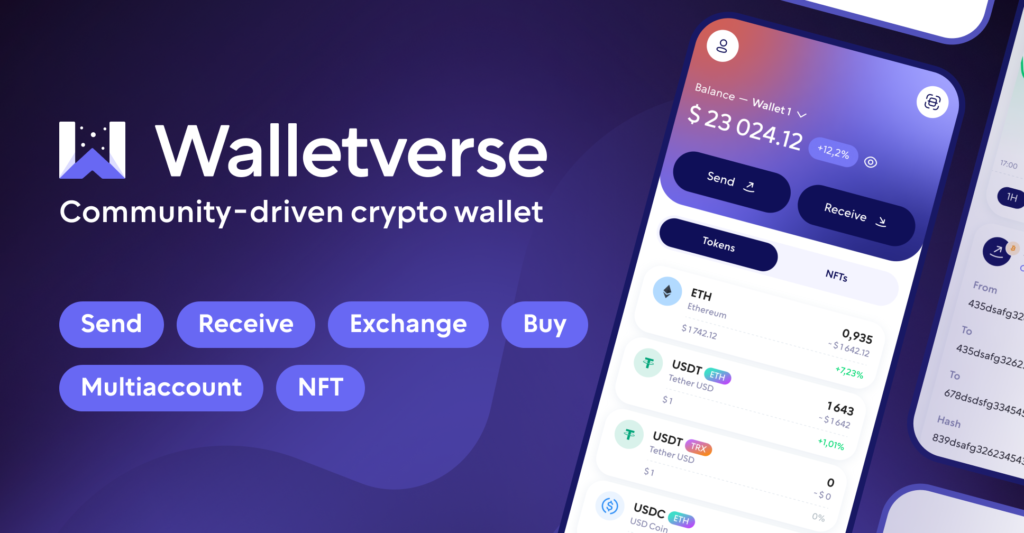
Walletverse is a mobile-first Web3 wallet supporting over 600 cryptocurrencies, including LINK and BTC. It allows users to swap tokens instantly, stake selected assets, and access decentralized applications. It also offers fiat purchase options through Apple Pay, Google Pay, and bank cards, making it beginner-friendly while maintaining advanced features.
Pros:
- 600+ supported assets
- Simple and intuitive mobile app
- Passcode and biometric security
- Staking and dApp integration
Cons:
- Only available on mobile


2. Trust Wallet
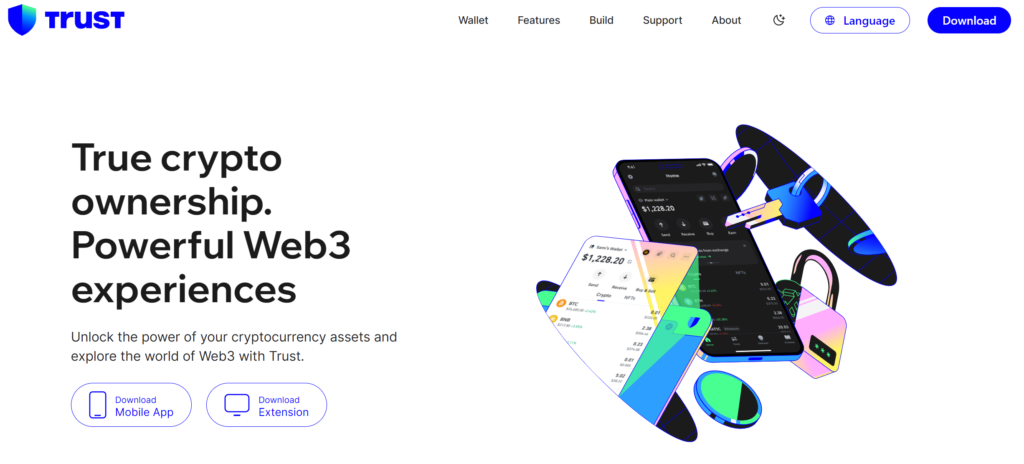
A decentralized wallet backed by Binance, Trust Wallet supports thousands of tokens and has direct compatibility with Bitcoin.
Pros:
- Wide token and blockchain support
- In-app swaps and staking
- Easy setup for beginners
Cons:
- Customer service limited
- Swap fees vary depending on network
3. Exodus Wallet
A cross-platform wallet with a visually appealing design and built-in exchange functionality.
Pros:
- Simple and attractive interface
- Desktop and mobile versions available
- Real-time portfolio tracking
Cons:
- Closed-source wallet
- Swap fees higher than some competitors
4. Atomic Wallet
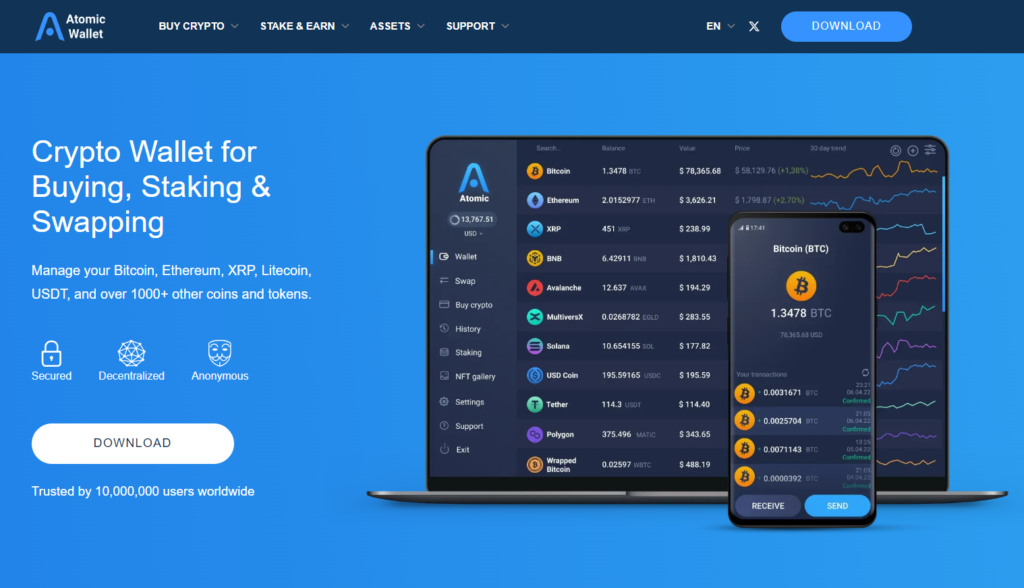
A decentralized wallet offering multi-currency support, token swaps, and staking features.
Pros:
- Broad support for cryptocurrencies
- Works on both mobile and desktop
- Staking available for selected coins
Cons:
- Not open-source
- Swap fees vary depending on provider
5. Trezor Suite

Paired with Trezor hardware wallets, Trezor Suite offers secure management and swapping for various cryptocurrencies.
Pros:
- Hardware-backed safety
- Easy-to-use companion software
- Well-established brand
Cons:
- Hardware purchase required
- Fewer supported assets than Ledger
6. MetaMask
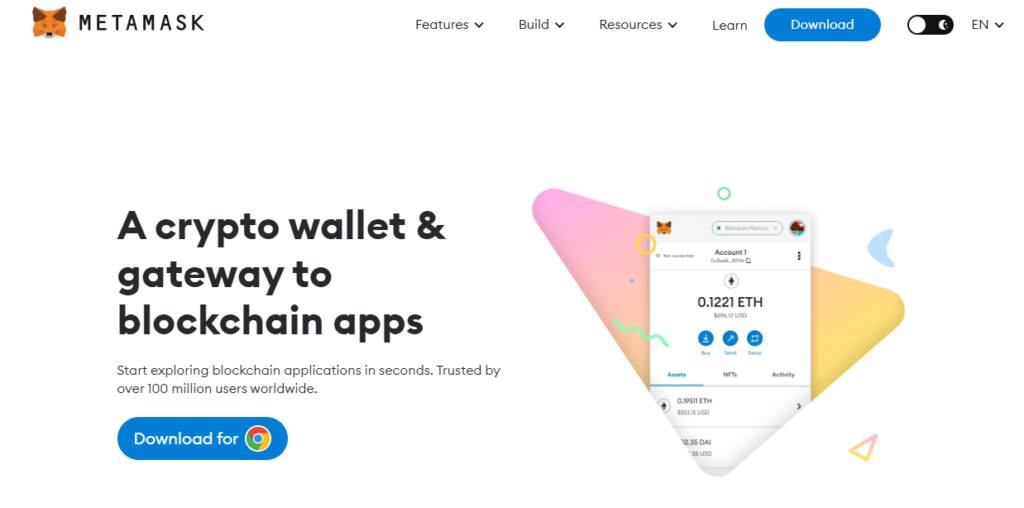
Best known for Ethereum and EVM-compatible tokens, MetaMask also supports LINK and can swap into BTC using bridging or integrated swap providers.
Pros:
- Strong integration with dApps and DeFi
- Available on browsers and mobile
- Large community and support base
Cons:
- Requires setup for BTC compatibility
- Higher fees for some swaps
7. Guarda Wallet
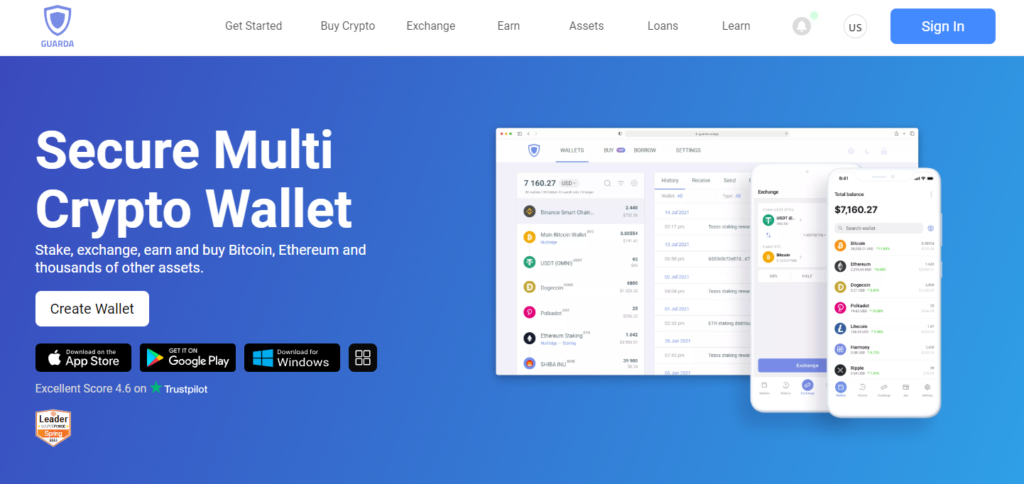
A multi-platform non-custodial wallet supporting swaps, staking, and fiat services.
Pros:
- Available on mobile, web, and desktop
- Wide token compatibility
- Supports fiat purchases
Cons:
- Interface less polished than some competitors
- Swap fees fluctuate
8. Crypto.com DeFi Wallet

A self-custodial wallet connected to Crypto.com’s services, offering token swaps and DeFi opportunities.
Pros:
- Secure storage and control
- DeFi yield integrations
- Integration with Crypto.com ecosystem
Cons:
- May feel complex for newcomers
- Some services linked to exchange accounts
9. Ledger Live (with Ledger Hardware Wallet)
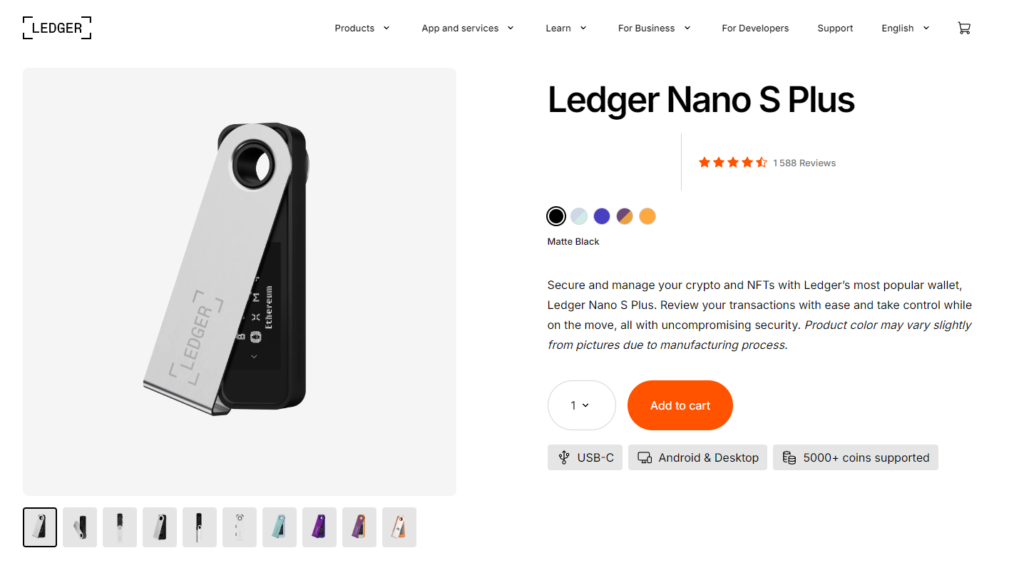
Ledger hardware wallets combined with Ledger Live software allow highly secure swaps of supported assets.
Pros:
- Hardware-based protection
- Wide token support
- Integrated swap features
Cons:
- Requires hardware purchase
- Not as convenient for fast swaps
10. Coinbase Wallet
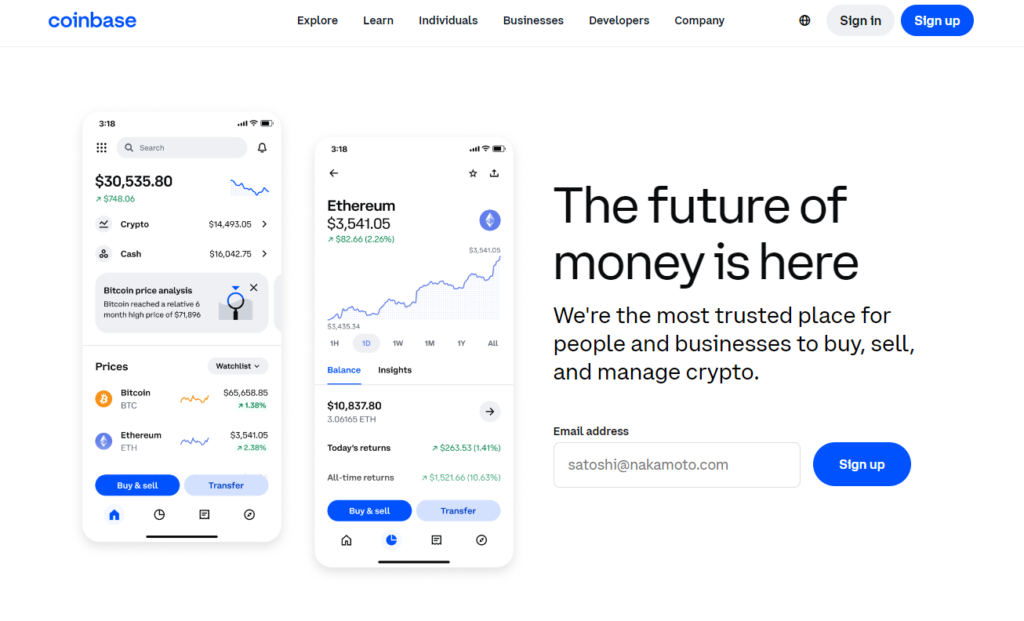
Separate from the Coinbase exchange, this wallet is non-custodial and allows users to store and swap LINK and BTC while maintaining full control.
Pros:
- Beginner-friendly
- NFT and dApp support
- Easy integration with Coinbase exchange
Cons:
- Privacy limited due to ecosystem links
- Not all swaps are handled directly in-wallet
What is LINK?
LINK is the token of Chainlink, a decentralized oracle network that connects smart contracts to off-chain data, APIs, and real-world information. It ensures the reliability of smart contracts by providing secure and verified data feeds.
What is BTC?
BTC (Bitcoin) is the first cryptocurrency, created as a decentralized digital currency without intermediaries. It is widely used as a store of value, a hedge against inflation, and a payment system recognized worldwide.
Why convert LINK to BTC?
Converting LINK to BTC allows investors to move from a utility token supporting decentralized applications into the most widely recognized and liquid cryptocurrency. While LINK is essential for smart contract functionality, BTC provides long-term stability, stronger liquidity, and global recognition. This swap is ideal for investors looking to reduce risk while maintaining a strong presence in the crypto market.
Swapping LINK to BTC is simple and secure with wallets that offer direct token exchanges. By choosing a solution like Walletverse, users gain full control over their assets, access hundreds of supported cryptocurrencies, and enjoy strong security measures. It’s an effective way to transition from a utility token to a globally trusted store of value.
FAQ
Most frequent questions and answers
Yes, LINK can be exchanged for BTC on wallets and platforms that support both tokens.
LINK can be purchased on major exchanges and stored in a secure wallet that supports ERC-20 tokens, like Walletverse.
Walletverse is one of the best apps for converting LINK to BTC. It supports 600+ cryptocurrencies, provides instant swaps, and ensures self-custody security so only you control your funds.


