


How to Swap RARI to SOL
RARI is the governance and rewards token for the Rarible NFT marketplace, enabling users to influence platform upgrades and participate in incentive programs. SOL powers the Solana blockchain, known for its lightning-fast transactions and low-cost operations, making it a leading choice for DeFi and NFT ecosystems. Converting RARI to SOL opens access to a broader, highly scalable Web3 environment.
Best Way to Simply Exchange RARI to SOL
The easiest method to exchange RARI for SOL is by using a crypto wallet with an integrated swap feature. This allows users to complete the transaction quickly while staying in control of private keys.
Another option is through decentralized exchanges. However, this may involve routing RARI through ETH or stablecoins first, which could increase complexity and network fees.
Crypto wallets supporting fast and direct swaps remain the most convenient solution.
Convert RARI to SOL - Top 10 Best Crypto Wallet to Swap
1. Walletverse
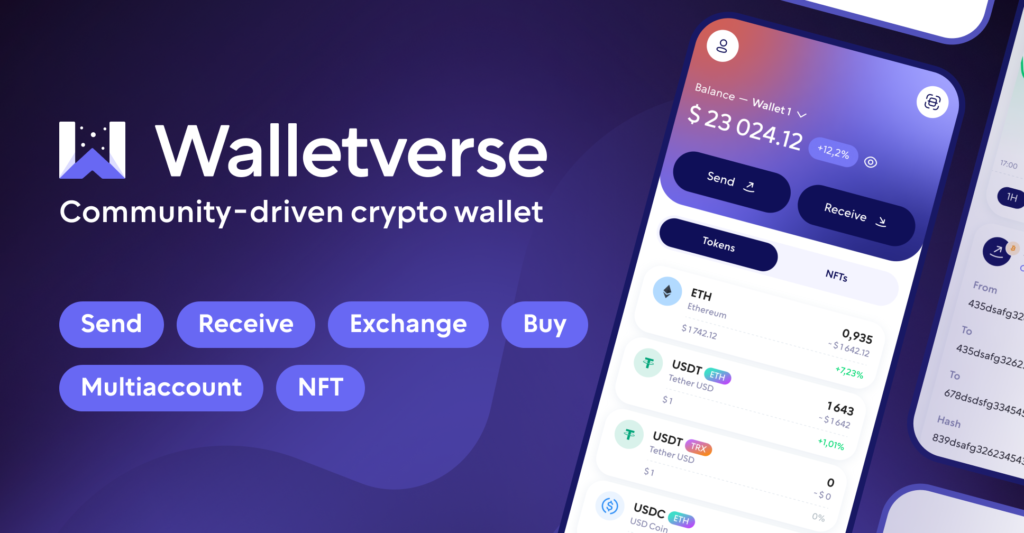
A decentralized mobile wallet supporting hundreds of crypto assets, enabling seamless swaps between RARI, SOL, and many others. Built for users who prioritize self-custody and flexibility.
Pros:
- Supports 600+ cryptocurrencies including RARI and SOL
- Community-driven with multi-account features
- Buy crypto with bank cards, Apple Pay, and Google Pay
- Passcode and biometric authentication for asset protection
Cons:
- Available only as a mobile application


2. Trust Wallet
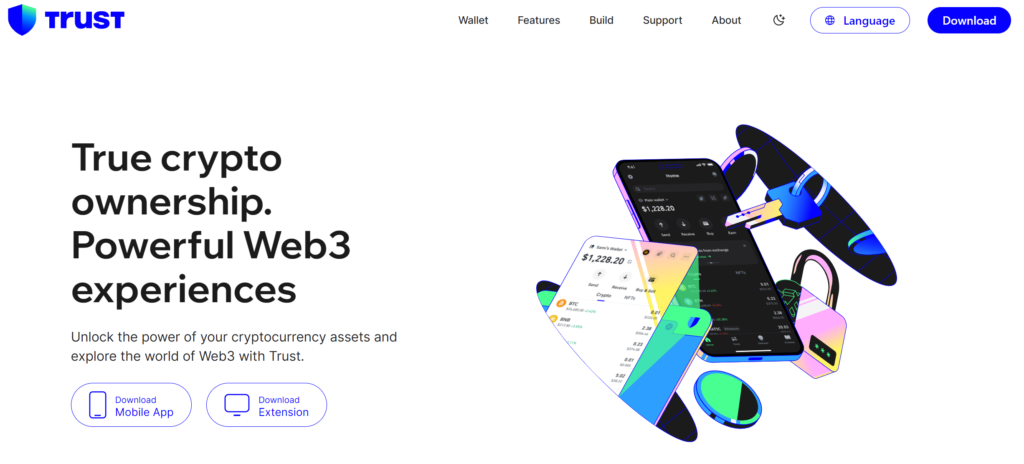
A popular wallet offering internal swaps and support for major blockchains including Solana.
Pros:
- Easy interface for quick trades
- Includes swap and staking features
Cons:
- Some tokens may require third-party swap routing
- Not all regions have full trading availability
3. Ledger Live
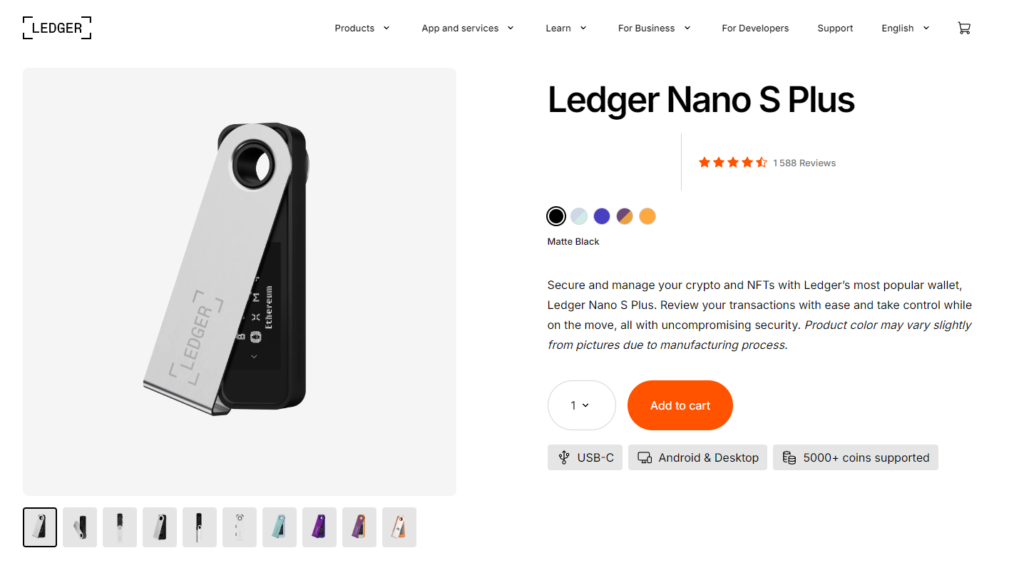
Hardware protection for long-term crypto management combined with in-app swap services.
Pros:
- Maximum security for token storage
- Supports RARI through Ethereum and SOL natively
Cons:
- Hardware purchase required
- Swaps processed through partner services
4. Atomic Wallet
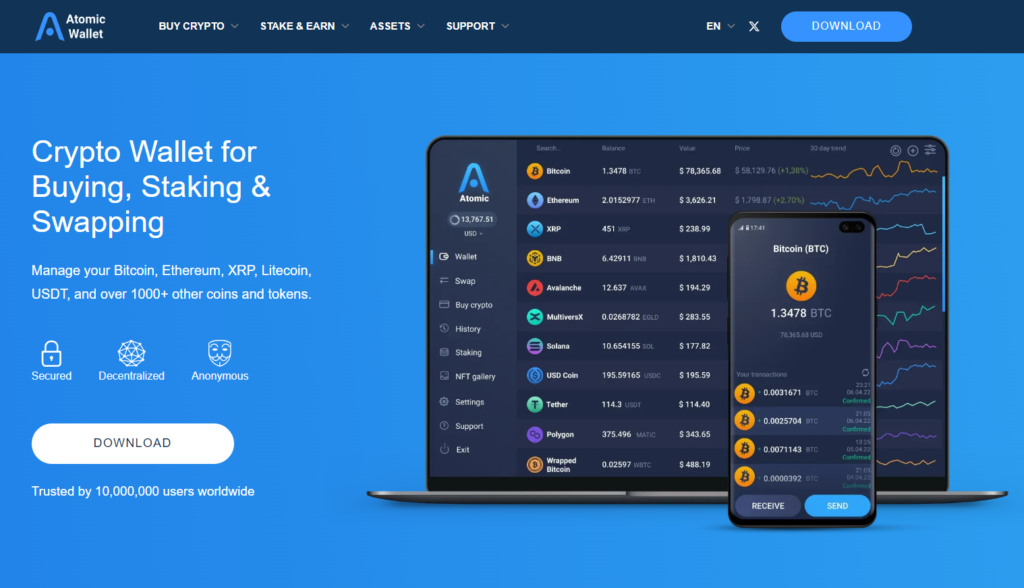
A non-custodial wallet that supports internal swaps and multiple assets like RARI and SOL.
Pros:
- Staking options for certain tokens
- Broad list of tradable assets
Cons:
- Swap fees may be higher
- Less transparency on liquidity routing
5. Guarda Wallet
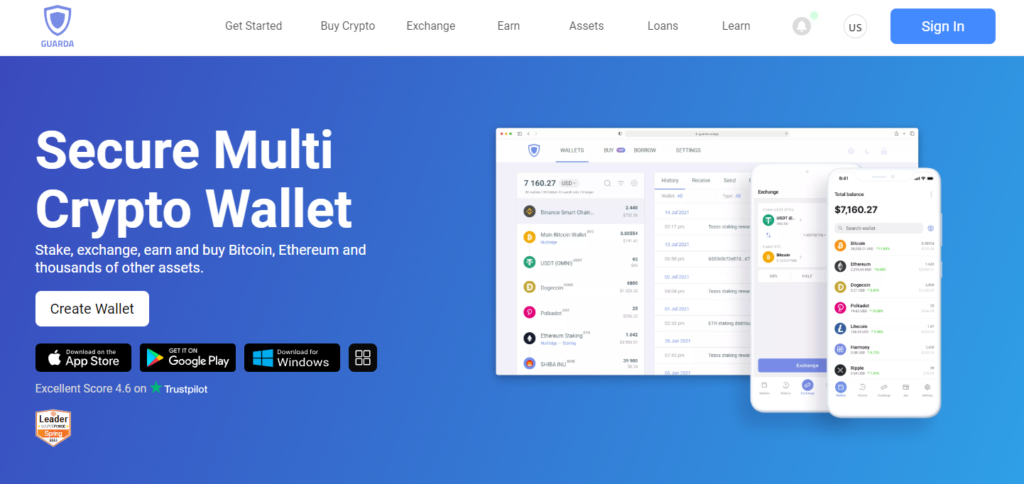
Offers custodial control with cross-platform access including desktop, mobile, and browser environment.
Pros:
- Staking and swap features onboard
- Works across multiple devices
Cons:
- Not ideal for very new crypto users
- Swap fees depend on market conditions
6. MetaMask
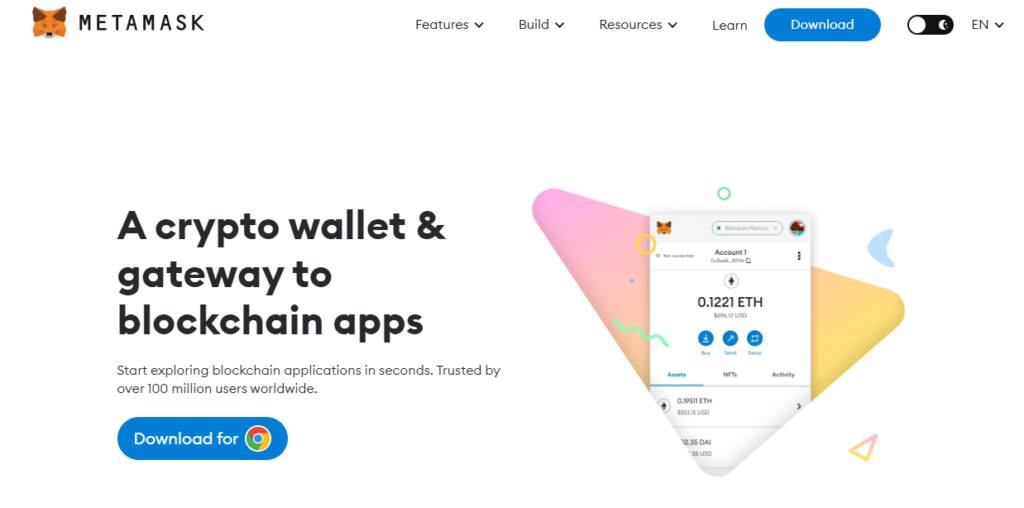
Well-known for NFT compatibility and Web3 access. RARI is native to MetaMask users through the Ethereum network. SOL swaps often require bridges.
Pros:
- Strong NFT ecosystem support
- Wide dApp compatibility
Cons:
- Additional steps needed for SOL network support
- Gas fees can vary significantly
7. Binance Wallet
Integrated with Binance liquidity, allowing efficient conversion paths to SOL.
Pros:
- Access to deep liquidity for competitive pricing
- Multi-chain compatibility
Cons:
- Some features tied to Binance account verification
- Semi-centralized design
8. Coinomi
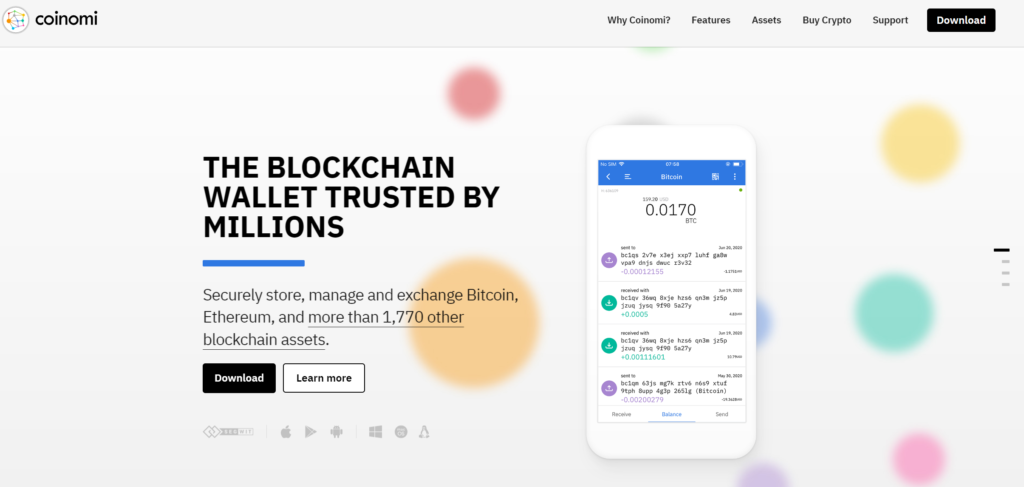
A veteran wallet supporting internal trading with broad crypto asset compatibility.
Pros:
- Good multi-chain coverage
- No KYC for wallet use
Cons:
- No native NFT marketplace support
- Interface looks less modern
9. Exodus
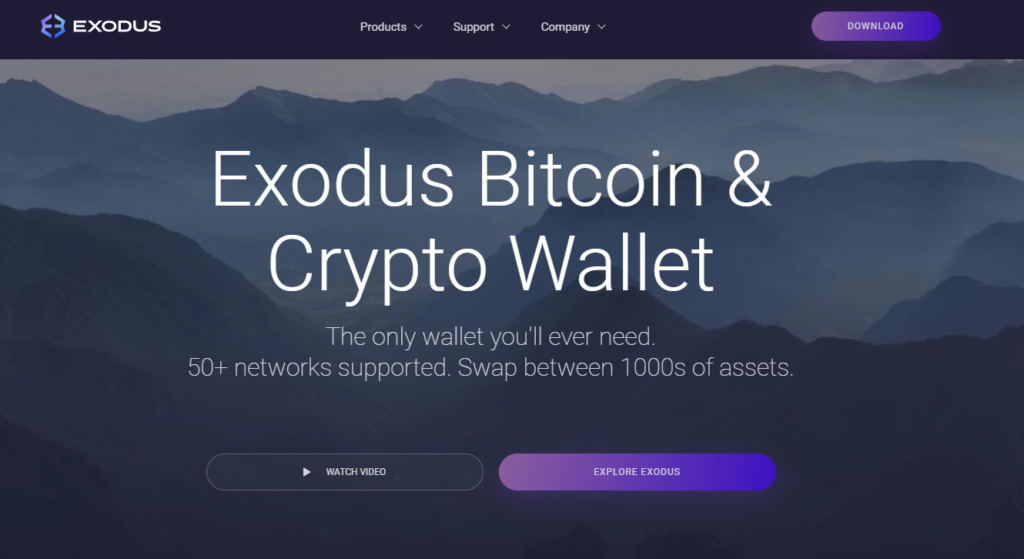
A visually polished wallet that supports SOL and offers built-in swap tools.
Pros:
- Great UI for portfolio management
- Quick token exchange inside the app
Cons:
- Fees depend on third-party swap providers
- No Web3 browser for NFT marketplaces
10. Coinbase Wallet
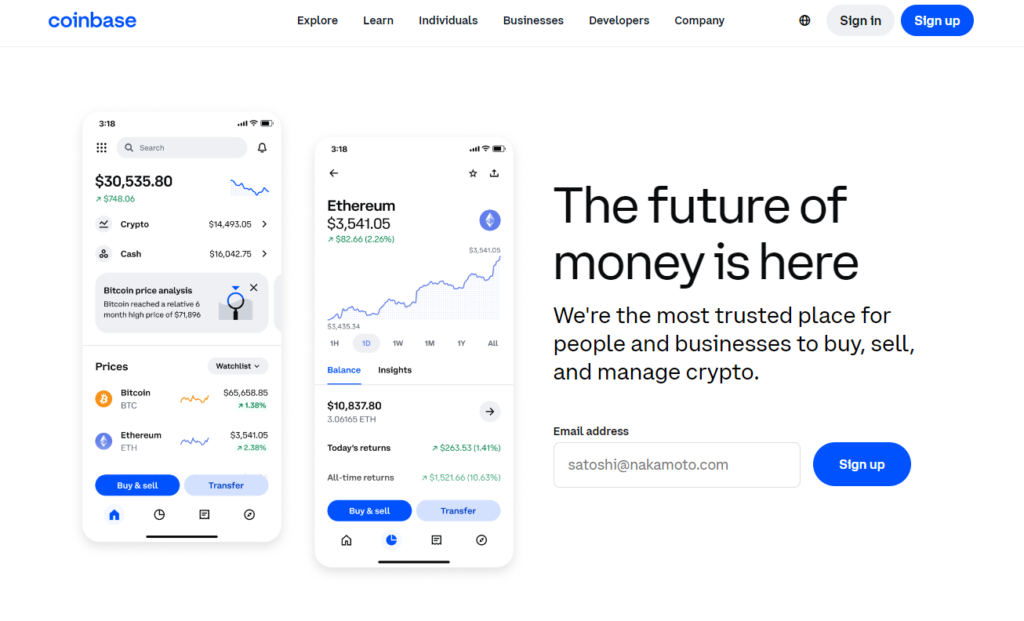
A trusted self-custody option from a major exchange brand. Widely adopted among NFT creators and traders.
Pros:
- Secure wallet backed by known infrastructure
- Simple setup for new crypto users
Cons:
- Cross-network swaps may require liquidity providers
- Limited direct Solana integrations compared to native SOL wallets
What is RARI?
RARI is the native token used to power governance and rewards on the Rarible marketplace. It gives users the ability to vote on development decisions, influence platform improvements, and benefit from NFT ecosystem participation.
What else can you swap RARI for?
RARI holders can exchange it for a wide range of cryptocurrencies, including:
- Popular coins such as BTC, ETH, XRP, SOL, and BNB
- Stablecoins like USDT and USDC
- Various NFT-compatible and DeFi assets
- Meme coins and trend-driven tokens for high-volatility trading
- Multichain networks to access new ecosystems
This allows flexible portfolio diversification.
Why convert RARI to SOL?
Many traders choose this swap for:
- Faster transaction speeds and lower fees on Solana
- Growing popularity of SOL in NFTs and gaming
- High liquidity and strong exchange support
- Access to expanding DeFi staking and dApp options
- A more scalable blockchain for everyday transactions
Swapping to SOL expands utility beyond NFT governance.
RARI to SOL is a smart exchange strategy for users who want to move from Ethereum-based NFT governance into a fast, scalable, and highly active blockchain ecosystem. Walletverse provides a secure way to store, manage, and swap both assets while maintaining full ownership.
FAQ
Most frequent questions and answers
Yes, it’s valuable for users in the Rarible NFT marketplace and for those participating in Web3 governance.
Walletverse allows you to purchase SOL using Visa, Mastercard, Apple Pay, or Google Pay, then store or swap it within the app.
Walletverse is an excellent choice since it supports RARI and SOL swaps along with top-tier security and full self-custody.


