


How to Swap WBTC to BTC
The cryptocurrency ecosystem has evolved to include wrapped assets that bring the benefits of one blockchain to another. Wrapped Bitcoin (WBTC) is an ERC-20 token that represents Bitcoin on the Ethereum network, making it usable in DeFi protocols. Bitcoin (BTC), meanwhile, remains the original cryptocurrency and is widely used as a store of value and medium of exchange. Swapping WBTC to BTC lets investors move from Ethereum’s DeFi ecosystem back into native Bitcoin for security, liquidity, or long-term holding.
Best Way to Simply Exchange WBTC to BTC
The simplest way to exchange WBTC for BTC is through a multi-currency crypto wallet with in-app swap functionality. This option eliminates the need to send funds to centralized exchanges, ensuring faster and safer transactions while keeping full control of assets. Walletverse is an excellent example of this approach, providing users with secure storage, instant swaps, and fiat purchase options in a single mobile app. While exchanges and peer-to-peer platforms can also be used, wallets with built-in swap features remain the most convenient choice for everyday use.
Convert WBTC to BTC - Top 10 Best Crypto Wallet to Swap
1. Walletverse
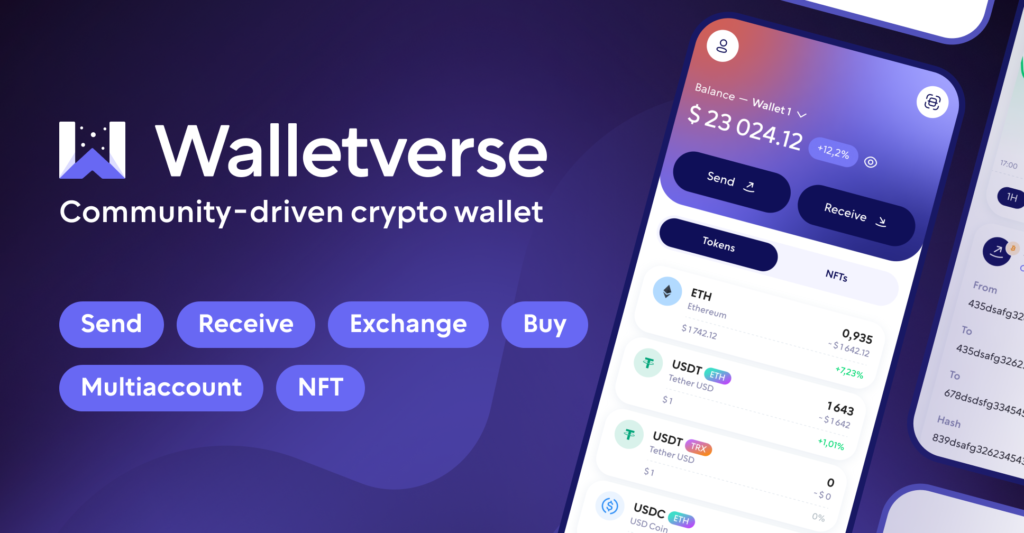
Walletverse is a mobile-first wallet supporting more than 600 cryptocurrencies, including WBTC and BTC. It is built on a self-custody model, meaning only the user controls their keys. The app supports fiat payments via Apple Pay, Google Pay, and debit or credit cards in multiple currencies. Walletverse also offers dApp access, multi-account features, and staking (such as Solana). Security is a priority, with biometric authentication, pass-code protection, and AML compliance.
Pros:
- Supports 600+ cryptocurrencies including WBTC and BTC
- Self-custody with advanced security features
- User-friendly interface for beginners and advanced users
- Fiat purchase integration via cards and mobile payments
Cons:
- Mobile-only app
- Advanced tools may require time to master


2. Trust Wallet
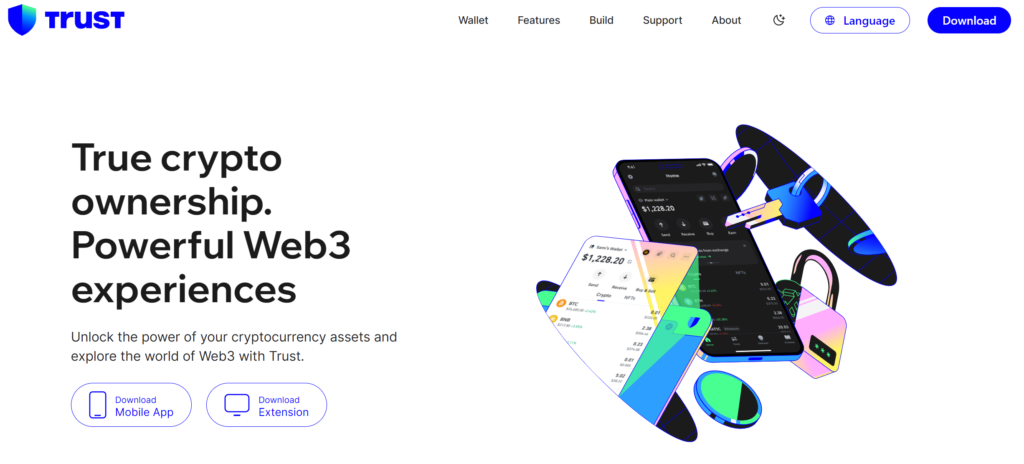
A mobile wallet widely used for storing and swapping a broad range of tokens.
Pros:
- Supports thousands of tokens including WBTC
- Built-in swap and staking functions
- Beginner-friendly
Cons:
- Limited customer support
- No desktop version
3. Exodus Wallet
Exodus combines a sleek design with availability across desktop and mobile, including swap features.
Pros:
- Intuitive interface
- Works on multiple platforms
- Supports hardware wallet integration
Cons:
- Swap fees higher than exchanges
- Closed-source
4. Atomic Wallet
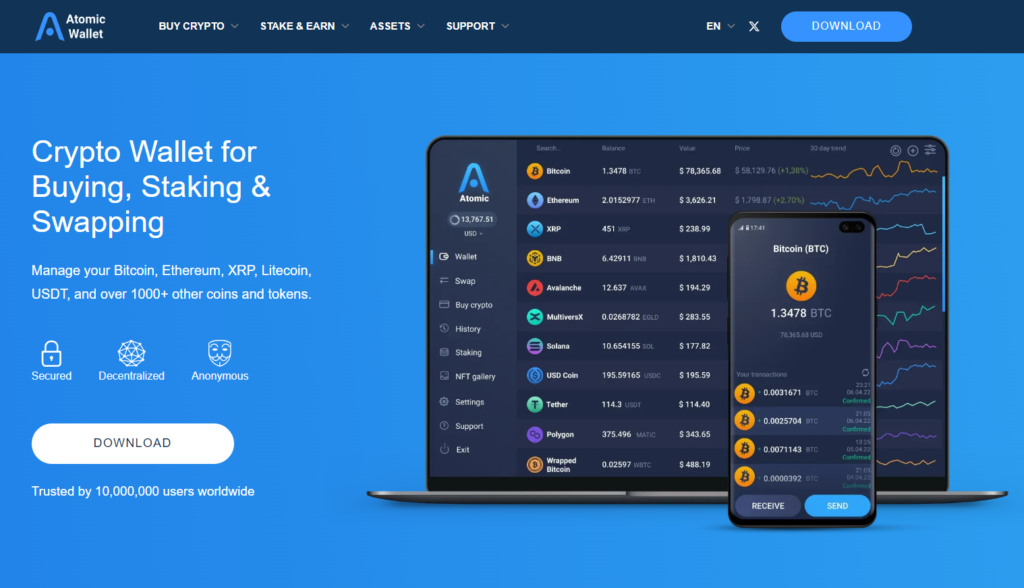
A decentralized wallet offering instant swaps and staking services.
Pros:
- Wide token support including WBTC and BTC
- Non-custodial design
- User-friendly
Cons:
- Some features tied to its native token
- Limited customer service
5. Coinomi Wallet
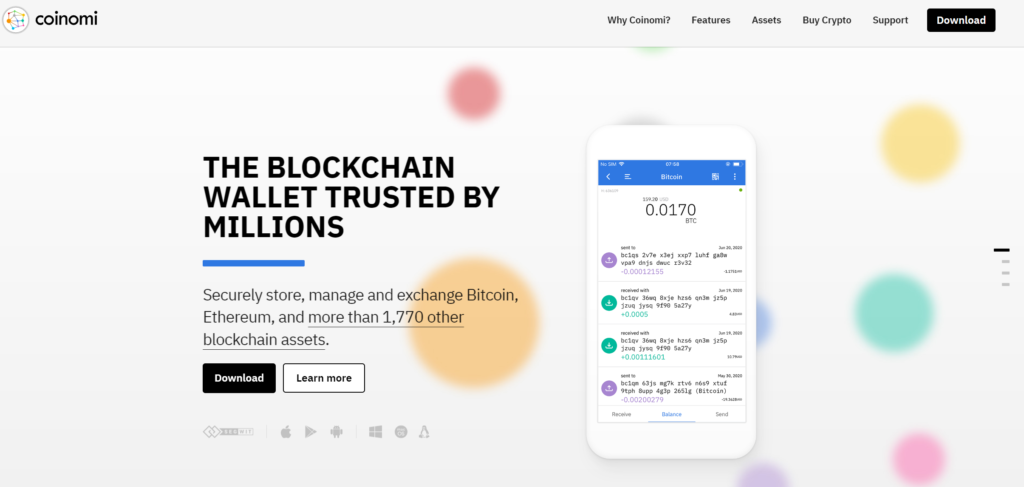
A veteran wallet with support for multiple blockchains and tokens.
Pros:
- Long history of secure performance
- Multi-chain compatibility
- Available on multiple devices
Cons:
- Outdated user interface
- No fiat purchase support
6. MetaMask
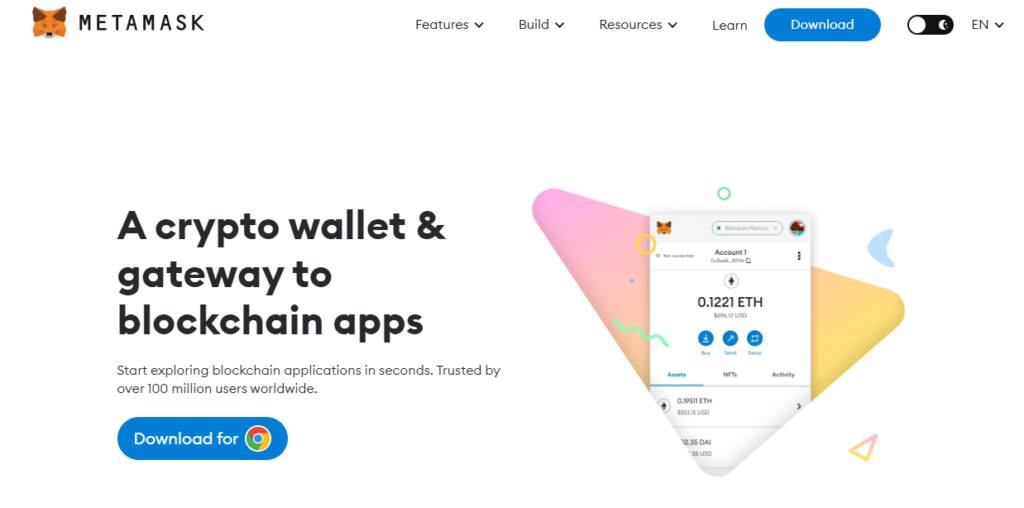
Primarily focused on Ethereum and EVM tokens, MetaMask supports WBTC and can connect with DeFi apps.
Pros:
- Easy DeFi and dApp integration
- Lightweight mobile app and browser extension
- Large community support
Cons:
- Limited to Ethereum-based tokens by default
- Requires bridging for BTC
7. Guarda Wallet
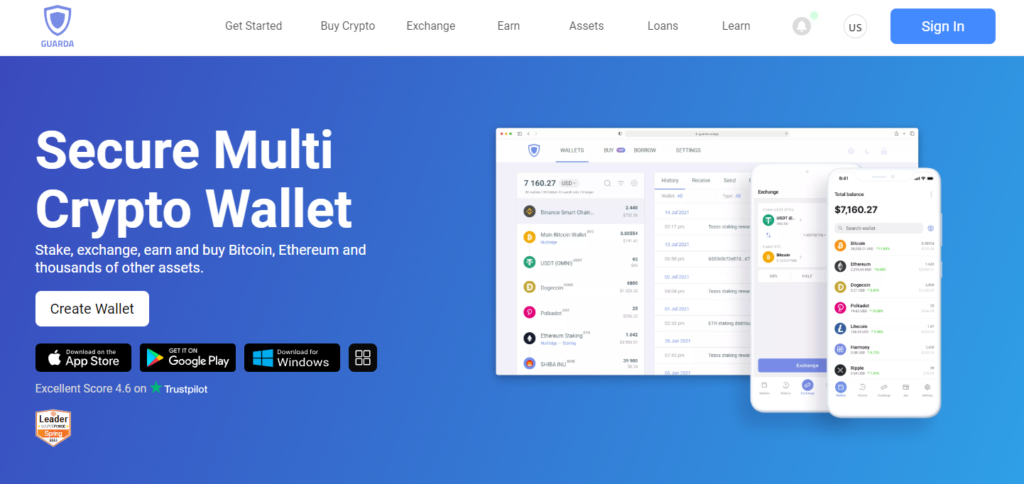
A non-custodial wallet offering desktop, web, and mobile versions with swap and staking features.
Pros:
- Cross-platform access
- Private key ownership
- Wide asset coverage
Cons:
- Premium features may require payment
- Higher swap fees
8. Crypto.com DeFi Wallet

Part of the Crypto.com ecosystem, this wallet provides swaps, staking, and non-custodial storage.
Pros:
- Mobile-friendly design
- Access to Crypto.com liquidity
- Staking integration
Cons:
- Works best with Crypto.com services
- Limited chain support outside ecosystem
9. Binance Wallet
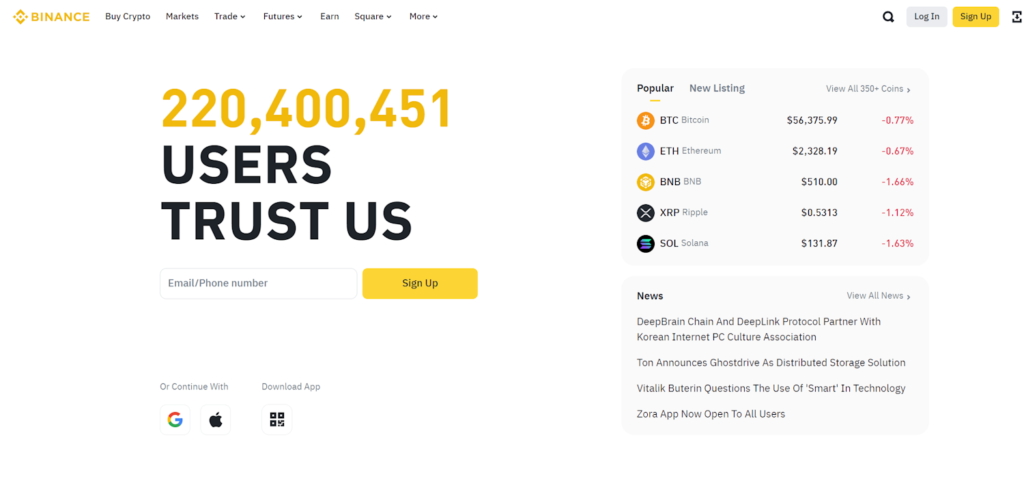
A wallet tied to Binance exchange, offering strong liquidity and fast swaps.
Pros:
- Wide trading pair support
- Strong liquidity
- Exchange-backed
Cons:
- Custodial in some cases
- Less independence than self-custody wallets
10. Ledger Live (with Ledger hardware)
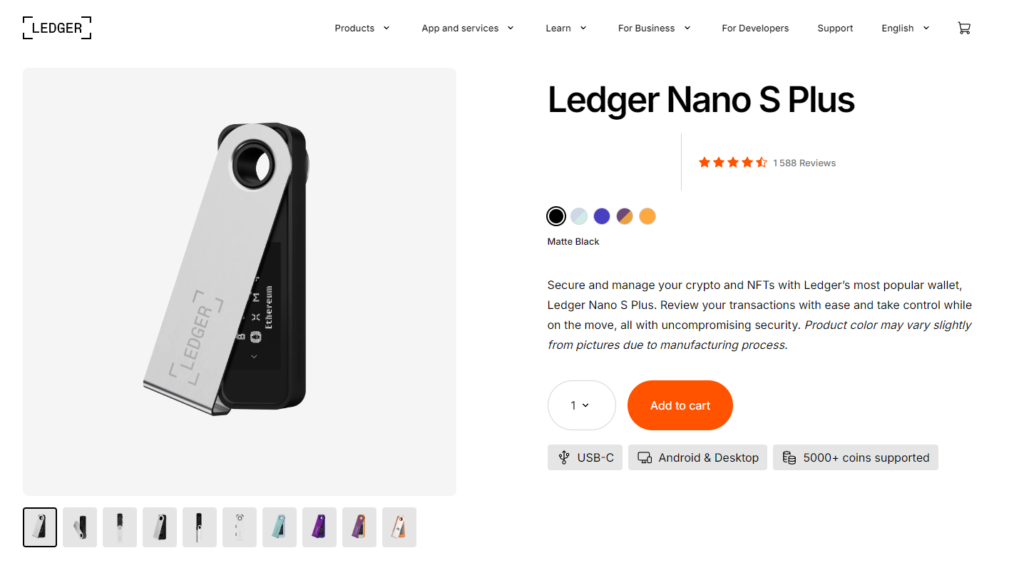
Ledger Live works with Ledger’s hardware wallets, providing unmatched security.
Pros:
- Hardware-level protection
- Supports WBTC and BTC
- Highly trusted brand
Cons:
- Requires hardware purchase
- Less convenient for quick swaps
What is WBTC?
Wrapped Bitcoin (WBTC) is an ERC-20 token that mirrors the value of Bitcoin on the Ethereum network. Each WBTC is backed 1:1 by BTC, enabling Bitcoin liquidity to flow into Ethereum’s DeFi ecosystem.
What is BTC?
Bitcoin (BTC) is the world’s first cryptocurrency, designed as a decentralized and secure digital currency. It remains the most valuable and widely recognized crypto asset, used as both a store of value and a medium of exchange.
Why convert WBTC to BTC?
Converting WBTC to BTC allows investors to move assets from Ethereum’s DeFi ecosystem into native Bitcoin. While WBTC offers flexibility in decentralized finance, BTC provides greater security, liquidity, and recognition as the original cryptocurrency.
Swapping WBTC to BTC is a straightforward process when using the right tools. Walletverse makes this conversion seamless by offering instant in-app swaps, fiat purchase options, and support for over 600 cryptocurrencies. With strong security features and user-friendly design, it stands out as one of the best apps for managing both WBTC and BTC.
FAQ
Most frequent questions and answers
Yes, WBTC can be swapped for BTC through wallets, like Walletverse or exchanges that support both assets.
WBTC can be purchased on exchanges that support ERC-20 tokens or obtained by wrapping BTC through approved custodians.
Walletverse is one of the best apps for converting WBTC to BTC. It offers self-custody, fiat payment options, and seamless in-app swaps for more than 600 cryptocurrencies.


