


How to Swap APPC to USDT
AppCoins (APPC) was created to improve how users pay for mobile apps and digital content. While it serves a specific purpose in the app economy, many crypto holders prefer to move their assets into stablecoins like Tether (USDT) for price stability, easier trading, and broader usability.
Swapping APPC to USDT allows users to protect value during market fluctuations and access a currency that is widely accepted across exchanges, wallets, and DeFi platforms.
Best Way to Simply Exchange APPC to USDT
There are several simple ways to exchange APPC for USDT, depending on how much control, speed, and convenience you want.
Centralized exchanges remain a popular option. Users deposit APPC, trade it for USDT, and then withdraw the stablecoins. This process is usually fast, but it requires account verification and temporary custody of funds.
Decentralized exchanges offer a more private alternative. If liquidity is available, users can connect a Web3 wallet and swap APPC directly for USDT using smart contracts. This keeps control in the user’s hands, but network fees and technical steps can be higher.
Another convenient option is using a crypto wallet with a built-in swap feature. These wallets let users convert APPC to USDT directly inside the app without moving funds to an exchange. This approach combines speed, security, and simplicity in one place.
Before swapping, it’s always smart to:
- Check the correct APPC token version and network;
- Make sure you have enough funds for transaction fees;
- Start with a small test transaction if using a new service.
Convert APPC to USDT – Top 10 Best Crypto Wallets to Swap
1. Walletverse
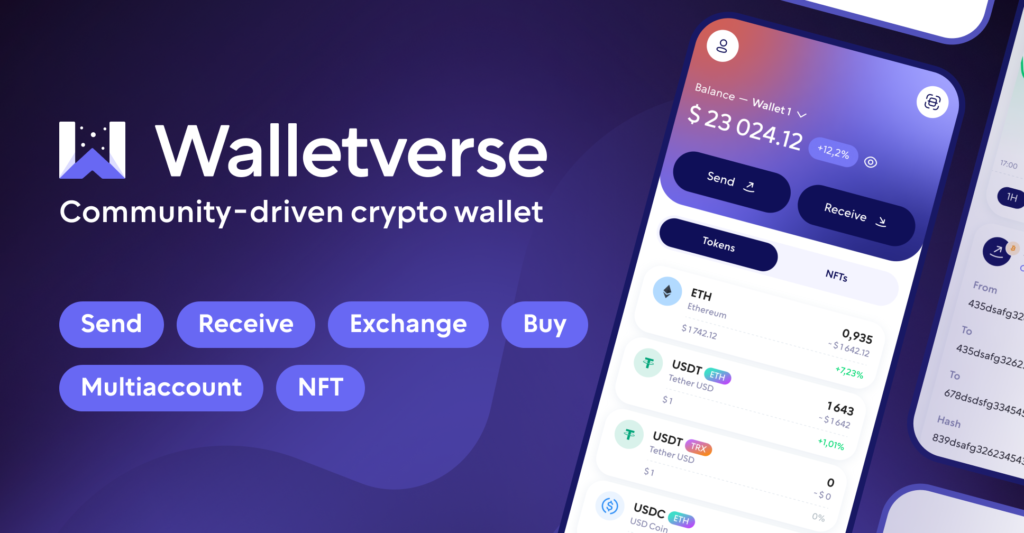
Walletverse is a mobile self-custody crypto wallet designed for everyday use and advanced asset management. It supports more than 700 cryptocurrencies and allows users to buy, swap, send, and store assets directly in one app.
The wallet includes multi-account functionality, which helps users separate funds for trading, long-term holding, or DeFi activity. Crypto purchases are available through Apple Pay, Google Pay, and bank cards in multiple fiat currencies such as USD, EUR, INR, CAD, AUD, and others.
Security is a core feature of Walletverse. Access is protected with passcode and biometric authentication, ensuring only the user controls their funds. The wallet also offers staking for assets like ETH, TRX, and Solana.
One of its standout features is the GasFree USDT system for TRON, which allows users to send USDT without holding TRX by paying fees directly in USDT.
Pros:
- Full self-custody and strong security
- 700+ supported cryptocurrencies
- Built-in buy, swap, and send features
Cons:
- Available only on mobile devices


2. Trust Wallet
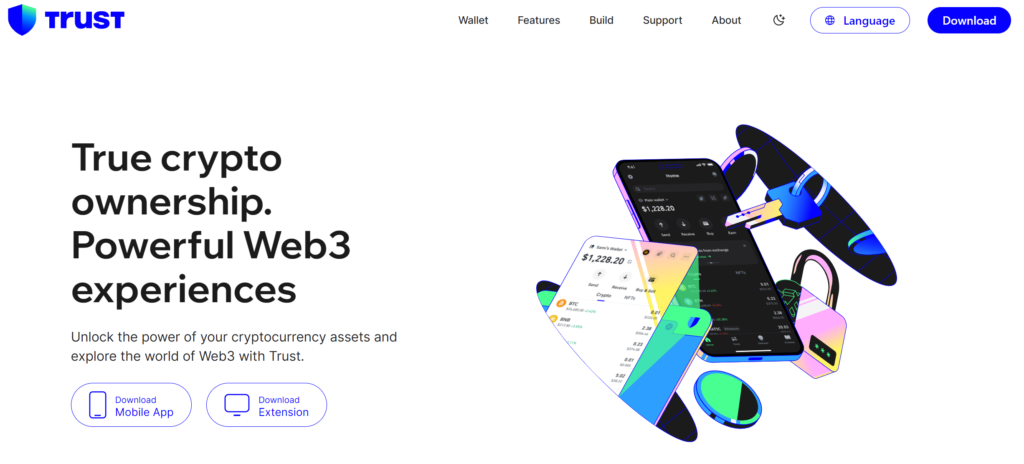
Trust Wallet is a widely used mobile wallet that supports thousands of cryptocurrencies across multiple blockchains. It includes access to decentralized exchanges and swap providers, allowing users to trade tokens directly inside the app.
The wallet also supports Web3 browsing, enabling interaction with DeFi platforms and dApps. Its simple design makes it suitable for beginners, while advanced users can access custom tokens and networks.
Pros:
- Easy to use with a clean interface
- Broad token and network support
Cons:
- Swap rates depend on third-party providers
3. Coinbase Wallet
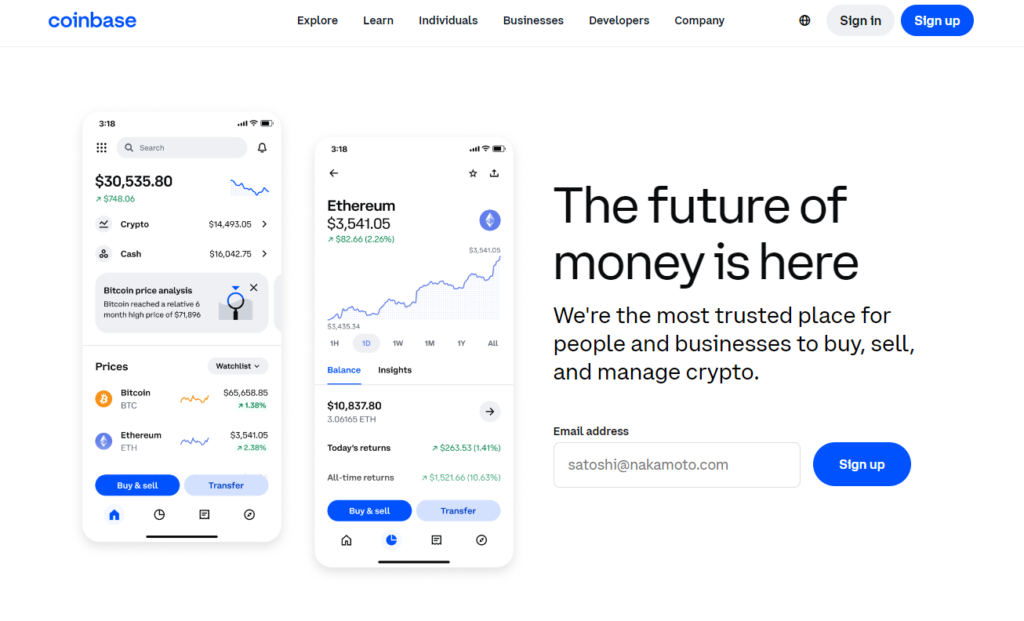
Coinbase Wallet is a self-custody wallet that operates independently from the Coinbase exchange. It allows users to store crypto, access Web3 apps, and swap assets using integrated providers.
The wallet supports NFTs, DeFi tools, and decentralized applications, making it suitable for users who want a simple entry into Web3 without giving up control of their private keys.
Pros:
- Beginner-friendly interface
- Good Web3 and NFT support
Cons:
- Limited advanced customization
4. Atomic Wallet
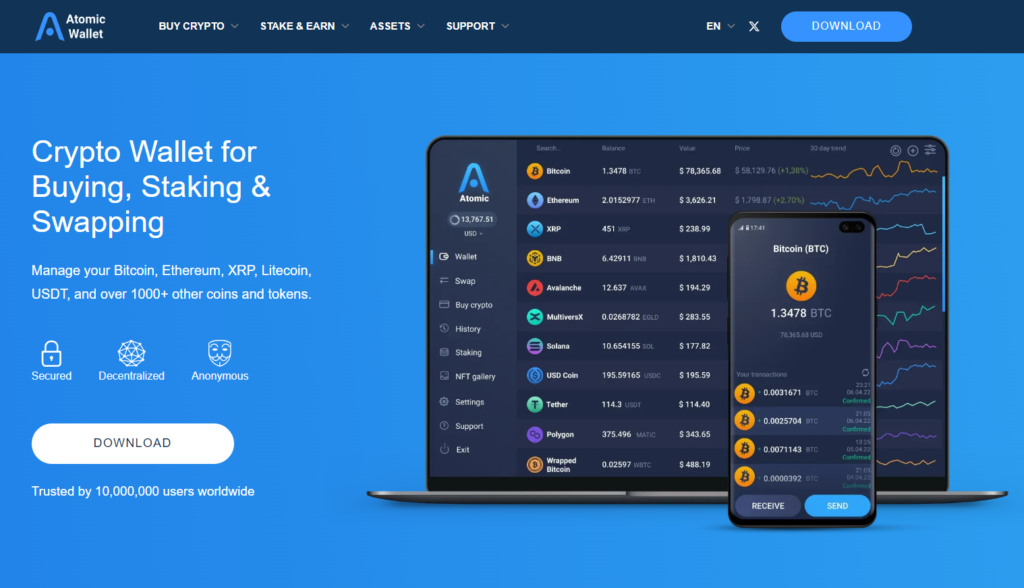
Atomic Wallet is a multi-currency wallet that supports in-app exchanges and staking features. It allows users to manage a wide range of digital assets while keeping full control of their private keys.
The wallet focuses on simplicity, making it easy to store, swap, and track crypto balances. Some exchange services are powered by external partners.
Pros:
- Simple portfolio management
- Supports staking for multiple coins
Cons:
- Swap availability depends on partner services
5. Guarda Wallet
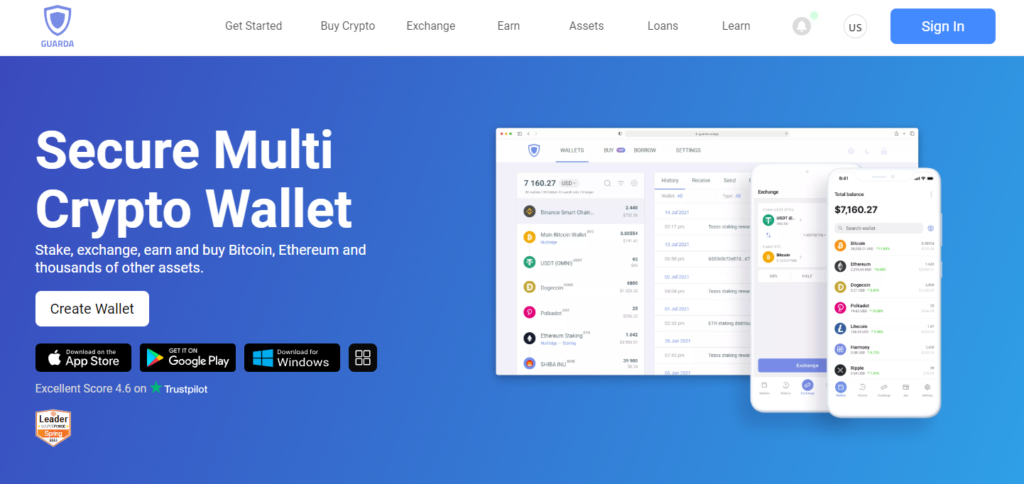
Guarda is a non-custodial wallet available on web, desktop, and mobile platforms. It supports a large number of cryptocurrencies and includes built-in exchange services.
Users can also stake certain assets and manage multiple wallets from one account. Guarda is suitable for users who prefer cross-platform access.
Pros:
- Works across multiple devices
- Supports staking and swaps
Cons:
- Some features rely on third-party services
6. Guarda Wallet
Guarda is a non-custodial wallet available on web, desktop, and mobile platforms. It supports a large number of cryptocurrencies and includes built-in exchange services.
Users can also stake certain assets and manage multiple wallets from one account. Guarda is suitable for users who prefer cross-platform access.
Pros:
- Works across multiple devices
- Supports staking and swaps
Cons:
- Some features rely on third-party services
7. MetaMask
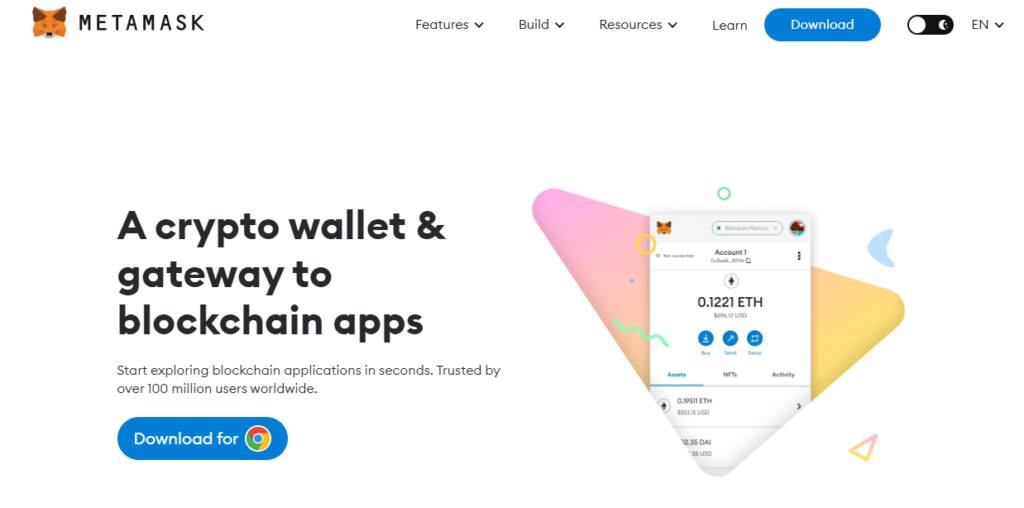
MetaMask is one of the most popular Ethereum-based wallets, available as both a browser extension and mobile app. It allows users to connect directly to decentralized exchanges and Web3 applications.
Users can import custom tokens, manage multiple networks, and interact with DeFi protocols. MetaMask is ideal for those who frequently use Ethereum-based services and need flexible wallet connectivity.
Pros:
- Strong Ethereum and DeFi integration
- Supports custom networks and tokens
Cons:
- Can be confusing for beginners
8. SafePal
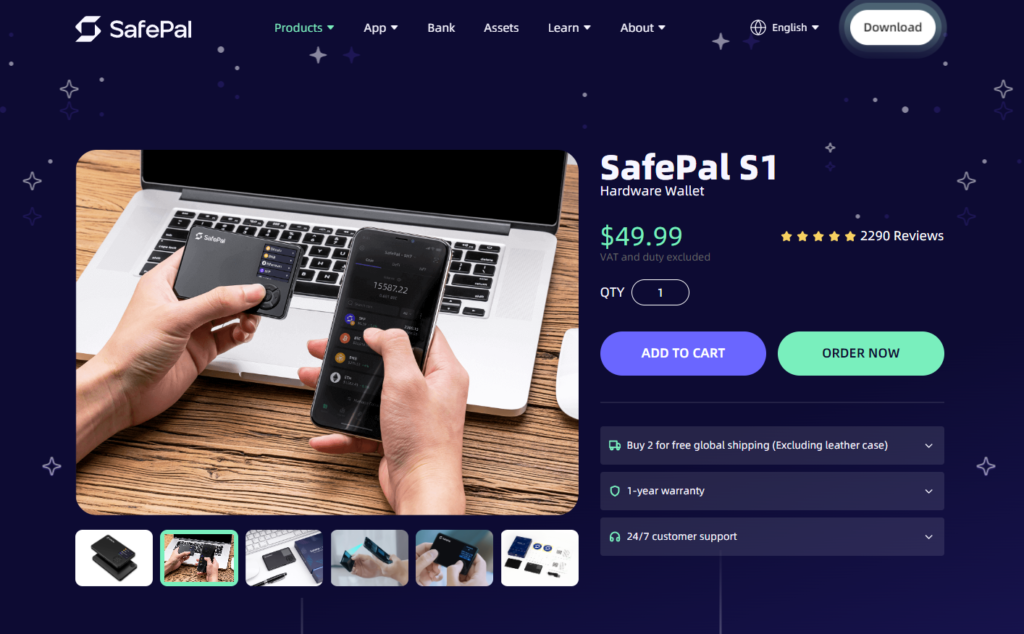
SafePal offers both a mobile wallet and optional hardware wallet integration. It supports crypto storage, swaps, and DeFi access through its app.
The wallet is designed for users who want stronger security options while still keeping mobile convenience.
Pros:
- Hardware wallet compatibility
- Built-in swap and DeFi access
Cons:
- Interface may feel complex for beginners
9. Exodus
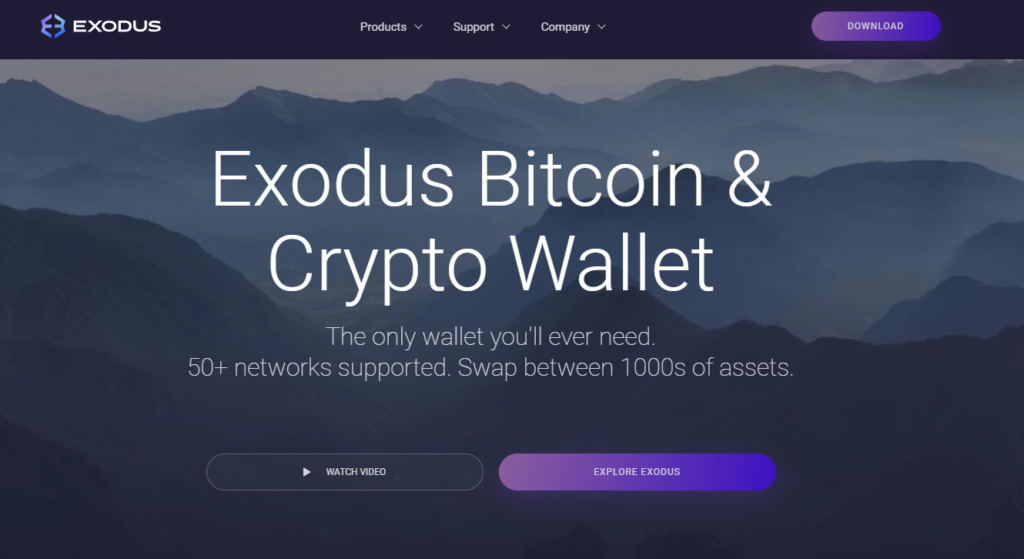
Exodus is known for its visually polished design and smooth user experience. It supports many cryptocurrencies and offers built-in exchange functionality for quick asset swaps.
The wallet is available on desktop and mobile, allowing users to manage crypto across devices. Exodus also integrates with hardware wallets for added security.
Pros:
- Clean and intuitive interface
- Desktop and mobile versions
Cons:
- Exchange fees can be higher
10. Coinomi
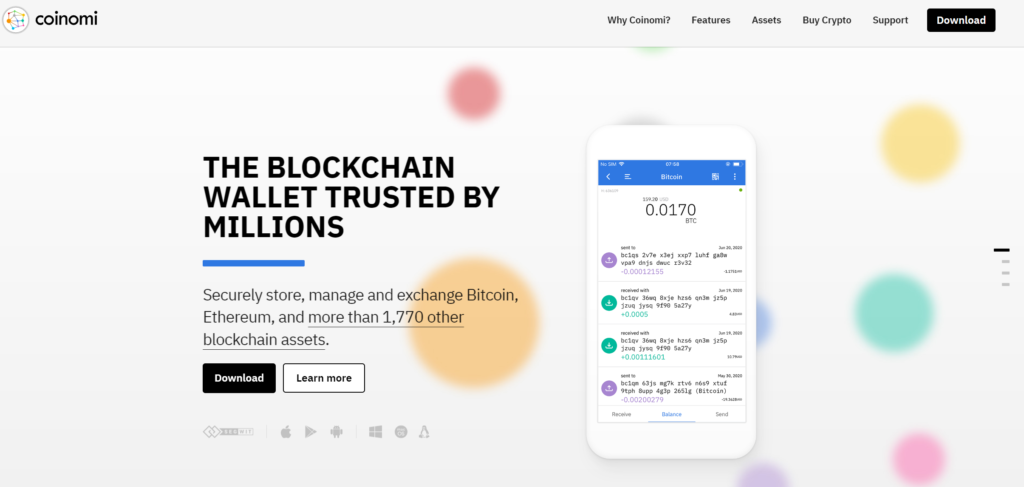
Coinomi is one of the longest-running multi-asset wallets in crypto space. It supports a wide range of coins and tokens and includes exchange integrations for simple swaps.
The wallet focuses on privacy and lightweight performance, making it suitable for users who want fast access without complex features.
Pros:
- Fast setup and lightweight design
- Large asset support
Cons:
- Limited DeFi and Web3 tools
What Is APPC?
AppCoins (APPC) is a cryptocurrency designed for the app economy. It was created to simplify in-app purchases, advertising, and developer rewards through blockchain technology.
The goal of APPC is to make app-related transactions more transparent by removing intermediaries and allowing users to pay directly with crypto. The token is mainly associated with mobile applications and digital services.
What Else Can You Swap APPC For?
Depending on the platform and available liquidity, APPC can be exchanged for:
- USDT and other stablecoins;
- BTC for long-term holding;
- ETH for DeFi and Web3 usage;
- Major altcoins like BNB or SOL.
Some swaps may require intermediate steps, such as converting APPC to USDT first before moving into another asset.
Why Convert APPC to USDT?
Many users choose to convert APPC to USDT for practical reasons:
- USDT maintains a stable value tied to the US dollar;
- Easier trading across most exchanges;
- Useful for protecting funds during market volatility;
- Widely accepted in DeFi, payments, and crypto services.
USDT offers flexibility without exposure to strong price swings.
Swapping APPC to USDT is a simple process thanks to modern crypto tools. Users can choose between exchanges, decentralized platforms, or wallets with built-in swap features.
For those who value convenience, security, and full control over their funds, Walletverse provides a smooth mobile experience with strong protection, multi-currency support, and easy asset management.
FAQ
Most frequent questions and answers
APPC is a utility token focused on the app economy. Its value depends on adoption, usage, and market interest. It may suit users who believe in blockchain-based app payments, but it’s always important to research before investing.
With Walletverse, buying USDT is simple:
- Download the Walletverse app from Google Play or the App Store;
- Create a wallet and secure it with passcode and biometrics;
- Open the Buy section and select USDT;
- Choose Apple Pay, Google Pay, or a bank card;
- Complete the purchase and receive USDT directly in your wallet.
Walletverse is a strong choice for converting APPC to USDT. It supports 700+ cryptocurrencies, includes an in-app swap feature, and keeps users in full control of their assets with self-custody security.
Yes. Wallets with integrated swap tools allow you to convert APPC to USDT without transferring funds to a centralized platform, for example Walletverse.
Depending on the network, you may need a small amount of native tokens for transaction fees. Some wallets and systems optimize this process to reduce user friction.


