

Best Crypto Wallet in Germany 2026 for Beginners and Advanced Users
As digital currencies gain popularity, selecting the right crypto wallet becomes crucial for both newcomers and seasoned investors in Germany. The market offers options, each offering unique features and security measures. This article aims to highlight the best crypto wallets in Germany for 2026, providing insights to help you make an informed decision about safely managing your digital assets.
Updated: February 2026.
What is a Cryptocurrency, and How Does it Work?
Cryptocurrency is a type of digital money that uses technology to secure transactions and control the creation of new units. Unlike traditional currencies, cryptocurrencies operate on a blockchain system, a decentralized ledger that records all transactions across many computers. This means that no single person or organization controls the currency, making it resistant to fraud.
Here are some key concepts to understand:
- Coin. A cryptocurrency that operates on its blockchain, like Bitcoin or Ethereum.
- Token. A digital asset on another blockchain often represents a specific utility or value.
- Crypto wallet. A digital tool that allows you to safely store, send, and receive cryptocurrencies.
- Blockchain. A chain of blocks containing transaction data. It is secured and maintained by a network of computers.
How Does It Work?
- Transactions. When you send or receive cryptocurrency, the transaction is verified by a network of computers (called nodes) using cryptographic algorithms.
- Mining. Some cryptocurrencies are created through mining, where computers solve complex mathematical problems. This helps secure the network and verify transactions.
- Decentralization. Unlike banks, which can control money flow, cryptocurrencies are decentralized. This means that users can transact directly with one another without intermediaries.
- Security. Each transaction is encrypted and linked to the previous one, making it difficult to alter any information once it’s recorded.
Understanding these basics can help you navigate the world of cryptocurrencies and make informed decisions about your investments.
Are Cryptocurrencies Legal in Germany?
Yes, cryptocurrencies are legal in Germany. The country has established regulations that govern the use and trading of digital currencies. The German Federal Financial Supervisory Authority (BaFin) recognizes cryptocurrencies as units of account and has issued guidelines for their regulation. This legal framework provides a level of security for users, making it an attractive environment for crypto investments.
Top 10 Best Crypto Wallets in Germany 2026 - Comparison
1. Walletverse
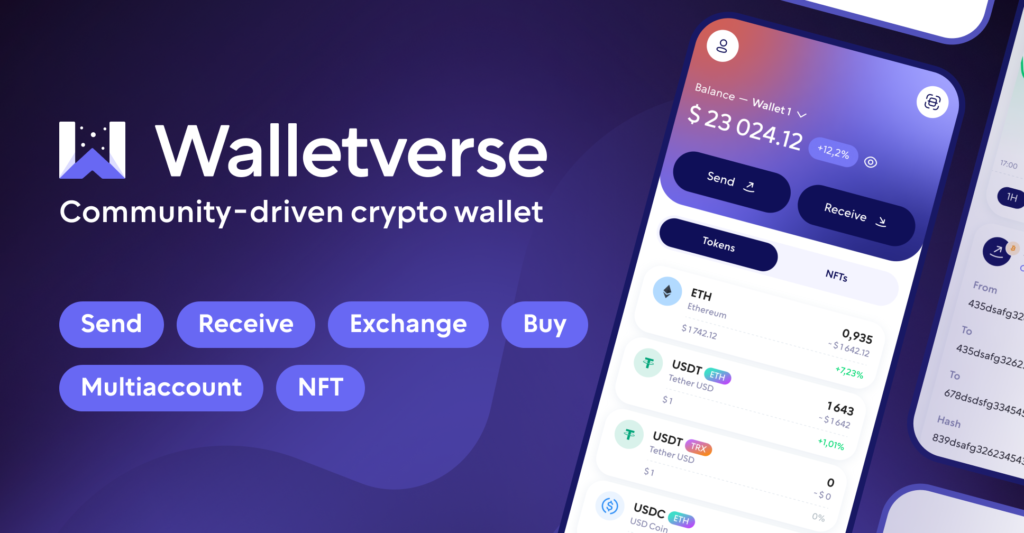
Walletverse is a leading mobile crypto wallet that caters to beginners and experienced users. This multi-currency wallet supports over 600 cryptocurrencies, allowing users to manage a diverse portfolio seamlessly. Its focus on self-custody ensures that users retain complete control over their assets while robust security measures protect against unauthorized access. Additionally, the crypto wallet offers full German language support, ensuring a seamless experience for German-speaking users.
Pros:
- User-friendly interface that simplifies crypto management.
- Extensive support for various cryptocurrencies.
- Strong security features, including biometric authentication.
- Self-custody.
Cons:
- Currently only available as a mobile app.


2. Exodus
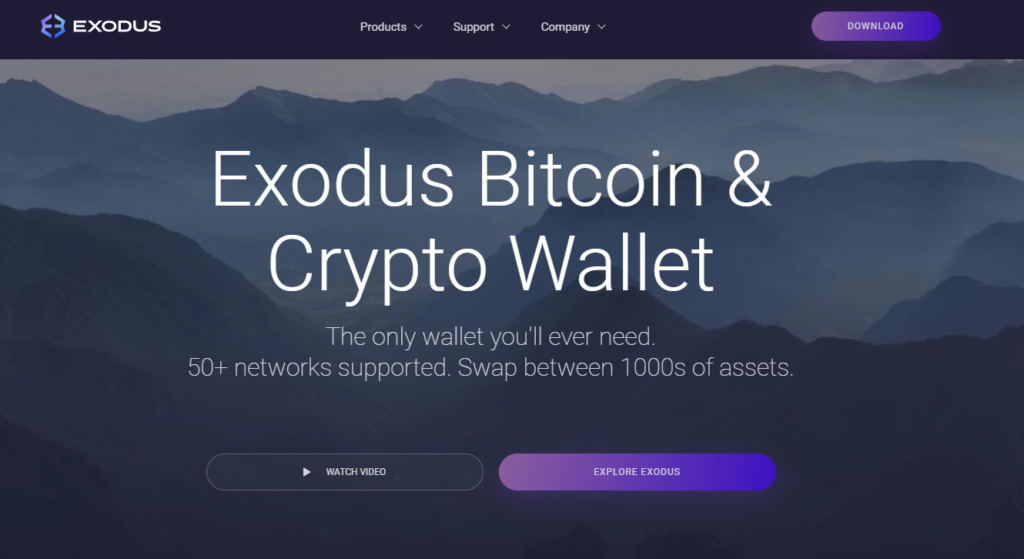
Exodus is famous for its visually appealing design and ease of use. It supports many cryptocurrencies and includes a built-in exchange feature, allowing users to trade directly within the app.
Pros:
- Intuitive interface that’s beginner-friendly.
- Integrated exchange for seamless trading.
Cons:
- Limited support for hardware wallets may be a drawback for security-focused users.
3. Trezor Model T
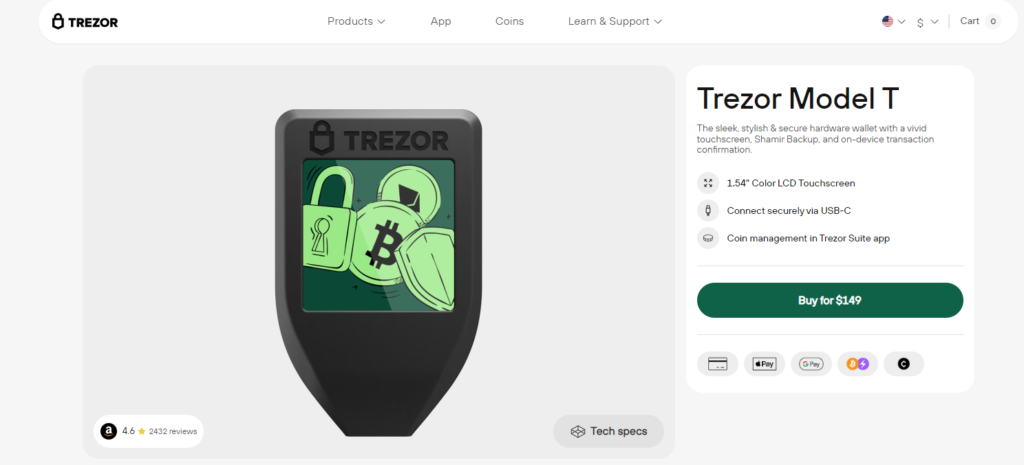
The Trezor Model T stands out with its touchscreen interface, making it easy to navigate. This hardware wallet is known for its security features and extensive cryptocurrency support.
Pros:
- Robust security with two-factor authentication.
- User-friendly touchscreen interface.
Cons:
- Higher price compared to other options.
4. Coinbase Wallet
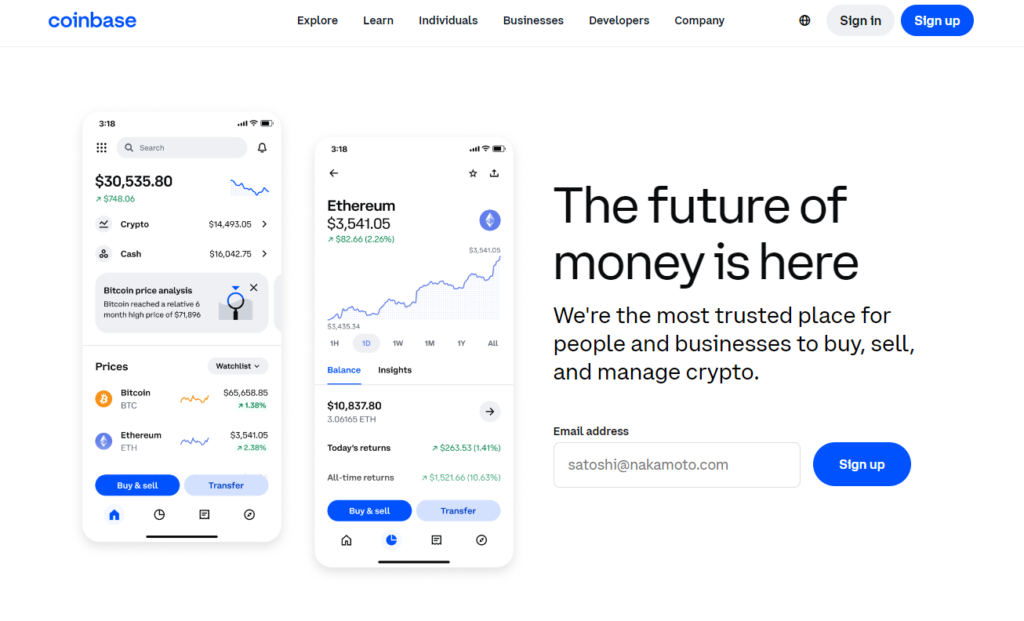
The Coinbase Wallet offers a comprehensive solution for storing cryptocurrencies and interacting with decentralized applications (dApps). It is user-friendly, making it a great choice for newcomers.
Pros:
- Seamless integration with the Coinbase exchange.
- Strong security protocols.
Cons:
- Higher fees for transactions compared to some competitors.
5. Crypto.com Wallet

The Crypto.com Wallet is a secure mobile wallet that allows users to manage multiple cryptocurrencies, earn rewards, and access various DeFi services. It’s ideal for users looking to engage with the broader crypto ecosystem.
Pros:
- Wide range of features, including staking and earning interest.
- Strong security features with private key control.
Cons:
- The interface may be overwhelming for beginners.
6. Atomic Wallet
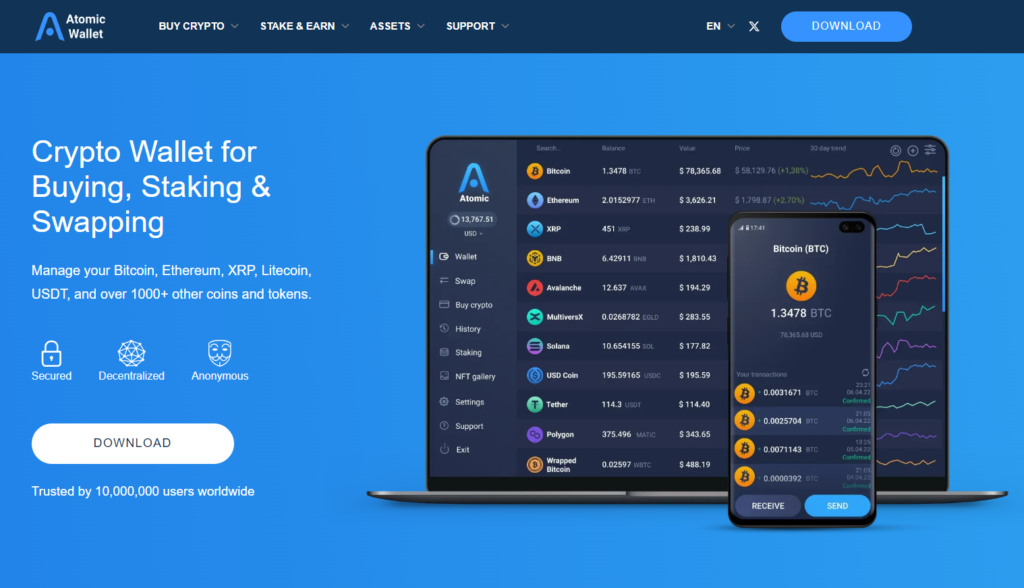
Atomic Wallet is a non-custodial wallet that allows users to manage over 500 cryptocurrencies. Its built-in atomic swap feature enables users to exchange assets directly within the wallet.
Pros:
- User-friendly interface suitable for all levels.
- Supports a vast array of digital assets.
Cons:
- Relies on internet connectivity for transactions.
7.Ledger Nano X

Ledger Nano X is a premium hardware wallet that offers bank-grade security for cryptocurrency holders in Germany. It stores private keys offline in a secure element chip, protecting assets from online threats. With Bluetooth connectivity, users can manage their crypto on the go via the Ledger Live mobile app, making it a perfect blend of security and convenience.
Pros:
- Exceptional security – private keys never leave the device
- Wide cryptocurrency support
- Portable and easy to use with mobile devices
- Regular firmware updates and strong customer support
Cons:
Higher cost compared to software wallets (around €140)
Requires physical device for transactions
Initial setup may be intimidating for beginners
8. Trust Wallet

Trust Wallet is the official decentralized wallet of Binance and one of the most popular mobile wallets globally. It supports a vast range of cryptocurrencies across multiple blockchains, including Ethereum, Binance Smart Chain, Solana, and many others. German users benefit from its integrated Web3 browser, allowing direct interaction with dApps, NFT marketplaces, and DeFi protocols.
Pros:
Extremely user-friendly and intuitive interface
Wide asset coverage including many altcoins
Integrated swap and exchange features
Regular security audits and open-source code
Cons:
Mobile-only (no desktop version)
Higher fees for credit/debit card purchases via third parties
Limited customer support options
9. MetaMask

MetaMask is the leading Ethereum-based wallet and a gateway to the world of decentralized applications. It is available as a browser extension and a mobile app, making it highly versatile for German users who want to explore DeFi, NFTs, and Web3. MetaMask supports all EVM-compatible chains (Polygon, Avalanche, BNB Chain, etc.) and integrates seamlessly with hardware wallets like Ledger and Trezor.
Pros:
Largest dApp ecosystem – essential for DeFi users
Customizable network addition (add any EVM chain)
Strong community and developer support
Available on mobile and desktop with sync options
Cons:
Primarily focused on Ethereum ecosystem (other chains require manual setup)
Relies heavily on users to safeguard seed phrases
Can be complex for absolute beginners
10. Guarda Wallet

Guarda is a versatile non-custodial wallet available on multiple platforms, including Android, iOS, web, and desktop. It supports over 50 blockchains and thousands of tokens, making it an excellent choice for German users who want to manage a diverse portfolio across different devices. Guarda offers built-in exchange services, staking for PoS assets, and fiat purchase options via credit card or bank transfer, with support for EUR.
Pros:
Access your wallet from any device
Wide range of supported cryptocurrencies
Built-in exchange and staking without leaving the app
Strong focus on privacy – no personal data required
Cons:
Some services (like exchange) are provided by third parties with varying fees
Interface can feel cluttered for users with simple needs
Customer support response times may vary
Conclusion
Selecting the right crypto wallet is vital for managing your digital assets effectively. Germany offers a range of options, from user-friendly mobile wallets to highly secure hardware solutions. While crypto exchanges facilitate trading, utilizing a crypto wallet ensures better protection and control over your investments. Whether you’re just starting or have experience in the field, there’s a wallet tailored to meet your needs.
FAQ
Most frequent questions and answers
Many wallets, including Walletverse, BitBox02, and Exodus, are popular and influential in Germany.
Exchanges like Kraken and Binance are considered safe, but storing cryptocurrencies in a wallet is generally recommended for security.
Germany has specific regulations regarding cryptocurrency taxation. Generally, assets held for over a year may be exempt from capital gains tax, but it’s advisable to consult a tax expert for detailed guidance.


