


How to Buy Bidao (BID) in 2026
As decentralized finance continues to mature in 2026, stablecoin infrastructure projects like Bidao are gaining renewed attention. If you’re exploring BID as part of your crypto portfolio or want to use it within DeFi systems, it’s important to understand how it works, where to buy it, and how to securely store it using the best available wallets.
What is Bidao (BID)?
Bidao (BID) is the native token of the Bidao ecosystem, a decentralized finance infrastructure designed to enable stablecoin issuance and cross-chain collateralization. Initially launched on the Binance Chain, the project aimed to create a stablecoin ecosystem similar to MakerDAO but with support for multiple blockchains.
BID plays a core role in governance and system functionality, allowing holders to vote on protocol parameters and helping maintain the stability of the Bidao stablecoin (BAI). Over time, the project has grown more integrated with EVM-compatible platforms and has gained popularity among DeFi users looking for alternatives to Ethereum-based solutions.
How Does Bidao (BID) Work?
Bidao operates a decentralized stablecoin protocol where users lock up collateral to mint the BAI stablecoin. What sets it apart is its support for multi-chain collateral, meaning users can use assets from chains like Ethereum, Binance Smart Chain, and others.
BID serves several purposes:
- Governance. Holders vote on updates, stability fees, and collateral types.
- Staking and incentives. Users can stake BID to earn protocol rewards or receive voting power.
- Protocol utility. BID is also used to pay fees within the ecosystem and incentivize participation.
This design creates a decentralized, trustless, and censorship-resistant stablecoin infrastructure, attracting developers and investors in search of flexible DeFi options.
Top 10 Best Crypto Wallets to Buy Bidao (BID) in 2026 – Comparison
1. Walletverse
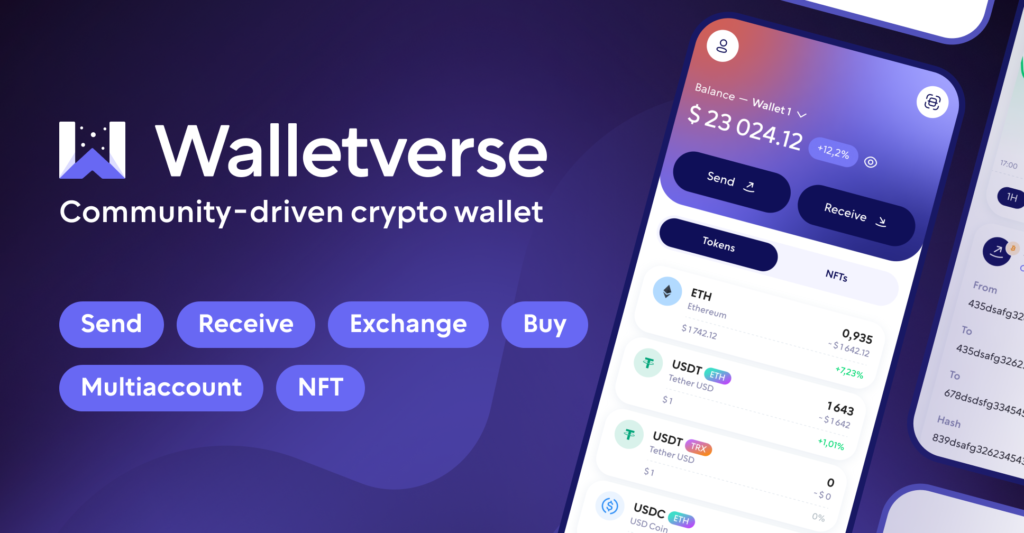
Walletverse is an all-in-one mobile crypto wallet built for security, speed, and usability. Supporting over 600 cryptocurrencies including BID, it allows users to buy, send, and store assets with ease.
- Multi-currency wallet
- Seamless purchase via Apple Pay, Google Pay, and cards
- Biometric and passcode security
- Fully decentralized, self-custody design
Pros:
- Ideal for beginners and advanced users
- Supports DeFi, dApps, and staking
- Excellent interface and customer support
Cons:
- Mobile-only at the moment


2. MetaMask
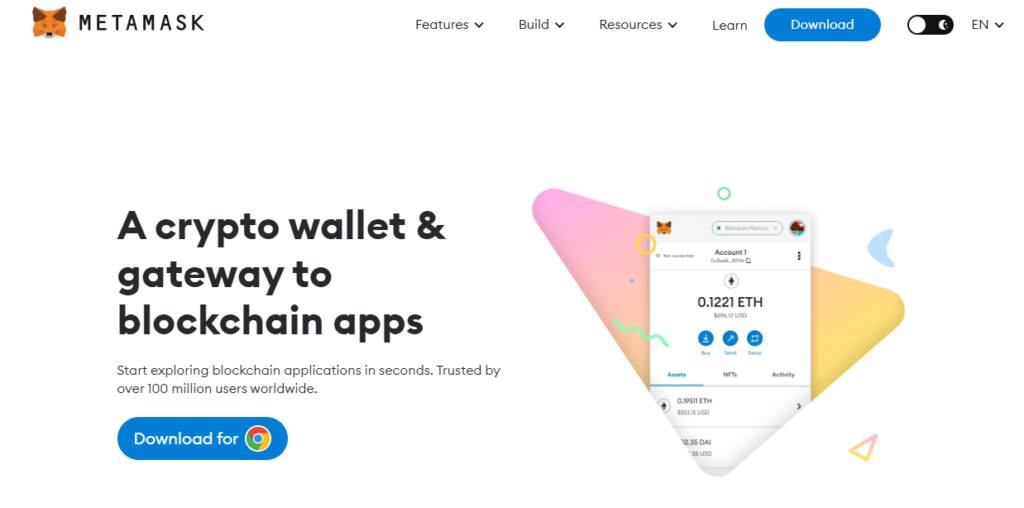
MetaMask is widely used for DeFi activity and supports custom tokens like BID on BNB Chain or Ethereum networks.
Pros:
- Full Web3 support
- Browser and mobile versions
- Works with hardware wallets
Cons:
- Manual network setup required
- Less intuitive for new users
3. Coinbase Wallet
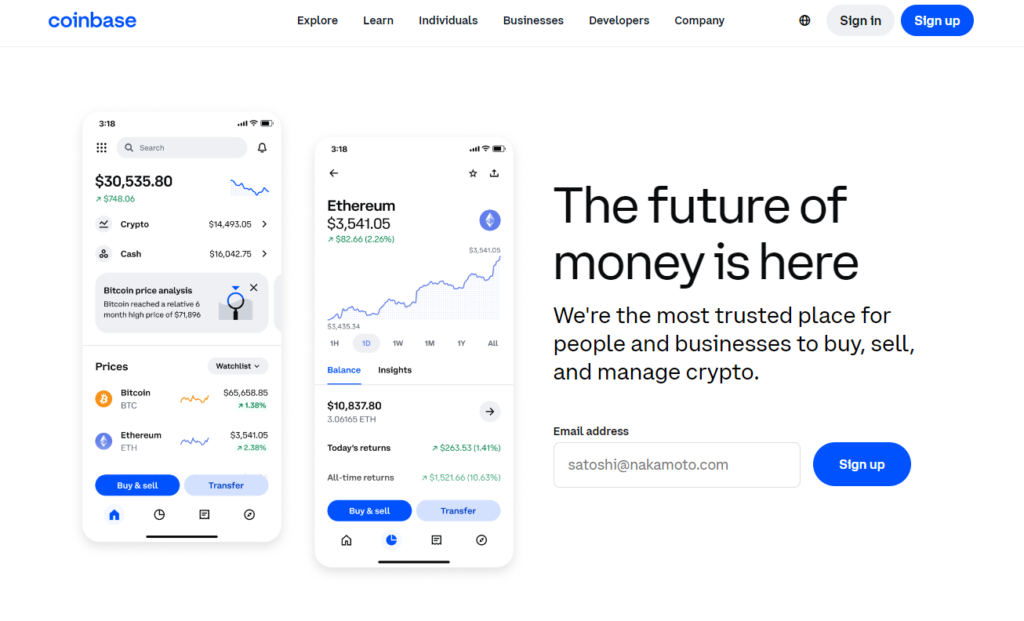
Coinbase Wallet is separate from the exchange and supports a wide range of tokens, including manually added BID.
Pros:
- Clean interface
- Easy to link with dApps
Cons:
- Not ideal for niche tokens by default
- Requires manual configuration for BID
4. Trust Wallet
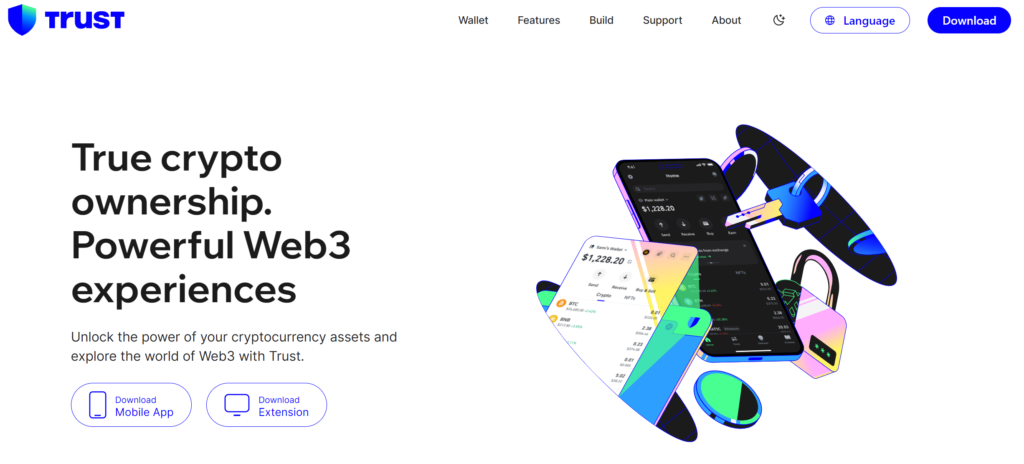
Trust Wallet is a popular choice for mobile users looking to store BID and interact with decentralized applications.
Pros:
- Simple setup
- Supports BEP-20 tokens like BID
- Built-in dApp browser
Cons:
- No desktop version
- May require manual token import for BID
5. Coinomi
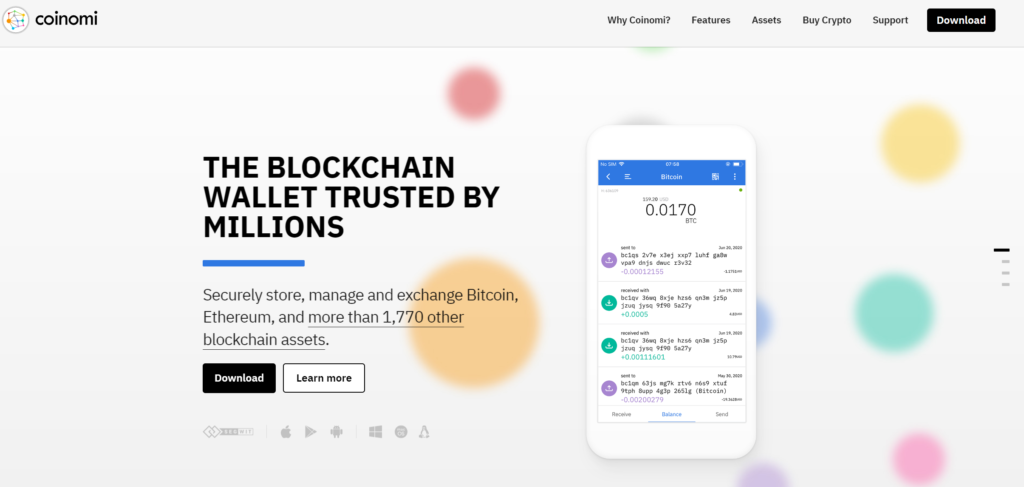
Coinomi is a long-standing wallet that supports many blockchain assets, including BEP-20 tokens like BID.
Pros:
- Lightweight and fast
- Supports manual token addition
Cons:
- Less popular in DeFi circles
- Limited innovation compared to newer wallets
6. Ledger (with SafePal or MetaMask)
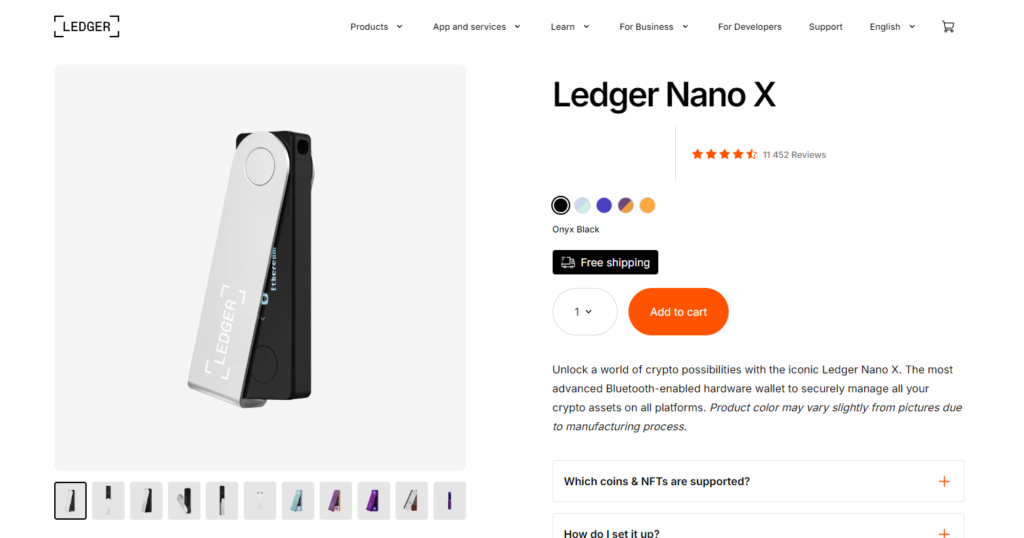
Ledger hardware wallets ensure BID remains secure and inaccessible to external threats.
Pros:
- Excellent for cold storage
- Highly trusted in the crypto space
Cons:
- Additional steps required to interact with DeFi
- Physical device needed
7. SafePal
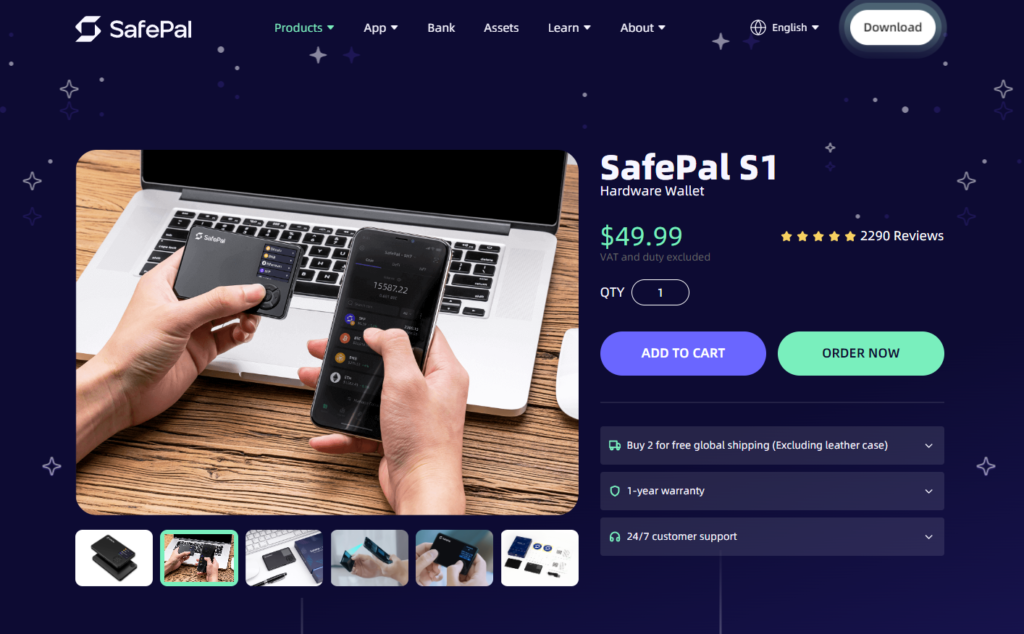
SafePal offers a secure experience with both hardware and software wallets. It’s compatible with BNB Chain, where BID resides.
Pros:
- Enhanced security
- Supports staking and token swaps
Cons:
- UI can be complex for beginners
- Physical device costs extra
8. Trezor Wallet
Trezor users can store BID safely by connecting to MetaMask, making it a good option for long-term holding.
Pros:
- Maximum offline security
- Well-supported in the ecosystem
Cons:
- Requires additional setup
- Not ideal for beginners
9. Atomic Wallet
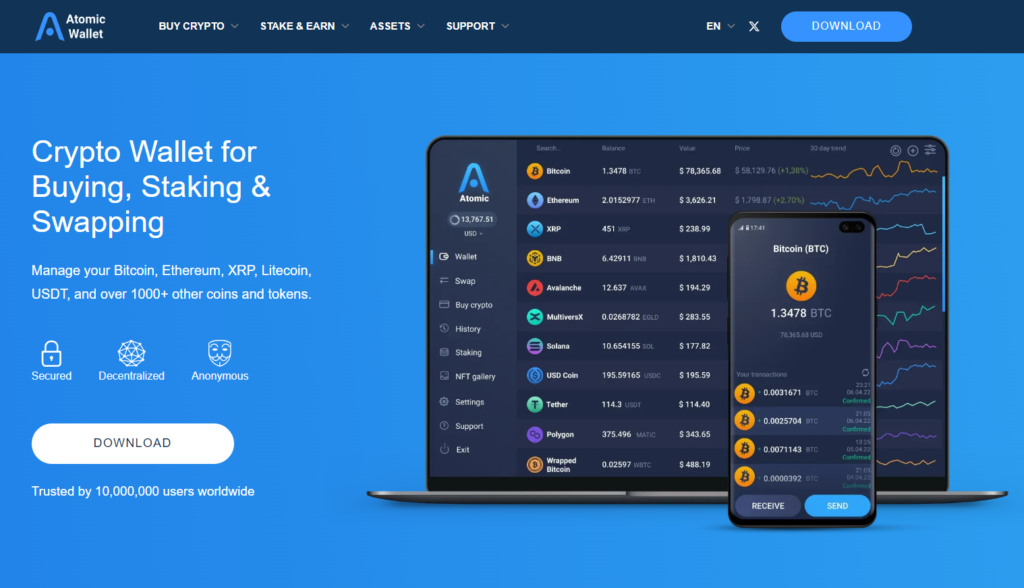
Atomic Wallet provides a decentralized, non-custodial experience and supports many BEP-20 tokens.
Pros:
- Works on desktop and mobile
- Privacy-focused, no KYC
Cons:
- Token availability not always updated
- Limited dApp access
10. Exodus
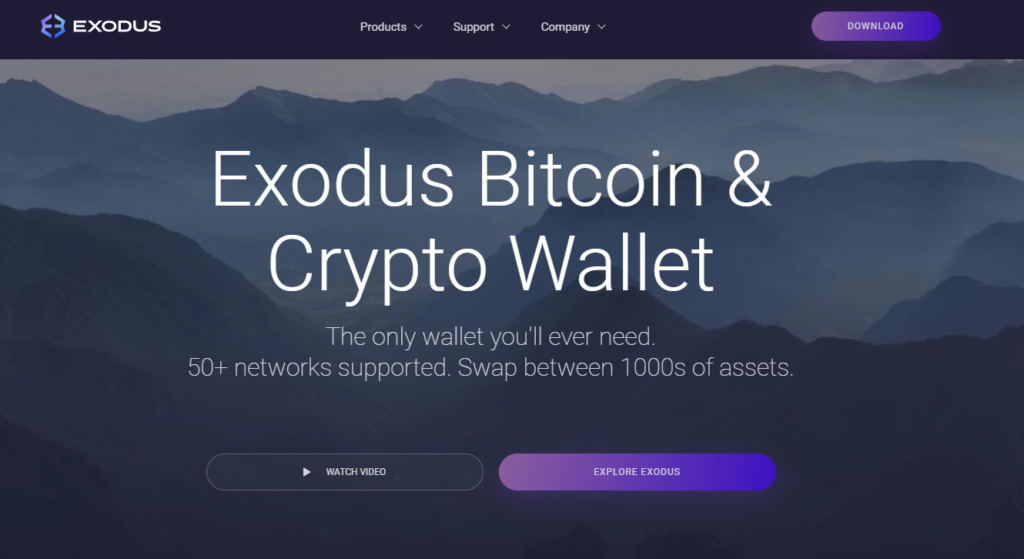
Exodus offers an intuitive wallet for desktop and mobile with a beautiful interface. BID may need to be imported manually.
Pros:
- Great user experience
- Syncs across platforms
Cons:
- Not tailored for custom token usage
- Doesn’t support every DeFi feature
Where Can I Store the Bidao (BID)?
BID can be stored in any wallet that supports BEP-20 or EVM-compatible tokens. For active users who value both usability and control, Walletverse is one of the most convenient and secure options in 2026. It supports purchasing, sending, and holding BID on mobile while giving you full self-custody.
If you’re storing BID long-term or managing larger amounts, pairing Walletverse with a hardware wallet like Ledger or SafePal can further enhance security.
Bidao (BID) remains an intriguing project in 2026, especially for users looking for decentralized stablecoin protocols with multi-chain flexibility. As the DeFi ecosystem expands, BID’s role in governance and collateral-backed finance will likely continue to evolve.
To stay ahead, use a secure, user-centric wallet like Walletverse to buy, manage, and store BID with confidence.
FAQ
Most frequent questions and answers
BID supports a decentralized stablecoin ecosystem and plays a key role in governance and protocol operation. Like all crypto investments, it comes with risks, so due diligence is advised.
You can buy BID directly through the Walletverse app, using Apple Pay, Google Pay, or credit/debit cards. It offers a fast, user-friendly experience with full self-custody.
BID is used for protocol governance, staking rewards, and paying system fees within the Bidao stablecoin platform. It helps maintain network security and decentralization.


