


How to Buy Wormhole Token (W) in 2026
The landscape of blockchain interoperability continues to evolve, and one of the names that keeps popping up is Wormhole Token (W). With its mission to bridge assets and data between multiple blockchains, Wormhole is attracting attention in 2026 among investors and developers alike. Here’s everything you need to know about buying W in 2026 and the best wallets to store it.
What is Wormhole Token (W)?
Wormhole Token (W) is the native governance and utility token of the Wormhole protocol, a decentralized cross-chain messaging protocol designed to enable data and asset transfers between different blockchains. Launched to power the growth of cross-chain applications, W plays a crucial role in securing the network, paying for message verification, and participating in decentralized governance.
Originally developed as an infrastructure bridge connecting chains like Ethereum, Solana, Binance Smart Chain, and others, Wormhole gained rapid popularity for its speed and composability. The introduction of the W token added an economic layer to the protocol, helping align incentives for validators and users.
How does Wormhole Token (W) work?
At its core, Wormhole operates as a series of decentralized guardian nodes that verify messages between chains. When assets or data need to be transferred, these nodes confirm the transaction’s legitimacy and relay it to the destination chain. The W token is used to pay fees within the system and reward validators.
W also empowers governance: holders can vote on protocol upgrades, parameters, and other ecosystem decisions. As the multichain future becomes more practical, protocols like Wormhole are playing a vital role, and W is central to its function.
Top 10 Best Crypto Wallets to Buy Wormhole Token (W) in 2026
1. Walletverse
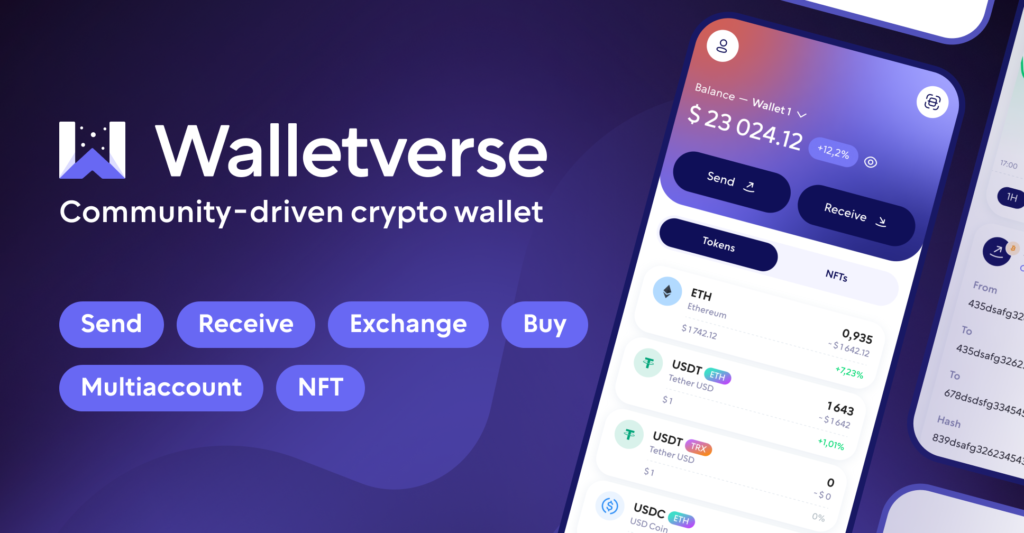
Walletverse – A mobile-first Web3 wallet designed for beginners and advanced users. Supports over 600 cryptocurrencies, including W.
- Pros: Intuitive interface, fast transaction support, multi-currency, dApp browser, buy with card or Apple/Google Pay, high security with biometric/passcode.
- Cons: Mobile-only access.


2. MetaMask

Primarily a browser extension, also available as a mobile app. Best for Ethereum-compatible assets.
- Pros: Massive ecosystem, wide dApp compatibility.
- Cons: Setup complexity for beginners, requires manual network configurations for multichain tokens.
3. Coinbase Wallet

Not the same as the exchange, this self-custody wallet supports thousands of tokens.
- Pros: Easy setup, links to Coinbase account, NFT support.
- Cons: Tied to a centralized brand, limited support for some chains.
4. Trust Wallet
A popular mobile wallet owned by Binance, supporting a wide range of tokens.
- Pros: Open-source, user-friendly, direct DEX integration.
- Cons: Limited desktop options, owned by a centralized exchange.
5. Zengo

Focuses on keyless wallet security using biometrics and MPC (multi-party computation).
- Pros: High security without private keys, beginner-friendly.
- Cons: Limited advanced DeFi functionality.
6. Guarda Wallet
Web, desktop, and mobile support with multi-chain compatibility.
- Pros: Flexible access points, staking, easy swaps.
- Cons: UI can feel outdated to some users.
7. Ledger Nano X

A hardware wallet providing cold storage for top-level security.
- Pros: Offline protection, Bluetooth support, integrates with WalletConnect.
- Cons: Not free, limited mobile convenience.
8. Trezor Wallet
A premium hardware wallet with touchscreen, great for security-minded investors.
- Pros: Robust cold storage, open-source firmware.
- Cons: Premium price, less convenient for daily trading.
9. Atomic Wallet
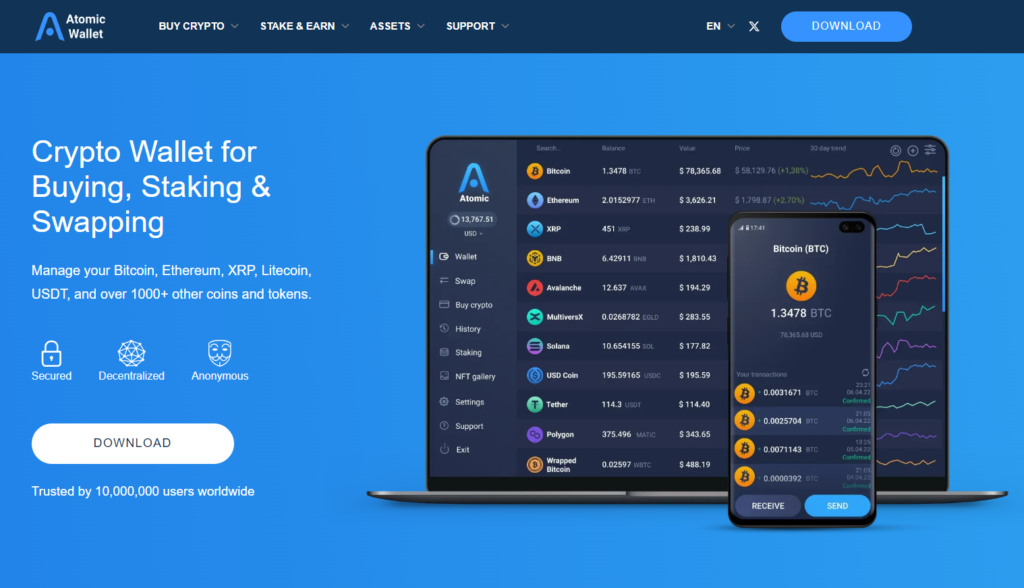
Non-custodial wallet with a built-in exchange and staking features.
- Pros: No KYC required, easy to use, wide coin support.
- Cons: Not open-source, limited support channels.
10. Exodus

Visually appealing desktop and mobile wallet with multi-asset support.
- Pros: Great UI/UX, built-in exchange, staking options.
- Cons: Closed-source, not ideal for privacy-conscious users.
Where can I store Wormhole Token (W)?
You can store W safely in any of the wallets listed above. However, Walletverse is one of the standout choices in 2026. It combines self-custody, a sleek mobile experience, and deep multichain support. With biometric authentication and multi-account management, Walletverse offers one of the most secure and user-friendly solutions for managing W.
Wormhole Token (W) is at the heart of one of the most critical infrastructures in Web3, the cross-chain ecosystem. With increasing demand for blockchain interoperability, W has carved a niche for itself. Whether you’re investing or using it to bridge assets, having the right wallet is essential to protect and manage your holdings.
FAQ
Most frequent questions and answers
If you’re optimistic about the future of multichain applications, W presents a strong long-term case. Its role in powering a vital infrastructure layer gives it utility and potential for growth.
One of the easiest ways is through the Walletverse app. You can buy W directly using Apple Pay, Google Pay, or your bank card, and store it securely in a self-custodial environment.
W is used to pay transaction fees, reward validators, and vote on protocol governance within the Wormhole ecosystem.


