


How to Buy Reef Token (REEF) in 2026
As decentralized finance continues to mature, platforms that simplify user experiences while enabling cross-chain compatibility have gained strong traction. Reef Token (REEF) is one such asset that aligns with this vision. In 2026, many investors are turning to REEF to diversify their DeFi portfolios, and understanding how to buy and store this token securely has never been more important. This guide explores what Reef Token is, how it works, and the best wallets for buying and holding REEF in 2026.
What is Reef Token (REEF)?
Reef Token (REEF) is the utility and governance token of Reef, a Layer 1 blockchain built with Substrate, the same framework used by Polkadot. Originally launched as a DeFi operating system on Ethereum, Reef has since evolved into a full-fledged smart contract platform optimized for scalability and developer usability.
The REEF token was created in 2020 to power an ecosystem designed for seamless access to DeFi, NFTs, and gaming applications. While its early traction came from Ethereum users, the transition to its own chain gave Reef more autonomy and technical efficiency. Today, REEF remains a popular option among users looking for faster, multi-chain dApp platforms.
How does Reef Token (REEF) work?
REEF acts as the backbone of the Reef ecosystem. It’s used for paying transaction fees, staking, and participating in governance. On the Reef Chain, users can stake REEF to secure the network and earn rewards, or use it to vote on protocol upgrades and parameter changes.
REEF is also key to accessing services within the Reef ecosystem, such as decentralized exchanges, NFT minting tools, and cross-chain bridges. This all-in-one model simplifies DeFi for users by aggregating various services into one smooth experience, without requiring deep technical knowledge.
Top 10 Best Crypto Wallets to Buy Reef Token (REEF) in 2026
1. Walletverse
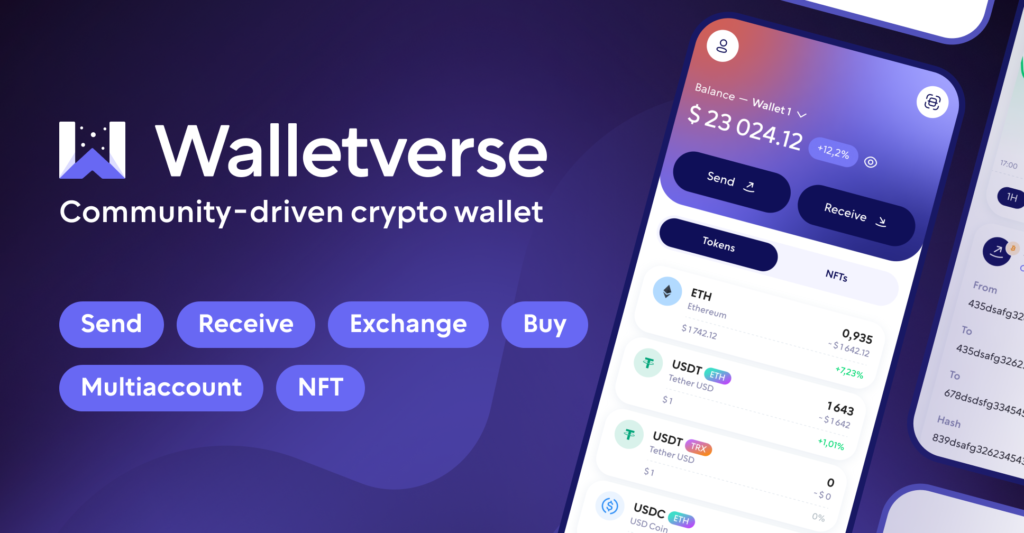
Walletverse is a comprehensive mobile crypto wallet that supports REEF among over 600 digital assets. It’s tailored for users who want speed, flexibility, and security. Buy REEF directly in-app with Apple Pay, Google Pay, or bank cards. Enjoy features like multi-account management, self-custody, biometric login, and full dApp integration.
- Pros: Intuitive design, advanced security, fiat-to-crypto support
- Cons: Only available as a mobile app


2. MetaMask

MetaMask is a well-known Ethereum wallet that also supports Reef’s ERC-20 version. It’s ideal for connecting to dApps and DeFi protocols.
- Pros: dApp connectivity, browser and mobile versions
- Cons: Users must manually add custom tokens like REEF
3. SafePal Wallet

SafePal offers both hardware and mobile wallet solutions, supporting Reef and other tokens with dApp access.
- Pros: dApp browser, hardware wallet integration
- Cons: Smaller community support compared to larger wallets
4. Trust Wallet
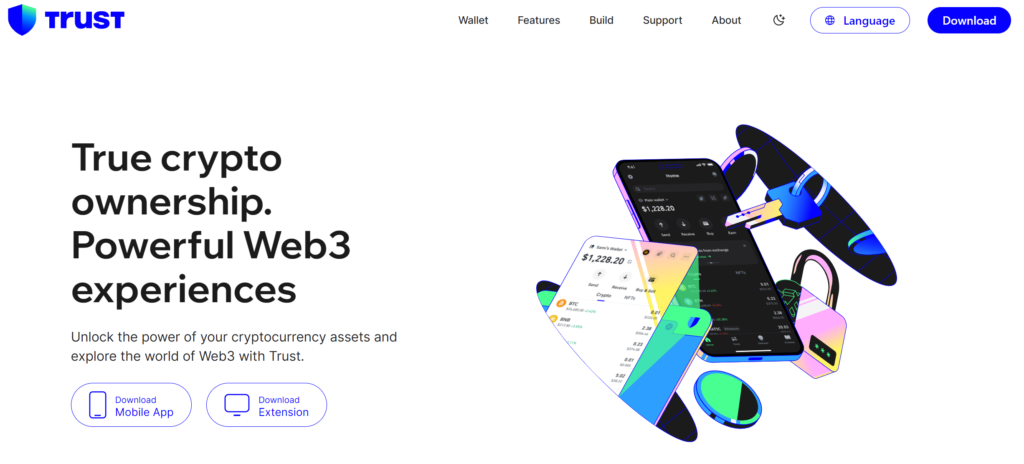
Trust Wallet is a mobile-only wallet with a clean interface. It supports both the Ethereum-based REEF token and cross-chain tokens, depending on availability.
- Pros: Easy to use, supports staking and NFTs
- Cons: Limited desktop support
5. Ledger Nano

Ledger Nano X offers hardware-grade protection for REEF tokens. You can manage REEF via compatible software like MetaMask or Reef’s native tools.
- Pros: Highest level of security
- Cons: Requires setup and device purchase
6. Guarda Wallet
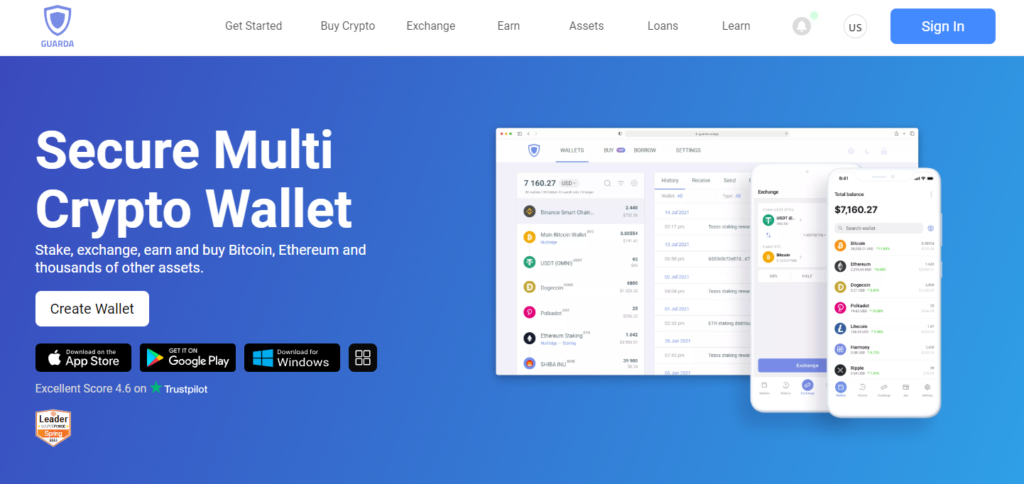
Guarda is a versatile wallet that supports REEF and many other tokens across multiple platforms, including web and mobile.
- Pros: No registration, full control over keys
- Cons: Interface may feel dated for new users
7. Coin98 Wallet

Coin98 is built for cross-chain DeFi, making it a strong choice for users looking to interact with REEF on various blockchains.
- Pros: Multi-chain support, DeFi-ready tools
- Cons: Learning curve for non-technical users
8. Trezor
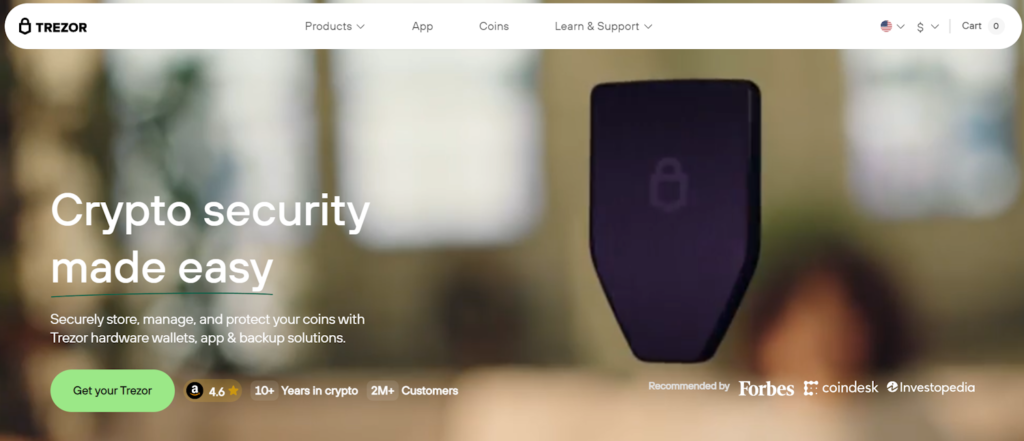
Trezor is another trusted hardware wallet that works with third-party apps to store and manage RARE securely. It’s a strong choice for those holding large amounts or prioritizing safety.
- Pros: Transparent, open-source, high security
- Cons: Requires technical setup and external integrations
9. Atomic Wallet
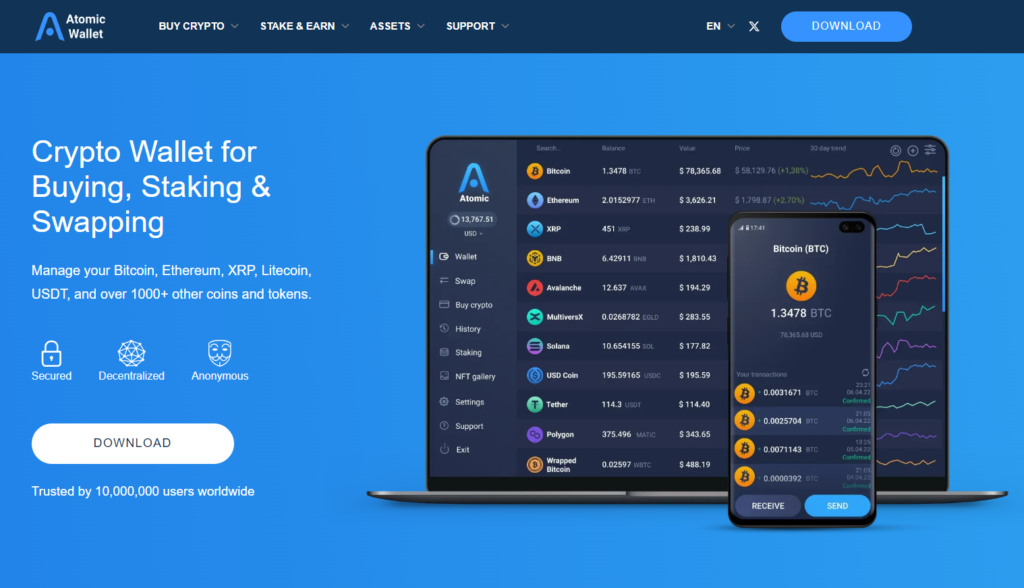
Atomic Wallet supports REEF and allows you to swap, buy, or stake certain assets directly from the wallet.
- Pros: Built-in exchange, private key control
- Cons: Some advanced features locked behind premium plans
10. Exodus

Exodus supports REEF through custom token imports and provides a visually engaging UI. It’s suitable for portfolio tracking and casual investors.
- Pros: Beginner-friendly, real-time tracking
- Cons: Limited DeFi features
Where can I store Reef Token (REEF)?
You can store Reef Token in any wallet that supports ERC-20 or Substrate-based tokens. Walletverse is one of the top choices for 2026 thanks to its ease of use, robust security, and built-in buying options. It’s designed to make crypto accessible without compromising safety, making it ideal for holding REEF tokens long-term.
Reef Token (REEF) continues to serve as a gateway to a simplified DeFi experience. With growing support for cross-chain dApps and a focus on ease of access, Reef is an appealing option in the 2026 crypto ecosystem. Whether you’re buying REEF for staking, ecosystem participation, or long-term holding, using a secure wallet like Walletverse ensures your assets are protected and always accessible.
FAQ
Most frequent questions and answers
REEF offers real utility in DeFi, NFTs, and cross-chain applications. As demand for user-friendly decentralized platforms grows, REEF could benefit, but as with any token, risks remain.
You can purchase REEF through the Walletverse mobile app. It supports purchases via Apple Pay, Google Pay, and credit or debit cards, and provides instant access to your tokens.
REEF is used for transaction fees, staking, and governance within the Reef ecosystem. It’s also essential for accessing platform features like liquidity farming, NFT tools, and protocol upgrades.


