


How to Swap BTC to ETH
Bitcoin (BTC) and Ethereum (ETH) are the two most recognized cryptocurrencies in the world. While Bitcoin is viewed as a store of value, Ethereum powers decentralized applications and smart contracts. Many traders and investors often swap BTC for ETH to diversify their holdings or to take advantage of Ethereum’s ecosystem. Today, converting between the two has become easier than ever thanks to advanced wallets and instant exchange tools.
Best Way to Simply Exchange BTC to ETH
The simplest methods for swapping BTC to ETH include:
- Crypto wallets with swap features. Wallets like Walletverse allow you to directly exchange BTC for ETH within the app. No need to move funds to an exchange, making it quick, secure, and beginner-friendly.
- Centralized exchanges. Platforms such as Binance or Coinbase provide BTC/ETH pairs with deep liquidity. However, they require account creation and identity verification.
- Instant swap services. Providers like Changelly or SimpleSwap let you exchange BTC to ETH quickly without lengthy signups, though fees can be higher.
For users who want convenience and security, using a self-custody wallet with integrated swaps is often the best choice.
Convert BTC to ETH - Top 10 Best Crypto Wallet to Swap
Here are ten wallets that allow BTC to ETH conversions, each with pros and cons:
1. Walletverse
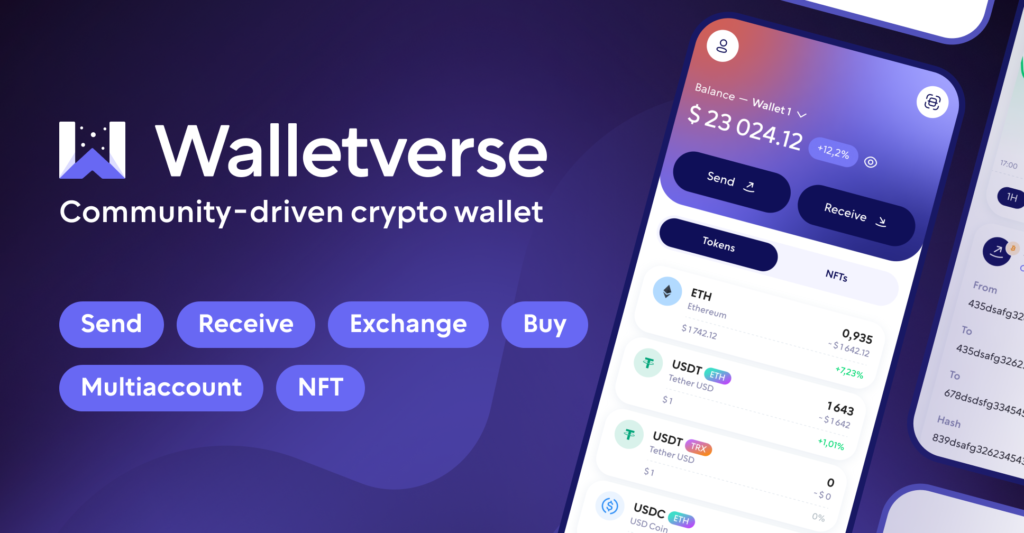
A mobile, multi-currency wallet that supports over 600 cryptocurrencies, including BTC and ETH. It offers instant swaps, self-custody, and strong security with pass-codes and biometric authentication. Users can buy crypto with Apple Pay, Google Pay, or cards in multiple fiat currencies (USD, EUR, KZT, INR, CAD, AUD, and more). Walletverse also supports dApps, staking, and multiple accounts in one app.
- Pros: Easy to use, secure, community-driven, wide coin support.
- Cons: Available only as a mobile app.


2. MetaMask
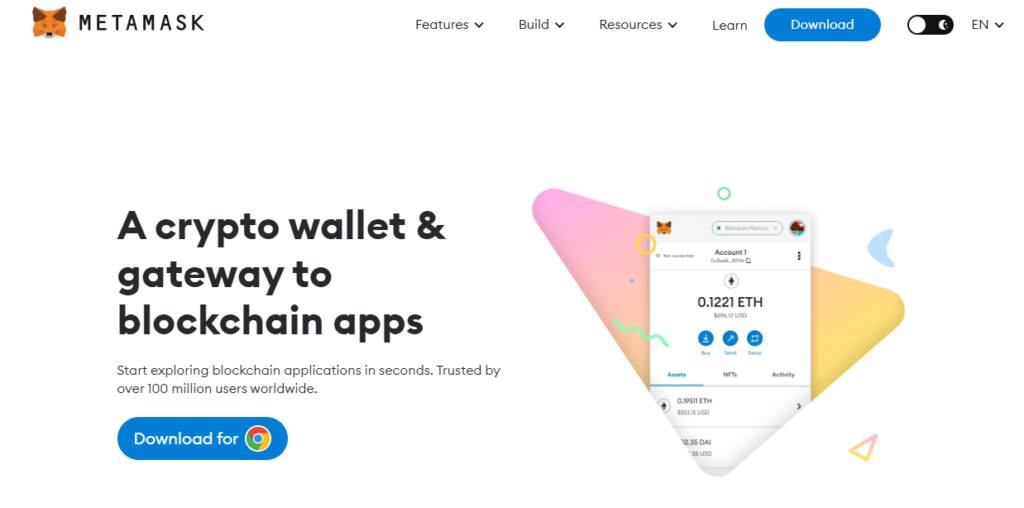
Popular as an Ethereum wallet, but also integrates with services to swap BTC for ETH. Available as a mobile app and browser extension.
- Pros: Excellent for Ethereum dApps and DeFi.
- Cons: More complex setup for BTC swaps.
3. Binance Wallet (Trust Wallet integration)
Works directly with Binance exchange, providing reliable BTC to ETH swaps with strong liquidity.
- Pros: Fast swaps, backed by a major exchange.
- Cons: Requires Binance account for full functionality.
4. Trust Wallet
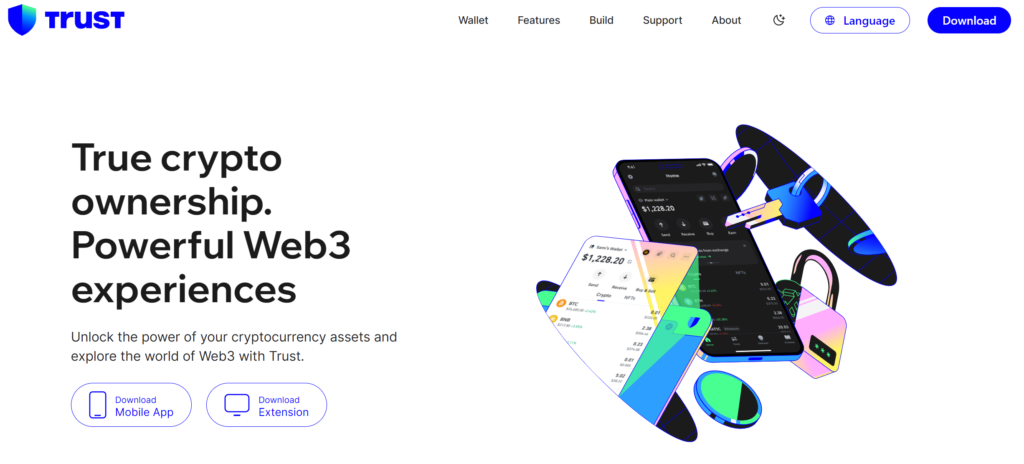
A free, mobile wallet offering built-in swaps and access to decentralized exchanges. It’s widely used for swapping BTC and ETH quickly.
- Pros: Supports NFTs, simple interface.
- Cons: Swap fees vary depending on liquidity sources.
5. Crypto.com DeFi Wallet

Works with the larger Crypto.com ecosystem, allowing BTC to ETH swaps while keeping full custody of assets.
- Pros: Strong brand backing, secure.
- Cons: Some swaps require connecting with the main exchange.
6. Exodus Wallet
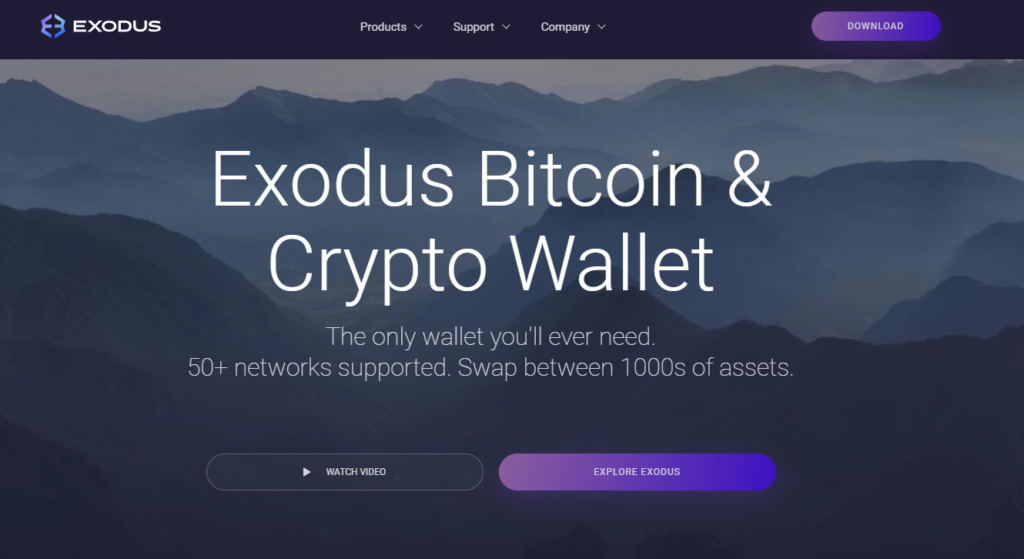
A sleek desktop and mobile wallet with in-app swaps. Supports many cryptocurrencies and offers portfolio tracking.
- Pros: Intuitive design, wide crypto support.
- Cons: Higher swap fees compared to exchanges.
7. Coinomi Wallet
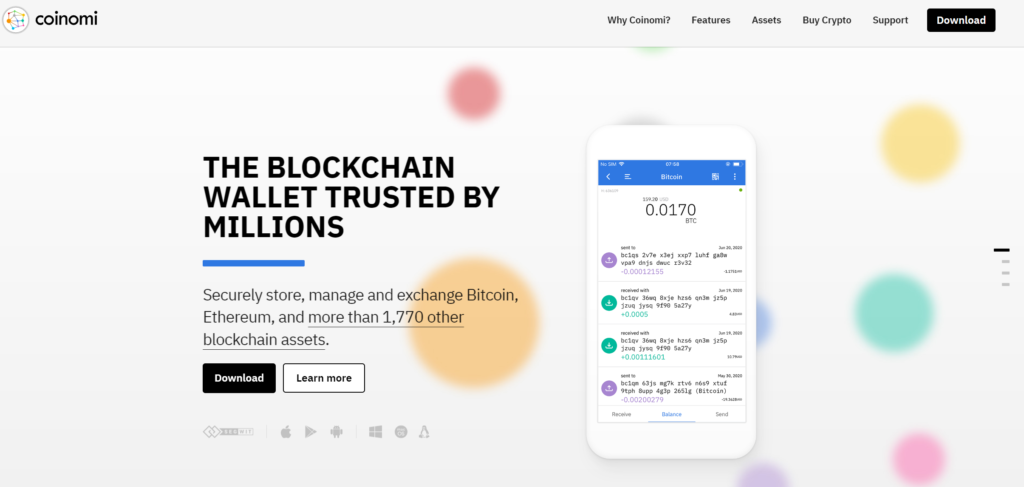
Longstanding wallet with broad crypto support and swap features.
- Pros: Supports thousands of tokens, strong track record.
- Cons: Interface could feel outdated.
8. OKX Wallet

Linked to OKX exchange, offering secure BTC to ETH swaps with strong liquidity.
- Pros: Reliable, fast execution.
- Cons: Exchange-linked, not fully independent.
9. Guarda Wallet
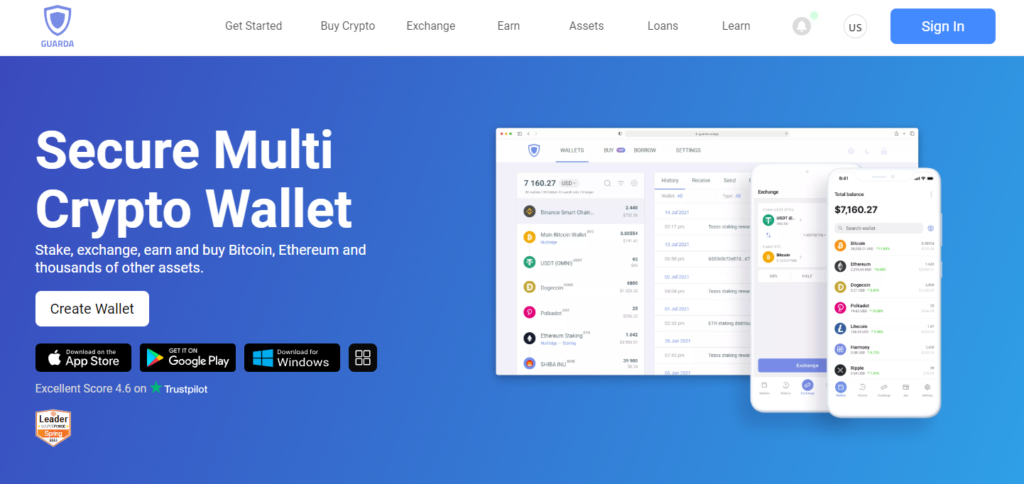
Offers web, desktop, and mobile options with in-app swaps and easy BTC to ETH conversions.
- Pros: Multi-device, versatile.
- Cons: Some advanced services include fees.
10. Atomic Wallet
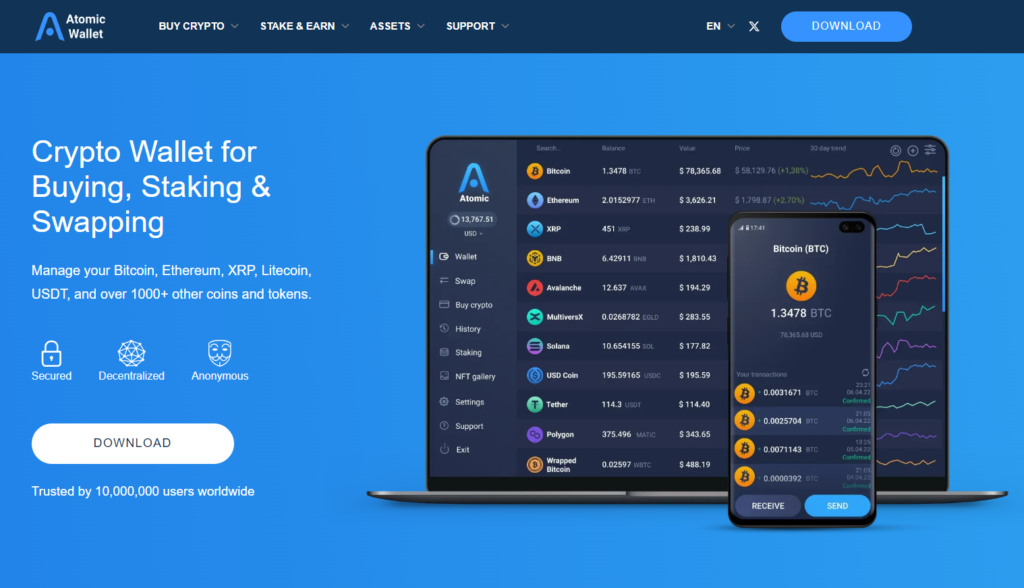
A decentralized wallet that provides custody-free swaps, including BTC to ETH.
- Pros: Secure, multi-currency support.
- Cons: Some features are locked behind their AWC token.
What is BTC?
Bitcoin is the first decentralized cryptocurrency, introduced in 2009 by Satoshi Nakamoto. It operates on a blockchain network that allows peer-to-peer transactions without central authorities. Often referred to as digital gold, Bitcoin is valued for its scarcity and security.
What is ETH?
Ethereum is a decentralized blockchain platform launched in 2015. Its native currency, Ether (ETH), is used for transactions, paying gas fees, and powering smart contracts. Ethereum is the foundation for countless decentralized applications and remains one of the most innovative ecosystems in crypto.
Why convert BTC to ETH?
Many users convert BTC to ETH for several reasons:
- Access to dApps. ETH is required to interact with decentralized applications on the Ethereum network.
- Portfolio diversification. Holding both BTC and ETH balances risk and opportunity.
- Utility. ETH is used for gas fees, staking, and participating in DeFi protocols.
- Market opportunities. Traders often swap BTC for ETH to take advantage of price differences or ecosystem growth.
Swapping BTC to ETH has never been easier. With wallets like Walletverse, you can exchange assets in just a few taps while maintaining full control of your funds. Whether for diversification, DeFi opportunities, or market strategies, choosing the right wallet ensures that the process is fast, secure, and seamless.
FAQ
Most frequent questions and answers
Yes, you can swap BTC for ETH using wallets, exchanges, or instant swap services.
With Walletverse, open the app, select Bitcoin, choose “swap,” and set Ethereum as the receiving currency. Confirm the transaction, and the exchange completes within seconds.
No, you cannot directly send BTC to an ETH address. Always use the correct wallet address format for each coin.
Walletverse is one of the best apps thanks to its mobile-first design, strong security, and wide range of supported cryptocurrencies.


