


How to Swap BTC to USDT
Bitcoin (BTC) is the first and most popular cryptocurrency, known for its volatility and store-of-value potential. Tether (USDT), on the other hand, is a stablecoin tied to the US dollar, often used as a safe haven during market swings. For many traders, swapping BTC to USDT is a way to lock in profits, reduce risks, and keep funds ready for quick reinvestments. With today’s tools, the process is simple, fast, and secure.
Best Way to Simply Exchange BTC to USDT
The easiest way to convert BTC to USDT is through services that require minimal steps and give you control over your funds. Several options exist:
- Crypto wallets with built-in swap. Modern wallets, such as Walletverse, allow users to exchange BTC to USDT directly in-app. You don’t need to transfer assets to an exchange, making it faster and safer.
- Centralized exchanges. Platforms like Binance or Coinbase provide trading pairs with deep liquidity, although they often require KYC verification and may charge higher fees.
- Instant exchange services. Tools like Changelly or SimpleSwap let you swap BTC to USDT without creating full accounts, but they act as intermediaries.
Among these, a mobile wallet with an integrated swap feature is often the most convenient for everyday users.
Convert BTC to USDT - Top 10 Best Crypto Wallet to Swap
Here are ten wallets that allow you to swap BTC to USDT, each with unique strengths:
1. Walletverse
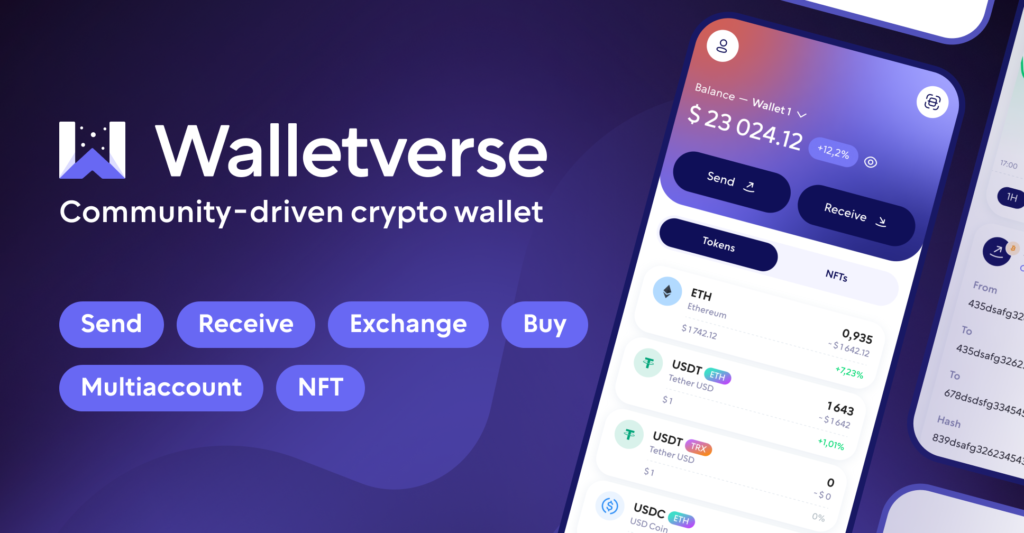
A modern multi-currency mobile wallet built for both beginners and advanced users. It supports over 600 cryptocurrencies, including BTC and USDT. The app emphasizes self-custody, ensuring only you can access your funds through passcodes and biometric authentication. Swaps are instant, and you can also buy crypto with Apple Pay, Google Pay, or cards in multiple fiat currencies (USD, EUR, KZT, INR, CAD, AUD, and more). The app also includes DeFi access, staking features, and dApp integrations.
- Pros: User-friendly, secure, community-driven, wide asset support.
- Cons: Mobile-only.


2. MetaMask
Best known for Ethereum and ERC-20 tokens but also supports BTC swaps through integrations. It works as both a mobile app and a browser extension.
- Pros: Widely adopted, strong DeFi access.
- Cons: Setup may be confusing for newcomers.
3. Binance Wallet (Trust Wallet integration)
Directly connected to Binance exchange, allowing instant swaps between BTC and USDT with strong liquidity.
- Pros: Large exchange backing, fast swaps.
- Cons: Requires a Binance account for full functionality.
4. Trust Wallet
A popular mobile wallet supporting a wide range of assets and offering built-in swaps. It integrates with decentralized exchanges (DEXs), giving users more flexibility.
- Pros: Free, easy to use, supports NFTs.
- Cons: Fees may vary depending on DEX liquidity.
5. Crypto.com DeFi Wallet

Provides users with both storage and swap features, tied to the larger Crypto.com ecosystem.
- Pros: Secure, linked to a popular exchange.
- Cons: Some swaps require using the exchange.
6. Exodus Wallet
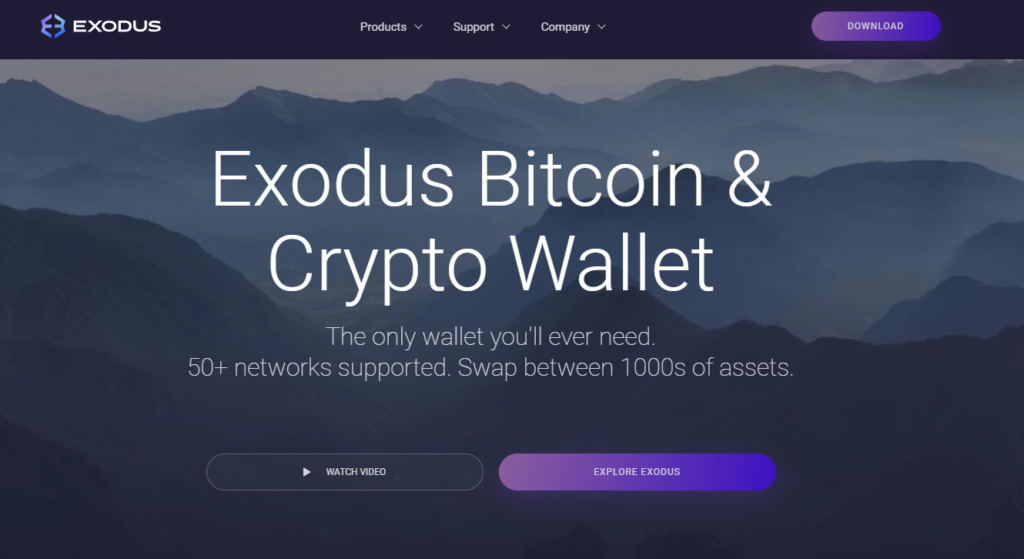
A desktop and mobile wallet with built-in swaps, offering an attractive interface and strong security.
- Pros: User-friendly, supports 250+ assets.
- Cons: Higher fees compared to exchanges.
7. Coinomi Wallet
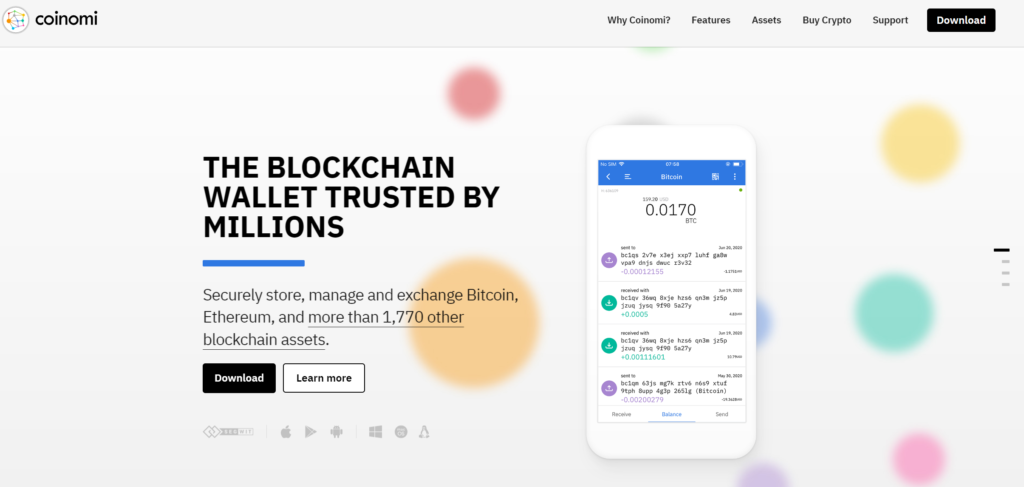
One of the oldest multi-currency wallets, offering in-app swaps and fiat gateway support.
- Pros: Long history, supports 1700+ assets.
- Cons: Interface looks outdated compared to newer wallets.
8. OKX Wallet

A mobile wallet from the OKX exchange, allowing easy BTC to USDT swaps with strong market liquidity.
- Pros: Fast, reliable, backed by a large exchange.
- Cons: Exchange-linked, not fully independent.
9. Guarda Wallet
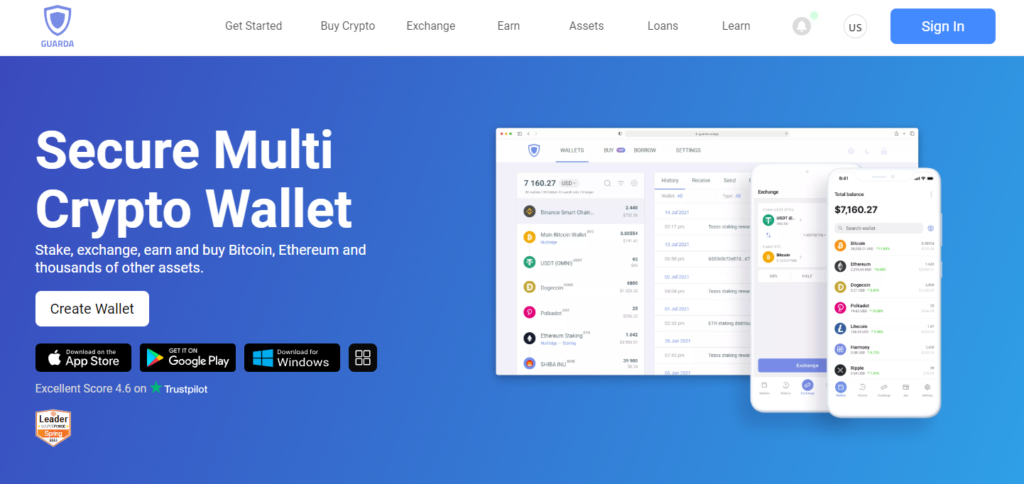
A versatile wallet supporting multiple platforms (web, desktop, mobile) with in-wallet swaps.
- Pros: Multi-device support, broad crypto selection.
- Cons: Some advanced features require fees.
10. Atomic Wallet
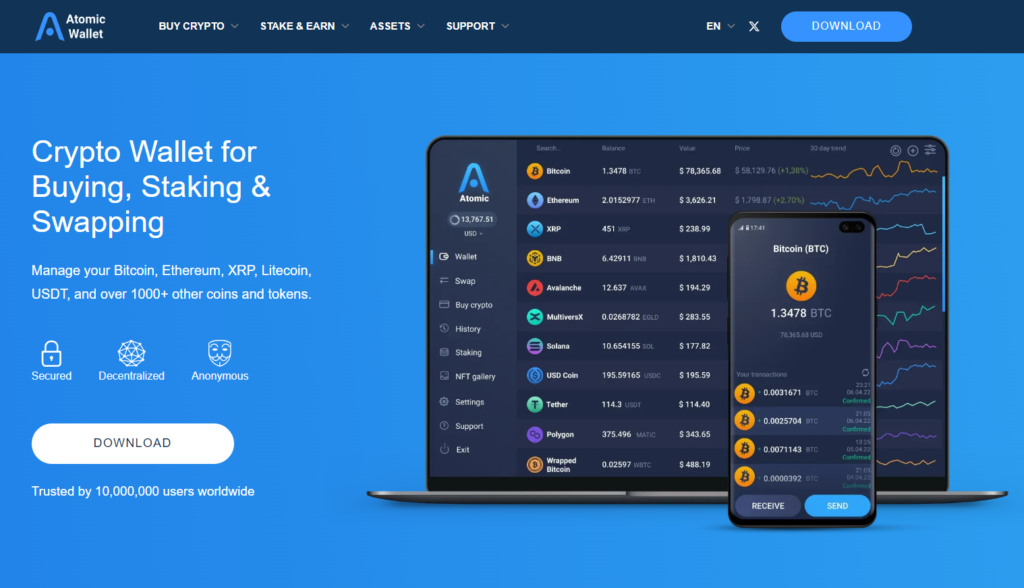
A decentralized wallet that enables in-app swaps without handing over custody.
- Pros: Self-custody, wide coin support.
- Cons: Some features require buying AWC token.
What is BTC?
Bitcoin is the world’s first decentralized digital currency, launched in 2009. It works without a central authority, relying on blockchain technology to record transactions securely. BTC is often seen as “digital gold” due to its limited supply of 21 million coins.
What is USDT?
Tether (USDT) is a stablecoin pegged to the US dollar. Each USDT is designed to maintain a value of around $1, making it a stable store of value in the crypto world. It is widely used for trading, transferring funds, and protecting assets from volatility.
Why convert BTC to USDT?
There are several reasons why traders swap BTC for USDT:
- Reduce volatility. BTC can fluctuate heavily, while USDT remains stable.
- Lock in profits. By converting to USDT, traders secure gains without exiting the crypto market.
- Liquidity for trading. USDT is a base currency for many exchanges, making it easier to buy other tokens quickly.
- Safe storage. Holding USDT avoids sudden drops in BTC’s value while staying within the crypto ecosystem.
Swapping BTC to USDT has become an essential step for many crypto users, whether to secure profits or prepare for the next trade. Using a self-custody wallet like Walletverse ensures safety, simplicity, and control over your funds. With the right wallet, exchanging assets can be seamless, fast, and stress-free.
FAQ
Most frequent questions and answers
Yes, you can swap Bitcoin for USDT using crypto wallets, exchanges, or instant swap services.
On Walletverse, simply open the app, choose BTC in your balance, select “swap,” and set USDT as the target asset. The process completes instantly without moving funds to an exchange.
Choose a wallet or exchange that supports USDT on the TRON blockchain. TRC20 transactions are often faster and cheaper than ERC20.
Walletverse is one of the best apps thanks to its self-custody model, easy interface, mobile-first design, and wide crypto support.


