


How to Swap BTC to LTC
Bitcoin (BTC) remains the leading cryptocurrency in terms of market dominance and recognition. However, its slower transaction times and higher fees sometimes make it less suitable for everyday use. Litecoin (LTC), often referred to as the “silver to Bitcoin’s gold,” was created to provide faster, cheaper transactions. Many users swap BTC for LTC to benefit from speed, efficiency, and additional trading opportunities. Today, with crypto wallets and exchanges, exchanging BTC to LTC is quick and secure.
Best Way to Simply Exchange BTC to LTC
There are several easy ways to convert Bitcoin into Litecoin:
- Crypto wallets with built-in swaps. Wallets like Walletverse allow direct BTC to LTC swaps inside the app. This method is fast, safe, and ensures full control of your funds without relying on an external exchange.
- Centralized exchanges. Platforms such as Binance, Coinbase, and Kraken provide BTC/LTC trading pairs with strong liquidity. While convenient, they require KYC verification and keep custody of your funds.
- Instant swap services. Tools like SimpleSwap and Changelly enable quick BTC to LTC conversions without opening a full account. However, they often charge higher service fees.
For most everyday users, crypto wallets with integrated swaps remain the simplest and most secure option.
Convert BTC to LTC - Top 10 Best Crypto Wallet to Swap
Here are ten wallets that allow BTC to LTC conversions, each with different benefits and trade-offs:
1. Walletverse
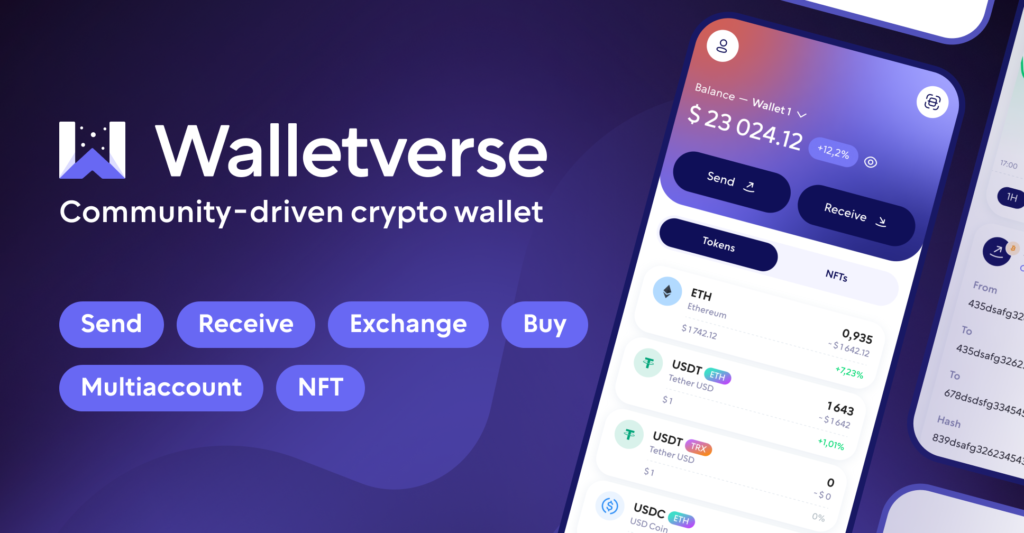
Walletverse is a secure, multi-currency wallet designed for both beginners and advanced users. Supporting over 600 cryptocurrencies, including BTC and LTC, it allows seamless in-app swaps while maintaining full self-custody. Security features include biometric authentication and pass-code protection. Walletverse also supports dApps, Solana staking, and multi-account management. Users can purchase crypto with Apple Pay, Google Pay, or debit/credit cards across currencies like USD, EUR, KZT, INR, CAD, and AUD. Community-driven and mobile-first, Walletverse makes managing, storing, and swapping crypto simple and secure.
- Pros: User-friendly, self-custody, supports 600+ assets, mobile-first.
- Cons: Not available on desktop.


2. MetaMask
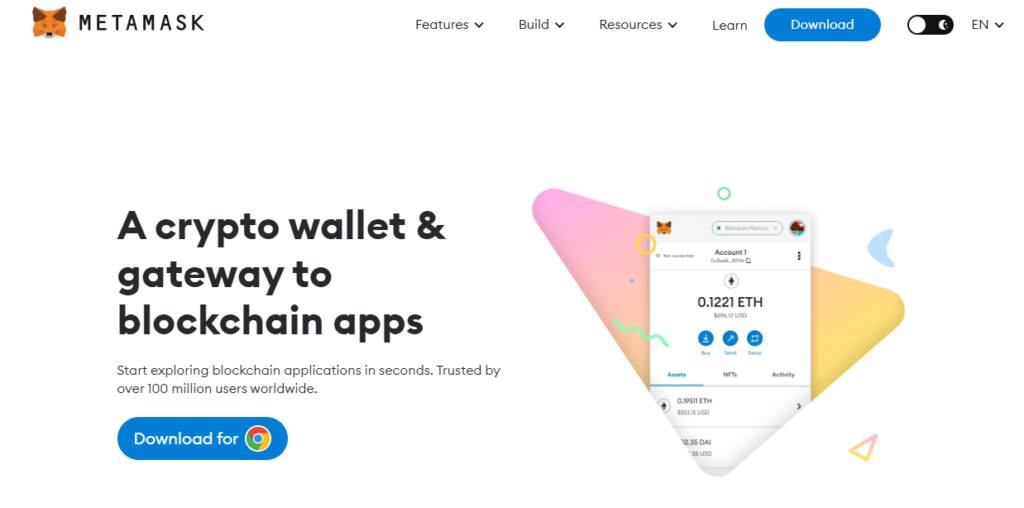
Primarily designed for Ethereum and Web3, MetaMask can connect to providers that enable BTC/LTC swaps.
- Pros: Excellent for Web3 users.
- Cons: Less intuitive for direct BTC swaps.
3. Ledger Live (with swap partners)
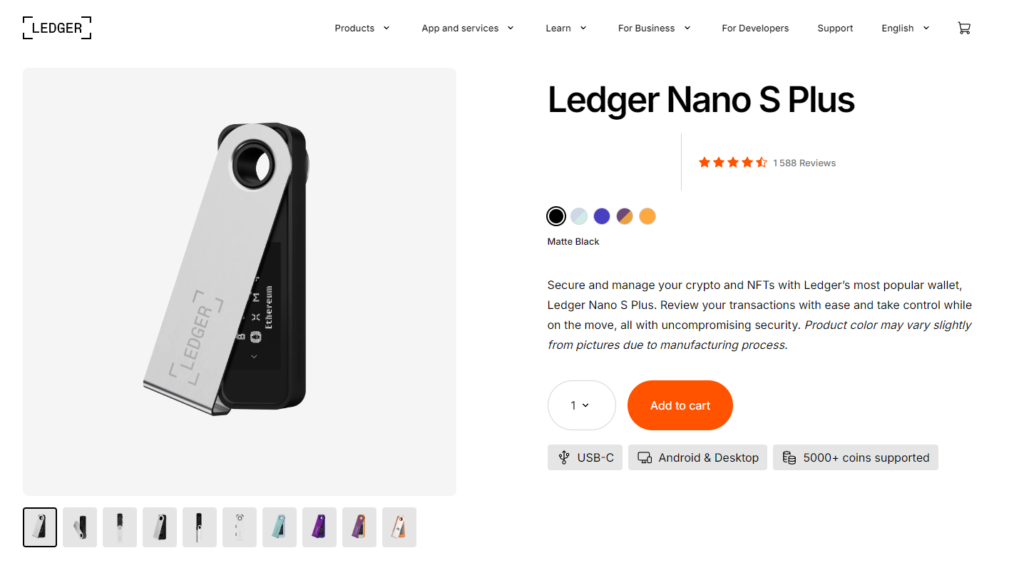
Used with Ledger hardware wallets, Ledger Live integrates swap providers to facilitate BTC to LTC conversions.
- Pros: Hardware-level security.
- Cons: Requires buying a hardware wallet.
4. Trust Wallet
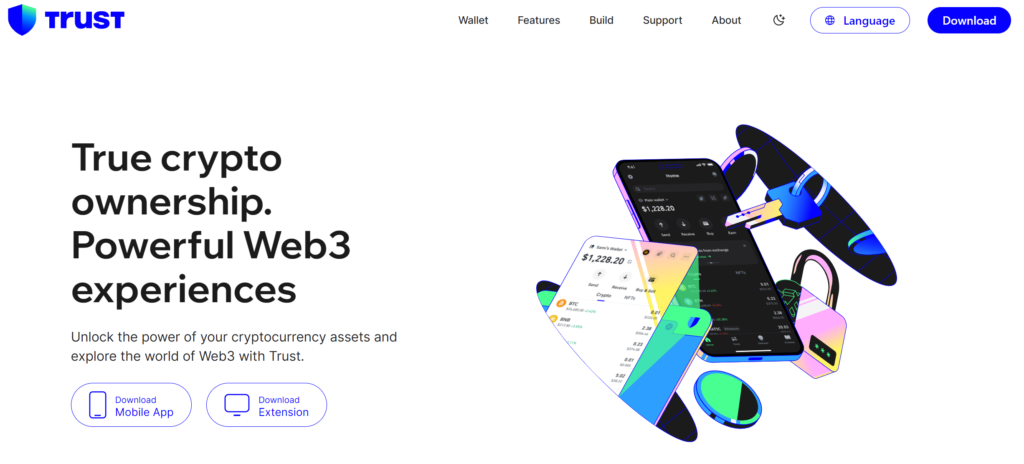
A widely used mobile wallet offering BTC and LTC swaps via built-in DEX integrations.
- Pros: Free, beginner-friendly, supports NFTs and DeFi.
- Cons: Swap fees vary by provider.
5. Crypto.com DeFi Wallet

A decentralized wallet linked to the Crypto.com ecosystem, supporting BTC/LTC swaps.
- Pros: Secure and backed by a major brand.
- Cons: Certain swaps require linking to the main exchange.
6. Exodus Wallet
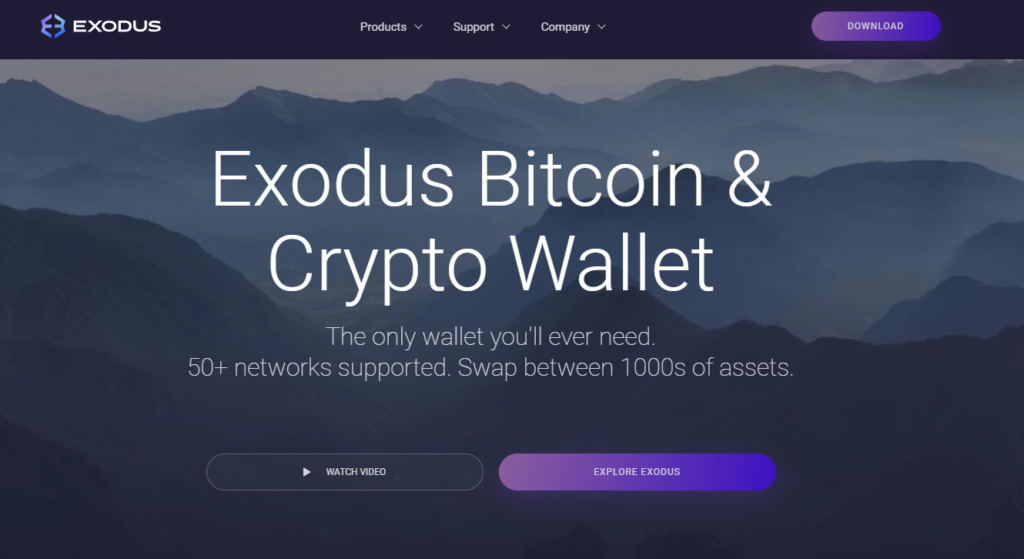
Desktop and mobile wallet with an appealing design and BTC/LTC swap capability.
- Pros: User-friendly design, portfolio tracking.
- Cons: Swap fees higher than centralized exchanges.
7. Coinomi Wallet
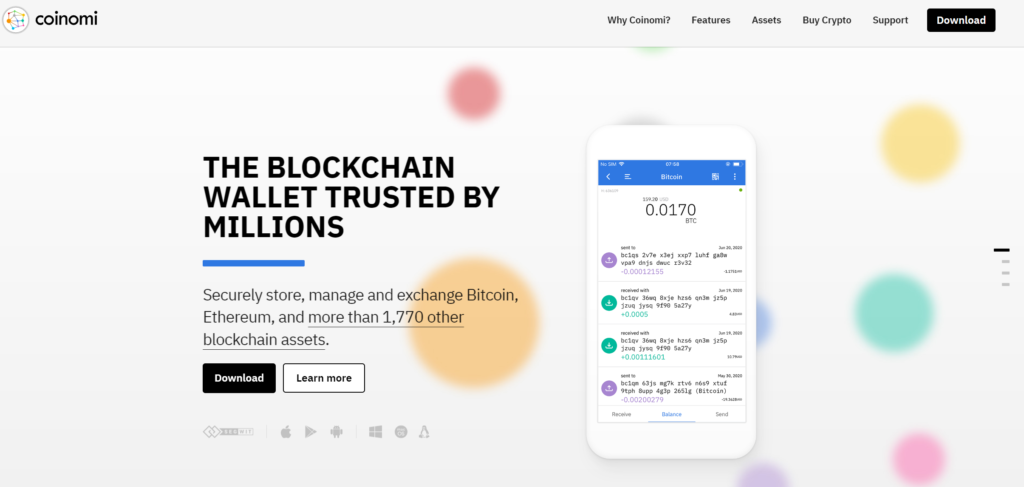
One of the oldest multi-asset wallets, offering BTC/LTC swaps via third-party partners.
- Pros: Reliable history, supports thousands of assets.
- Cons: Outdated interface compared to newer wallets.
8. OKX Wallet

Connected to the OKX exchange, offering BTC to LTC swaps with high liquidity and fast execution.
- Pros: Reliable, efficient.
- Cons: Centralized infrastructure.
9. Guarda Wallet
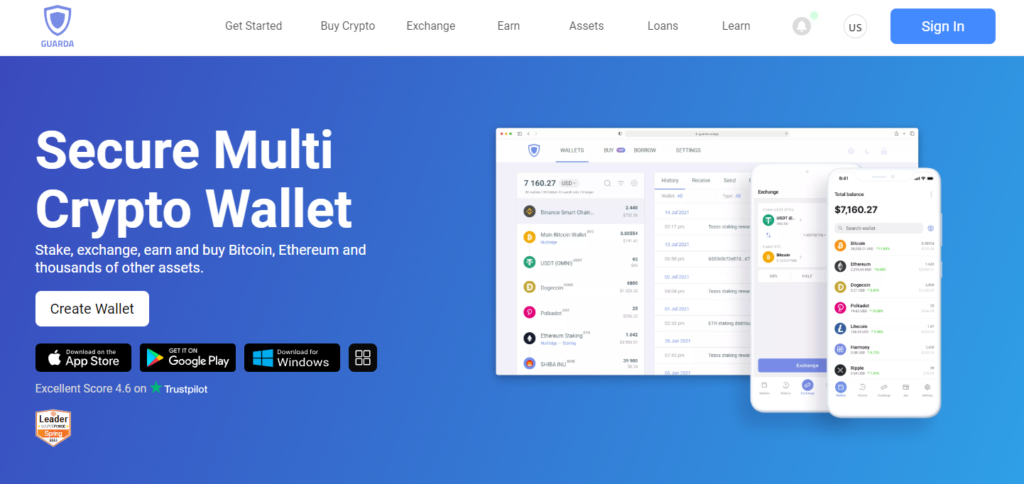
Multi-platform wallet (web, desktop, mobile) with integrated BTC to LTC swap functionality.
- Pros: Wide asset support, multi-device use.
- Cons: Some services include additional fees.
10. Atomic Wallet
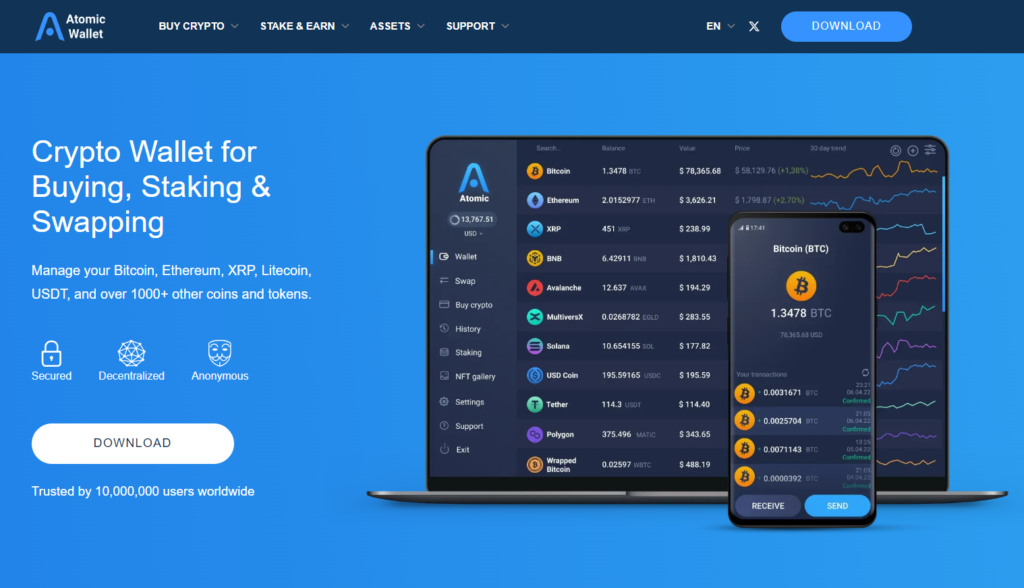
A decentralized wallet with support for hundreds of coins, including BTC and LTC.
- Pros: Simple interface, custody-free swaps.
- Cons: Premium features tied to AWC token.
What is BTC?
Bitcoin is the first cryptocurrency, launched in 2009. It has a limited supply of 21 million coins and operates on a decentralized blockchain. BTC is widely used as digital gold, valued as both a long-term investment and a secure medium for transactions.
What is LTC?
Litecoin (LTC) is a cryptocurrency created in 2011 as a fork of Bitcoin. It is designed for faster block times and lower fees, making it suitable for everyday payments. Litecoin remains one of the oldest and most widely used cryptocurrencies, often seen as a practical alternative to BTC.
Why convert BTC to LTC?
There are several reasons why users swap Bitcoin into Litecoin:
- Faster transactions. LTC processes blocks more quickly than BTC.
- Lower fees. Litecoin offers cheaper transfers compared to Bitcoin.
- Everyday usability. LTC is more practical for small or frequent payments.
- Portfolio diversification. Balancing BTC with LTC provides exposure to both store-of-value and utility-based assets.
Swapping BTC to LTC is simple and accessible with the right tools. While centralized exchanges and instant services are available, Walletverse provides one of the best experiences by combining security, simplicity, and complete self-custody. With support for more than 600 cryptocurrencies, biometric protection, and seamless in-app swaps, Walletverse is one of the top solutions for converting Bitcoin to Litecoin.
FAQ
Most frequent questions and answers
Yes, you can swap BTC for LTC using crypto wallets, exchanges, or instant swap platforms.
Litecoin can be purchased directly on exchanges or by swapping Bitcoin into LTC within wallets like Walletverse.
Walletverse is one of the best apps. It combines a mobile-first design, strong self-custody, and fast in-app swaps, making BTC to LTC conversion easy and secure.


