


How to Swap USDC to SOL
Swapping USDC for SOL is a practical move for users who want to shift from a stable asset to one of the fastest-growing smart contract platforms. Solana (SOL) powers a wide range of DeFi applications, NFT marketplaces, and staking opportunities. Whether you’re looking to engage with Solana-based dApps or invest in its potential, converting your USDC is a simple process when you use the right tools.
Best Way to Simply Exchange USDC to SOL
The simplest way to swap USDC to SOL is through a multi-functional crypto wallet that supports both assets and offers integrated swap functionality. This approach allows you to avoid centralized exchanges, lengthy KYC checks, and unnecessary transfer fees.
One of the most user-friendly options is Walletverse. As a self-custody mobile wallet, it empowers users to buy, store, and exchange over 600 cryptocurrencies, including USDC and SOL, right from their phones.
With Walletverse, you can:
- Swap tokens directly in the app;
- Use biometric or passcode protection;
- Fund your wallet with fiat via Apple Pay, Google Pay, or cards;
- Enjoy staking features (including SOL);
- Manage your funds across multiple accounts securely.
Everything happens within a decentralized framework, meaning your private keys stay with you, not on a server.
Convert USDC to SOL - Top 10 Best Crypto Wallet to Swap
1. Walletverse
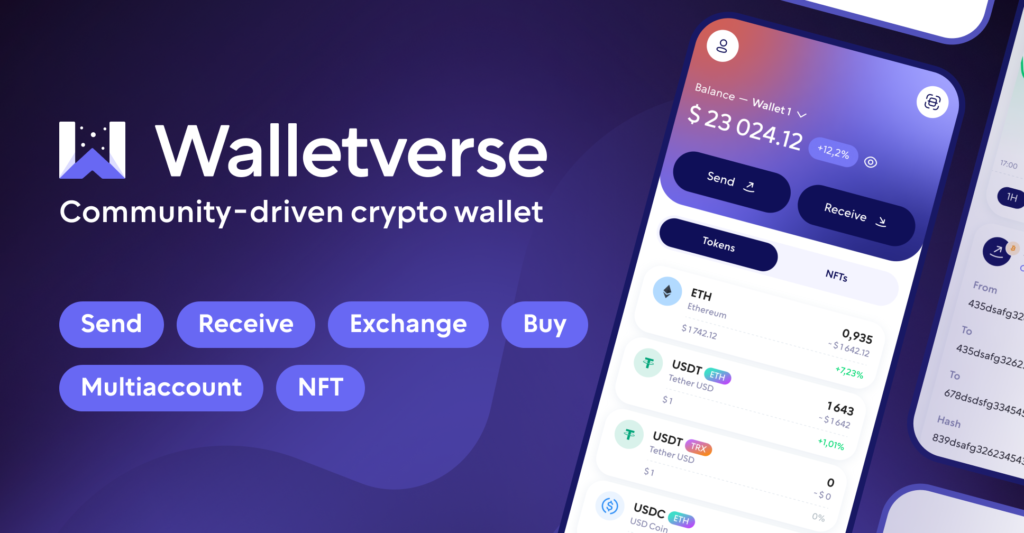
A powerful mobile wallet tailored for crypto convenience and safety.
Pros:
- Supports 600+ assets including SOL;
- Instant in-app swaps;
- No custody, full user control;
- Built-in AML screening for transactions;
- Easy fiat onboarding.
Cons:
- Mobile-only (no browser or desktop version yet).


2. MetaMask (via Solana Bridge)
Though not native to Solana, bridging from MetaMask can work.
Pros:
- Popular with Ethereum users;
- Custom swaps possible.
Cons:
- Requires third-party bridges for SOL;
- Higher risk of complexity and delays.
3. Coin98 Wallet

A multi-chain wallet with support for both stablecoins and DeFi tokens.
Pros:
- SOL and USDC available;
- Strong DeFi focus;
- iOS and Android versions.
Cons:
- Less intuitive for beginners;
- Occasional bugs in the mobile app.
4. Trust Wallet
Popular mobile wallet with built-in DEX and support for Solana.
Pros:
- Intuitive interface;
- SOL and USDC supported;
- Wide token coverage.
Cons:
- Lacks multi-account support;
- Swap rates can vary.
5. Phantom Wallet

Designed specifically for the Solana ecosystem.
Pros:
- Optimized for SOL staking and dApps;
- Fast transaction speeds;
- Supports SPL versions of USDC.
Cons:
- Limited to Solana ecosystem;
- Not ideal for broader token management.
6. Exodus Wallet
Clean UI and staking capabilities with multi-asset support.
Pros:
- Supports SOL staking;
- Excellent desktop/mobile design;
- Easy to navigate.
Cons:
- Not fully open-source;
- Higher swap fees.
7. Coinomi Wallet
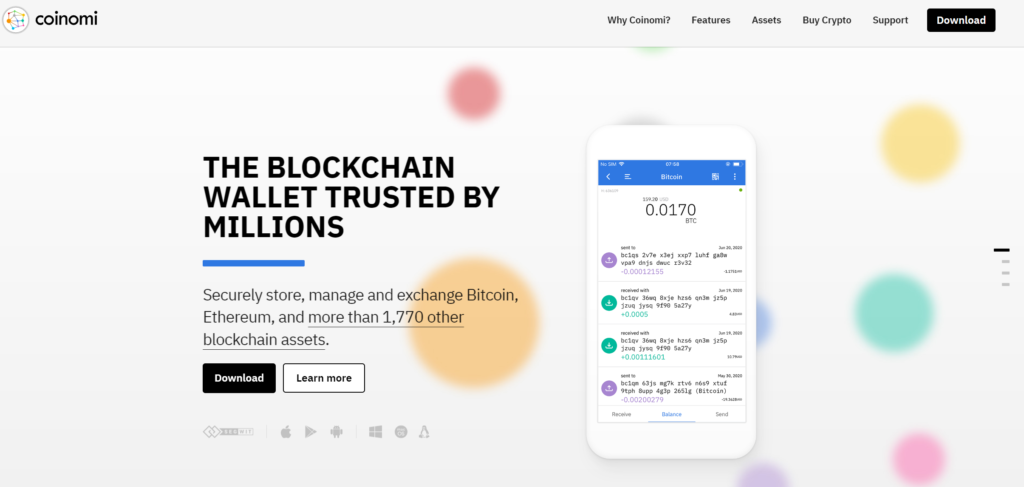
One of the oldest multi-asset wallets with in-app exchange.
Pros:
- Long history of stability;
- Supports many tokens including SOL;
- Easy setup.
Cons:
- Outdated interface;
- Less focus on DeFi tools.
8. SafePal
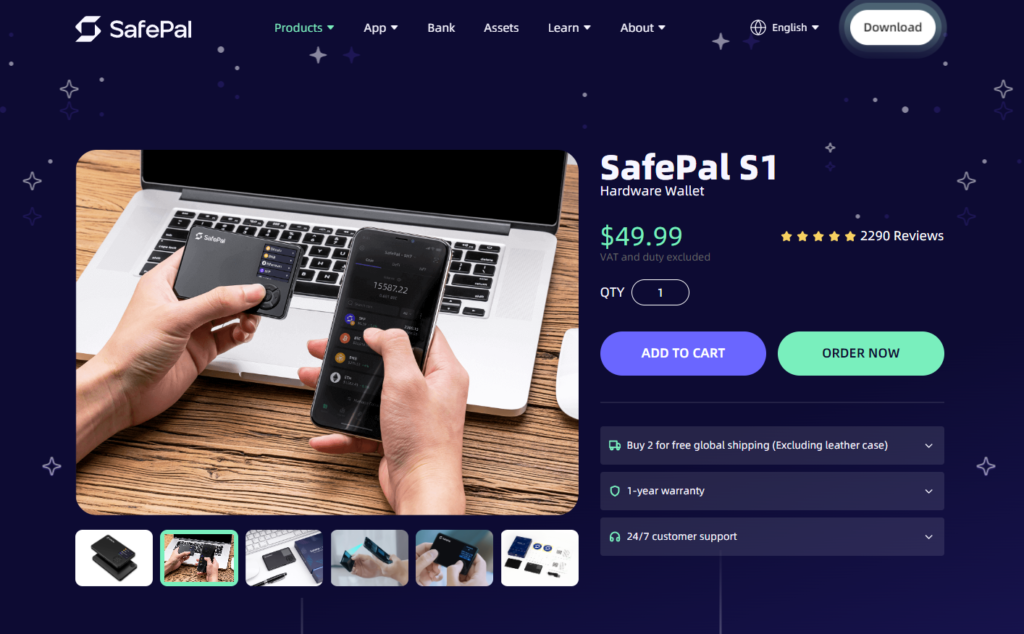
Combines software and hardware wallet solutions.
Pros:
- Binance-backed;
- In-app swap and bridge;
- USDC and SOL both supported.
Cons:
- Hardware wallet costs extra;
- Interface takes getting used to.
9. Guarda Wallet
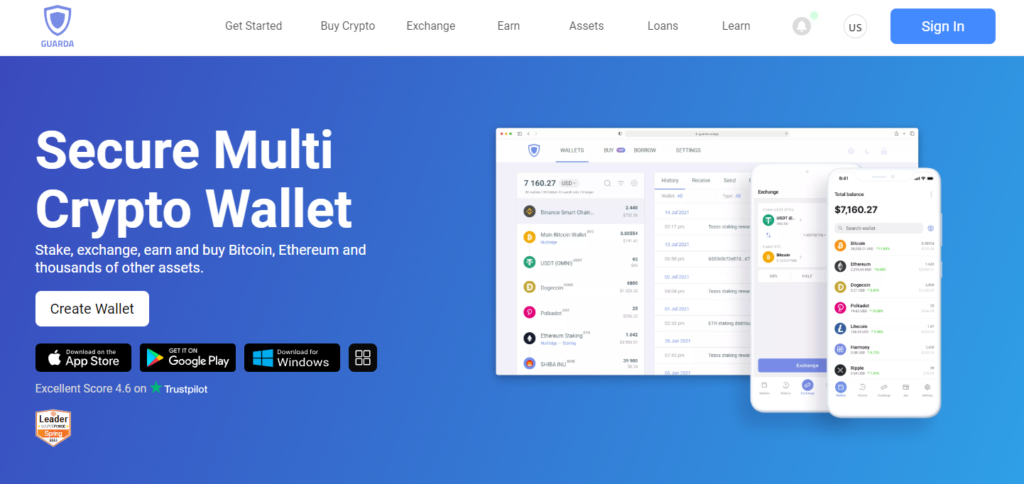
Flexible wallet with non-custodial swap and staking features.
Pros:
- Multiple platforms supported;
- Good token diversity;
- SOL staking available.
Cons:
- Not all swap pairs available instantly;
- Some swaps routed through third parties.
10. Atomic Wallet
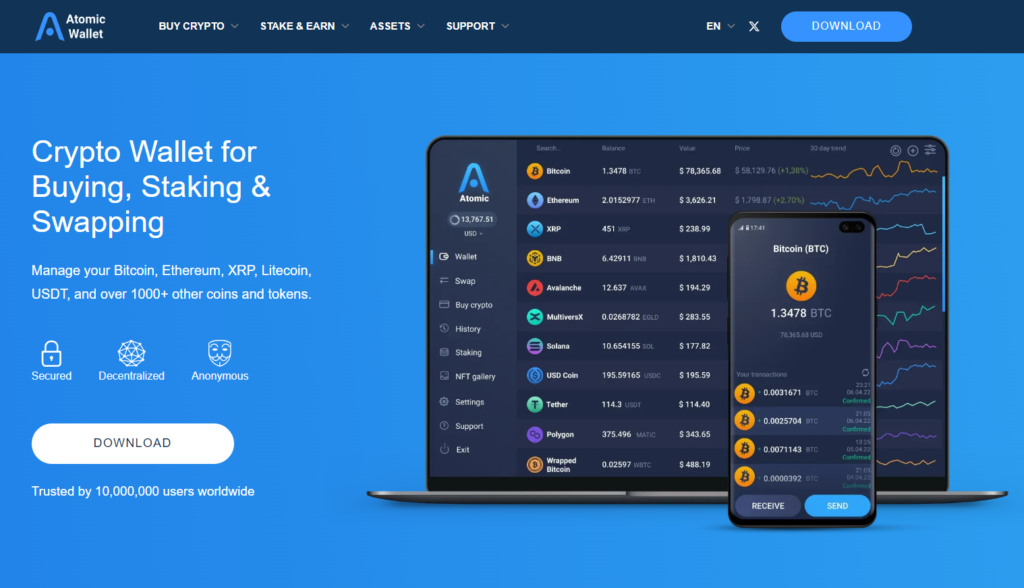
Non-custodial wallet that supports many coins and built-in swaps.
Pros:
- Cross-platform;
- User-friendly;
- SOL and USDC supported.
Cons:
- Not open-source;
- Third-party swap providers.
What is USDC?
USDC is a fully regulated stablecoin pegged to the US dollar, issued by Circle. It’s designed to offer price stability while operating on multiple blockchains, including Ethereum, Solana, and others. Commonly used in DeFi, remittances, and trading, USDC is among the most trusted digital dollars in circulation.
What is SOL?
SOL is the native cryptocurrency of the Solana blockchain, a high-speed, low-fee smart contract platform. Solana is known for its scalability, allowing thousands of transactions per second. SOL is used for staking, paying transaction fees, and interacting with Solana dApps and NFTs.
Why convert USDC to SOL?
Swapping USDC to SOL opens the door to a more dynamic blockchain experience. Here’s why it might make sense:
- Access Solana-based dApps like DeFi protocols and NFT platforms;
- Stake SOL and earn passive rewards;
- Pay network fees within the Solana ecosystem;
- Diversify holdings from a stablecoin into a growth asset.
Stablecoins are great for storing value, but SOL lets you put that value to work.
Converting USDC to SOL is easy and fast when using a secure, multi-functional crypto wallet like Walletverse. With built-in swap features, fiat onramps, and support for over 600 tokens, Walletverse makes it simple to move between assets and explore what Solana has to offer. As the blockchain world continues to evolve, flexibility and usability are key, and Walletverse delivers both.
FAQ
Most frequent questions and answers
Yes, most multi-currency wallets like Walletverse offer direct swaps between USDC and SOL.
You can buy SOL directly within Walletverse using Apple Pay, Google Pay, or your debit/credit card in various supported currencies.
Walletverse stands out as the best option thanks to its seamless swap functionality, robust security, and intuitive mobile interface.


