


Is Ethereum Staking Profitable?
Ethereum remains one of the most widely used and trusted blockchains in the world. After its transition to the Proof of Stake (PoS) model, it became not only more energy-efficient but also more rewarding for long-term investors.
Staking Ethereum has opened new opportunities for passive income while maintaining the stability and security of the network. But the key question for many investors is: Is Ethereum staking actually profitable? Let’s explore the benefits, rewards, and top wallets for staking ETH securely.
Benefits of ETH Ethereum
Ethereum (ETH) was created in 2015 by Vitalik Buterin as a next-generation blockchain capable of supporting smart contracts, decentralized applications (dApps), and NFTs. Its flexibility and scalability have made it the foundation for decentralized finance (DeFi).
In 2022, Ethereum completed “The Merge,” transitioning from Proof of Work (PoW) to Proof of Stake (PoS). This upgrade replaced miners with validators, users who lock their ETH to confirm transactions and secure the network.
Staking plays a vital role in maintaining Ethereum’s ecosystem. It rewards users who participate in consensus and helps reduce the blockchain’s energy consumption by over 99%.
Main advantages of Ethereum include:
- Global leader in DeFi and smart contracts;
- Reduced energy use and improved sustainability;
- Decentralized, community-driven governance;
- Reliable staking returns for network participants.
Through staking, Ethereum holders can earn steady rewards while contributing to the blockchain’s long-term growth.
What Are the Benefits of Staking?
Staking allows crypto holders to earn rewards simply by locking their tokens to support a blockchain network. In return, participants receive a share of the transaction fees and newly generated coins.
The benefits of staking Ethereum include:
- Passive income. Stakers earn yields between 1% and 5% annually, depending on network activity.
- Network support. Staking strengthens Ethereum’s security and decentralization.
- Low entry barrier. Anyone can stake ETH through wallets or staking pools.
- Eco-friendly system. Proof of Stake is far less energy-intensive than mining.
By staking Ethereum, investors effectively turn their digital assets into income-generating holdings, similar to earning interest on savings, but in a decentralized environment.
10 Best Wallets for Ethereum Staking
1. Walletverse
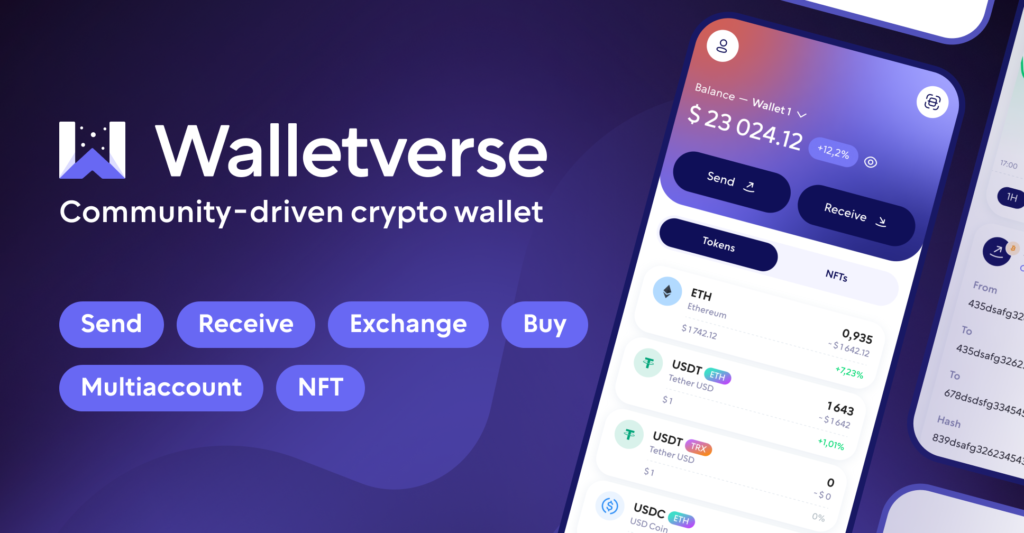
Walletverse is a secure, multi-currency Web3 and DeFi wallet that supports over 600 cryptocurrencies. It’s designed for both beginners and advanced users who want an easy way to store, buy, send, and stake crypto.
The Ethereum staking APY is 1.76%, offering stable returns in a self-custody environment. With biometric authentication, AML protection, and passcode security, Walletverse ensures that only users have access to their funds.
Pros:
- Fast and intuitive interface
- Secure self-custody structure
- Supports 600+ cryptocurrencies and dApps
- Easy crypto purchase via Apple Pay, Google Pay, and cards
Cons:
- Mobile-only wallet


2. Trust Wallet
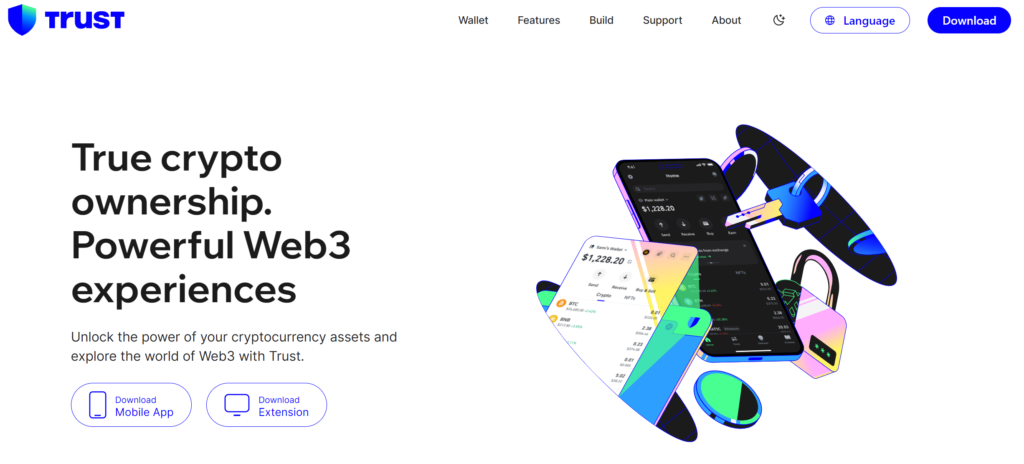
Trust Wallet, developed by Binance, is a mobile-first solution that supports staking Ethereum and hundreds of other cryptocurrencies.
Pros:
- Beginner-friendly staking process
- Integrated NFT and dApp support
- Wide crypto compatibility
Cons:
- Limited validator control
- Potential custodial risk with exchange connection
3. Ledger Nano X
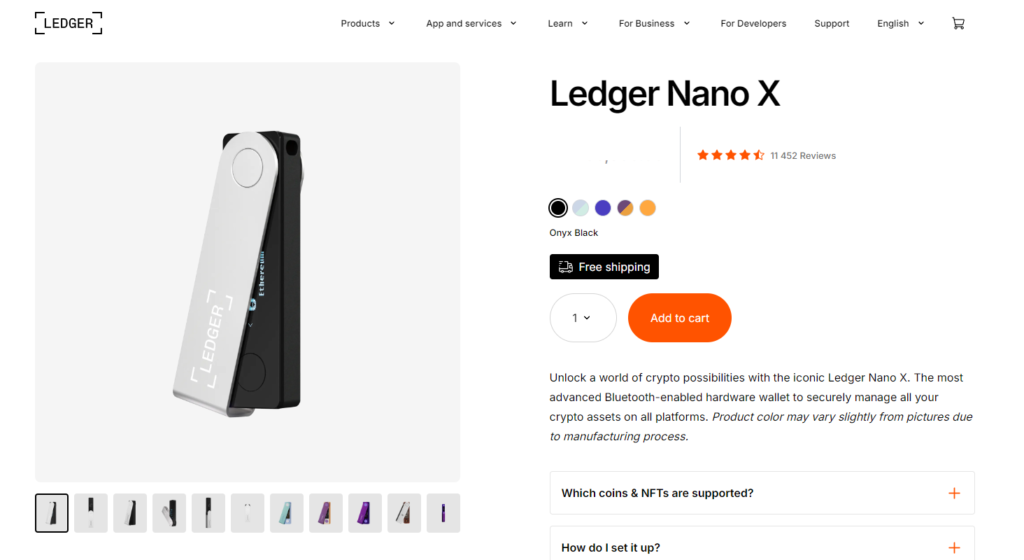
Ledger Nano X is a hardware wallet known for exceptional security. Users can stake ETH through integrated apps like Lido or Kiln while keeping private keys offline.
Pros:
- Highest level of asset protection
- Works offline
- Compatible with multiple staking platforms
Cons:
- Requires external staking setup
- Hardware purchase needed
4. Atomic Wallet

Atomic Wallet supports staking Ethereum and other major cryptocurrencies directly within the app. It’s a great option for users who value an all-in-one staking experience.
Pros:
- Built-in staking tools
- Multi-asset support
- Easy setup for beginners
Cons:
- Closed-source platform
- Limited validator transparency
5. MetaMask
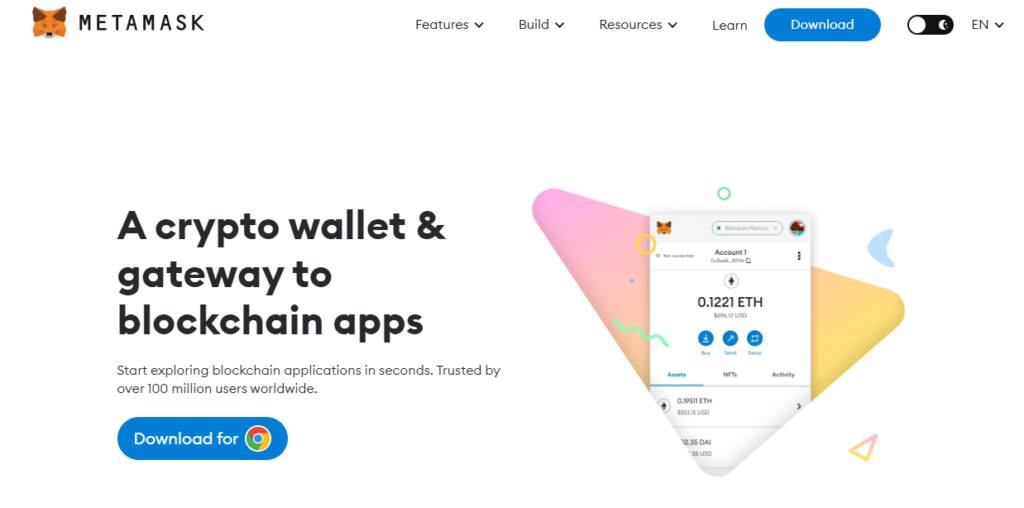
MetaMask is one of the most popular Ethereum wallets and is widely used for DeFi and NFT transactions. It supports staking through integrations with Lido and Rocket Pool.
Pros:
- Trusted by millions of users
- Works seamlessly with DeFi platforms
- Available on mobile and browser
Cons:
- Requires third-party staking services
- Not ideal for beginners
6. Lido

Lido offers liquid staking for Ethereum, allowing users to stake any amount of ETH and receive stETH tokens that remain liquid while generating rewards.
Pros:
- Liquid staking with flexible use
- No minimum staking amount
- Transparent and decentralized governance
Cons:
- Smart contract vulnerabilities possible
- Slight centralization among validators
7. Binance Wallet
Binance Wallet allows users to stake Ethereum directly on the exchange with flexible lock durations and easy access to rewards.
Pros:
- Simple staking process
- Reliable and fast platform
- Competitive reward structure
Cons:
- Custodial platform (Binance controls keys)
- Limited to exchange ecosystem
8. Coinbase Wallet

Coinbase Wallet is a beginner-friendly option connected to one of the largest cryptocurrency exchanges. Users can stake ETH directly through the Coinbase platform with minimal setup.
Pros:
- Simple and easy to use
- Backed by a regulated exchange
- Automatic reward distribution
Cons:
- Custodial (private keys held by Coinbase)
- Staking fees reduce overall returns
9. Exodus
Exodus is a visually appealing, multi-platform wallet offering Ethereum staking and portfolio tracking tools. It’s perfect for users who want simplicity and design in one package.
Pros:
- User-friendly design
- Works across desktop and mobile
- Built-in exchange and staking tools
Cons:
- Closed-source software
- Slightly higher fees
10. MyEtherWallet (MEW)

MyEtherWallet has been part of Ethereum since its early days. It supports ETH staking via integrations with hardware wallets and third-party staking services.
Pros:
- Non-custodial and secure
- Compatible with Ledger and Trezor
- Established reputation
Cons:
- More complex interface
- Requires external validator connection
What Is the Average Return on ETH Staking?
The average return on Ethereum staking typically ranges between 1% and 5% APY, depending on network participation and validator performance. When fewer validators are active, individual yields are higher, but as more users stake, rewards become distributed more evenly.
Some wallets and platforms, such as Walletverse, offer consistent rates around 1.76%, prioritizing security, transparency, and ease of access for users seeking stable, low-risk earnings.
What Is the Most Profitable Staking Crypto?
While Ethereum remains one of the most reliable staking assets, the most profitable staking cryptocurrencies depend on network conditions and token economics.
Currently, higher staking yields can be found with assets like Solana, Cardano, or Polkadot, which offer APYs between 6% and 10%. However, Ethereum’s advantage lies in its stability, liquidity, and long-term growth potential.
For users prioritizing safety and simplicity, Ethereum staking through Walletverse provides a secure, sustainable, and fully self-custodial way to earn passive income.
Ethereum staking is a profitable and accessible method for earning passive income while contributing to the blockchain’s security and sustainability. Although yields may not be as high as other coins, Ethereum offers reliability, strong market demand, and long-term growth potential.
Walletverse makes staking Ethereum easy, safe, and transparent. With 1.76% APY, self-custody protection, biometric security, and AML compliance, it’s an ideal platform for users who value both profit and peace of mind.
FAQ
Most frequent questions and answers
No, staking is not guaranteed profit, but it offers consistent returns if validators perform well. Ethereum’s staking system is designed for stability, with average yields between 3% and 5%.
The best staking option combines security, transparency, and convenience. Walletverse offers one of the most user-friendly and secure environments for staking Ethereum.
The safest place is a non-custodial wallet like Walletverse, where you maintain full control over your private keys and funds. Hardware wallets like Ledger are also excellent for added protection.


