


How to Buy Cartesi (CTSI) in 2026
As blockchain infrastructure matures, the demand for scalable and developer-friendly solutions continues to rise. Cartesi (CTSI) is one of the most promising projects bridging the gap between traditional software and decentralized applications. In this guide, we’ll explore what Cartesi is, how it works, and how to securely buy and store CTSI in 2026 using trusted crypto wallets.
What is Cartesi (CTSI)?
Cartesi (CTSI) is the native utility token of the Cartesi ecosystem, a Layer-2 platform designed to make smart contract development easier and more scalable by integrating traditional programming environments. Founded in 2018, Cartesi enables developers to build dApps using mainstream languages like Python, C++, and Rust instead of Solidity.
The CTSI token was launched to support staking, governance, and payment functionalities within the Cartesi network. Its appeal lies in reducing barriers for developers unfamiliar with blockchain-native tools, opening the door for more complex and powerful applications on decentralized platforms.
By 2026, Cartesi has established itself as a go-to solution for developers seeking a more familiar environment to build high-performance dApps, attracting attention from the gaming, AI, and enterprise software sectors.
How does Cartesi (CTSI) work?
Cartesi enhances blockchain development by running smart contracts inside Linux-based environments off-chain while anchoring their execution to the blockchain for security. This architecture ensures that complex computations can be handled efficiently without overwhelming the base layer.
Key functionalities of CTSI include:
- Staking. CTSI holders can stake tokens to support the Noether sidechain and earn rewards for data availability services.
- Incentivization. CTSI is used to pay for transaction fees and as an incentive for node operators.
- Governance. Token holders have a say in the direction of protocol upgrades and decision-making processes.
- Developer integration. Cartesi allows for porting existing codebases to Web3 with minimal changes, streamlining dApp development.
This hybrid model of on-chain trust and off-chain computation positions Cartesi as a scalable and developer-centric solution in the blockchain space.
Top 10 Best Crypto Wallets to Buy Cartesi (CTSI) in 2026 – Comparison
To buy and store CTSI securely, selecting the right crypto wallet is essential. Here’s a detailed breakdown of the top 10 wallets that support CTSI:
1. Walletverse
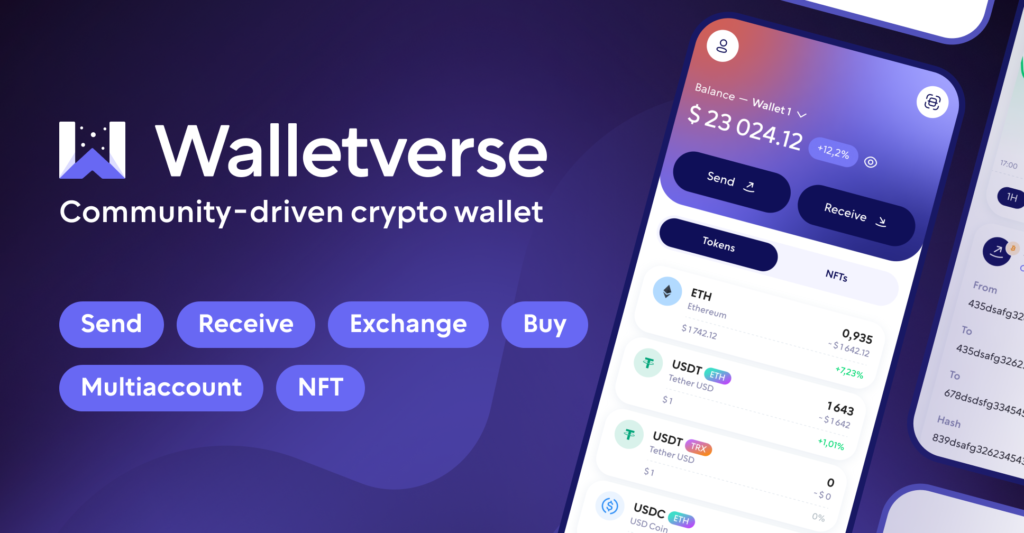
Walletverse – An all-in-one mobile wallet focused on security, self-custody, and user experience.
- Pros: Supports 600+ tokens including CTSI; seamless buy with Apple Pay, Google Pay, and cards; biometric and passcode protection; multi-account support; integrated dApps.
- Cons: Mobile only.
Best for: Users seeking secure, convenient, and full-feature crypto management on the go.


2. MetaMask
Popular among developers and DeFi users.
- Pros: Custom token support for CTSI; browser extension and mobile; full dApp compatibility.
- Cons: Requires manual network configuration; not the most beginner-friendly.
Best for: Advanced users and Ethereum enthusiasts.
3. Coinbase Wallet
A self-custody wallet connected to the Coinbase ecosystem.
- Pros: Secure; supports ERC-20 tokens like CTSI; easy integration with Coinbase exchange.
- Cons: Limited DeFi functionality compared to MetaMask.
Best for: Coinbase users new to Web3.
4. Trust Wallet
A well-known wallet backed by Binance.
- Pros: Supports CTSI and NFTs; easy interface; staking features.
- Cons: No desktop version.
Best for: BNB Chain and Ethereum users on mobile.
5. Ledger Nano (with Ledger Live or MetaMask)
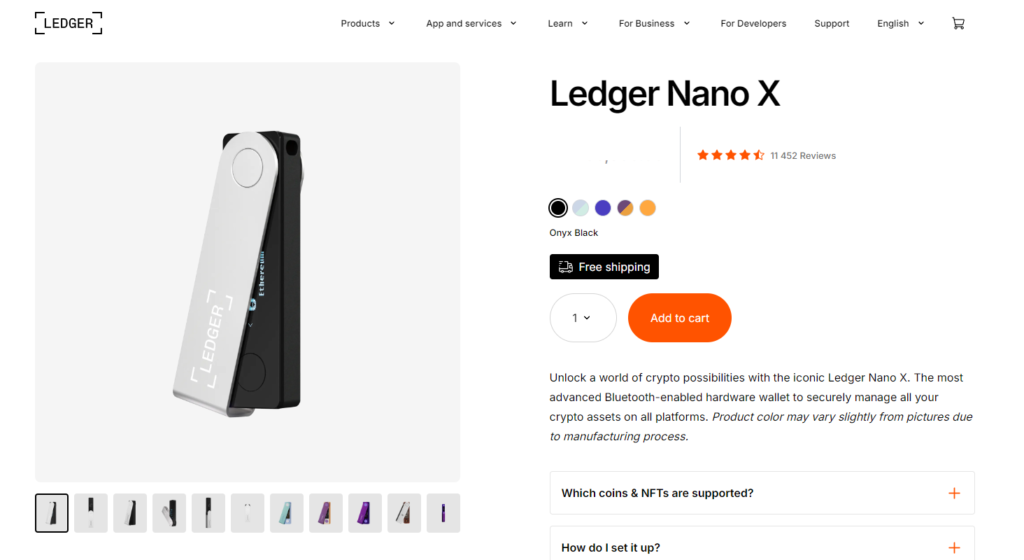
Trusted cold wallet provider for secure asset storage.
- Pros: Top-tier offline security; supports CTSI via integration.
- Cons: Requires hardware purchase and setup.
Best for: Long-term holders and institutional investors.
6. Trezor
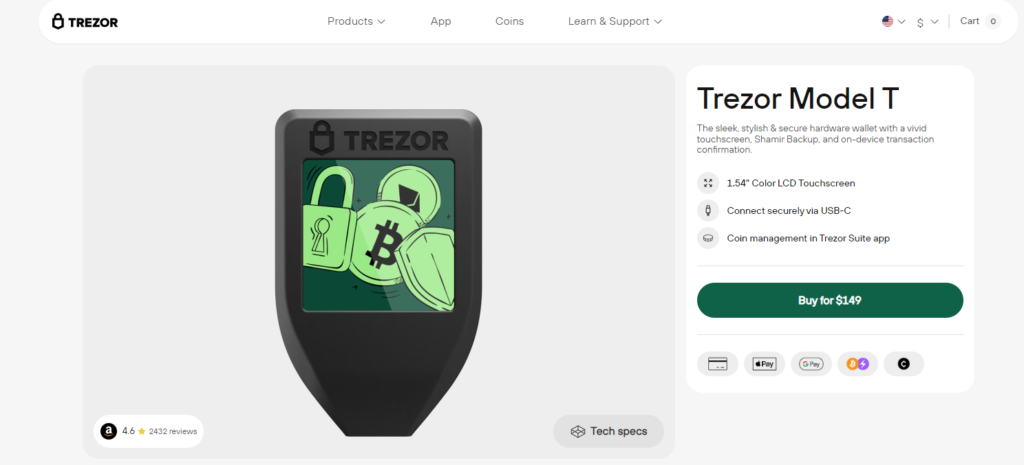
Open-source cold wallet solution.
- Pros: High security; manual key signing; ERC-20 compatibility.
- Cons: Less mobile functionality.
Best for: Users preferring offline storage and open-source infrastructure.
7. SafePal
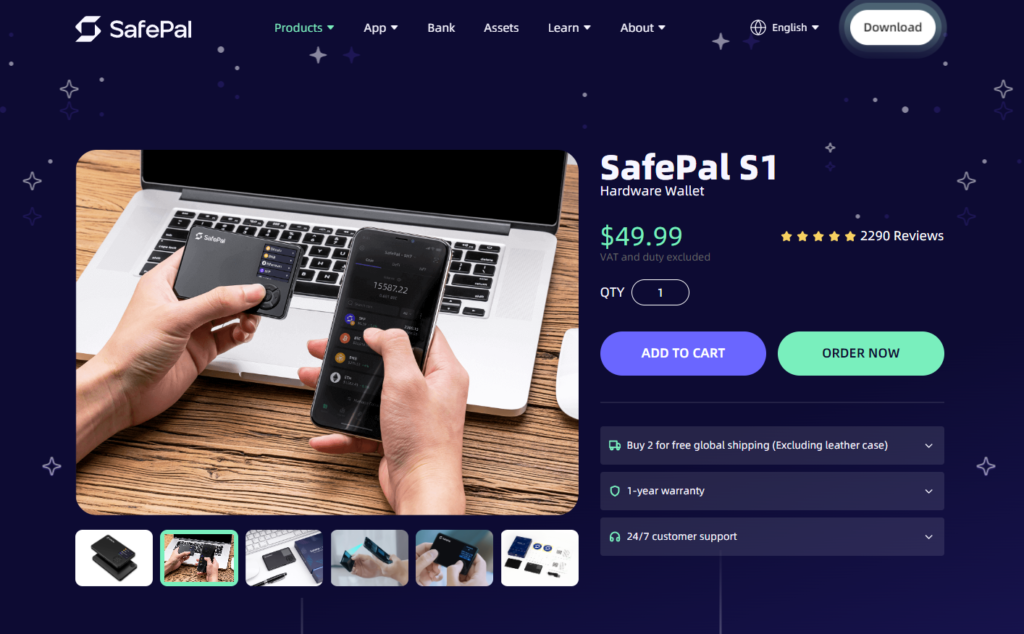
A hybrid wallet offering mobile and hardware security.
- Pros: Secure cold storage option; supports CTSI; dApp and DEX features.
- Cons: UI complexity for new users.
Best for: Security-focused users on mobile.
8. Guarda Wallet
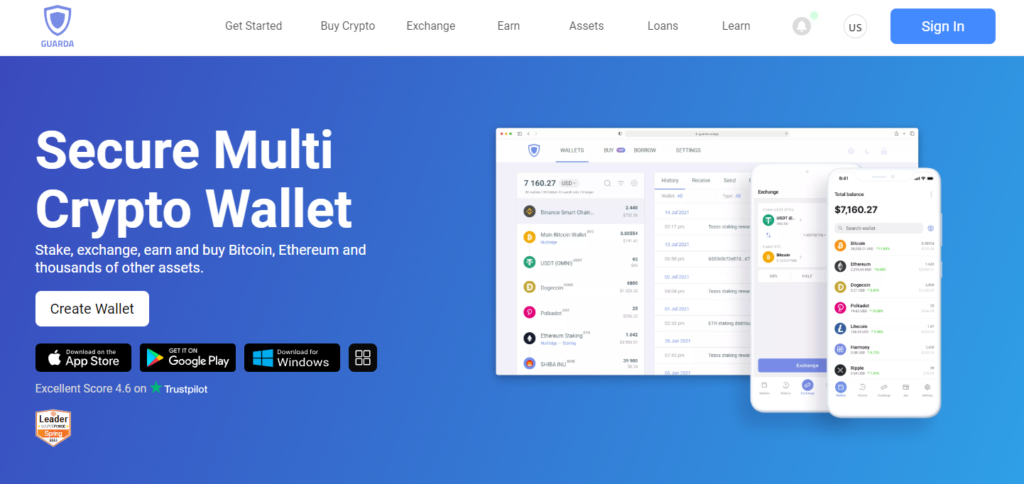
Multi-platform wallet for flexible token management.
- Pros: Supports CTSI; accessible via desktop, mobile, and web; in-app exchanges.
- Cons: Premium features may require fees.
Best for: Users seeking wallet flexibility across multiple devices.
9. Atomic Wallet
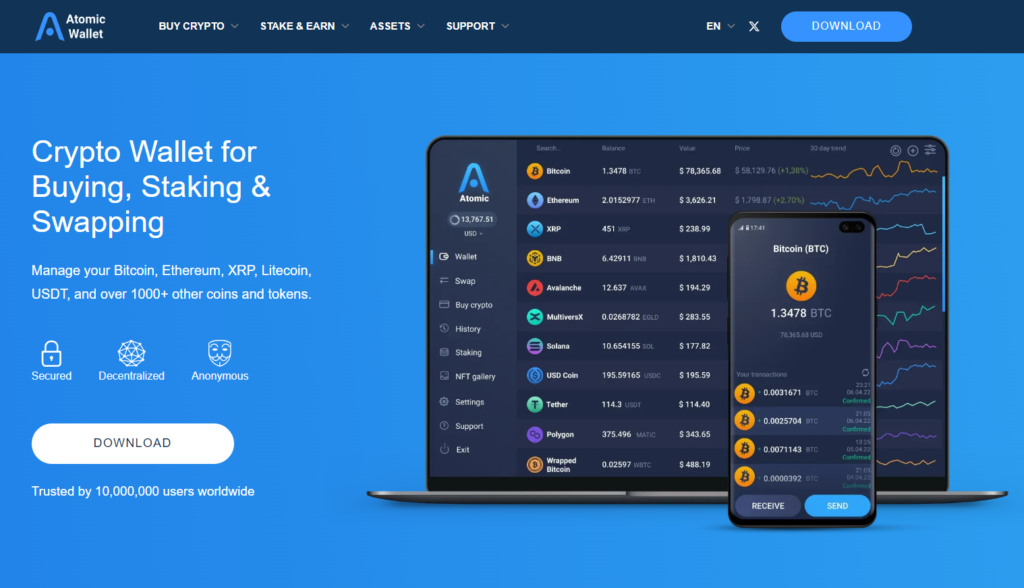
Cross-platform wallet with support for numerous tokens.
- Pros: In-app staking and swapping; desktop and mobile compatibility; supports CTSI.
- Cons: Closed-source elements.
Best for: Portfolio holders managing multiple crypto types.
10. Exodus
A beautifully designed wallet with live price tracking and built-in swaps.
- Pros: User-friendly UI; mobile and desktop support; CTSI compatibility.
- Cons: Not completely open-source.
Best for: Beginners and users who prefer clean interfaces.
Where Can I Store Cartesi (CTSI)?
CTSI is available as an ERC-20 token, making it compatible with any Ethereum-compatible wallet. Walletverse is a standout choice in 2026 for storing CTSI securely and conveniently. With multi-currency support, biometric authentication, and built-in purchase capabilities, Walletverse delivers full control and unmatched security for managing CTSI and other assets.
Cartesi offers an innovative path forward for decentralized application development by integrating real-world programming with blockchain verification. Whether you’re a developer, investor, or enthusiast, CTSI provides a gateway into a more scalable and accessible dApp ecosystem. For buying and storing CTSI, Walletverse is a top-tier mobile solution offering speed, simplicity, and safety—all in one app.
FAQ
Most frequent questions and answers
CTSI supports a scalable and developer-friendly blockchain platform. Its real-world coding support, staking model, and infrastructure potential make it attractive—but like any crypto asset, it should be evaluated carefully based on personal investment goals.
You can purchase CTSI through the Walletverse app using Apple Pay, Google Pay, or a credit/debit card. Walletverse supports fiat currencies like USD, EUR, KZT, INR, and more.
CTSI is used for staking, paying network fees, incentivizing validators, and participating in governance within the Cartesi ecosystem. It also supports decentralized app development with off-chain computing capabilities.


