


How to Buy Augur (REP) in 2026
As decentralized finance continues to reshape the digital economy, tokens that offer real-world utility and community-driven governance stand out. Augur (REP) is one such project, enabling users to forecast outcomes on global events through a decentralized prediction market. If you’re interested in adding REP to your portfolio, 2026 presents more user-friendly tools than ever to do it quickly and securely. Here’s everything you need to know before you buy.
What is Augur (REP)?
Augur (REP) is a cryptocurrency designed to power a decentralized prediction market protocol built on the Ethereum blockchain. Launched in 2015 by the Forecast Foundation, Augur was among the first platforms to use blockchain technology for peer-to-peer betting without centralized control.
The REP token is used for reporting outcomes on the platform. Users who hold REP can stake their tokens to dispute or confirm event results, and are rewarded for honest participation. Over time, Augur has carved a niche in the Web3 ecosystem by combining decentralization with the power of collective forecasting. While its popularity has fluctuated with market trends, REP continues to be integrated across DeFi platforms and crypto wallets.
How Does Augur (REP) Work?
At its core, Augur is a decentralized oracle and prediction platform. Users can create markets for almost any future event, political elections, sports results, economic trends , and others can place bets on different outcomes. Instead of relying on a centralized authority to determine the outcome, Augur uses a dispute resolution mechanism powered by REP holders.
Once an event concludes, reporters stake REP to verify the correct result. If consensus is reached, the market is resolved and rewards are distributed accordingly. If disputes arise, further rounds of staking and escalation can occur. This process ensures that outcomes are determined in a trustless and transparent way, with economic incentives aligned to promote honesty.
Top 10 Best Crypto Wallets to Buy Augur (REP) in 2026 – Comparison
1. Walletverse
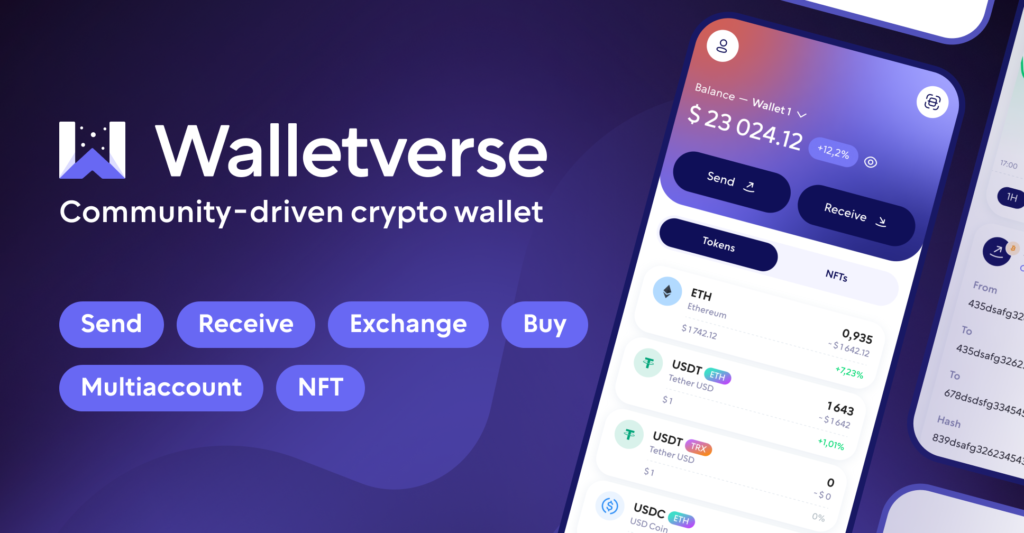
Walletverse is a self-custody mobile crypto wallet designed for smooth and secure asset management. It supports over 600 cryptocurrencies, including REP, and is tailored for both newcomers and experienced users. You can buy REP directly in-app using Apple Pay, Google Pay, or traditional bank cards in multiple fiat currencies.
With biometric login, passcode protection, and decentralized architecture, Walletverse puts control back in the hands of users. It also includes access to dApps, staking tools, and DeFi integrations, all packed into a fast and intuitive mobile interface.
Pros:
- Mobile-first and easy to use
- Built-in purchase options for REP
- Self-custody with no third-party access
- Supports multi-account setup
- Regular updates and active community
Cons:
- No desktop app
- Advanced features may require user onboarding


2. MetaMask
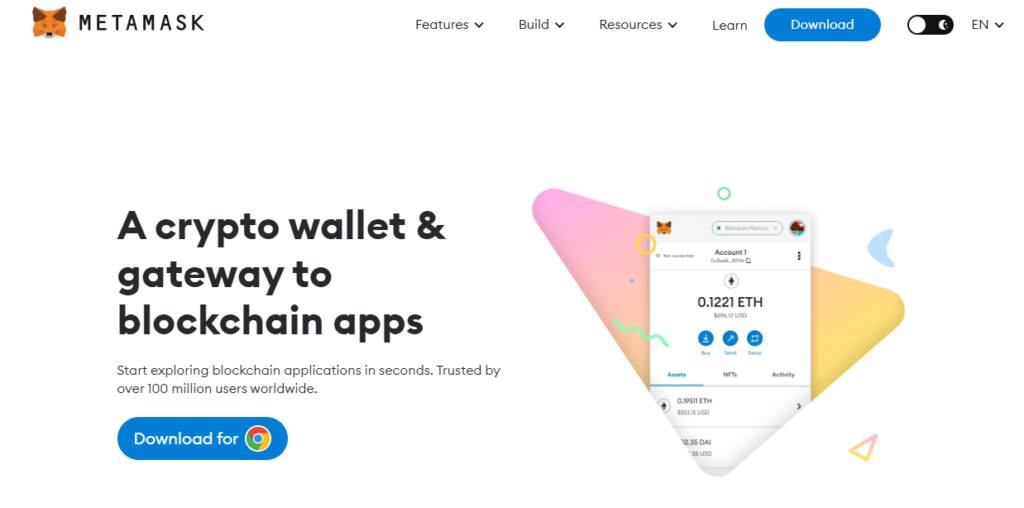
MetaMask is a favorite among Ethereum users and supports REP as an ERC-20 token. It is available as a browser extension and mobile app, making it versatile for interacting with DeFi platforms.
Pros:
- Compatible with most DeFi tools
- Offers secure backup and recovery
- Active development and ecosystem
Cons:
- Geared toward experienced users
- Limited direct crypto purchase options without third-party integrations
3. Coinbase Wallet
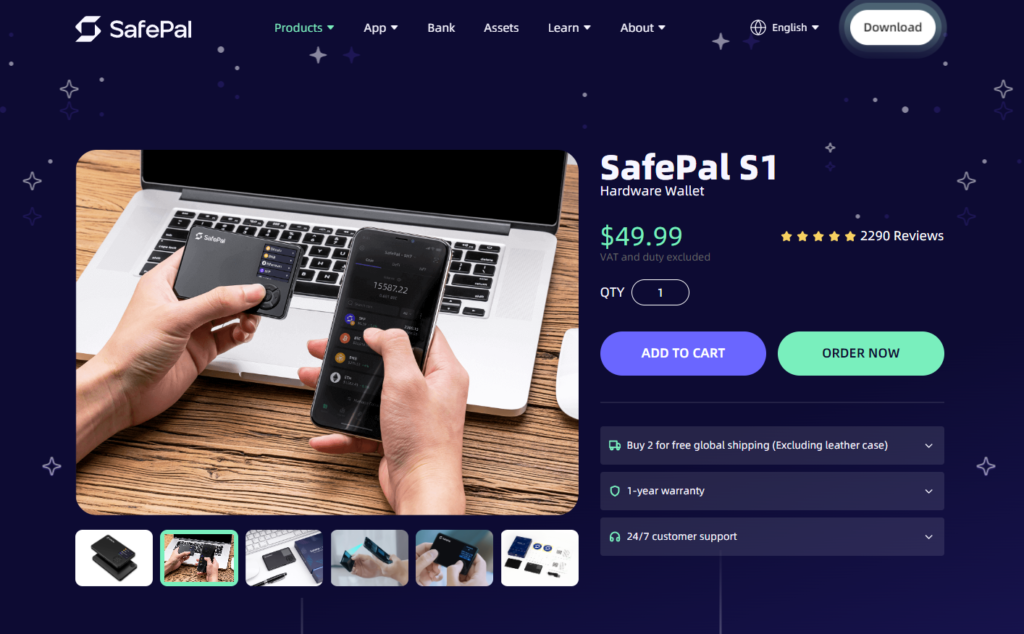
Coinbase Wallet is a separate app from the main Coinbase exchange. It’s a self-custody solution that gives users control over their REP holdings and access to dApps.
Pros:
- Recognizable brand and user-friendly interface
- Access to decentralized applications
- Non-custodial wallet
Cons:
- Syncing with Coinbase Exchange requires linking
- Limited DeFi features compared to competitors
4. Trust Wallet
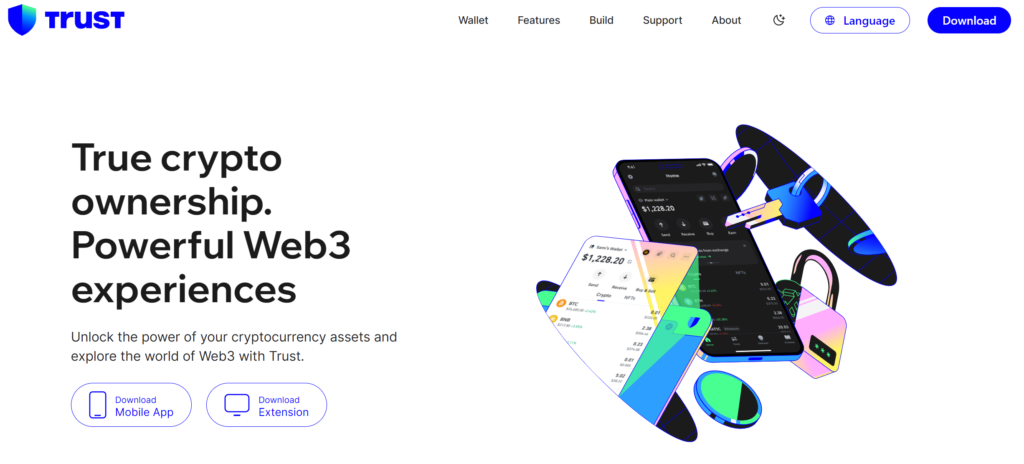
Trust Wallet is a widely used mobile wallet that allows users to store and buy a variety of digital assets, including REP. It includes support for NFTs and a Web3 browser to access dApps directly.
Pros:
- Simple design for mobile users
- Integrated token swap and staking
- Supports thousands of assets
Cons:
- Owned by Binance
- May not offer full transparency on internal operations
5. Ledger Nano
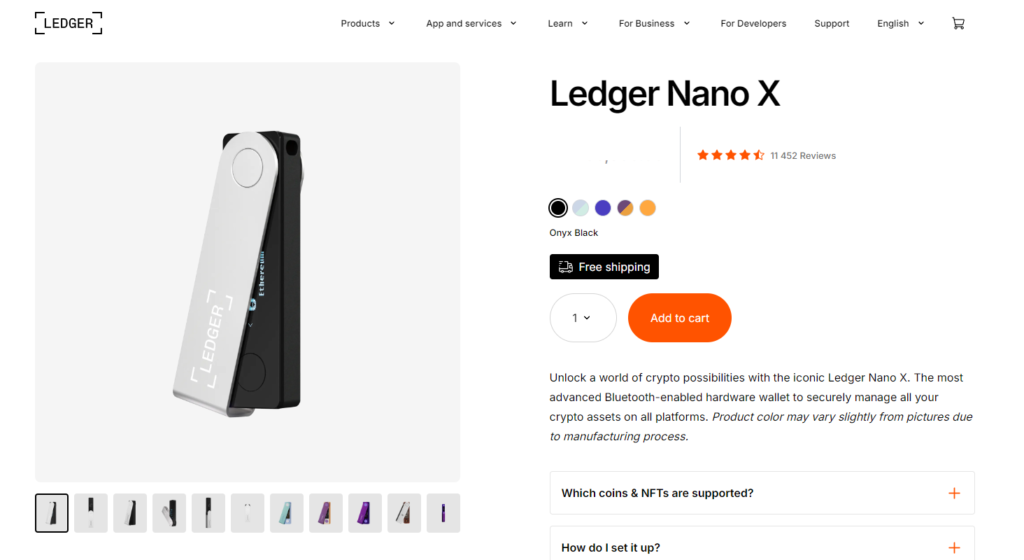
Ledger devices like the Nano X also support REP when used with third-party apps like MetaMask. It’s ideal for users who prioritize offline security.
Pros:
- High-end encryption and protection
- Bluetooth support for mobile (Nano X)
Cons:
- More expensive than software wallets
- Initial setup requires technical steps
6. Guarda Wallet
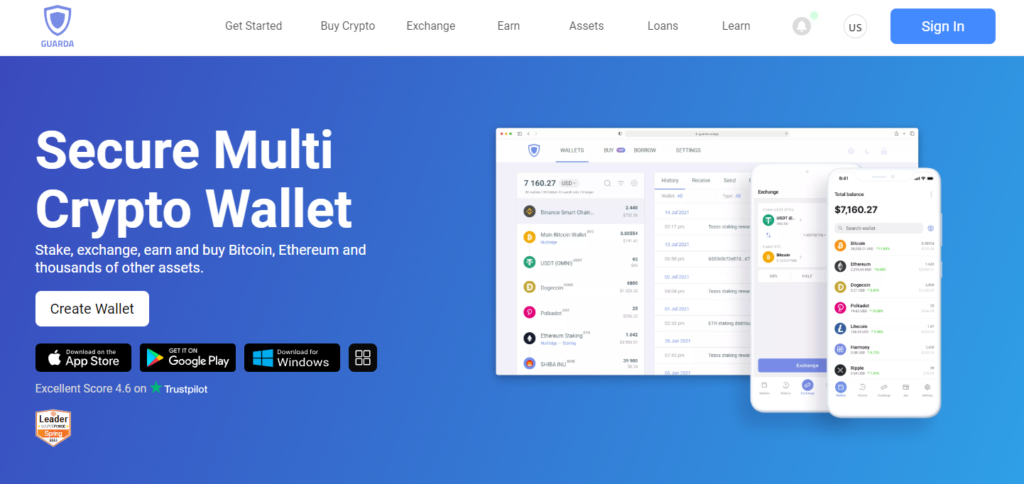
Guarda Wallet offers flexibility by supporting Web, Desktop, and Mobile platforms. It supports REP and allows users to integrate with hardware wallets like Ledger for added security.
Pros:
- Platform-agnostic
- Hardware wallet compatibility
- Built-in crypto exchange
Cons:
- Some transactions may require KYC
- Advanced UI might be overwhelming for new users
7. Coinomi
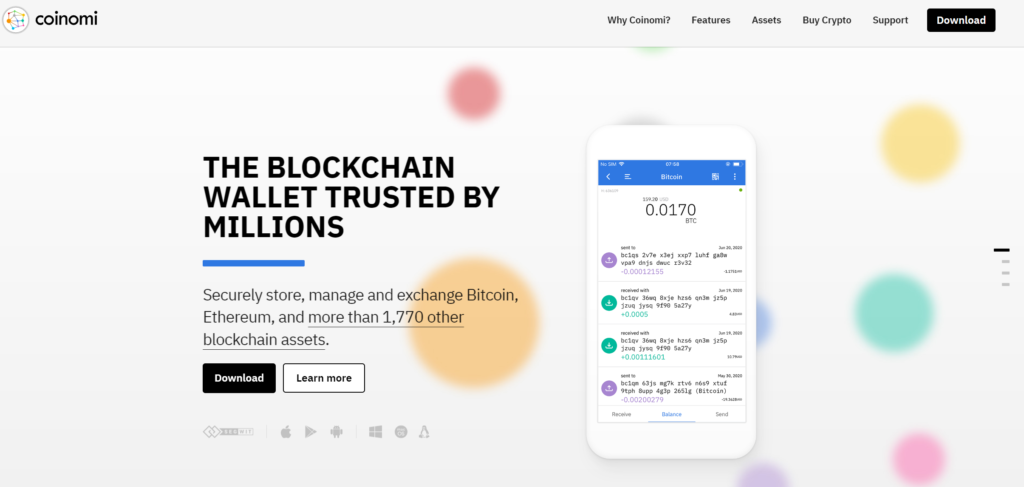
Coinomi has a long-standing reputation as a multi-currency wallet that supports REP and many other tokens. It’s available on both mobile and desktop platforms.
Pros:
- Supports hundreds of coins
- Quick setup
- Strong multilingual support
Cons:
- Not open-source
- UI hasn’t evolved much
8. Trezor Wallet
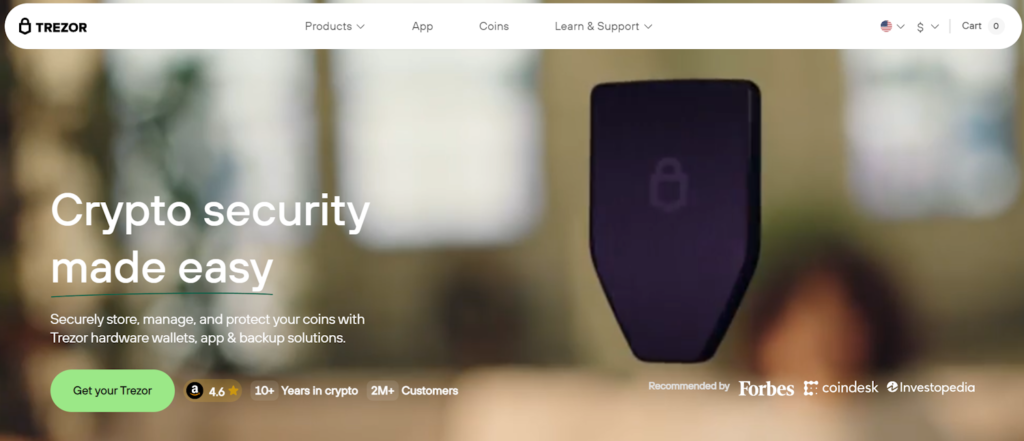
Trezor is a hardware wallet that can be used to store REP by linking it with MetaMask. This combination ensures top-tier security for long-term storage.
Pros:
- Best-in-class cold storage
- Protects against malware and hacks
Cons:
- Not ideal for frequent transactions
- REP support requires third-party interface
9. Atomic Wallet
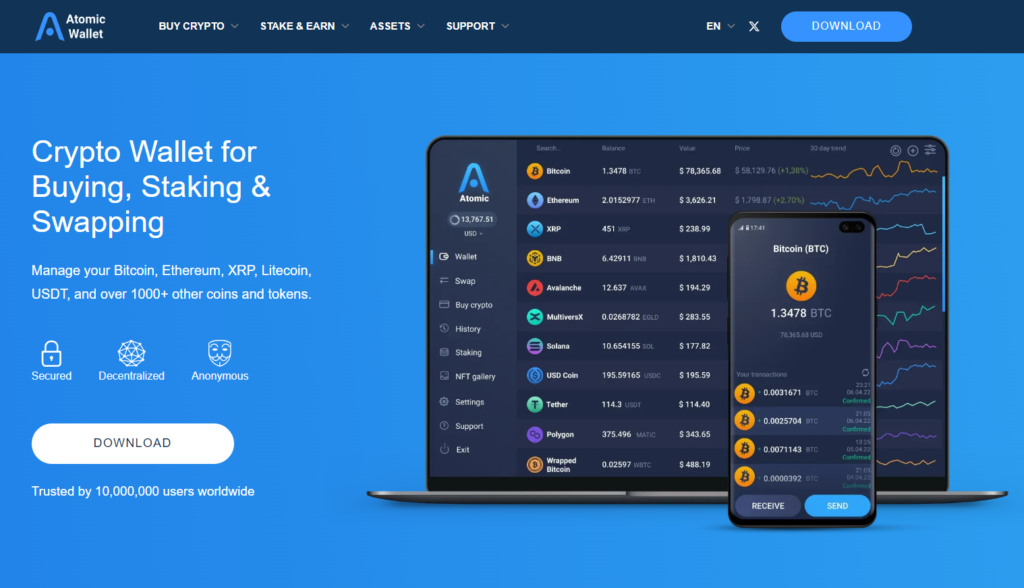
Atomic Wallet allows users to manage a variety of cryptocurrencies, including REP. It features a built-in exchange, support for staking certain tokens, and works on both desktop and mobile.
Pros:
- Multi-platform support
- Direct token swap capability
- Clean UI and frequent updates
Cons:
- Some features may require a fee
- Less transparent governance
10. Exodus
Exodus provides an elegant user interface for both mobile and desktop users. REP can be stored and managed within its Ethereum token ecosystem. It also offers portfolio tracking and internal exchange options.
Pros:
- Great UI/UX
- Live portfolio updates
- Good educational support
Cons:
- Closed-source
- Doesn’t support 2FA
Where Can I Store Augur (REP)?
You can store REP in any wallet that supports Ethereum-based tokens. Hot wallets like Walletverse, MetaMask, or Trust Wallet offer fast access and built-in features for swapping and managing assets. Cold wallets such as Ledger or Trezor provide additional protection for long-term holding.
For active trading and Web3 participation, a mobile wallet like Walletverse offers the best balance between functionality and security. With self-custody, multi-account support, and biometric access, it keeps your REP safe and accessible.
Augur offers a unique use case in the crypto space by combining decentralized prediction markets with community governance. As the crypto ecosystem matures in 2026, REP remains a relevant and innovative asset. Whether you’re buying for investment or to participate in forecasting markets, choosing the right wallet is key to a smooth and secure experience. Walletverse, with its seamless mobile experience and strong security focus, is a strong choice for managing REP and other digital assets.
FAQ
Most frequent questions and answers
Augur represents a pioneering project in decentralized forecasting. While market conditions vary, its established history and unique use case make it a token worth watching for long-term potential.
You can buy REP directly through Walletverse. It supports multiple payment options like Apple Pay, Google Pay, and major credit/debit cards in various currencies. It’s fast, user-friendly, and gives you full control of your assets.
REP is used within the Augur protocol to report and validate event outcomes. Users stake REP to dispute or confirm results in prediction markets and are rewarded for accurate reporting.


