


How to Buy Augur (REPv2) in 2026
Prediction markets are gaining traction in Web3 as tools for decentralized forecasting and event-based speculation. At the heart of this space is Augur (REPv2), a token that powers one of the most established platforms for creating and resolving predictions on real-world events. Whether you’re interested in crypto-powered betting or just diversifying your portfolio, here’s a detailed guide on how to buy REPv2 in 2026 and manage it securely.
What is Augur (REPv2)?
Augur (REPv2) is the upgraded version of the original REP token, designed for use within Augur’s V2 protocol. Augur is a decentralized prediction market built on Ethereum, allowing users to create and trade in markets that forecast outcomes, from elections and sports to crypto prices and global events.
REPv2 came into play when the Augur protocol transitioned to its second version, enhancing scalability, usability, and integration with modern DeFi standards. The token is used by reporters who stake REPv2 to verify the outcomes of prediction markets. While not required for casual users, REPv2 plays a key role in securing and maintaining the platform’s integrity.
Despite being a niche project compared to mainstream cryptocurrencies, Augur holds historical importance as one of the earliest decentralized oracle systems, and REPv2 continues to serve as a governance and staking tool in the evolving prediction space.
How Does Augur (REPv2) Work?
Augur operates by allowing users to create markets around the outcome of real-world events. Participants can buy shares in different outcomes, and after the event concludes, a decentralized reporting system determines the correct result.
REPv2 holders act as reporters. They stake tokens to report outcomes, and if they’re honest and accurate, they earn fees. If they attempt to misreport, they risk losing their stake. This mechanism helps eliminate centralized control, ensuring that the platform remains trustless and censorship-resistant.
Augur V2 also integrated with stablecoins like DAI to allow for dollar-denominated markets, which made it more accessible to users not wanting to deal with volatile crypto pricing.
Top 10 Best Crypto Wallets to Buy Augur (REPv2) in 2026 – Comparison
1. Walletverse
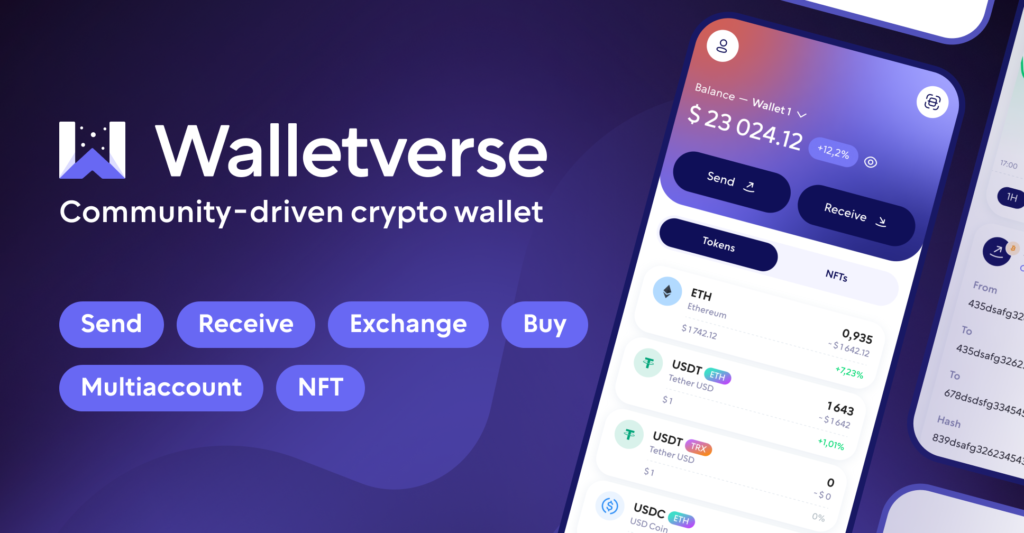
Walletverse is a secure and flexible mobile crypto wallet designed to make buying, storing, and managing crypto as seamless as possible. It supports over 600 cryptocurrencies, including REPv2, and offers built-in purchase functionality through Apple Pay, Google Pay, or credit/debit cards in major global currencies.
Built for both beginners and advanced users, Walletverse offers fast performance, self-custody architecture, and an intuitive interface. Users can also access dApps, manage multiple accounts, and stake supported assets, all in one mobile app.
Pros:
- Intuitive mobile experience
- Full support for buying REPv2 directly
- Secure: biometric and passcode protection
- Supports DeFi and staking features
- Community-driven development
Cons:
- Currently only available on mobile
- Desktop version not yet released


2. MetaMask
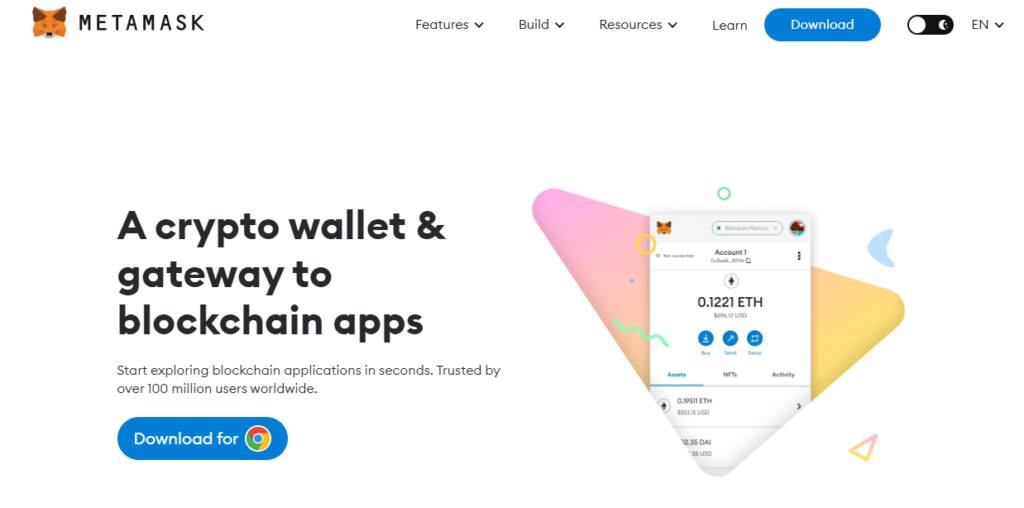
MetaMask is a widely used Ethereum-compatible wallet that allows users to store and manage REPv2 as an ERC-20 token. It’s available as a browser extension and mobile app, making it ideal for DeFi interactions.
Pros:
- Trusted by Web3 users
- Easy integration with DeFi platforms
- Open-source
Cons:
- Requires understanding of gas fees
- Not suitable for complete beginners
3. Coinbase Wallet
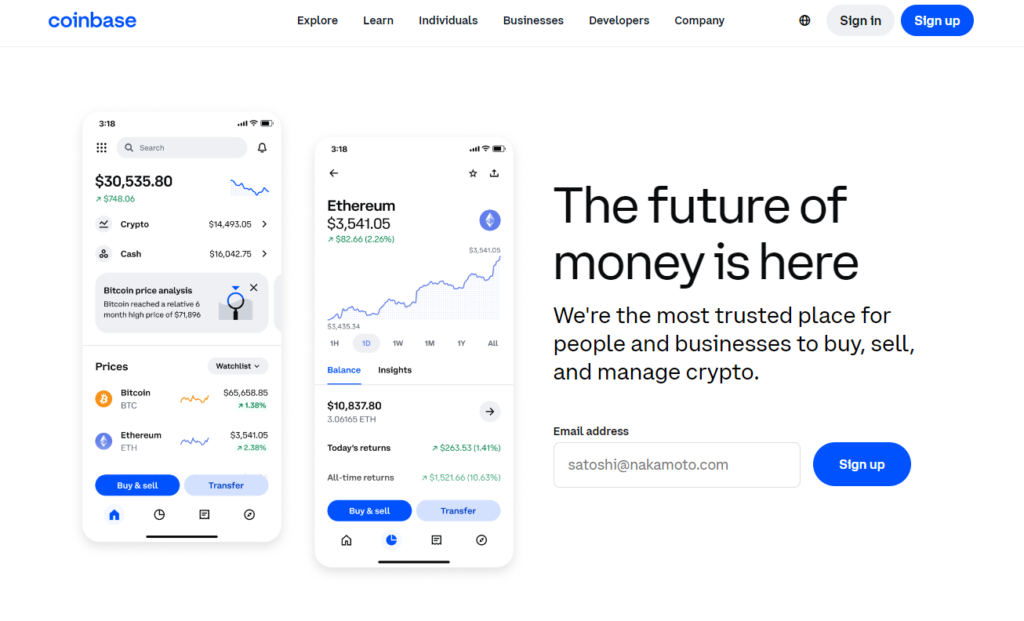
Coinbase Wallet is a self-custody app (distinct from the Coinbase exchange) that allows users to store REPv2 securely while exploring decentralized apps.
Pros:
- Friendly for Coinbase users
- Supports DeFi browsing
- Self-custody wallet
Cons:
- Some features are Coinbase ecosystem–centric
- Limited advanced features compared to other wallets
4. Trust Wallet
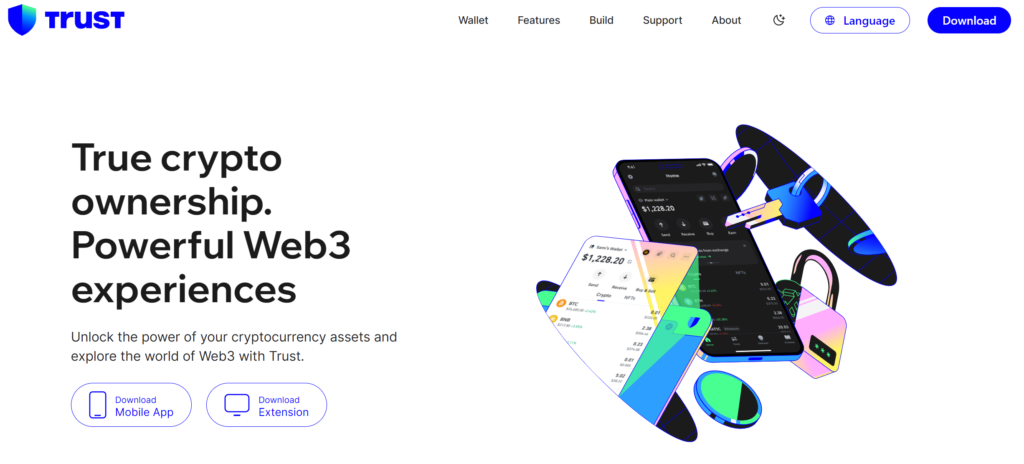
Trust Wallet is a mobile-first application supporting a broad range of digital assets, including REPv2. It allows users to interact with dApps and make token swaps directly within the app.
Pros:
- Built-in Web3 browser
- Wide asset support
- No personal information required
Cons:
- Lack of desktop support
- User control is limited within the Binance ecosystem
5. Ledger Nano
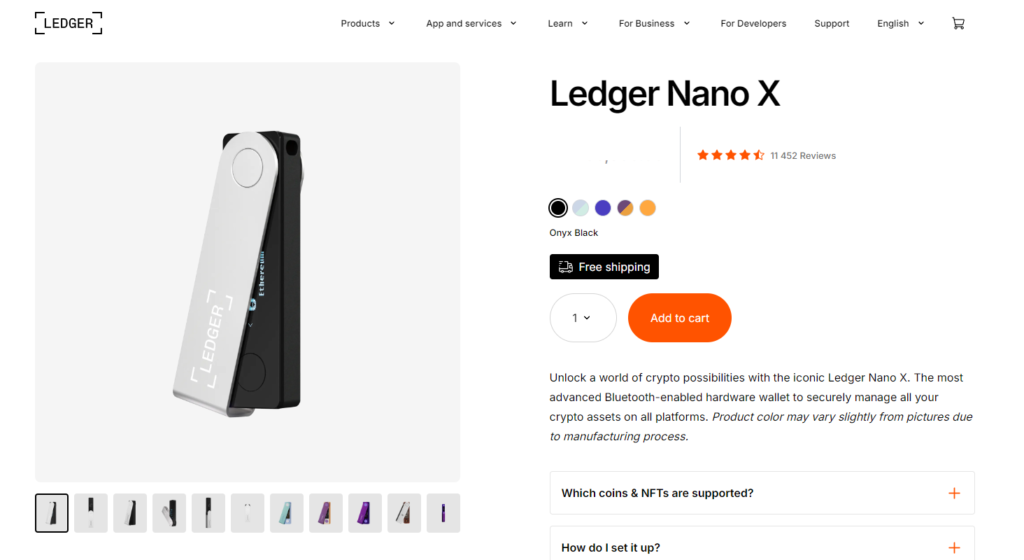
Ledger Nano X and S can be used to hold REPv2 by connecting with MetaMask. This combination brings both DeFi access and secure offline storage.
Pros:
- Hardware-based security
- Bluetooth support for mobile (Nano X)
Cons:
- Not plug-and-play
- More suitable for experienced users
6. Guarda Wallet
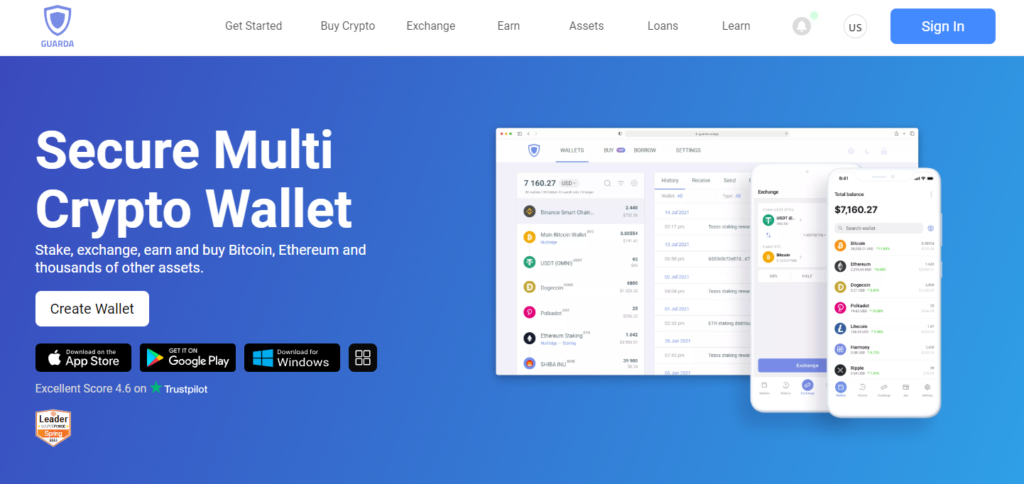
Guarda is a multi-platform wallet offering web, mobile, and desktop options. REPv2 is supported, and it integrates with Ledger for cold storage options.
Pros:
- Works across platforms
- Hardware wallet support
- Easy swaps within app
Cons:
- Some features require KYC
- May be complex for beginners
7. Coinomi
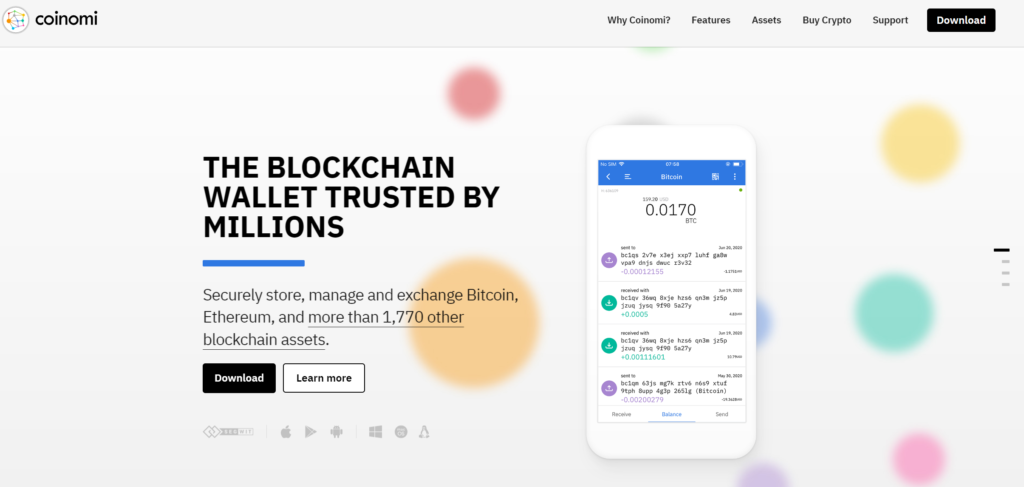
Coinomi is a veteran multi-asset wallet supporting a variety of blockchains and tokens. REPv2 can be stored and swapped within the app.
Pros:
- Multilingual UI
- Fast setup
- Available on desktop and mobile
Cons:
- Less active development in recent years
- Interface feels outdated
8. Trezor Wallet
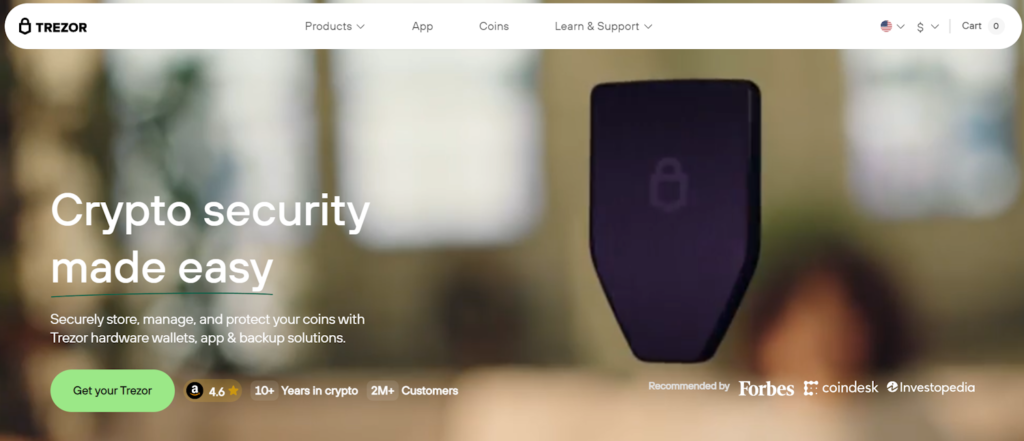
Trezor is a hardware wallet offering cold storage for REPv2 when paired with MetaMask. Ideal for long-term holders.
Pros:
- Very secure
- Works well with DeFi tools via MetaMask
Cons:
- REPv2 access not native; requires third-party app
- High upfront cost
9. Atomic Wallet
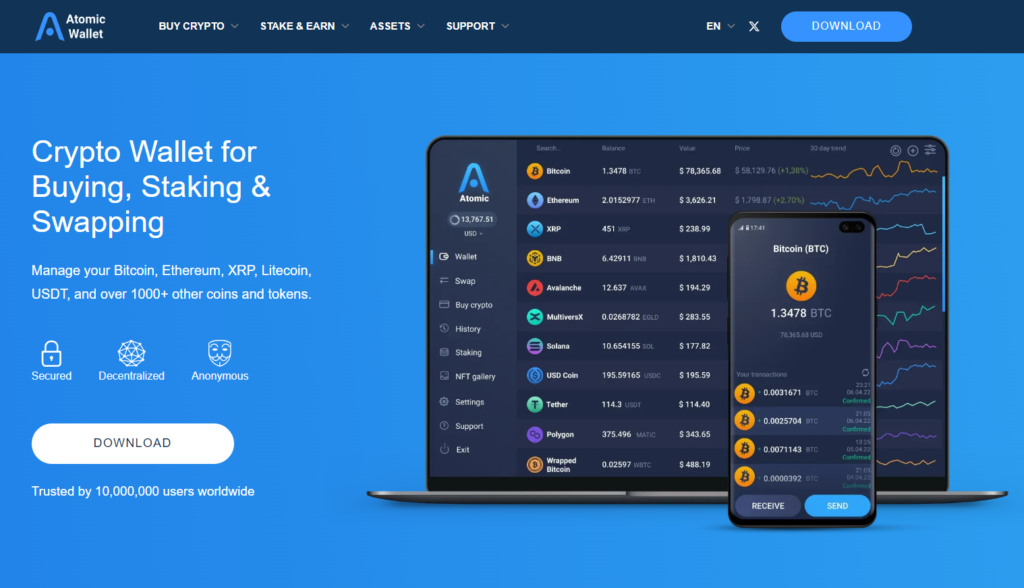
Atomic Wallet is a multi-asset wallet with both desktop and mobile apps. REPv2 is supported via Ethereum, and users can buy crypto via integrated payment gateways.
Pros:
- Private keys stored locally
- Wide range of supported coins
- Built-in purchase and swap options
Cons:
- Not all features are available on mobile
- Some tokens may be missing liquidity
10. Exodus

Exodus combines elegant design with robust wallet features. REPv2 can be stored as an Ethereum token, and users benefit from a built-in exchange and portfolio management tools.
Pros:
- Great visual interface
- Desktop and mobile support
- Fast internal swap engine
Cons:
- Closed source
- No two-factor authentication
Where Can I Store Augur (REPv2)?
REPv2 can be stored in any wallet that supports Ethereum tokens. Hot wallets like Walletverse, MetaMask, or Trust Wallet allow for quick access and DeFi integration. Cold storage options, such as Ledger or Trezor, offer enhanced security for long-term holding.
Walletverse stands out for everyday users who want secure, mobile-first storage with simple on-ramp options to purchase REPv2 directly. Whether you’re trading actively or just holding, choosing the right wallet depends on your personal needs for security, mobility, and accessibility.
As decentralized prediction markets become more mainstream, REPv2 offers a unique utility within the growing Web3 ecosystem. Whether you’re using it to participate in forecasting or simply believe in the project’s long-term vision, buying and storing REPv2 in 2026 is easier than ever. Wallets like Walletverse make the process fast, secure, and accessible, all from your mobile device.
FAQ
Most frequent questions and answers
REPv2 powers one of the most established decentralized forecasting platforms. While it’s a niche asset, it holds long-term potential in the world of decentralized governance and oracle-based systems.
You can purchase REPv2 directly through Walletverse. The app supports Apple Pay, Google Pay, and credit or debit cards in various fiat currencies, making it easy to buy and store REPv2 securely.
REPv2 is used by reporters on the Augur platform to verify and dispute the outcomes of prediction markets. It’s a key part of the network’s decentralized dispute resolution and governance mechanism.


