


How to Swap LTC to USDT
Litecoin (LTC) is one of the longest-running cryptocurrencies, launched in 2011, with a 2.5-minute block time and a maximum supply of 84 million LTC.
USDT (Tether) is a USD-pegged stablecoin designed to stay close to $1 and is issued across multiple blockchains.
Many users swap LTC into USDT to reduce exposure to volatility, lock in gains, or keep a USD-like balance ready for trading and payments. USDT remains the largest stablecoin by market cap, with CoinMarketCap showing market cap around $186B (figures change daily).
Quick facts
- Litecoin: proof-of-work network with ~2.5-minute blocks, max supply 84M.
- USDT: issuer states tokens are backed by reserves and publishes transparency information.
- USDT networks: Tether lists supported protocols including Ethereum (ERC20), Tron (TRC20), Solana, and others.
Best Way to Simply Exchange LTC to USDT
The best method depends on what you prioritize: lowest cost, fastest completion, or staying in self-custody.
Crypto wallets with built-in swaps. This is usually the easiest option for everyday users. You keep control of your keys and swap inside the app.
Main trade-off is that pricing depends on the wallet’s swap providers and routes.Centralized exchanges (CEX). Often best for liquidity and tighter spreads, especially on common pairs like LTC/USDT.
Main trade-off is custody and KYC, since you deposit funds to the exchange.Instant swap services. Good when you want speed and fewer steps, often without full account setup.
Main trade-off is that total cost can be higher due to service fees and spread.
Important note about USDT
Before you swap, confirm which USDT network you need (for example, ERC20 vs TRC20 vs Solana). Tether issues USDT on multiple supported protocols, and sending USDT to the wrong network can result in loss of funds.
Step-by-step: how to swap LTC to USDT safely
Decide where you want to receive USDT. If you need USDT for a specific exchange or app, check which network it supports (ERC20, TRC20, Solana, etc.).
Compare the “real cost”. Look beyond the headline rate. Compare:
Estimated USDT received.
Network fees (on the send chain and the receive chain, if applicable).
Provider fee or spread (if shown).
Make sure you’re receiving the correct USDT format. USDT exists on different chains. A TRC20 USDT address is not the same as an ERC20 USDT address.
Start with a small test swap. If it’s your first time using a new wallet route or swap service, test with a small amount to confirm the network and destination address are correct.
Convert LTC to USDT - Top 10 Best Crypto Wallet to Swap
1. Walletverse
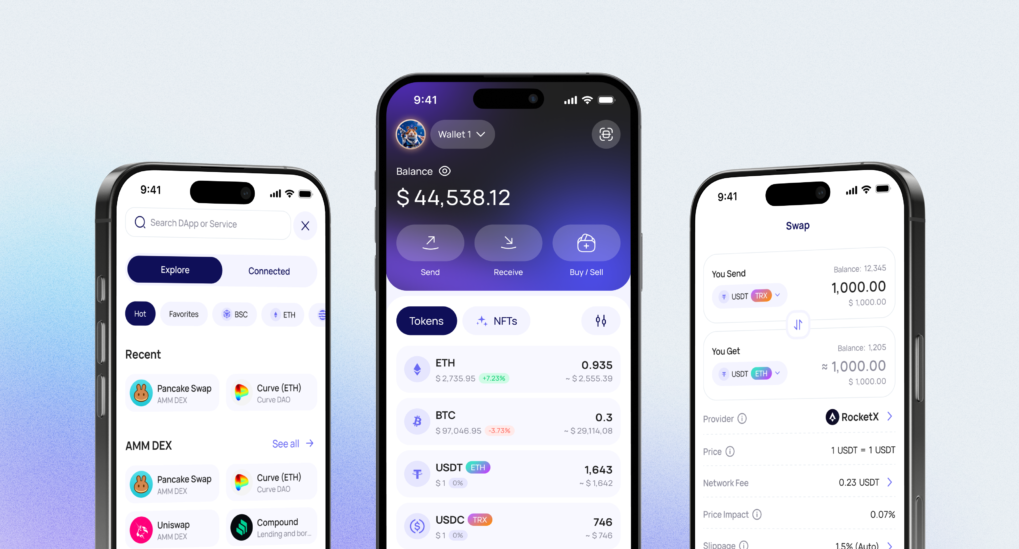
Walletverse is a mobile self-custody wallet focused on fast everyday crypto use. It supports LTC and USDT, offers in-app swaps, multi-account management, and Web3 access. Users typically secure the wallet with passcode and biometric authentication, while keeping full control of private keys.
Pros
Supports 600+ assets
In-app swaps with simple UX
Self-custody and strong app-level security
Cons
Mobile-only


2. Trust Wallet
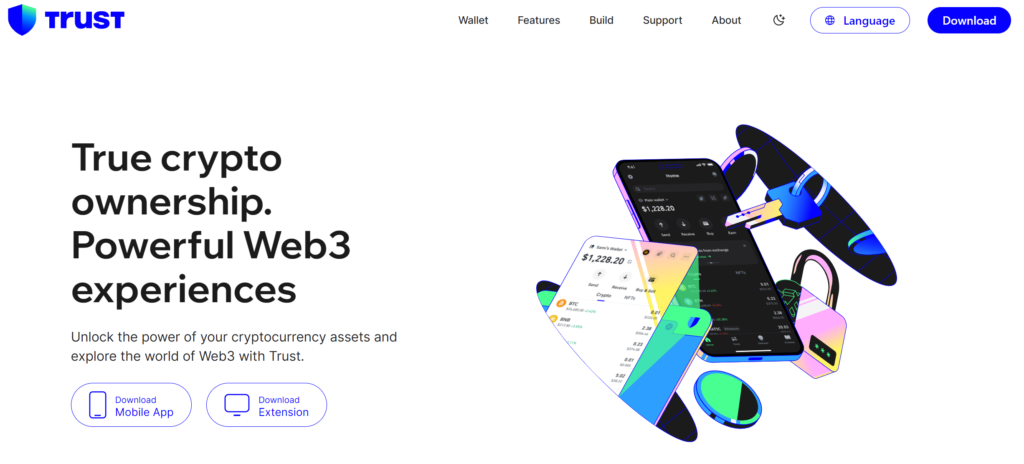
A popular self-custody wallet with broad token support and integrated swap routes through third-party providers.
Pros
Simple interface
Wide chain support
Convenient in-app swaps
Cons
Swap costs depend on route and liquidity provider
3. Exodus Wallet

A well-known wallet for desktop and mobile with portfolio tracking and built-in exchange features for supported assets.
Pros
User-friendly design
Cross-platform availability
Helpful portfolio view
Cons
Swaps can be more expensive than exchange trading
4. Atomic Wallet
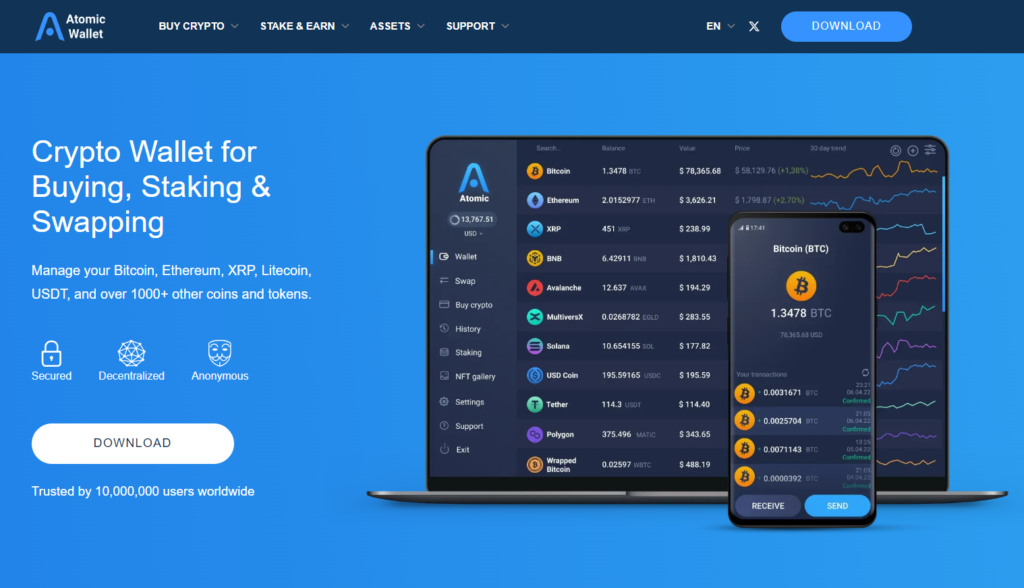
A multi-asset self-custody wallet with built-in exchange and optional staking features.
Pros
Non-custodial
Simple navigation
Wide asset coverage
Cons
Pricing depends on swap partner
Some features are gated by wallet ecosystem choices
5. Coinomi Wallet
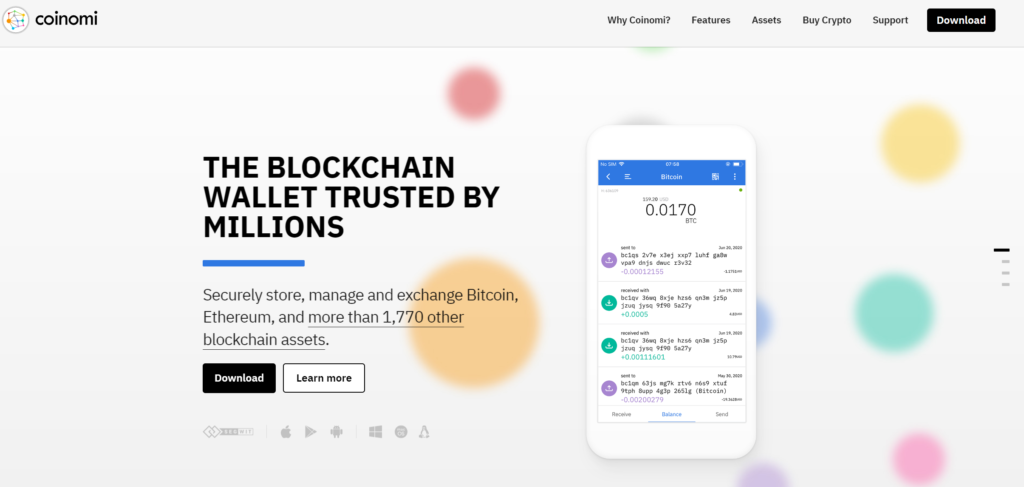
A long-running wallet known for broad coin support and basic swap integrations.
Pros
Wide asset support
Generally stable performance
Privacy-focused positioning
Cons
Interface can feel dated
6. MetaMask (with integrations)

Primarily an EVM wallet, but it can access LTC-to-USDT routes via external bridges or swap partners, depending on region and availability.
Pros
Strong DeFi and dApp compatibility
Flexible with integrations
Large ecosystem
Cons
Not native for Litecoin
Requires third-party routes for LTC
7. Guarda Wallet
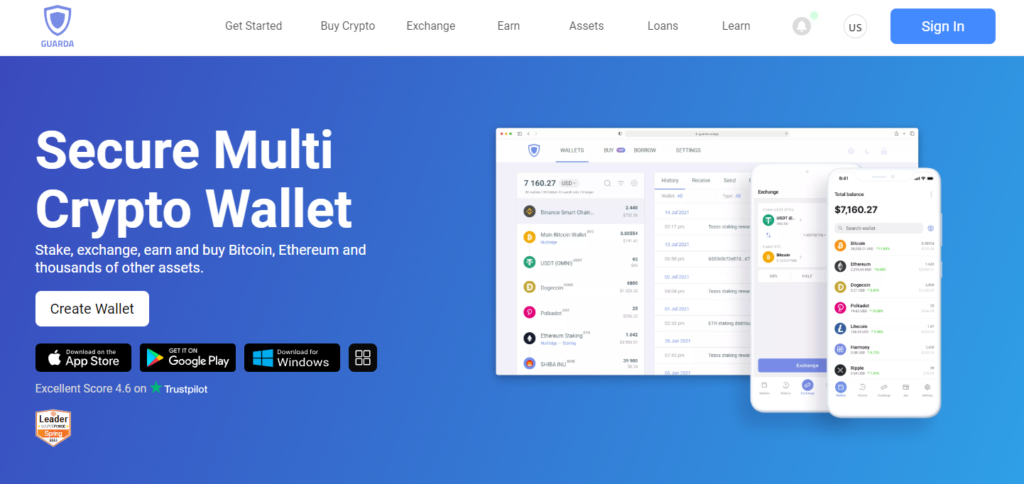
Available on mobile, desktop, and web, with swap features connected to integrated liquidity providers.
Pros
Cross-platform
Broad token support
Useful extra tools depending on platform
Cons
Swap fees/spreads can be higher than exchanges
8. Crypto.com DeFi Wallet

A self-custody wallet designed for DeFi usage and swaps within a broader ecosystem.
Pros
Good for DeFi workflows
Multiple network support
Optional ecosystem integrations
Cons
Some flows are smoother when paired with related services
Learning curve for beginners
9. OKX Wallet

A Web3 wallet tied to an exchange ecosystem, often offering convenient routing and liquidity access.
Pros
Smooth performance
Good routing options (depending on region)
Useful for active traders
Cons
Some features feel partly centralized
Availability varies by jurisdiction
10. Ledger Live (with partners)

A hardware-wallet setup with partner integrations for swaps, focused on maximum key security.
Pros
Hardware-level protection
Strong self-custody model
Good for long-term holders
Cons
Requires buying a hardware device
Swap routes depend on partners
What is LTC?
Litecoin is a peer-to-peer cryptocurrency launched in 2011. It uses proof-of-work and targets faster confirmations than Bitcoin, with a 2.5-minute block time and an 84M maximum supply.
What is USDT?
USDT is a USD-pegged stablecoin issued by Tether. Tether states its tokens are backed by reserves and provides transparency reporting.
USDT is issued on multiple networks, including Ethereum (ERC20), Tron (TRC20), and Solana, among others listed by Tether.
Why convert LTC to USDT?
Swapping LTC to USDT is common because it can help you:
reduce exposure to LTC price swings;
keep a USD-like balance ready for trading pairs;
move value quickly between platforms that support USDT;
lock in results after a price move.
Swapping LTC to USDT in 2026 can be done in minutes using a self-custody wallet with built-in swaps, a centralized exchange, or an instant swap service. The key detail that causes most mistakes is USDT network selection, so confirm the receive network before you swap. Tether’s supported-protocol list is a reliable reference point when you’re unsure which chain to use.
FAQ
Most frequent questions and answers
Wallet swaps are usually simpler and keep you in self-custody. Exchanges often provide tighter spreads and higher liquidity. The best choice depends on whether you prioritize convenience or price execution.
Choose the network supported by the platform where you plan to use USDT (for example, ERC20, TRC20, Solana). Tether publishes a list of supported protocols.
Yes. Sending USDT on the wrong network to an incompatible address can cause permanent loss. Always confirm network, address format, and platform support.


