


TRON Staking: Stake TRX & Earn Rewards
Stake TRON (TRX) with Walletverse and put your crypto to work while keeping control of your assets in a self-custody wallet.
TRON staking allows TRX holders to participate in the TRON network, receive staking rewards and gain access to useful network resources. Under TRON Stake 2.0, staking TRX provides TRON Power for governance voting together with either Energy or Bandwidth.
With Walletverse, you can manage TRX and access staking from one mobile crypto wallet while keeping control of your private keys.
What Is TRON (TRX) Staking?
TRON staking is the process of locking TRX on the TRON network to participate in its Delegated Proof of Stake (DPoS) system.
TRON does not rely on traditional cryptocurrency mining. Instead, the network is governed by elected block producers known as Super Representatives, or SRs.
When you stake TRX, you receive TRON Power that can be used to vote for Super Representatives. Depending on the staking setup, participating in this process can generate TRX staking rewards.
Staking TRX also provides an additional benefit that is specific to the TRON ecosystem: network resources.
Under TRON Stake 2.0, staked TRX can provide either Bandwidth or Energy, helping cover the resource costs of transactions and smart contract interactions on the TRON network.
How Does TRON Stake 2.0 Work?
Stake 2.0 is the current staking mechanism used by the TRON network.
When you stake TRX, your stake can provide two types of benefits at the same time:
TRON Power (TP) gives your account voting power in TRON governance. One TRX staked provides one TRON Power.
You also choose to receive either Bandwidth or Energy from the stake.
Bandwidth is primarily used to cover the network resources required by transactions.
Energy is used for executing smart contracts and is particularly relevant when interacting with TRON-based decentralized applications and TRC-20 tokens.
The amount of Energy or Bandwidth generated by a stake can change because resources are distributed according to the amount staked across the network.
TRON Bandwidth vs Energy
One of the major differences between TRON staking and staking on many other networks is that staked TRX can provide network resources.
What Is TRON Bandwidth?
Bandwidth is a TRON network resource consumed when transactions are recorded on the blockchain.
Staking TRX for Bandwidth can increase the amount of Bandwidth available to your account and may reduce the amount of TRX that would otherwise need to be burned to cover network resource costs.
What Is TRON Energy?
Energy is the network resource used to execute smart contracts.
Interactions with decentralized applications and many TRC-20 token operations can consume Energy. Staking TRX for Energy can therefore be useful for users who frequently interact with smart contracts on TRON.
If available Energy or Bandwidth is insufficient for a transaction, the TRON network may burn TRX to cover the resource shortfall.
Why Stake TRX?
TRON staking can provide several benefits for TRX holders.
You can potentially earn TRX staking rewards without selling your existing TRX.
Your staked TRX generates TRON Power, enabling participation in TRON governance and voting for Super Representatives.
Staking can also provide Energy or Bandwidth, which can help cover network resource requirements.
With a self-custody wallet such as Walletverse, you retain control of your wallet and private keys rather than depositing your assets into a centralized exchange account.
Staking is nevertheless not risk-free. Rewards can change, crypto prices are volatile, and unstaking involves a waiting period before TRX becomes fully spendable again.
How to Stake TRX with Walletverse
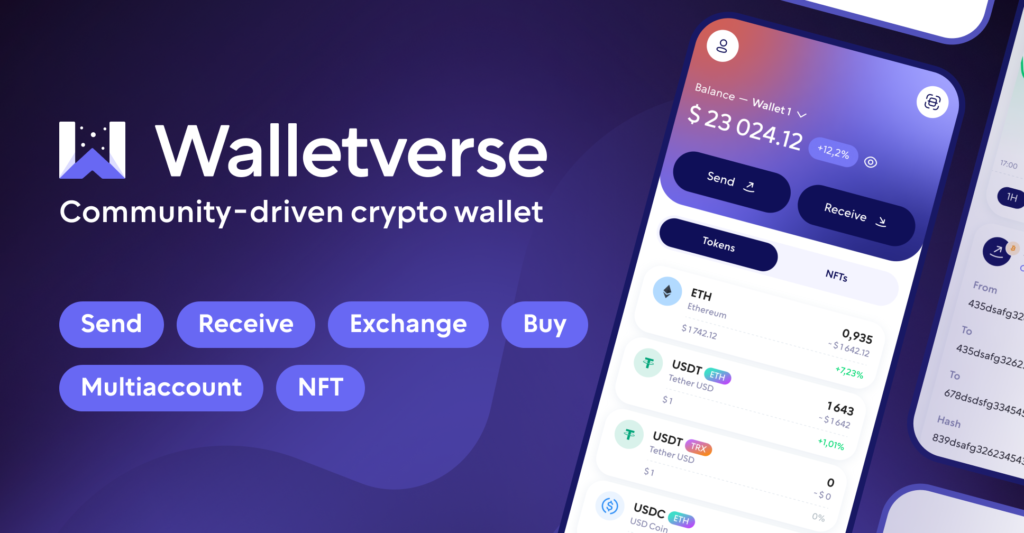
You can manage and stake TRX directly from the Walletverse mobile wallet.
1. Download Walletverse
Install Walletverse on your supported mobile device and create a new self-custody wallet or access your existing wallet.
Protect your wallet credentials carefully and never share your recovery information or private keys.
2. Add TRX to Your Wallet
Open TRON (TRX) in Walletverse and make sure your wallet contains the amount of TRX you want to stake.
Consider keeping some TRX available instead of staking your entire balance so you retain flexibility for future network transactions.
3. Open TRX Staking
Select the staking or earn option available for TRX in Walletverse.
Enter the amount of TRX you want to stake and review the available staking information.
4. Review the Staking Rate and Conditions
Before confirming, check the current reward rate, staking conditions and any relevant network information displayed in the app.
TRON staking rewards are variable and should not be considered guaranteed returns.
5. Confirm Your TRX Stake
Review the transaction details and confirm the staking operation from your Walletverse wallet.
After the transaction is confirmed on the TRON network, your TRX will be staked according to the selected conditions.


How Much Can You Earn by Staking TRX?
TRON staking rewards are variable.
The amount you can earn depends on several factors, including:
the amount of TRX staked;
the current staking reward rate;
the selected Super Representative or staking provider;
validator or provider commissions;
network conditions;
how long you participate in staking.
For example, if a staking option displays an annual rate of X%, estimated annual rewards before other factors would be approximately:
Staked TRX × Current Annual Rate = Estimated Annual TRX Rewards
The current rate should always be checked before staking because staking APR or APY can change over time.
What Is the Minimum Amount of TRX to Stake?
Under the current TRON Stake 2.0 protocol, a staking operation requires a minimum of 1 TRX.
However, the practical amount you choose to stake depends on your balance, objectives and the expected value of the resulting rewards.
You do not need thousands of TRX simply to participate in TRON staking.
How to Unstake TRX
When you want to stop staking, you can initiate an unstaking operation.
Under TRON Stake 2.0, unstaking starts a 14-day waiting period. During this period, the TRX being unstaked is not immediately available as a spendable balance.
After the waiting period is completed, the unstaked TRX can be withdrawn back into the available balance according to the TRON protocol.
Because of this delay, only stake TRX that you do not expect to need for immediate transfers or other short-term purposes.
Is TRON Staking Safe?
TRON staking takes place through blockchain transactions, but it still involves risks.
Using a self-custody wallet means you remain responsible for protecting access to your wallet. Never share private keys, passwords or recovery information with anyone.
Staking rewards are not guaranteed and can change according to network and provider conditions.
TRX also remains a volatile crypto asset. Receiving staking rewards does not protect the value of your TRX against market price movements.
In addition, staked TRX cannot always be made immediately liquid because the TRON protocol applies an unstaking waiting period.
Before staking, review the current terms and make sure you understand both the potential rewards and the risks.
Why Stake TRON with Walletverse?
Walletverse is a self-custody crypto wallet designed to make managing digital assets simple from one mobile app.
With Walletverse, you can store and manage TRX while maintaining control over your wallet credentials.
Self-Custody
Walletverse is built around self-custody, giving you control of access to your crypto rather than relying on a centralized account to hold your assets.
TRX Staking in One App
Manage your TRON assets and access TRX staking without moving between multiple crypto applications.
Multi-Currency Wallet
Walletverse supports hundreds of cryptocurrencies, allowing you to manage TRX alongside other digital assets from a single wallet.
Mobile Security
Walletverse supports security features such as passcode and biometric protection to help protect access to your wallet on your device.
Buy, Swap and Manage Crypto
Beyond staking, Walletverse lets users access additional crypto-management functionality from the same mobile experience.
FAQ
Most frequent questions and answers
Yes, Tron uses a Delegated Proof of Stake model that allows TRX holders to earn rewards by voting for Super Representatives.
Walletverse offers a secure, user-friendly environment with 3.4% APY and full self-custody control.
TRX staking rewards vary according to the current reward rate, network conditions, the amount staked and other factors. Check the current rate displayed in Walletverse before confirming a stake.
TRX can be staked using compatible wallets and interfaces that support TRON staking. Walletverse provides TRX management and staking functionality within its self-custody mobile wallet.
Yes. TRON’s native cryptocurrency, TRX, can be staked through the TRON Stake 2.0 mechanism. Staking provides TRON Power together with either Energy or Bandwidth and can be used as part of the network’s governance and rewards system.


