


What Is Staking Ethereum
Ethereum remains the backbone of decentralized applications, DeFi protocols, and NFT markets. After transitioning to the Proof of Stake (PoS) model through the Ethereum 2.0 upgrade, staking has become one of the most popular ways for investors to earn passive rewards while supporting the network’s security.
Staking Ethereum allows users to lock up their ETH tokens to help validate transactions and maintain network integrity. In return, they earn rewards that depend on network participation and validator performance.
What Is ETH Ethereum
Ethereum (ETH) was introduced in 2015 by Vitalik Buterin as a decentralized platform designed to go beyond Bitcoin’s capabilities. It introduced the concept of smart contracts, self-executing programs that run on the blockchain without intermediaries.
Over the years, Ethereum has evolved into the foundation of decentralized finance, NFTs, and Web3 development. Its major upgrade, The Merge, replaced energy-intensive mining with a Proof of Stake consensus mechanism.
In this new model, validators are chosen based on the amount of ETH they stake. Staking ensures network stability and reduces energy consumption by over 99%. Participants who lock their ETH to support the network earn consistent annual yields, typically between 1% and 5%.
This process gives users a chance to earn passive income while contributing to Ethereum’s long-term sustainability.
How Staking Works
Staking Ethereum involves committing your ETH to a validator node that processes transactions and adds blocks to the blockchain. Validators are rewarded for performing their duties accurately and penalized if they act maliciously or remain inactive.
Here’s how the process works:
- You stake ETH directly or through a staking pool.
- Validators are randomly selected to confirm transactions.
- Rewards are distributed periodically based on the validator’s performance and the total ETH staked.
Unlike traditional mining, staking doesn’t require expensive equipment. You can start with just a few tokens by using staking services or wallets that pool ETH from multiple users.
While the network remains secure and efficient, your funds continue to generate passive rewards as long as they remain staked.
Top 10 Best Crypto Wallets for Ethereum Staking
1. Walletverse
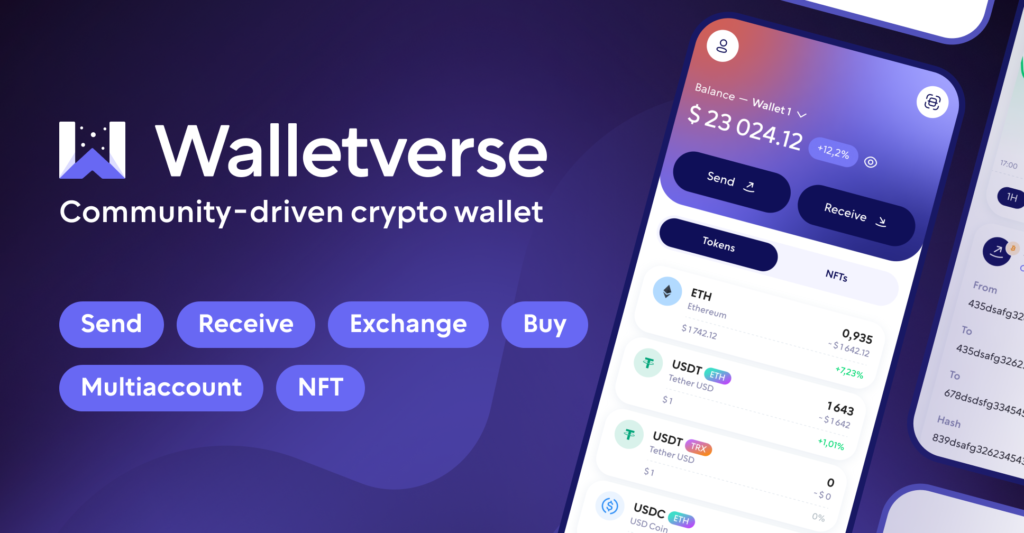
Walletverse is a multi-currency, Web3, and DeFi wallet tailored for both beginners and experienced investors. Supporting over 600 cryptocurrencies, it offers seamless staking, buying, and asset management directly from the mobile app.
The wallet provides Ethereum staking with an APY of 1.76%, along with built-in AML protection and biometric authentication.
Pros:
- Secure self-custody wallet
- Supports 600+ cryptocurrencies and dApps
- Fast transactions and intuitive interface
- Buy crypto with Apple Pay, Google Pay, or cards
Cons:
- Mobile-only version


2. Trust Wallet
Trust Wallet, owned by Binance, offers an accessible staking experience. It supports Ethereum, NFTs, and a wide range of other cryptocurrencies.
Pros:
- Easy mobile staking
- Wide token and dApp support
- Beginner-friendly interface
Cons:
- Limited validator transparency
- Custodial risk if connected to exchanges
3. Ledger Nano X
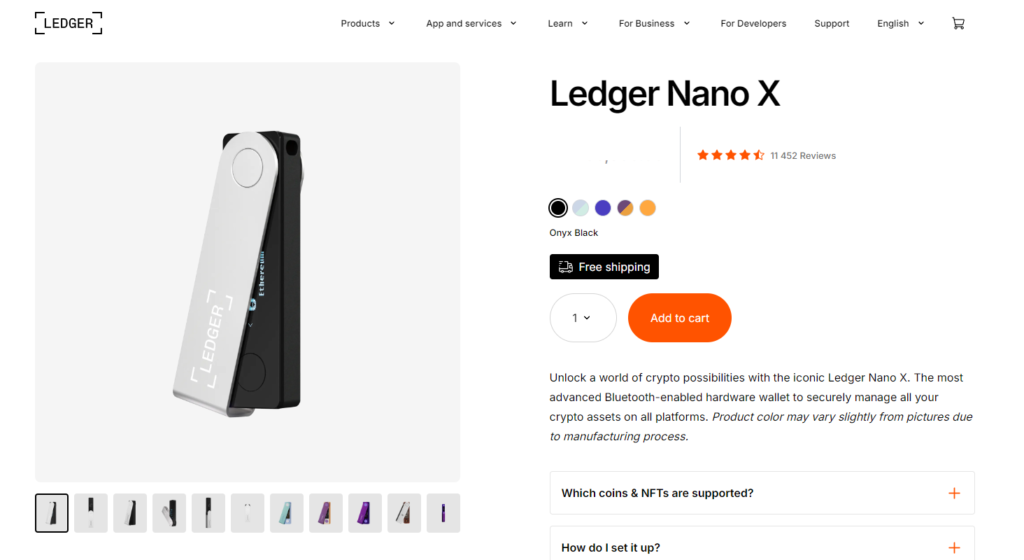
Ledger is a hardware wallet that provides unmatched offline security. You can stake ETH using Ledger through apps like Lido, Kiln, or Ledger Live.
Pros:
- Highest level of security
- Works offline
- Supports multiple staking options
Cons:
- Requires external app setup
- Costs more than software wallets
4. Atomic Wallet

Atomic Wallet supports built-in Ethereum staking alongside other popular cryptocurrencies. It’s well-suited for users who want simplicity and an all-in-one wallet.
Pros:
- Simple setup process
- Supports multiple assets
- No need for external staking tools
Cons:
- Closed-source software
- Limited validator control
5. MetaMask
MetaMask is one of the most trusted Ethereum wallets, widely used across the DeFi ecosystem. It supports staking through integrations with Lido and Rocket Pool, allowing users to earn ETH rewards easily.
Pros:
- Trusted Ethereum wallet
- Integrated with leading staking protocols
- Works on browser and mobile
Cons:
- Requires third-party staking providers
- Complex for new users
6. Lido

Lido is a decentralized staking service that enables liquid staking. When users stake ETH, they receive stETH tokens that can be traded or used in DeFi apps.
Pros:
- Liquid staking with flexible usage
- No minimum staking amount
- Fully decentralized governance
Cons:
- Smart contract dependency
- Centralized validator structure concerns
7. Binance Wallet

Binance offers Ethereum staking directly through its platform. It’s ideal for users who prefer centralized solutions with straightforward access.
Pros:
- Quick and easy staking setup
- Reliable exchange infrastructure
- Flexible staking terms
Cons:
- Custodial wallet, no private key control
- Regional availability restrictions
8. Coinbase Wallet

Coinbase Wallet provides an easy and regulated way to stake Ethereum, making it suitable for beginners who prefer simplicity and safety.
Pros:
- Simple setup for new users
- Backed by a trusted exchange
- Intuitive design and staking automation
Cons:
- Custodial wallet, private keys held by Coinbase
- Higher fees compared to decentralized options
9. Exodus
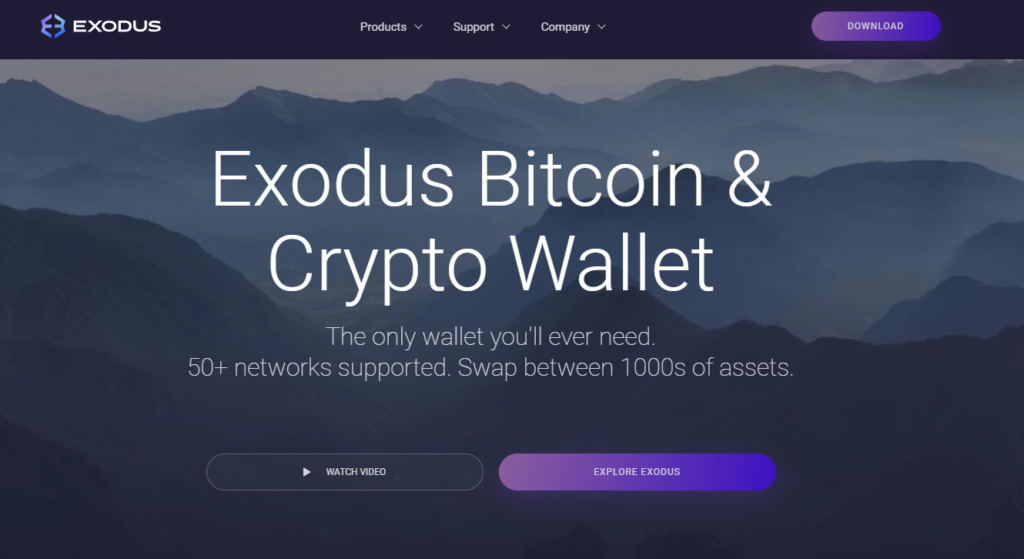
Exodus provides a beginner-friendly design for managing and staking Ethereum. It’s available on both desktop and mobile, offering complete portfolio management in one place.
Pros:
- Beautiful, user-friendly interface
- Multi-platform access
- Built-in staking and swap features
Cons:
- Closed-source wallet
- Slightly higher fees
10. MyEtherWallet (MEW)

MyEtherWallet is a long-established Ethereum wallet offering direct staking through integrations with hardware devices and third-party platforms.
Pros:
- Non-custodial and secure
- Compatible with Ledger and Trezor
- Supports advanced Ethereum operations
Cons:
- Interface may seem technical
- Requires external validator connection
Ethereum Staking Definition Mechanism
Ethereum staking is the process of locking ETH in the network to secure and validate blockchain operations. Validators are rewarded for creating new blocks and confirming transactions, maintaining network integrity.
The mechanism relies on the user’s staked amount to select validators fairly. If validators behave dishonestly, a small portion of their stake is “slashed” as a penalty. This design encourages transparency, reliability, and security throughout the Ethereum ecosystem.
What Does Staking Ethereum Mean
Staking Ethereum means committing your ETH tokens to help run the Ethereum network. It’s similar to earning interest on savings, your tokens stay yours, but they generate rewards while being locked for network security.
You can stake independently with 32 ETH or through staking pools that allow smaller contributions. Platforms like Walletverse simplify this process, letting users earn staking rewards without technical setup.
Can You Sell ETH While Staking?
In traditional staking, your ETH remains locked for a certain period. However, platforms that offer liquid staking (like Lido or Rocket Pool) provide tokenized versions of your staked ETH, allowing you to trade or sell those tokens even while earning rewards.
With wallets such as Walletverse, users enjoy flexibility, they can unstake or manage their assets directly without losing ownership or control.
Ethereum staking is a cornerstone of the new blockchain economy. It allows users to earn passive rewards, strengthen the network, and participate in decentralized finance. Whether you’re a beginner or an advanced user, staking through a secure, self-custodial wallet ensures safety and convenience.
Walletverse offers one of the most accessible and secure platforms for Ethereum staking. With 1.76% APY, biometric protection, AML compliance, and full control over your crypto, it’s the perfect solution for users who want to grow their assets safely.
FAQ
Most frequent questions and answers
Your Ethereum is locked in the staking contract to support network validation. It remains your property and can be withdrawn after the staking period.
Staking helps secure blockchain networks while providing users with a way to earn passive income through reward distributions.
Losses are rare but possible if validators act maliciously or remain offline. Using reputable wallets like Walletverse and reliable validators minimizes this risk significantly.


